
Is A Robot Vacuum Cleaner Worth It: Pros And Cons
Yes, a robot vacuum cleaner is worth it for many busy homes, but not for every floor plan.
After comparing cleaning power, navigation, upkeep, noise, price, and real-world limits, I find that a robot vacuum works best as a daily helper—not a full replacement for a traditional vacuum. The right model can keep dust, crumbs, and pet hair under control while giving you back a little time each week.
Is a Robot Vacuum Cleaner Worth It for Most Homes?
The answer depends on your home, habits, floors, and budget. A robot vacuum cleaner is worth it when you want light, frequent cleaning with very little effort.
These machines use sensors, cameras, lasers, or a mix of tools to move around your rooms. Many models map your home, avoid obstacles, return to their dock, and follow a set schedule.
A robot vacuum is not magic. It can miss corners, struggle with cords, and need help with clutter. Still, regular cleaning often matters more than one deep cleaning session each week.
For many households, the biggest benefit is consistency. The robot runs while you work, cook, sleep, or leave the house. That steady routine can make floors feel cleaner even when life gets busy.

How Robot Vacuums Work
Robot vacuums use several systems to understand and clean a room:
- Bumper sensors detect walls and furniture.
- Infrared sensors help prevent falls from stairs.
- LiDAR uses laser scans to build detailed maps.
- Cameras identify objects and room features.
- Dirt sensors may increase suction over dusty areas.
- Brush rolls lift debris from hard floors and carpets.
- Side brushes sweep dust from edges toward the suction path.
Higher-end models create room maps in a smartphone app. You can often label rooms, set no-go zones, and choose a cleaning order. Basic models may clean in a random pattern and take longer to cover the same space.
Most robots have a charging dock. When the battery runs low, the vacuum returns to the dock. Some models resume cleaning after charging, which helps in larger homes.
A robot vacuum cleaner is worth it when these features match your daily needs. You do not need every premium feature, though. Good navigation and reliable cleaning often matter more than a long list of app controls.
Main Benefits of a Robot Vacuum Cleaner
Daily cleaning with less effort
The clearest benefit is automation. You can schedule cleaning for a time when nobody is home or when the sound will not bother you.
A short daily run can collect crumbs, hair, and dust before they build up. This works well in kitchens, dining areas, entryways, and rooms with heavy foot traffic.
Better control of pet hair
Robot vacuums can help manage pet hair between deeper cleaning sessions. Models with strong suction, a brush designed for hair, and a large dustbin usually perform best.
They will not remove every strand from thick carpet or upholstery. However, frequent passes can stop loose hair from spreading through the home.
Helpful support for people with limited mobility
A robot vacuum may help older adults or people with back, joint, or mobility problems. It reduces the need to push a heavy vacuum across the floor.
It still needs human care. Someone must empty the bin, clean the brush, remove tangled hair, and solve errors.
Cleaner floors with a smaller time cost
A traditional vacuum may clean more deeply in one session. A robot can save time by handling small jobs often.
In my practical comparisons, this is the point people notice most. The value is not that the robot cleans every spot perfectly. The value is that it cleans while you do something else.
Useful smart-home features
Many current models connect with mobile apps and voice assistants. You may be able to start a cleaning cycle, set room rules, or receive maintenance alerts.
These features are useful, but they can also add complexity. A simple schedule that works every day is often more valuable than advanced controls you rarely use.
When Is a Robot Vacuum Cleaner Worth It?
A robot vacuum cleaner is worth it for people who fit several of these situations:
- You have mostly hard floors or low-pile carpets.
- You want to clean every day or several times per week.
- You have pets that shed.
- You work long hours or spend little time at home.
- You dislike sweeping and routine vacuuming.
- You can keep cords, clothes, and small objects off the floor.
- You can afford regular filter, brush, and bag replacement.
- You want help with maintenance cleaning rather than deep cleaning.
It can also be a good choice for small apartments. A compact robot may cover the main living space without taking up much storage room.
Families with young children may benefit as well. A robot can collect dry crumbs and dust after meals, although it should never run near toys, liquids, or unsafe objects.
The best way to judge value is to think about time. If the robot saves 20 minutes several times a week, that time can add up. If your home needs constant preparation before every run, the convenience may disappear.
When a Robot Vacuum May Not Be Worth It
A robot vacuum cleaner is not ideal for every home. Its limits become clear in homes with complex layouts, thick rugs, or frequent clutter.
You may want to skip one if:
- Your floors have many high-pile rugs.
- You have thick carpet that needs strong agitation.
- Your rooms contain many cords, toys, or small objects.
- You need spotless corners and edges.
- You have steps between rooms.
- You often clean wet spills or large debris.
- You do not want app-connected appliances.
- You have no good place for a charging dock.
Most robot vacuums are dry-floor cleaners. A robot mop may wipe light marks, but it does not replace proper mopping. Some combo models also spread dirty water if you do not wash and dry the mop pads often.
Stairs are another major limit. A robot can usually detect a stair edge, but it cannot climb a standard staircase. You will still need a regular vacuum for steps, furniture, ceilings, and upholstery.
Clutter causes problems too. A sock, phone charger, pet toy, or shoelace can stop the brush. I have seen this become the main source of frustration for new owners. A two-minute floor check can prevent a failed cleaning cycle.
Robot Vacuum Cleaning Performance by Floor Type
Hardwood and other hard floors
Robot vacuums often perform well on sealed hardwood, tile, laminate, and vinyl. Their rotating brushes collect dust, crumbs, and hair from open areas.
Use care with delicate floors. Avoid dragging grit across the surface, and check whether the brush design is safe for your flooring. A clean brush and clean wheels also reduce the chance of marks.
Low-pile carpet
Low-pile carpet is usually a good match. The robot can move across the surface and lift surface dirt with its brush roll and suction.
For the best results, choose a model that detects carpet and increases suction. A robot may still leave embedded dirt that a full-size vacuum removes more effectively.
Thick carpet and shag rugs
Thick rugs can stop a robot or cause its brush to jam. Some models cannot climb onto tall rug edges.
If your home has several deep rugs, check the machine’s climbing height and return policy before buying. Product descriptions do not always reflect every rug style.
Dark floors
Some older sensors had trouble with very dark surfaces because they interpreted them as drop-offs. Newer models often handle dark floors better, but performance still varies.
Read recent testing results and user feedback for your exact floor type. A retailer’s return window is valuable when sensor behavior is uncertain.

Robot Vacuum Cost and Long-Term Value
Robot vacuum prices range from affordable entry models to premium machines with advanced mapping and automatic emptying. The purchase price is only part of the cost.
You may also pay for:
- Replacement filters
- Side brushes
- Main brush rolls
- Dust bags for self-emptying docks
- Mop pads
- Cleaning solution for some mop systems
- Battery replacement after years of use
An inexpensive robot can be worthwhile if it cleans a small, open space. A premium model may offer better navigation, stronger suction, quieter operation, and less frequent emptying.
However, expensive does not always mean better for your home. A high-end machine may waste money if you only need basic hard-floor cleaning.
Consider the cost per year rather than only the price at checkout. If a $300 robot works for four years, the equipment cost averages about $75 per year before replacement parts. The value improves if it saves regular cleaning time.
A robot vacuum cleaner is worth it financially when you will use it often. A machine that sits in a closet is expensive, no matter how advanced it is.

Key Features to Look For
Reliable navigation
Good navigation helps a robot clean in neat passes instead of wandering randomly. LiDAR and camera-based systems can create accurate maps, but each technology has strengths and weaknesses.
LiDAR often works well in low light. Camera systems may identify objects better but can depend more on room lighting. Basic sensor systems cost less but may take longer to finish.
Strong obstacle avoidance
Obstacle detection can prevent problems with cables, socks, and pet toys. No system avoids everything perfectly, so floor preparation still matters.
Look for clear evidence from independent tests. Marketing terms can sound impressive without showing how the robot performs in a normal home.
A useful brush design
A rubber brush may resist hair tangles better than a bristle brush. Some designs use two rollers to guide debris into the intake.
Pet owners should check how easy the brush is to remove. A brush that takes seconds to clean is better than one that requires tools.
Self-emptying dock
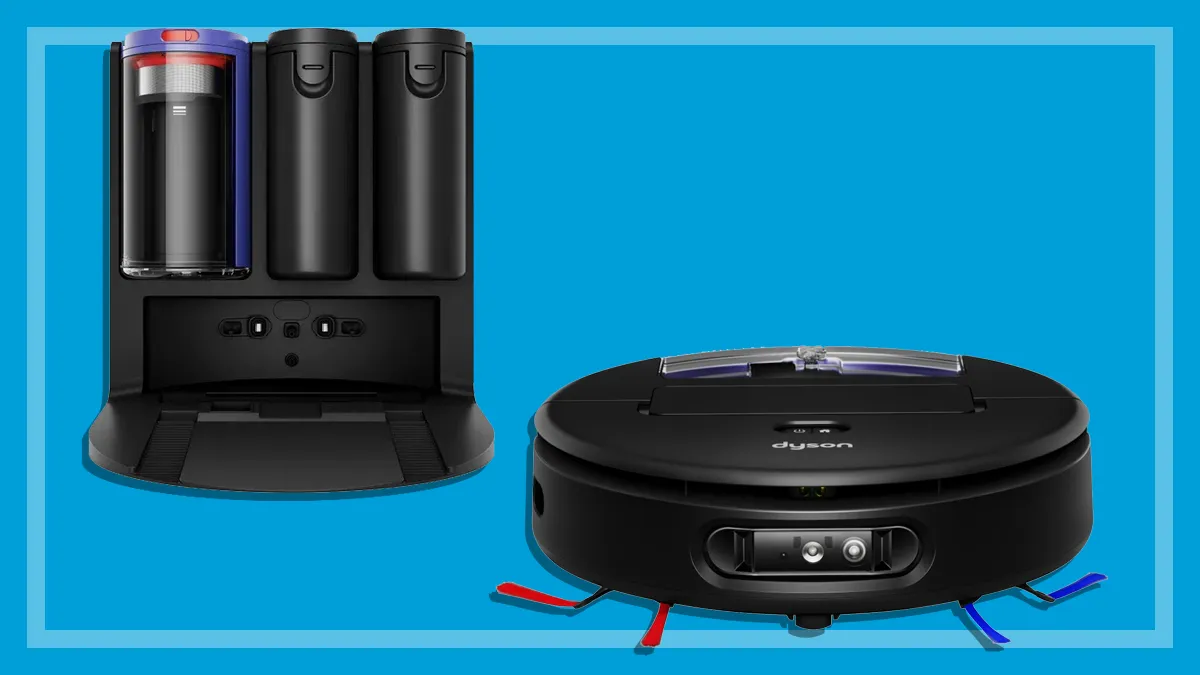
A self-emptying base can hold debris for weeks, depending on the home and dust level. This is helpful for pet owners and people who dislike daily bin emptying.
The dock needs extra floor space and uses disposable bags in many models. It can also be louder than the robot itself.
Battery life and recharge behavior
Battery capacity matters most in large homes. More important is whether the robot returns to charge and resumes the job without losing its map.
A smaller apartment may not need premium battery performance. Good room mapping can help the robot clean efficiently.
Easy maintenance
Choose a model with washable parts where appropriate, clear error messages, and affordable replacement parts. Easy upkeep protects cleaning performance and extends the machine’s life.

How to Get Better Results From a Robot Vacuum
A robot vacuum cleaner is worth it only when you use it in a way that supports reliable cleaning. These habits make a noticeable difference:
- Pick up cords, socks, toys, and loose clothing before starting.
- Keep the charging dock on a flat surface with open space around it.
- Empty the dustbin as soon as it becomes full.
- Clean the filter based on the manufacturer’s schedule.
- Remove hair from the brush roll every week if you have pets.
- Wipe sensors and charging contacts with a soft, dry cloth.
- Use no-go zones around water bowls, delicate objects, and tangled cables.
- Schedule cleaning after meals or during low-traffic hours.
- Keep doors open when you want the robot to clean several rooms.
- Replace worn parts before suction and movement decline.
Do not run a robot over wet spills. Moisture can damage electronics and spread dirt. Also, keep pet accidents away from the robot; the result can be unpleasant and expensive.
One lesson I often share is to start with a small cleaning zone. Watch the robot for its first few runs. You will learn where it gets stuck and can adjust furniture or virtual boundaries before setting a full-home schedule.
Robot Vacuum Privacy, Noise, and Safety
Connected robot vacuums may collect maps, usage data, and information about how the device operates. Camera-equipped models can raise extra privacy concerns because they use visual sensors inside your home.
Before buying, review the company’s privacy policy and app permissions. Check whether maps are stored locally or in the cloud, and look for account security options such as two-factor authentication.
Noise also varies. A robot is usually quieter than a full-size vacuum, but the self-emptying dock can make a loud burst for several seconds. Schedule it when nobody is sleeping or working nearby.
Keep the robot away from stairs, candles, liquids, and fragile items. Follow the manufacturer’s safety instructions, especially if you have pets or small children.
These concerns do not make robot vacuums a poor choice. They simply show why features, privacy terms, and home setup matter as much as suction power.
Robot Vacuum vs. Traditional Vacuum
A traditional vacuum remains better for deep cleaning. It usually offers stronger suction, a larger cleaning path, and more control over corners, stairs, furniture, and upholstery.
A robot vacuum is better at routine maintenance. It can clean frequently without asking you to push, carry, or store a large machine.
The strongest setup is often both:
- Use the robot several times per week for open floors.
- Use a traditional vacuum for deep carpet cleaning.
- Clean stairs, sofas, corners, and ceilings with handheld tools.
- Mop hard floors when they need more than a light wipe.
- Handle spills and large debris by hand.
Think of the robot as a daily toothbrush and the traditional vacuum as a professional cleaning session. One supports routine care; the other handles difficult work.
For that reason, asking whether a robot vacuum cleaner is worth it should not always mean choosing between the two. Many homes get the best result by using each tool for its proper job.
How to Choose the Right Robot Vacuum
Start with your home rather than the product’s feature list. Measure door thresholds, identify floor types, and note any areas where the robot may get stuck.
Then answer these questions:
- Do you need vacuuming only, or vacuuming and mopping?
- Do pets shed heavily?
- Are most surfaces hard floor or carpet?
- Do you need scheduled room cleaning?
- Is automatic dirt disposal important?
- Are you comfortable using a connected app?
- How much floor space can the dock use?
- Can you buy replacement parts easily?
Read independent reviews that measure pickup on hard floors and carpet. Look for tests involving pet hair, fine dust, large crumbs, noise, battery life, and obstacle avoidance.
Avoid choosing based only on suction numbers. Manufacturers may measure suction in different ways, so the numbers do not always allow a fair comparison.
A reliable return policy matters. Every home is different, and a robot that works well in one apartment may struggle with another home’s rugs, thresholds, or furniture.
Frequently Asked Questions About Is a Robot Vacuum Cleaner Worth It
Is a robot vacuum cleaner worth it for pet hair?
Yes, it can be valuable for pet hair when it runs often and has a tangle-resistant brush. Choose a model with strong pickup, easy brush cleaning, and a dustbin that suits your pet’s shedding level.
Can a robot vacuum replace a regular vacuum?
No, it usually cannot replace a regular vacuum completely. A robot handles routine floor cleaning, while a traditional vacuum remains better for stairs, upholstery, corners, thick carpet, and deep cleaning.
Are robot vacuums worth it in a small apartment?
They can be worth it because small apartments often have open floor space and limited storage. A basic model with good navigation may provide enough cleaning without the cost of premium features.
Do robot vacuums clean corners well?
Most robot vacuums struggle to clean sharp corners perfectly because of their round shape. Side brushes collect some edge dust, but you will still need an occasional handheld or traditional vacuum.
How often should a robot vacuum run?
Many homes benefit from running a robot vacuum three to seven times per week. Homes with pets, children, or high foot traffic may need daily cleaning, while quieter homes may need less frequent runs.
Are self-emptying robot vacuums worth the extra cost?
They may be worth it if you have pets, allergies, or a large home. The dock reduces daily maintenance, but it costs more, takes up space, and may require disposable dust bags.
Can robot vacuums work on carpets?
Most can clean low-pile carpet well, especially when they increase suction automatically. Thick, shag, or high-pile rugs may block the robot or reduce cleaning quality.
Do robot vacuums use a lot of electricity?
They generally use modest electricity because they run on rechargeable batteries and return to a low-power dock. Actual use varies by cleaning schedule, battery size, and whether the dock empties the bin.
Conclusion
A robot vacuum cleaner is worth it when you want frequent, automatic cleaning and your home has floors the machine can easily reach. It can reduce dust, crumbs, and pet hair while saving time, but it still needs maintenance and cannot replace deep cleaning everywhere.
Choose based on your floor type, clutter, pets, budget, privacy needs, and willingness to maintain the device. If you want the best results, use a robot for daily upkeep and a traditional vacuum for difficult areas.
Start by listing your home’s real cleaning problems, then compare models that solve those problems instead of paying for features you will not use. Explore independent product tests, check replacement-part costs, and choose a model with a dependable return policy before making your decision.

Liora Pennings is a seasoned chef and kitchen enthusiast with a passion for turning everyday cooking into an effortless experience. With years of hands-on culinary expertise, she specializes in practical techniques, ingredient know-how, and smart kitchen solutions that help home cooks elevate their meals. At KitchFlair.com, Liora shares her best tips, time-saving tricks, and honest product reviews to guide readers toward a more efficient, enjoyable, and inspired cooking routine. Whether you’re a beginner or a seasoned home chef, Liora’s friendly, knowledge-packed insights make every visit to the kitchen a little easier—and a lot more delicious.