How Do You Know How Powerful A Vacuum Cleaner Is: Power Guide
You know how powerful a vacuum cleaner is by checking suction, airflow, and real cleaning results.
Learning how do you know how powerful a vacuum cleaner is can save you from choosing a machine that sounds strong but cleans poorly. As someone who has compared vacuum cleaners across carpets, hard floors, pet hair, and fine dust, I know that one number rarely tells the full story. This guide explains the key measurements, label terms, home tests, and buying tips that show a vacuum’s true cleaning power.
What vacuum cleaner power really means
When people ask how do you know how powerful a vacuum cleaner is, they often mean how well it can lift dirt from a surface. A powerful motor helps, but motor power is only one part of the answer.
A vacuum creates suction by moving air through the floor head, hose, filter, and dust container. This moving air carries dirt into the machine. If the air path is narrow, blocked, or poorly sealed, a strong motor may still produce weak cleaning results.
True vacuum performance depends on several connected parts:
• Suction pressure: This is the pulling force created by the vacuum.
• Airflow: This is the amount of air the machine moves, often measured in cubic feet per minute, or CFM.
• Air watts: This combines suction and airflow into one performance figure.
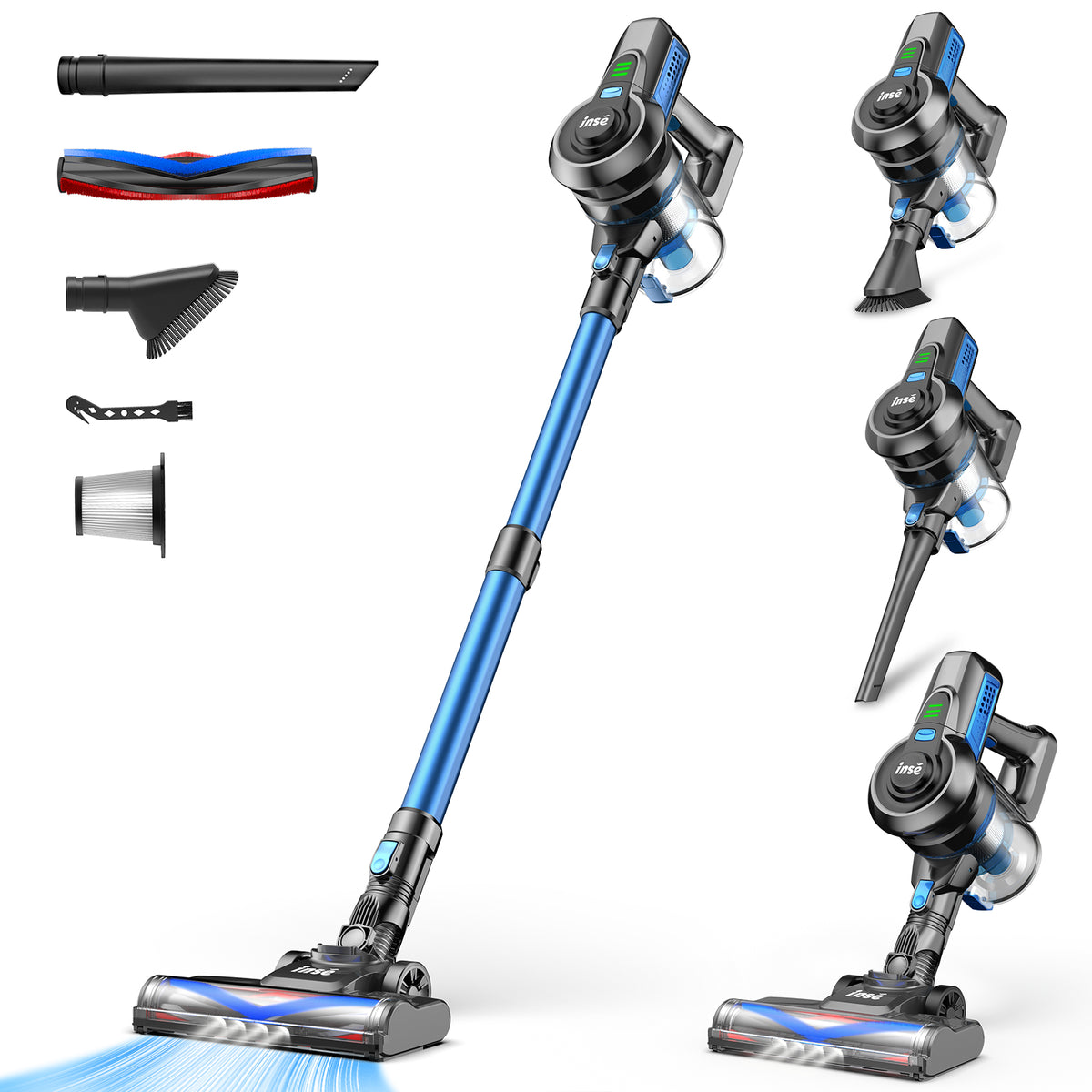
• Floor head design: A sealed head can lift more dirt than a poorly fitted one.
• Brush roll action: A good brush can loosen hair and dust from carpet fibers.
• Filtration: A clogged filter can reduce airflow and weaken suction.
The best vacuum is not always the one with the largest motor. Think of the motor as the engine of a car. A large engine does not guarantee a smooth or fast ride if the tires, brakes, and transmission are poor. A vacuum works the same way.
The main measurements of vacuum power
To understand how do you know how powerful a vacuum cleaner is, learn what the common measurements mean. Product labels may list watts, amps, air watts, kPa, or CFM. These terms are related, but they do not measure the same thing.
Motor watts and amps
Watts measure electrical power. Amps measure the electric current used by the machine. In the United States, many corded vacuums list motor power in amps.
A higher watt or amp rating means the motor uses more electricity. It does not always mean the vacuum cleans better. A well-sealed vacuum with smart airflow can outperform a machine with a larger motor.
Motor wattage is more useful when comparing similar vacuum types. For example, comparing two upright vacuums with similar designs may make the watt rating somewhat helpful. Comparing a cordless stick vacuum with a canister vacuum makes the number much less useful.
Suction pressure
Suction pressure shows how strongly a vacuum can pull when airflow is restricted. It may appear as:
• Kilopascals, or kPa
• Inches of water lift
• Pascals, or Pa, on some cordless models
A higher suction pressure can help lift heavy dirt and debris. However, suction pressure alone does not show how much air moves across the floor. A machine may have strong sealed suction but poor airflow through the cleaning head.
Airflow
Airflow measures how much air passes through the vacuum. It is often listed in CFM, especially for full-size vacuums.
Good airflow helps carry dust and debris from the floor to the dust container. This is especially important on carpets, where dirt can settle below the surface.
Airflow should be measured at the floor head when possible. A manufacturer may list airflow at the motor or hose, where the number can look higher than the airflow produced during real cleaning.
Air watts
Air watts combine suction and airflow. They can provide a more useful performance figure than motor watts alone.
Still, air watt figures are not always measured in the same way. One brand may test at the hose, while another tests at the cleaning head. For this reason, air watts are helpful, but they should not be treated as a perfect industry-wide score.
Voltage on cordless vacuums
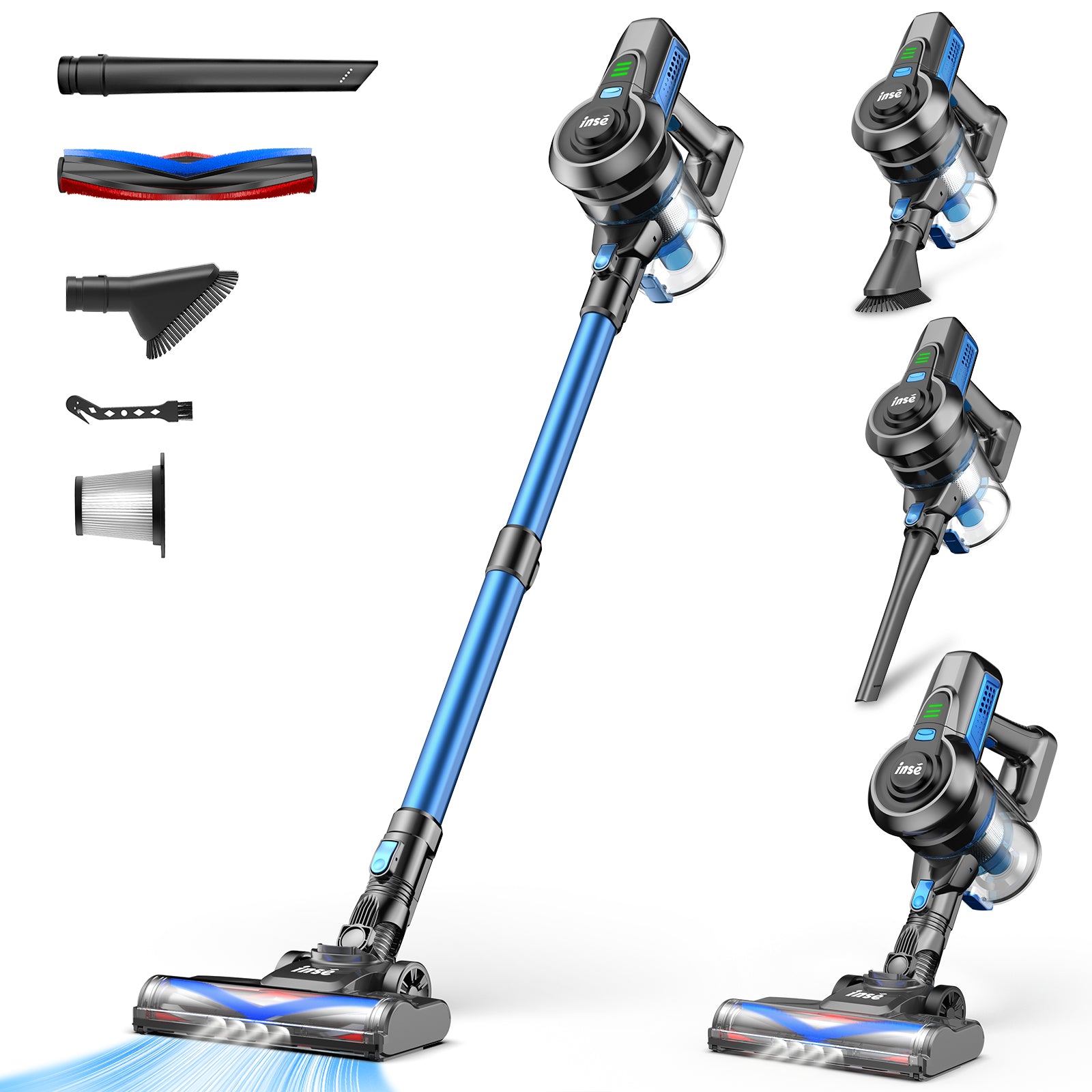
Cordless vacuums often advertise battery voltage. A higher voltage may support a stronger motor, but it does not guarantee better cleaning.
Battery design, motor efficiency, airflow, brush roll speed, and filter condition all matter. A 24-volt vacuum may clean better than a 30-volt model if its floor head seals better and moves air more efficiently.
Which measurement matters most?
The answer to how do you know how powerful a vacuum cleaner is depends on the type of floor and dirt you need to clean. Different homes need different forms of cleaning power.
For carpet
Airflow and brush roll performance are very important for carpet. The vacuum must loosen dirt trapped between carpet fibers and carry it away.
Strong suction can help, but too much suction may make the vacuum hard to push on thick carpet. A height adjustment or suction control can make a big difference.
Look for:
• A motorized brush roll
• Adjustable floor height
• Strong airflow at the cleaning head
• A sealed system
• A brush roll that can be turned off for delicate rugs
For hard floors
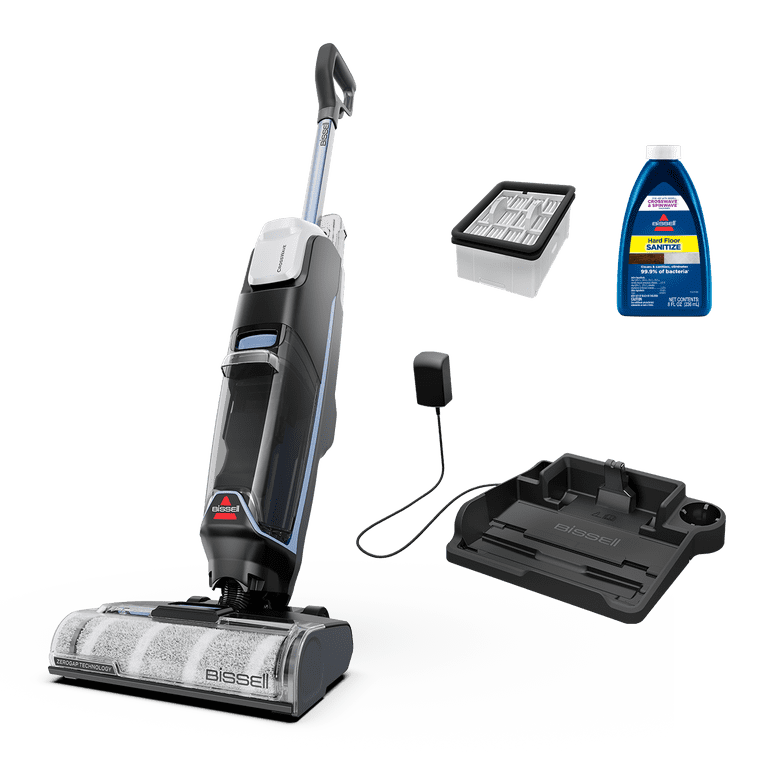
Hard floors usually need controlled suction and good debris pickup. A vacuum with excessive suction may scatter crumbs if the nozzle design is poor.
A soft roller or floor head with rubber strips can work well on wood, tile, and laminate. The cleaning head should sit close to the floor without scratching it.
Look for:
• A soft floor head
• Easy suction control
• Rubber wheels
• A sealed nozzle
• A brush roll that can be switched off
For pet hair
Pet hair needs more than raw suction. Hair can wrap around a brush roll, clog the hose, or stick to fabric.
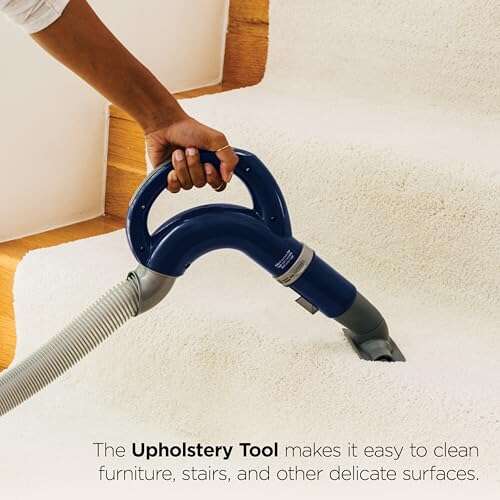
A motorized brush helps lift hair from carpet and furniture. A tangle-resistant brush can reduce maintenance. Strong airflow also helps move hair into the dust bin rather than leaving it at the nozzle.
Look for:
• A powered pet tool
• A tangle-resistant brush roll
• A wide intake path
• Easy brush roll cleaning
• A sealed filtration system
For dust and allergies
For fine dust, the vacuum must hold particles after collecting them. A machine can pick up dust well but release some of it through leaks or a poor filter.
A sealed system with a genuine high-efficiency filter is more important than a high motor watt rating. The filter must also be maintained as directed.
Look for:
• A sealed body and hose
• A high-efficiency or HEPA filter
• A washable or replaceable prefilter
• Low dust release during emptying
The best answer to how do you know how powerful a vacuum cleaner is will always depend on the cleaning job. Power for thick carpet is not exactly the same as power for fine dust on a wood floor.
How to read a vacuum cleaner label
Vacuum labels can make it hard to tell how do you know how powerful a vacuum cleaner is. Some labels focus on motor size, while others highlight battery voltage or air watts.
Use this simple process when reading product details:
-
Check the vacuum type. Compare uprights with uprights, stick vacuums with stick vacuums, and canisters with canisters.
-
Look for airflow or air watts. These numbers may give more useful information than motor wattage.
-
Check where the measurement was taken. Hose measurements may not match floor-head performance.
-
Look for a powered brush roll if you have carpet or pets.
-
Check whether suction can be adjusted. This helps with rugs, curtains, and delicate surfaces.
-
Read the filtration details. A sealed system is a valuable sign.
-
Review independent cleaning tests when available. Real-world tests often reveal more than advertising claims.
Be careful with phrases such as “maximum suction” or “turbo power.” These settings may work for a short time and may reduce battery life. They can also describe suction at the motor rather than cleaning power at the floor.
A reliable product description should explain run time, cleaning modes, filter care, dust cup size, and the surfaces the vacuum is designed to clean. If it only lists a large watt or voltage number, you may not have enough information.