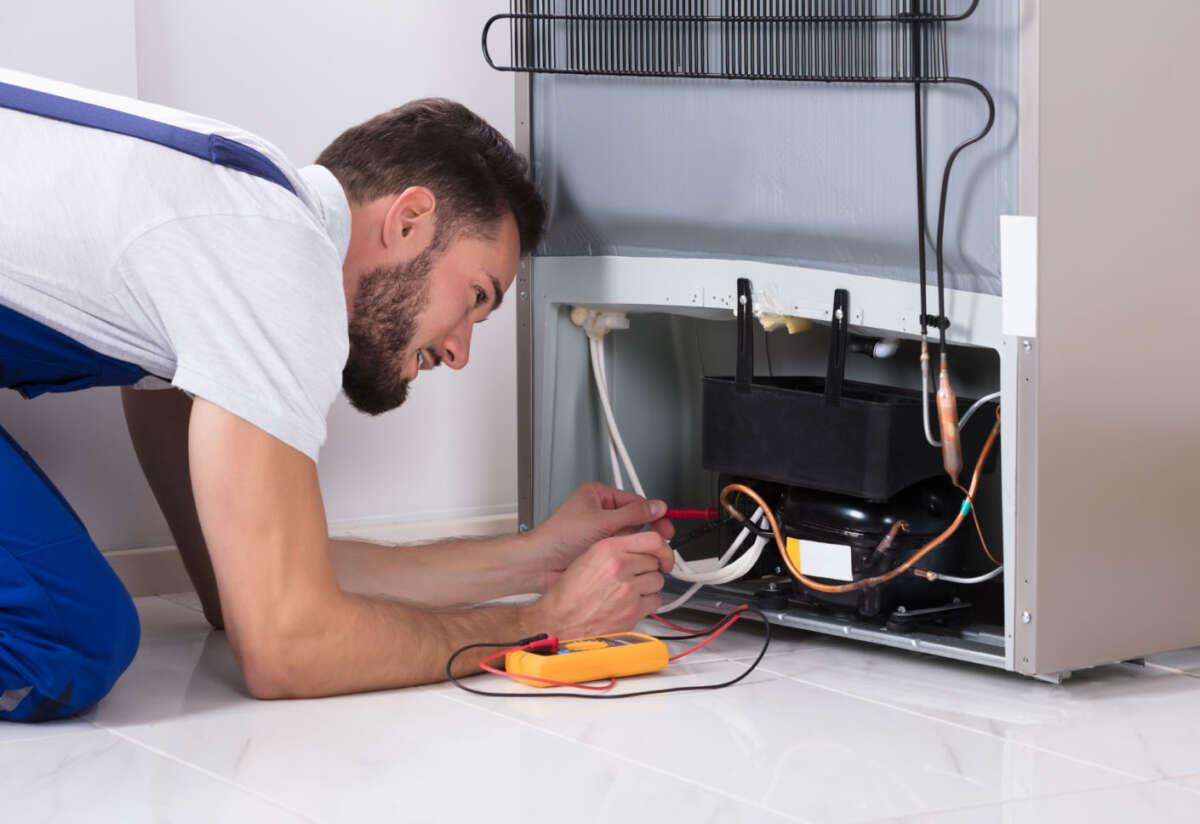
How To Repair Vacuum Cleaner Plug Overheating Problem: Fix
Fix the plug overheating by cleaning contacts, replacing the plug or cord, and resolving poor grounding.
I’ve fixed dozens of small appliance problems, and I’ll walk you through how to repair vacuum cleaner plug overheating problem with clear steps, safety tips, and troubleshooting checks. This guide uses proven repair techniques, plain language, and hands-on advice so you can diagnose and fix an overheating plug safely or decide when to call a pro. Read on to learn causes, tools, step-by-step repair, prevention, and quick checks you can do today.

Why vacuum cleaner plugs overheat
An overheating plug usually means high resistance, poor contact, or excessive current. Loose pins, dirty contacts, frayed wires, or a damaged cord raise resistance and heat the plug. Overheating can also come from motor problems that draw too much current, causing the plug to get hot. Understanding these root causes helps you pinpoint the fix quickly.
Common signs to watch for:
- Plug feels hot within a few minutes of use.
- Burning or plastic smell near the outlet or plug.
- Discolored or melted plug housing or prongs.
- Intermittent power or sparks when you wiggle the cord.
Experiencing these signs means stop using the vacuum until you inspect the plug and cord. Repeated use can cause fire risk or appliance failure.
:max_bytes(150000):strip_icc()/how-to-fix-electrical-outlet-problems-1821525-hero-7fc1e8b0f84442da807ce5da074c1c20.jpg)
Safety first: basic rules before you start
Before any repair, unplug the vacuum and work in a dry, well-lit area. Never repair a plugged-in appliance. Use insulated tools and wear safety glasses if you cut or strip wires. If you see melted insulation, exposed conductors, or scorch marks at the outlet, treat the device as potentially dangerous and consider professional help.
Key safety steps:
- Always unplug the vacuum from the socket before inspecting or repairing.
- Check the outlet with another appliance to rule out outlet fault.
- If smoke or strong burning odor appears, stop and call a technician.
Safety matters more than saving a few dollars. If you doubt your skills, call a licensed electrician or appliance technician.
Tools and replacement parts you’ll need
Having the right tools makes the job fast and safe. Most plug repairs are simple and use common tools.
Suggested tools and parts:
- Flathead and Phillips screwdrivers for plug housings.
- Wire cutters and strippers to remove damaged insulation.
- Multimeter for continuity and voltage checks.
- Replacement cord or plug rated for your vacuum’s voltage and amps.
- Electrical tape or heat-shrink tubing and insulated terminals.
- Needle-nose pliers and a small brush for cleaning contacts.
Always use replacement parts that match the vacuum’s amperage and voltage ratings. Using undersized parts causes repeated overheating.

Step-by-step: how to repair vacuum cleaner plug overheating problem
Follow this step-by-step plan. Read it all first, then do the steps slowly.
- Inspect and isolate
- Unplug the vacuum. Look for melted plastic, discoloration, or burn smell. Check the outlet with another device.
- Test with a multimeter
- Measure continuity from plug prongs to the cord wires. Check for high resistance or open circuits.
- Clean the plug and outlet contacts
- If prongs are tarnished, clean with a small abrasive or contact cleaner. Dry fully before using.
- Repair or replace the plug
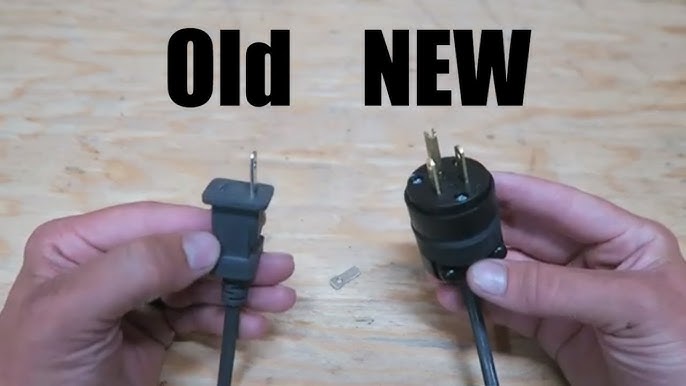
- If the plug housing is cracked or prongs bent, replace the entire plug. Cut off the old plug, strip the cord, and attach a new plug following the color codes.
- Repair the cord near the plug
- If the cord is frayed close to the plug, cut back to healthy insulation, strip wires, and install a new plug or terminal. Use heat-shrink or strain relief.
- Check for internal cord damage
- If the cord is damaged further back, consider replacing the whole cord or getting professional repair.
- Test under low load
- Plug into a known-good outlet. Run the vacuum for a short period and monitor the plug temperature. Stop immediately if heat returns.
- Verify motor current
- If the plug still overheats but the wiring is good, the vacuum motor may be drawing excessive current. That requires motor inspection or pro service.
When you replace the plug, follow proper wiring: green or green-yellow for ground, black or brown for hot/live, white or blue for neutral. If wire colors vary, use a multimeter to confirm function before connecting.

Troubleshooting checklist and quick PAA questions
Use this checklist to narrow the issue quickly.
Troubleshooting steps:
- Confirm outlet health by testing with another device.
- Inspect plug prongs for discoloration, looseness, or melting.
- Check cord near the plug for breaks or frays.
- Test continuity and resistance on the cord and plug.
- Monitor current draw; high current suggests motor or brush issues.
People also ask
- Can a loose plug cause overheating?
Yes. A loose connection increases resistance and heat. Tightening or replacing the plug usually fixes it. - Will cleaning the plug fix overheating?
Cleaning removes oxidation and improves contact. It helps if the root cause is poor contact. - Could a bad outlet be the problem?
Yes. A worn or damaged outlet can cause heat at the plug even if the vacuum is fine.
As a technician, I once replaced a plug on an older vacuum and found the real culprit was a partially seized brush motor drawing extra amps. Replacing only the plug stopped the symptom but not the source. Always verify motor current if plug repairs don’t solve overheating.
Preventive maintenance to avoid future overheating
Small habits prevent many problems. Regular maintenance lowers risk of plug overheating.
Maintenance tips:
- Inspect cord and plug monthly for wear.
- Clean plug prongs and outlets occasionally to prevent oxidation.
- Store the vacuum to avoid cord kinks or stress at the plug.
- Replace brushes and bearings as recommended; motor issues cause high current.
- Use surge protection and a properly grounded outlet.
Treat cords gently. Don’t yank the vacuum by the cord. These simple steps prevent most overheating problems.

When to call a professional
Call a pro if you see severe melting, smoke, or if the vacuum still overheats after replacing the plug. Also call a technician when internal motor repairs, rewinding, or complex wiring is needed. Licensed electricians handle outlet or house wiring faults safely.
Signs you need professional help:
- Persistent overheating after plug replacement.
- Exposed conductors or heavy charring.
- Appliance trips breakers repeatedly or causes sparks.
- You’re uncomfortable working with mains wiring.
Professionals can test current draw and inspect internal components to find hidden faults you might miss.

Frequently Asked Questions of how to repair vacuum cleaner plug overheating problem
How quickly should I stop using a vacuum with a hot plug?
Stop immediately. Unplug the vacuum and inspect the plug and cord. Continuing to use it risks fire or electrical shock.
Can I replace just the plug myself?
Yes, if you are comfortable with basic wiring. Always match amperage and voltage ratings and follow wiring color codes. If unsure, hire a pro.
How do I know if the outlet or the plug is the problem?
Test the outlet with another appliance and inspect the plug for damage. Use a multimeter to check outlet voltage and plug continuity.
Is a hot plug always a sign of a bad motor?
Not always. Most often it’s a poor connection or damaged cord. But a motor drawing excessive current can cause plug heating too.
What size plug or cord should I buy as a replacement?
Use a replacement rated at least equal to the vacuum’s amperage and voltage, typically printed on the vacuum’s rating plate. Using undersized parts risks repeat overheating.
Will cleaning the plug prevent overheating permanently?
Cleaning helps reduce oxidation and improve contact, but it won’t fix internal wiring or motor faults. Combine cleaning with inspections to prevent recurrence.
Is it safe to use tape as a permanent repair for a damaged cord?
No. Tape can hide damage but does not restore proper insulation or conductor integrity. Replace the cord or plug for a safe, lasting fix.
Conclusion
You can often fix an overheating plug by inspecting the plug and cord, cleaning contacts, and replacing damaged parts. Follow safe procedures, test with a multimeter, and verify motor current if problems persist. If you see severe damage or the vacuum keeps overheating after repair, call a professional. Take action today: inspect your vacuum’s plug, make simple repairs if safe, and schedule professional help if needed. Leave a comment with your situation or subscribe for more hands-on repair guides.

Liora Pennings is a seasoned chef and kitchen enthusiast with a passion for turning everyday cooking into an effortless experience. With years of hands-on culinary expertise, she specializes in practical techniques, ingredient know-how, and smart kitchen solutions that help home cooks elevate their meals. At KitchFlair.com, Liora shares her best tips, time-saving tricks, and honest product reviews to guide readers toward a more efficient, enjoyable, and inspired cooking routine. Whether you’re a beginner or a seasoned home chef, Liora’s friendly, knowledge-packed insights make every visit to the kitchen a little easier—and a lot more delicious.