How To Repair Vacuum Cleaner Brush Not Touching Floor: Fix
Most causes are simple: clean the brush roll, check belt and height adjustment, and replace worn parts.
I’ve fixed dozens of vacuums, and I’ll walk you through how to repair vacuum cleaner brush not touching floor with clear steps you can do at home. I explain causes, tools, step-by-step fixes, and when to call a pro. You’ll learn to diagnose the problem fast and get the brush rolling and touching the floor again.
Why the brush might not touch the floor
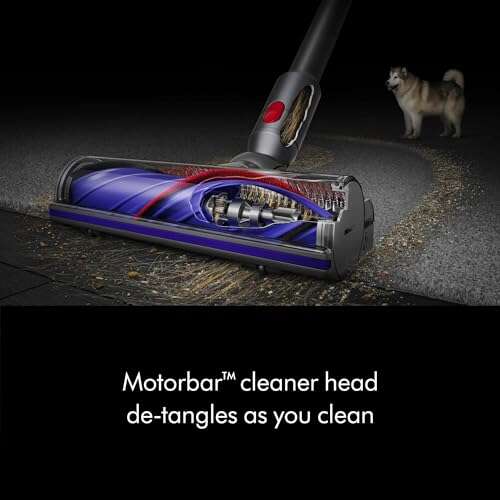
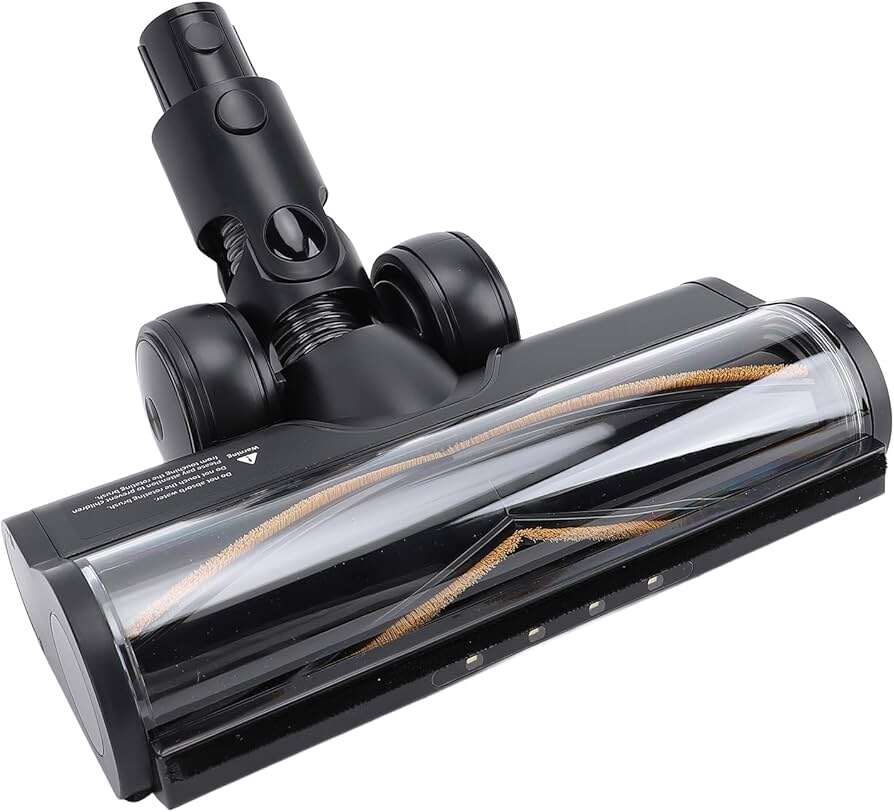
A brush that does not touch the floor reduces cleaning power. Common causes are worn or broken belts, jammed brush rolls, incorrect height settings, and broken brush housings. Some models use a motorized brush while others use a belt. Faulty belts and jammed hair are the top two issues I see most. Knowing the root cause lets you pick the right fix fast.

How to repair vacuum cleaner brush not touching floor: Step-by-step guide
Follow these steps in order. Work safely and unplug the vacuum before any repair.
- Inspect the brush roll
- Lay the vacuum on its back. Remove the soleplate if needed. Look for hair and debris wrapped around the brush.
- Spin the brush by hand. It should turn freely. If it does not, clear debris and check bearings.
- Check the belt
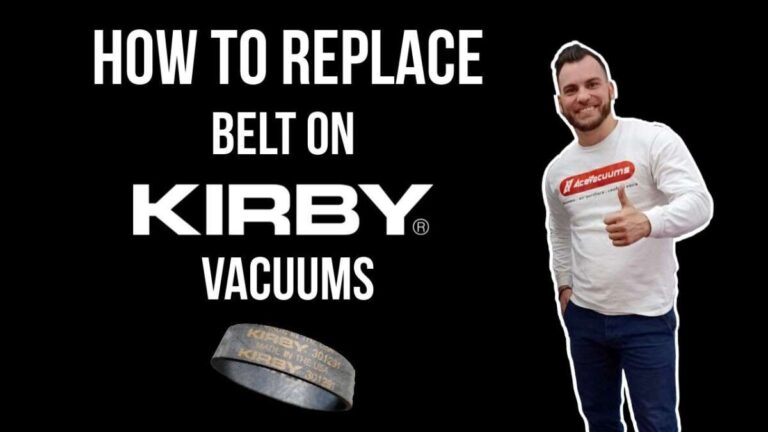
- Remove the brush. Inspect the belt for cracks, stretch, or missing teeth.
- A loose or broken belt will prevent the brush from spinning and can lift the brush away from the floor.
- Test the height adjustment
- Set the vacuum to the lowest height. If a wheel or foot is stuck in the raised position, adjust the lever or mechanism.
- Some vacuums have an automatic carpet sensing switch. Check that it moves freely.
- Inspect bearings and end caps
- Worn bearings cause wobble and lift. Remove end caps and feel for play in the brush axle.
- Replace bearings or end caps if they look worn or don’t let the brush spin smoothly.
- Check the brush motor (if motorized)
- If the brush is motor-driven, test the motor by running the vacuum briefly with the soleplate off.
- If the motor hums but the brush doesn’t turn, the drive coupling or gearbox may be faulty.
- Reassemble and test
- Refit the brush and belt correctly. Ensure the belt path matches the guide on the housing.
- Plug in and test on a hard floor. The brush should touch and spin.
This order helps you find the easiest fixes first. If the belt or bearings are old, replacement parts are inexpensive and usually simple to install.
Tools and parts you’ll often need
Keeping the right tools speeds the repair. Most jobs use common items.
- Philips and flathead screwdrivers
- For removing the soleplate and screws.
- Needle-nose pliers
- For pulling out hair-wrapped debris and removing small clips.
- Replacement belt
- Match model number or measure the old belt.
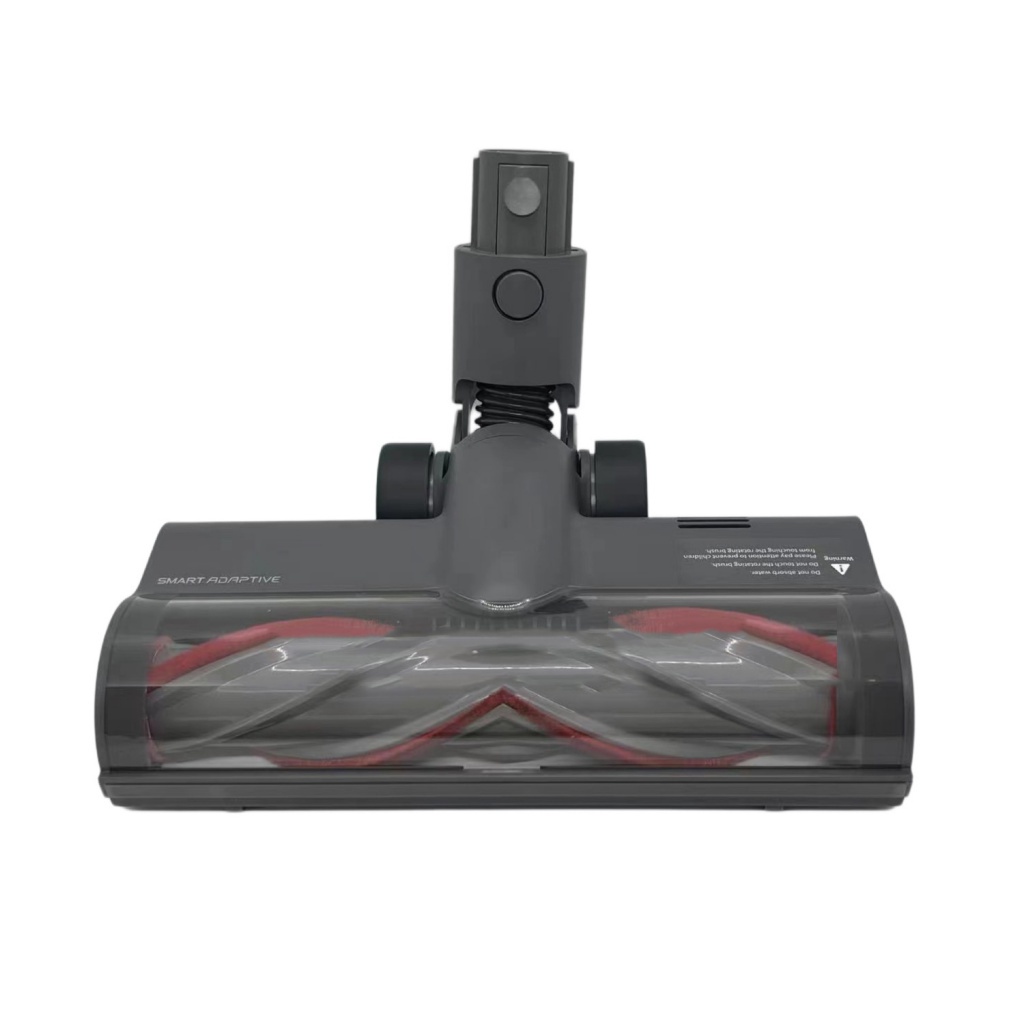
- Replacement brush roll or end caps
- Buy the correct size for your model.
- Rag and rubbing alcohol
– For cleaning sticky residues. - Small brush or comb
- To remove hair and lint.
Having parts on hand saves time. I keep a small kit with belts and end caps for the brands I repair most often.

Common fixes and quick checks
These fast checks often solve the problem.
- Remove hair and thread
- Hair pulls cause the brush to lock or sit too high. Cut and pull cleanly.
- Replace the belt
- A stretched belt won’t hold the brush down. Replace every 6–12 months with heavy use.
- Reset height and wheels
- Wipe the adjustment lever and lubricate if sticky. Make sure all wheels are on the same setting.
- Tighten or replace the brush housing
- Cracked housing can change brush alignment.
- Clean or replace bearings
- Bearings that bind lift the brush. Replace the end caps if bearings are sealed.
These checks are quick. They often restore suction and scrub power in minutes.
Troubleshooting specific symptoms
Match the symptom to the likely cause.
- Brush spins but barely touches floor
- Likely height setting or worn wheels.
- Brush won’t spin at all
- Likely broken or slipped belt, jam, or motor problem.
- Brush spins slowly
- Belt slipping, worn teeth, or motor weakening.
- Brush wobbles and misses the floor
- Bent or worn axle, bad bearings, or broken end caps.
Use these as a checklist during diagnosis. They make repairs faster and more accurate.

Preventive maintenance to avoid future issues
A small routine saves time and money.
- Clean the brush roll weekly if you have pets.
- Check the belt every month for wear.
- Empty the dust bin or change bags often.
- Inspect wheels and height levers for smooth movement.
- Replace worn parts proactively, not just after failure.
I once ignored a slight wobble and lost a brush motor. After that, I started quick weekly checks. It cut big repairs by more than half.
When to call a professional
Some faults need a technician.
- Electrical faults or burned motors
- If the motor smokes or smells burnt, stop and call a pro.
- Complex gearboxes
- Some designs hide gear drives that are hard to service.
- Parts discontinued
- If parts aren’t made anymore, a shop can recommend compatible solutions.
If you try basic fixes and the brush still won’t touch the floor, a pro can do a safe diagnosis and repair.

People also ask
Why is my vacuum brush not touching the floor?
A worn belt, jammed brush roll, or wrong height setting usually causes it. Start with a visual inspection and clear any hair or debris.
Can I fix a broken vacuum belt myself?
Yes. Replacing a belt is a common DIY job. Make sure you buy the correct belt and follow the belt path in the housing.
How often should I replace the brush roll?
Replace if bristles are worn flat or the roll is cracked. For heavy use, inspect every 6 months and replace yearly if needed.
Will a clogged vacuum cause the brush to lift?
Clogs reduce suction but don't usually change brush position. However, a clogged soleplate can create drag and affect brush performance.
Is it safe to run the vacuum with the soleplate off to test the brush?
Yes, briefly and carefully. Keep fingers and tools away from the spinning brush. Unplug before doing repairs.
Frequently Asked Questions of how to repair vacuum cleaner brush not touching floor
What is the first thing I should check?
Start with the brush roll for hair and debris. Remove any tangles and spin the roll by hand to check for free movement.
How do I know if the belt is bad?
A bad belt looks cracked, stretched, or misshapen. If it slips or won’t hold tension, replace it.
Can I use any belt as a replacement?
No. Use a belt matched to your model for size and teeth. The correct belt ensures proper brush pressure and rotation.
My brush motor hums but doesn’t turn. What now?
This often means the drive coupling or belt is broken. Inspect the belt and coupling, and replace the damaged part.
How long will a repair take?
Simple cleaning and belt swaps take 15–45 minutes. More complex fixes like motor or gearbox work can take 1–2 hours or require a shop visit.
Conclusion
You can fix most cases of how to repair vacuum cleaner brush not touching floor with simple tools and a clear process. Start by cleaning the brush, check the belt, confirm height settings, and inspect bearings. If repairs feel beyond your skill, seek a trusted technician. Try the steps above today and bring back full cleaning power — and leave a comment with your model if you want model-specific tips.

Liora Pennings is a seasoned chef and kitchen enthusiast with a passion for turning everyday cooking into an effortless experience. With years of hands-on culinary expertise, she specializes in practical techniques, ingredient know-how, and smart kitchen solutions that help home cooks elevate their meals. At KitchFlair.com, Liora shares her best tips, time-saving tricks, and honest product reviews to guide readers toward a more efficient, enjoyable, and inspired cooking routine. Whether you’re a beginner or a seasoned home chef, Liora’s friendly, knowledge-packed insights make every visit to the kitchen a little easier—and a lot more delicious.