How To Repair Vacuum Cleaner Nozzle Clogging Frequently: Fix
Clear the nozzle, remove debris, and replace worn parts to prevent repeated clogging.
I’ve repaired hundreds of vacuums and seen the same nozzle clog pattern again and again. This guide breaks down how to repair vacuum cleaner nozzle clogging frequently with clear steps, proven tips, and real-world fixes. You’ll get simple diagnostics, safe tools, step-by-step cleaning and repair, and long-term prevention so the nozzle stops blocking your suction over and over. Read on for practical, tested advice that works on upright, canister, and stick vacuums.
Why vacuum nozzles clog often and what it means
Nozzle clogging is when dirt, hair, or debris builds up in the nozzle or the airway and cuts suction. It is a common problem. Small items, string, pet hair, and dense dust can form a plug. Poor airflow then causes the motor to work harder. Repeated clogs usually point to a pattern, not random chance.
Common causes
- Long hair and pet fur that wrap around the brush or get pushed into the nozzle.
- Large debris like cereal, coins, or small toys lodged in the throat.
- Narrow hoses, bends, or creased tubing that trap matter.
- Worn brush rolls or seals that let debris bypass filters and pile up.
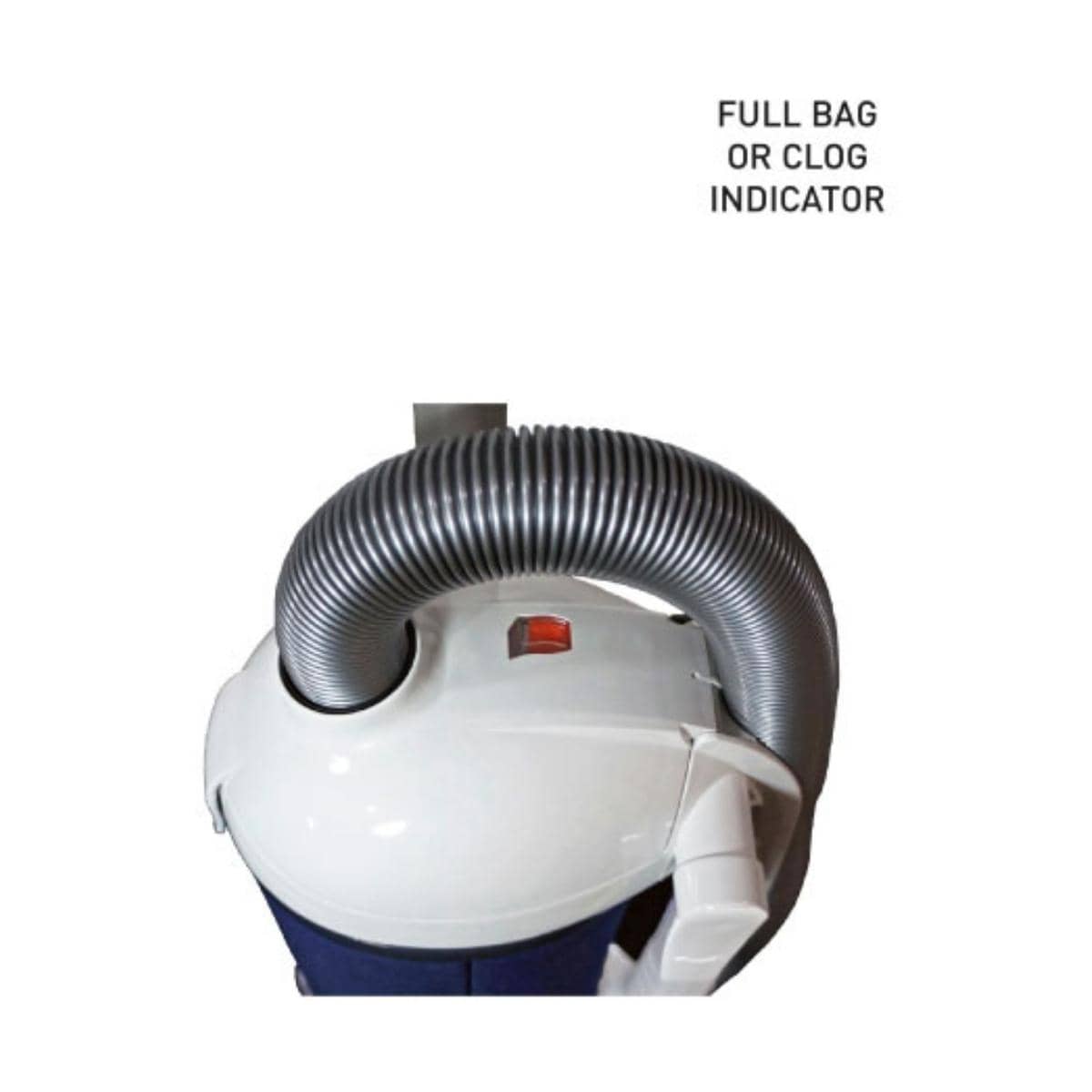
- Clogged filters or full dust bins that reduce air velocity and encourage block formation.
Why repeated clogs happen
- Skipping maintenance lets small build-ups become stubborn blockages.
- Using the wrong nozzle for thick rugs or wet spills pushes debris deeper.
- Faulty seals or cracked hoses let dust bypass filters and collect in the nozzle.
- Overloading the dust bin reduces suction and makes clogs more likely.
If you want to fix how to repair vacuum cleaner nozzle clogging frequently, start by spotting where the build-up starts and whether it repeats after the same task. My experience shows most frequent clogs come from hair or long fibers wrapping around moving parts.
Quick answers some users ask
Why does the nozzle clog more on rugs?
Rugs trap long fibers. The brush roll moves those fibers into the mouth. That increases the chance of tangles and blockages.
Can filter problems cause nozzle clogging?
Yes. A dirty filter lowers airflow. Lower airflow makes debris settle in the nozzle instead of being carried into the dust bin.
Is a bent hose a common hidden cause?
Yes. Bends and kinks reduce flow and create pockets where debris lodges.
Tools and safety before you start
Work safely. Unplug the vacuum. If battery powered, remove the battery. Wear gloves and eye protection when needed. Have these tools ready:
- Flathead and Phillips screwdrivers for opening casing.
- Needle-nose pliers for pulling hair and threads.
- Long flexible brush or pipe cleaner to clear deep sections.
- Soft brush or cloth for wiping seals and housing.
- Replacement parts: hoses, seals, brush roll, belt, and filters if worn.
Safety tips
- Always power off and disconnect before disassembly.
- Note where screws and parts fit. Take photos if unsure.
- Avoid sharp tools that can tear hoses or cut wiring.

Step-by-step: how to repair vacuum cleaner nozzle clogging frequently
Follow these steps. They cover basic to advanced fixes. Move from simple to complex. Test after each step so you know what solved the issue.
-
Basic check and cleaning
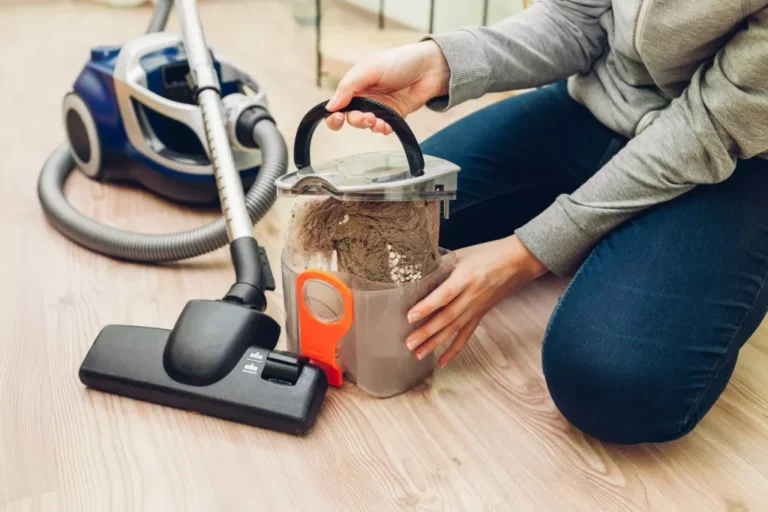
1. Unplug or remove the battery.- Empty the dust bin and clean or replace the filter.
- Inspect the nozzle opening and throat with a flashlight.
- Remove visible debris by hand or with pliers.
- Run the vacuum briefly to check if suction returns.
-
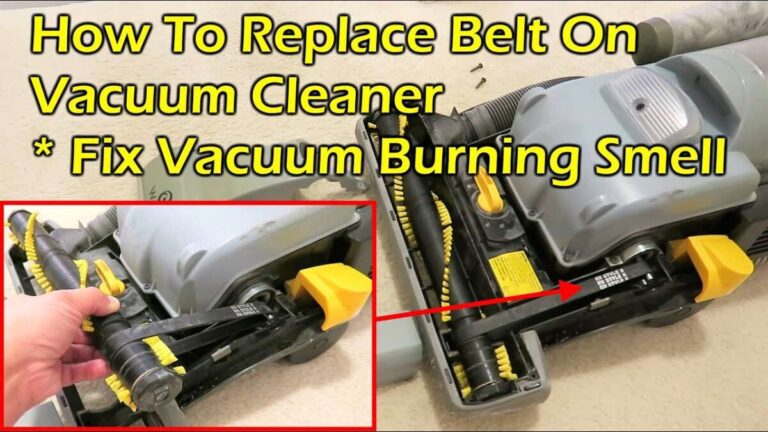
Brush roll and belt
- Remove the brush cover per your model’s manual.
- Cut away hair wrapped around the brush with scissors and pull it out with pliers.
- Check the belt for cracks or slack. Replace if loose or damaged.
- Reinstall parts and test.
-
Hose and airway clearing
- Detach the hose from both ends.
- Use a long brush or flexible rod to push debris out from the nozzle side toward the bin.
- If the hose is detachable, use a wet cloth and mild soap to clean interior. Let dry completely.
- Check for collapsed sections or sharp bends and replace if needed.
-
Inspect seals and gaskets
- Look for cracks around nozzle joints, hose cuffs, and filter housings.
- Replace brittle or torn seals to restore good suction.
- Reassemble and test to see if clogs stop.
-
When parts are blocked but not visible
- Open the mid-body panels carefully.
- Follow the airflow path and remove trapped debris.
- Check the transition tube from nozzle to cyclone for lodged items.
-
Replace faulty components
- If the nozzle repeatedly clogs despite cleaning, replace the nozzle or the entire intake tube.
- Consider upgrading to a wider or differently shaped nozzle if your cleaning pattern demands it.
I often found that replacing a worn belt and a split seal cured repeat clogs. Small parts can cause big problems. Test the vacuum after each repair. If it clogs again, continue to the next step.
Preventing repeated nozzle clogs
Prevention saves time and money. Use these practical habits.
Routine maintenance checklist
- Empty the bin after every heavy use or at least weekly.
- Clean filters per the manufacturer schedule. Replace when worn.
- Remove hair from the brush roll weekly if you have pets.
- Straighten hoses and avoid tight coils when storing.
- Use nozzle attachments for debris types: wide nozzle for large debris, crevice tool for tight spots.
Behavioral tips
- Pick up large items and strings before vacuuming.
- Use lower-suction tools on shag rugs or delicate fabrics.
- Run a high-suction pass only after clearing visible debris.
Benefits of prevention
- Less time clearing stubborn blockages.
- Lower repair costs.
- Longer vacuum motor life and better suction.
From personal experience, a 2-minute brush-roll check after each use cut my nozzle clogs by over half. Small consistent actions add up.

Troubleshooting advanced issues and when to seek help
If you still ask how to repair vacuum cleaner nozzle clogging frequently after cleaning, try these diagnostics.
Bad motor or weak suction
- Test suction at the hose inlet. If weak with a clean filter, the motor or blower may be failing.
- Strange noises or burning smell signal a motor or belt issue. Stop use and inspect.
Hidden obstructions
- Remove the dust separator or cyclone if serviceable. Debris can pack in hard-to-see places.
- Use a borescope camera if available to inspect deep bends.
Electrical or design faults
- A clogged nozzle that returns quickly after a short use may indicate a design mismatch. Some nozzles force debris into narrow turns.
- Consider aftermarket nozzles designed for pet hair or dense debris.
When to call a pro
- Motor hums but does not spin properly.
- Internal wiring looks burnt.
- Major plastic fractures around the intake path.
If you are unsure, professional repair avoids further damage. I recommend replacing parts only when confident of fit and function.
Frequently Asked Questions of how to repair vacuum cleaner nozzle clogging frequently
What is the quickest way to fix a clogged vacuum nozzle?
Unplug the vacuum, empty the dust bin, and remove visible debris from the nozzle and brush roll. Replace or clean the filter, then test suction.
How often should I clean the brush roll to prevent clogs?
For homes with pets or long hair, clean the brush roll once a week. In low-use homes, clean every 2–4 weeks.
Can a clogged filter cause repeated nozzle clogs?
Yes. A clogged filter reduces airflow and makes debris settle in the nozzle instead of being carried into the dust bin.
Is it safe to use tools like coat hangers to clear the hose?
No. Sharp tools can tear hoses and damage internal parts. Use flexible brushes or a long soft rod.
When should I replace the nozzle instead of repairing it?
Replace the nozzle when cracks, worn seals, or repeated blockages persist after cleaning. Also replace if the nozzle design is unsuitable for your cleaning needs.
Conclusion
You can significantly reduce how to repair vacuum cleaner nozzle clogging frequently by following simple diagnostics, regular cleaning, and replacing worn parts when needed. Start with the basics: clean the bin and filters, clear hair from the brush roll, and inspect hoses for kinks. If the problem continues, inspect seals, belts, and the airflow path or consult a pro. Take one small maintenance habit and stick with it this week—your vacuum will thank you with stronger suction and fewer clogs. Try the steps above, share your experience, or ask a question below to get personalized help.

Liora Pennings is a seasoned chef and kitchen enthusiast with a passion for turning everyday cooking into an effortless experience. With years of hands-on culinary expertise, she specializes in practical techniques, ingredient know-how, and smart kitchen solutions that help home cooks elevate their meals. At KitchFlair.com, Liora shares her best tips, time-saving tricks, and honest product reviews to guide readers toward a more efficient, enjoyable, and inspired cooking routine. Whether you’re a beginner or a seasoned home chef, Liora’s friendly, knowledge-packed insights make every visit to the kitchen a little easier—and a lot more delicious.