How To Keep Coffee Maker Clean From Insects: Simple Tips
Keep your coffee maker insect-free with regular cleaning, sealing, and safe natural repellents.
I’ve cleaned dozens of kitchen gadgets and fixed insect problems in homes and cafes. This guide on how to keep coffee maker clean from insects explains why bugs invade coffee makers, step-by-step cleaning plans, prevention routines, and safe products to use. Read on to protect your coffee, your health, and your machine with simple, tested methods.
Why insects get into coffee makers and what’s at risk
Insects find coffee makers attractive. Warm, damp spaces and leftover grounds provide food and moisture. Tiny crevices in reservoirs and filters hide eggs and larvae.
Pests can bring bacteria. They can foul filters and drip trays. A friendly cup of coffee can become unsanitary if you ignore the problem.
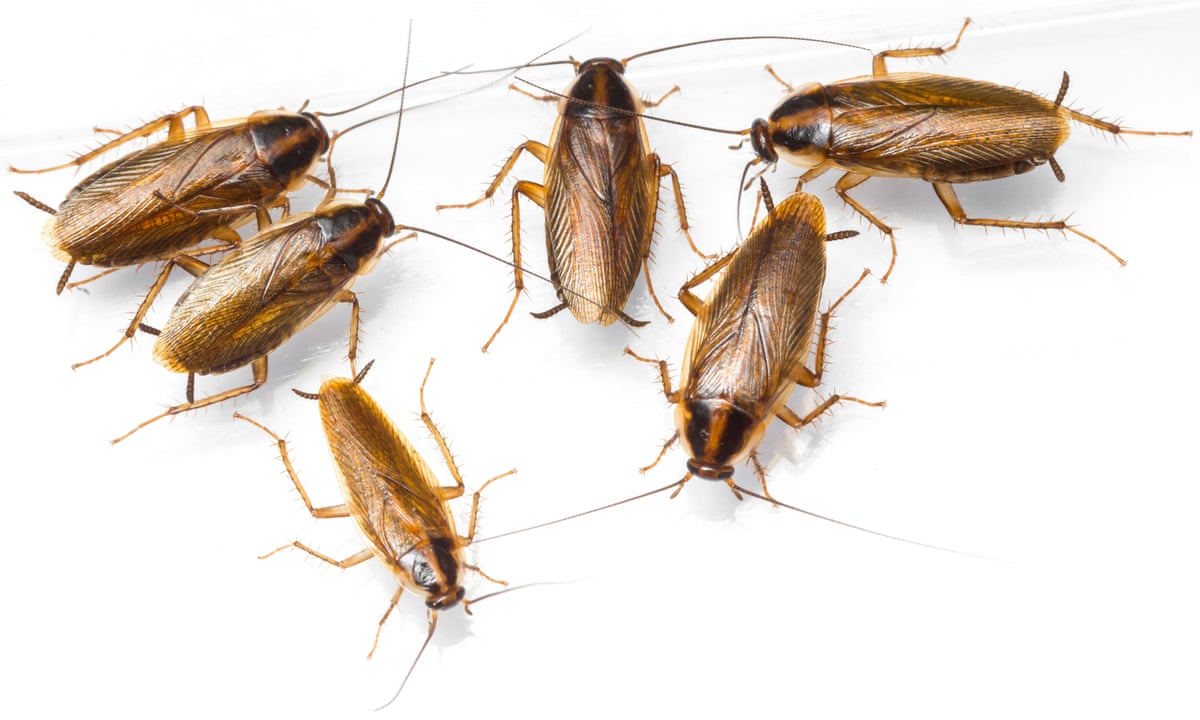
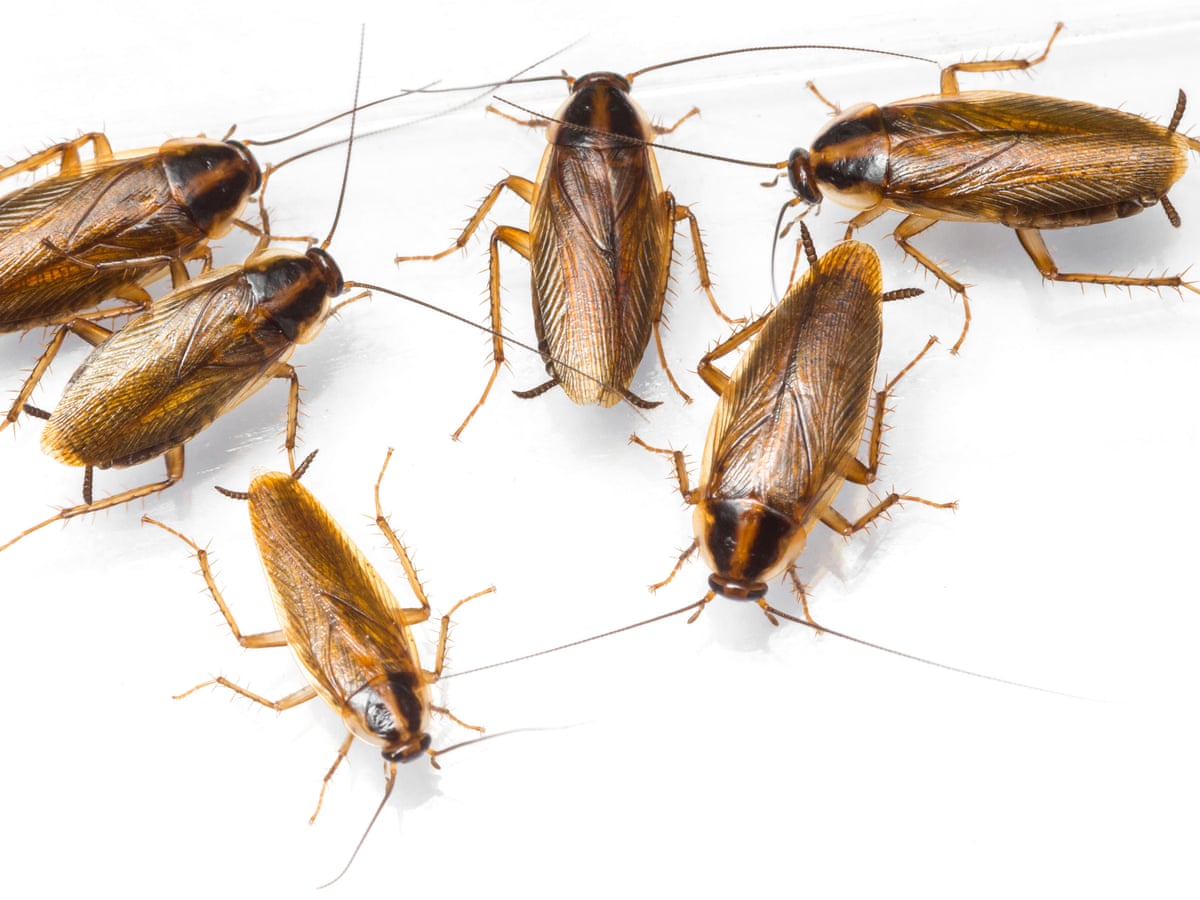
Common invaders include ants, fruit flies, drain flies, cockroaches, and occasionally pantry moths. Knowing which pest you face helps you remove it and prevent its return. Understanding this is the first step in learning how to keep coffee maker clean from insects.
Daily and weekly habits to prevent pests
Small habits stop bugs fast. A short routine keeps your machine fresh and dry.
Daily
- Empty used grounds into a sealed bin right away. This removes the main food source.
- Rinse the carafe and filter basket after each use. Dry them with a cloth or air-dry on a rack.
- Wipe the warming plate and exterior surfaces with a damp cloth to remove spills.
Weekly
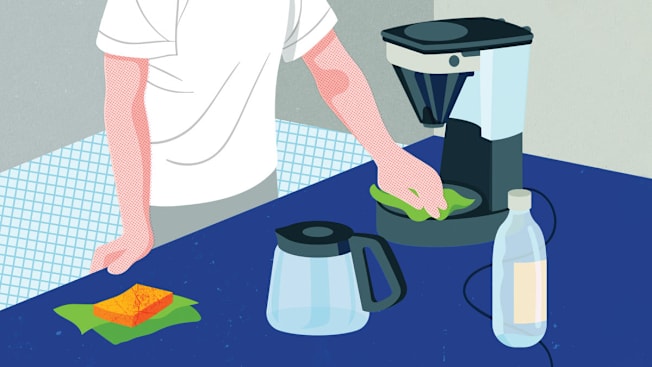
- Clean the water reservoir, lid, and removable parts with warm soapy water. Rinse thoroughly.
- Inspect seals and hard-to-reach areas with a flashlight and a soft brush. Remove any trapped debris.
- Run a vinegar or citric-acid cycle monthly to remove residue and discourage tiny pests.
These habits form the backbone of how to keep coffee maker clean from insects. They take minutes and cut infestations early.
Deep-clean steps by coffee maker type
Different machines need different care. Follow steps for your model to remove pests and eggs.
Drip coffee makers
- Unplug and disassemble removable parts. Wash carafe, filter basket, and lid in warm soapy water.
- Mix one part white vinegar to two parts water. Run a brew cycle with the mix, then run two cycles with clean water to rinse.
- Scrub the spray head and reservoir with a soft brush to remove film where insects hide.
Single-serve pod brewers
- Remove and wash the drip tray and pod holder daily. Use a pipe cleaner or soft brush in the needle holes.
- Run a descale cycle per the maker’s instructions using citric acid or descaler.
- Let the pod area dry fully before closing the lid.
Espresso machines and portafilters
- Backflush as recommended with a proper detergent. Remove and soak portafilter parts.
- Clean steam wands after each use and purge with hot water to avoid milk residue that attracts pests.
- Descale internal plumbing when mineral build-up appears. Dry removable parts after cleaning.
French press and manual brewers
- Empty grounds and rinse immediately. Disassemble plunger components on wash days.
- Soak metal filters in warm soapy water and scrub with a soft brush.
- Air dry fully before reassembly to prevent mold and insect attraction.
Following specific steps helps you learn how to keep coffee maker clean from insects for any model you own.
Safe cleaners and natural repellents
Use safe products to clean and repel bugs. Harsh chemicals can damage machines and affect flavor.
Safe cleaners
- White vinegar: a mild descaler and disinfectant. Works well for reservoirs and brew cycles.
- Citric acid: effective descaler with less odor. Use as directed for internal cleaning.
- Mild dish soap: for washable parts only. Rinse well to remove residue.
Natural repellents
- Bay leaves: place a few near storage areas to deter pantry insects.
- Essential oils (peppermint, eucalyptus): a few drops on cotton balls in cabinets can repel ants and flies. Keep oils away from the machine’s interior.
- Dryer sheets: placed near the coffee station can reduce flying insects. Replace weekly.
Avoid spraying insecticides near the water reservoir or any part that contacts coffee. This keeps your drinks safe and your machine intact.
How to inspect, fix, and seal problem areas
Sealing entry points stops return visits. A good inspection finds hiding spots.
Inspection steps
- Turn off and unplug the machine. Shine a flashlight into reservoirs, crevices, and under the warming plate.
- Remove and examine rubber seals, gaskets, and drip trays. Look for tiny eggs, webbing, or droppings.
- Smell for musty or sour odors that indicate mold or decay.
Fix and seal
- Replace torn gaskets or cracked parts that trap moisture. Many parts are inexpensive.
- Use food-safe silicone sealant where small cracks let insects enter. Apply only as directed and let cure fully.
- Store coffee beans and grounds in airtight containers. Keep the coffee area dry and clutter-free.
These steps show practical ways to keep insects out and teach you how to keep coffee maker clean from insects long term.

Signs of infestation and how to respond quickly
Spot signs early to avoid big cleanups. Quick action limits damage.
Common signs
- Live ants or flies near the machine. Small crawling bugs inside the reservoir or filter area.
- Unpleasant odors or slimy film on parts. Coffee that tastes odd or stale.
- Increased pests in nearby pantries or trash bins.
Quick response
- Stop using the machine until cleaned. Empty grounds and rinse all removable parts.
- Deep-clean per your machine type. Run a vinegar or descaler cycle and repeat rinses.
- Treat nearby pantry areas: seal food, take out trash, and clean counters to remove attractants.
Reacting quickly prevents eggs from hatching and reduces the chance of full infestation. This is central to effective how to keep coffee maker clean from insects action.
Personal tips, mistakes to avoid, and lessons learned
I’ve cleaned café machines and home units. Small mistakes often let bugs return.
Tips that helped me
- Label a simple weekly cleaning checklist and stick it on the cabinet. It keeps routines consistent.
- Use a small toothbrush for crevices. It reaches spots kitchen sponges miss.
- Keep a spare set of parts for backup. That way you can deep clean without losing a morning’s brew.
Common mistakes
- Letting grounds sit in the basket overnight. This invites flies and mold.
- Using harsh chemicals inside reservoirs. They can corrode parts and taint coffee.
- Not drying parts fully. Moisture breeds both mold and insects.
These lessons form a practical playbook for how to keep coffee maker clean from insects. They saved me time and headaches.
PAA-style quick questions
What attracts insects to coffee makers?
Insects seek food, moisture, and warmth. Leftover grounds, damp reservoirs, and sticky spills are common attractants.
Can I use bleach to clean my coffee maker?
Avoid bleach inside coffee reservoirs or parts that touch coffee. It can leave harmful residues and damage seals.
How often should I deep-clean my coffee maker?
Aim for a monthly descaling and weekly washing of removable parts. Increase frequency if you see pests or odors.
Does storing coffee properly help prevent infestations?
Yes. Airtight containers and cool, dry storage cut access to food sources and reduce pest problems.
Are essential oils safe near coffee makers?
They repel some pests but should stay away from internal parts. Place oils on cotton outside the machine area.
Frequently Asked Questions of how to keep coffee maker clean from insects
How do I stop ants from getting into my coffee maker?
Keep grounds sealed and wipe the area daily. Seal cracks around countertops and use a line of food-safe deterrent like cinnamon to break ant trails.
Can fruit flies lay eggs inside a coffee maker?
Yes. Fruit flies can lay eggs near moist grounds and residue. Deep cleaning and removing organic waste quickly prevents their breeding.
Is vinegar safe for all coffee makers?
Vinegar is safe for many machines but check your manual. Some manufacturers recommend specific descalers to protect internal parts.
How do I clean the tiny holes in a drip head or needle?
Use a thin brush, a toothpick, or a needle-cleaning tool to dislodge debris. Run a rinse cycle afterward to flush particles out.
What if I find cockroach droppings or eggs?
Stop using the machine. Wear gloves, deep-clean all parts, and consider professional pest control if the infestation is heavy. Replace damaged seals and parts as needed.
Conclusion
Keeping your coffee maker clean from insects is about regular care, smart storage, and timely repair. Use daily wipes, weekly washes, and monthly descaling. Seal food and machine gaps, and act fast if you spot pests.
Take one simple step today: empty grounds after each brew and set a weekly wash task. Your coffee will taste better, and your machine will last longer. Try these tips, leave a comment with your experience, or subscribe for more kitchen care guides.

Liora Pennings is a seasoned chef and kitchen enthusiast with a passion for turning everyday cooking into an effortless experience. With years of hands-on culinary expertise, she specializes in practical techniques, ingredient know-how, and smart kitchen solutions that help home cooks elevate their meals. At KitchFlair.com, Liora shares her best tips, time-saving tricks, and honest product reviews to guide readers toward a more efficient, enjoyable, and inspired cooking routine. Whether you’re a beginner or a seasoned home chef, Liora’s friendly, knowledge-packed insights make every visit to the kitchen a little easier—and a lot more delicious.