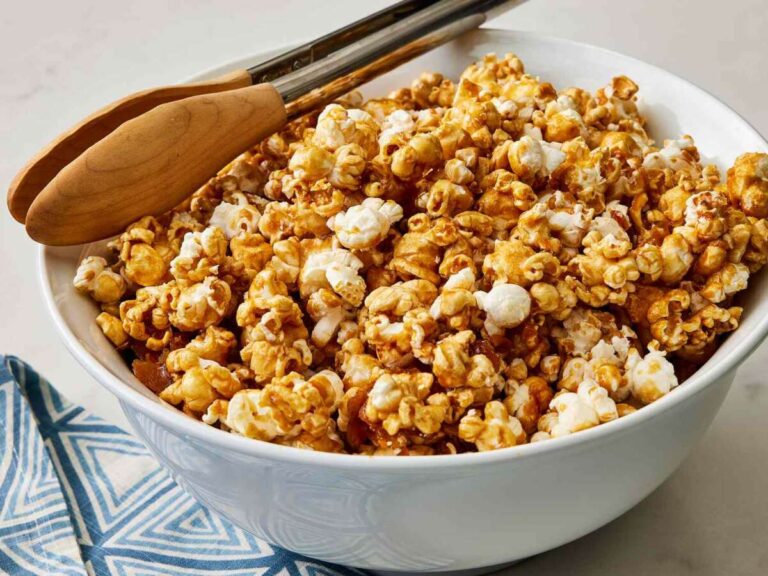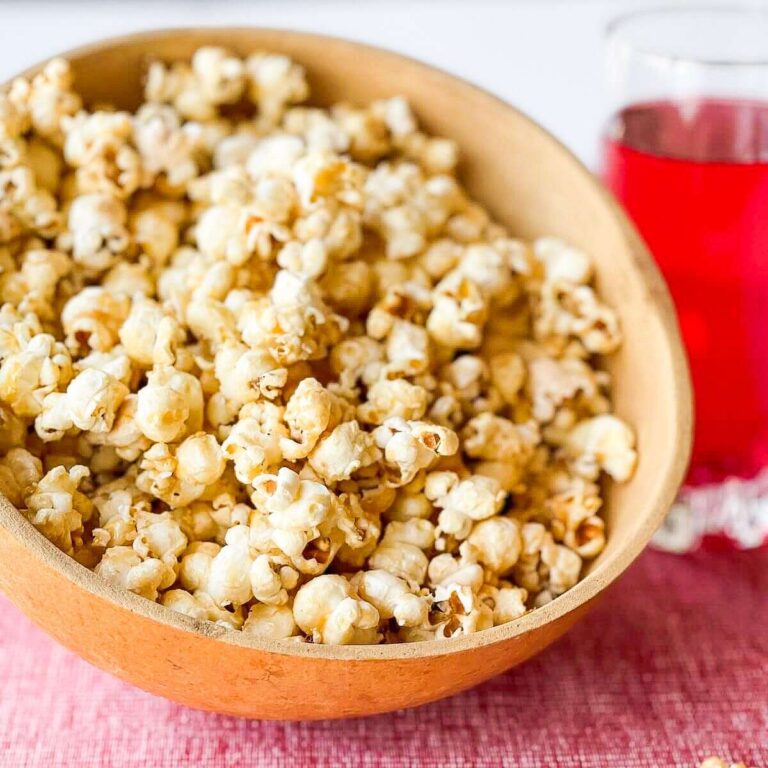
How To Make Popcorn Seasoning: Easy DIY Recipes
Make popcorn seasoning with fine spices, salt, and a little powdered flavor for a tasty coating that sticks well.
Learning how to make popcorn seasoning is simple, affordable, and far more flexible than buying ready-made blends. With the right balance of salt, herbs, spices, cheese powder, or sugar, you can create movie-theater butter, smoky barbecue, ranch, cinnamon sugar, and many other flavors at home.
Why Make Homemade Popcorn Seasoning?
Homemade popcorn seasoning gives you control over every ingredient. You can lower the salt, skip artificial colors, avoid allergens, or create a blend that matches your taste.
Store-bought popcorn flavorings may contain large amounts of sodium, added sugar, or flavor enhancers. Making your own blend lets you use simple pantry items and adjust each batch with ease.
Learning how to make popcorn seasoning also saves money. A small jar of spices can flavor many bowls, while a prepared shaker may cost much more.
It is also a fun way to serve popcorn for movie nights, parties, school events, or quick snacks. Think of popcorn as a blank canvas. Your seasoning is the paint.
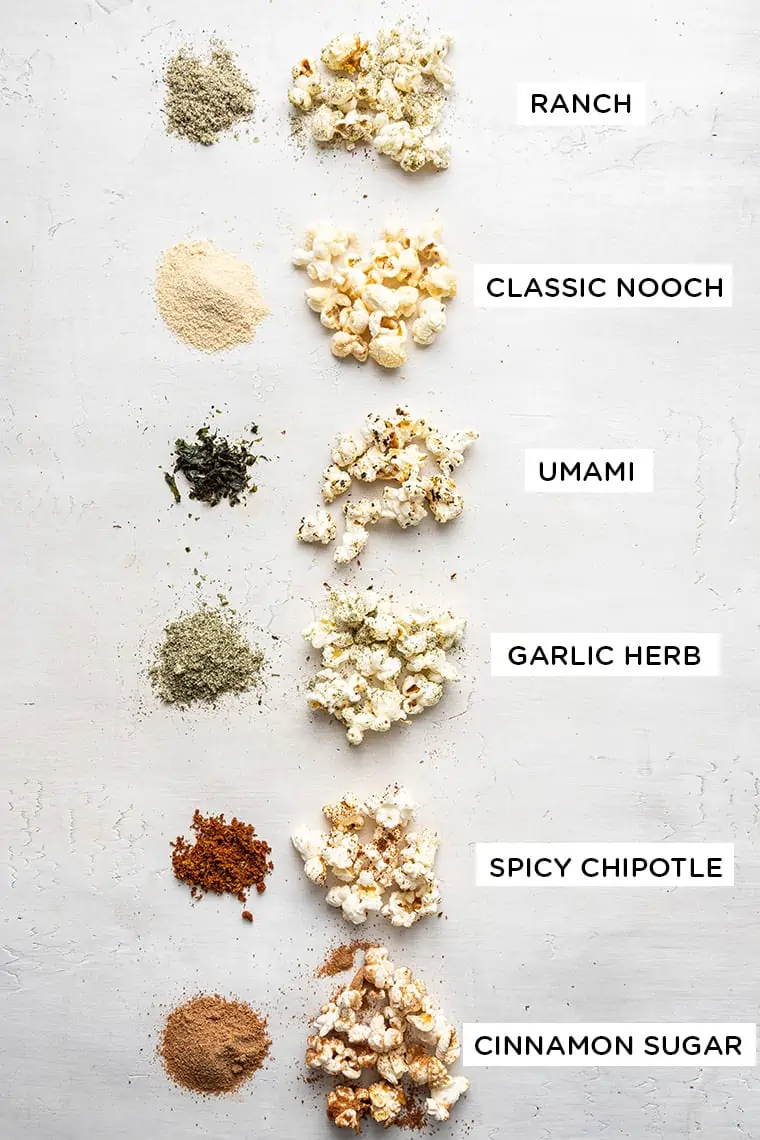
The Basic Popcorn Seasoning Formula
A good popcorn seasoning needs three things: flavor, balance, and a way to stick to the kernels. Fine ingredients work best because large herbs and coarse salt often fall to the bottom of the bowl.
Use this simple formula as a starting point:
• 2 tablespoons of fine salt or a salt substitute
• 1 tablespoon of powdered flavor, such as cheese powder or nutritional yeast
• 1 teaspoon of spice, such as paprika, garlic powder, or chili powder
• ½ teaspoon of sugar for balance, if desired
• ¼ teaspoon of black pepper or another strong spice
Mix the ingredients in a small bowl. For an extra-smooth popcorn seasoning, pulse the blend in a spice grinder for a few seconds.
When learning how to make popcorn seasoning, remember that less is often better. Add a small amount first, toss the popcorn, and taste it before adding more.

Ingredients That Work Best
Fine salt
Fine salt spreads more evenly than coarse salt. Popcorn salt is especially useful because its tiny grains cling to the surface.
Table salt can work, but add it slowly. Some brands taste sharper or saltier than others.
Powdered spices
Powdered spices coat popcorn better than whole spices. Try:
• Garlic powder
• Onion powder
• Smoked paprika
• Chili powder
• Ground cumin
• Ground black pepper
• Cayenne pepper
• Ground cinnamon
Avoid garlic salt when a recipe already contains salt. It is easy to make the blend too salty.
Powdered cheese and nutritional yeast
Cheese powder creates a classic savory flavor. Nutritional yeast adds a mild, nutty taste and works well for dairy-free popcorn.
These ingredients also add body to the blend. They make the seasoning feel richer without requiring much butter.
Sugar and sweet powders
Powdered sugar, brown sugar, cinnamon, and cocoa powder work well for dessert popcorn. Regular granulated sugar may feel gritty, so grind it first if possible.
Sugar can burn if added before cooking. Add sweet seasoning after the popcorn is popped.

How to Make Popcorn Seasoning: Five Easy Recipes
These recipes make about ¼ cup of seasoning. You can double them for a larger jar.
Classic movie-theater seasoning
Combine:
• 2 tablespoons of fine salt
• 1 tablespoon of powdered butter flavor or cheese powder
• 1 teaspoon of nutritional yeast
• ½ teaspoon of garlic powder
• ¼ teaspoon of turmeric for color, if desired
This blend tastes best with melted butter or a light oil spray. Turmeric adds a golden color, but it has a strong stain, so use only a small amount.
Cheddar garlic seasoning
Combine:
• 2 tablespoons of cheddar cheese powder
• 1 tablespoon of nutritional yeast
• 1 teaspoon of garlic powder
• ½ teaspoon of onion powder
• ¼ teaspoon of fine salt
This is one of my favorite blends for family movie nights. I once used too much garlic powder in a test batch, and it covered the cheese flavor. Start with less garlic and build slowly.
Smoky barbecue seasoning
Combine:
• 1 tablespoon of smoked paprika
• 1 tablespoon of brown sugar powder
• 2 teaspoons of fine salt
• 1 teaspoon of chili powder
• ½ teaspoon of garlic powder
• ½ teaspoon of onion powder
• ¼ teaspoon of ground cumin
This blend gives popcorn a sweet, smoky taste. If you like heat, add a pinch of cayenne pepper.
Spicy chili-lime seasoning
Combine:
• 1 tablespoon of chili powder
• 2 teaspoons of fine salt
• 1 teaspoon of smoked paprika
• ½ teaspoon of garlic powder
• ½ teaspoon of cayenne pepper
• ½ teaspoon of citric acid or finely grated dried lime powder
Citric acid creates a sharp lime taste. Use very little at first because it is powerful. Fresh lime juice should not be mixed into a dry jar because moisture can cause clumping and spoilage.
Cinnamon sugar seasoning
Combine:
• 2 tablespoons of powdered sugar
• 1 tablespoon of cinnamon
• 1 teaspoon of powdered milk, optional
• ¼ teaspoon of fine salt
The small amount of salt makes the sweet flavor stand out. This blend is excellent with melted butter, coconut oil, or a light spray of neutral oil.
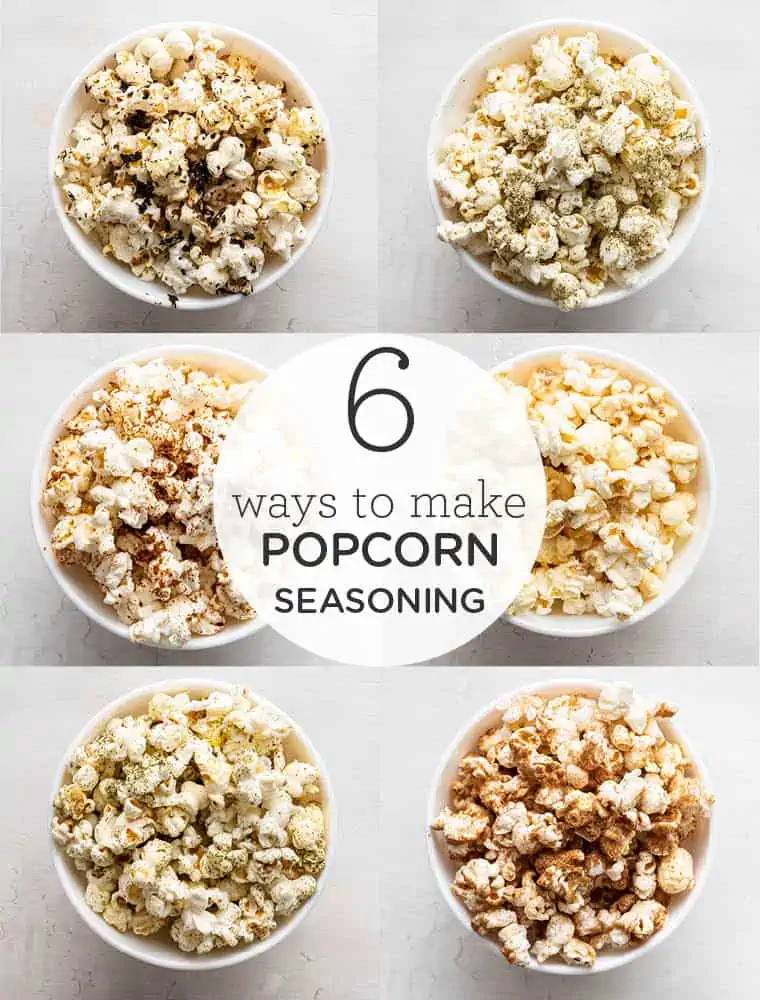
How to Make Popcorn Seasoning Stick
The best seasoning will not help if it falls to the bottom of the bowl. Popcorn has a dry, uneven surface, so it needs a light coating to hold the powder.
Use one of these methods:
• Melt 1 tablespoon of butter and drizzle it over 4 cups of popcorn.
• Spray the popcorn lightly with olive oil, avocado oil, or canola oil.
• Toss hot popcorn with 1 teaspoon of coconut oil.
• Use a fine mist of water only when eating the popcorn right away.
Butter gives the richest taste, but oil creates a lighter coating. Avoid pouring too much liquid over the popcorn. It can make the kernels soft and heavy.
The best method for how to make popcorn seasoning stick is to add the coating and seasoning in layers. Put half the popcorn in a bowl, add a little butter and seasoning, then repeat with the rest.

Step-by-Step Method
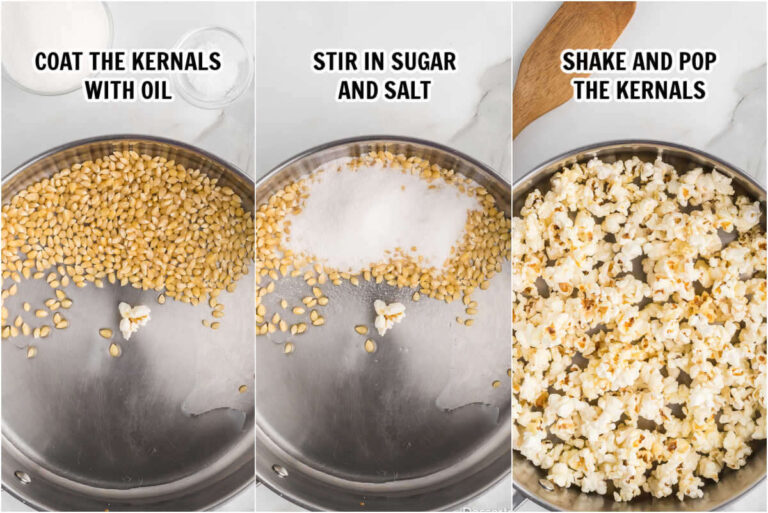
Follow these steps for an even coating:
-
Pop about 4 cups of plain popcorn.
-
Remove any unpopped kernels.
-
Place the popcorn in a large bowl with plenty of room for tossing.
-
Drizzle with 1 tablespoon of melted butter or spray lightly with oil.
-
Sprinkle 1 to 2 teaspoons of popcorn seasoning over the top.
-
Toss for 20 to 30 seconds.
-
Taste the popcorn and add more seasoning if needed.
-
Serve at once for the best texture.
Do not season only the top layer. It may look flavorful, but the bottom will taste plain. Gentle tossing spreads the coating without crushing the popcorn.
When testing how to make popcorn seasoning, I found that a large bowl makes a bigger difference than expected. A crowded bowl traps the seasoning in one spot.

How Much Seasoning Should You Use?
Start with 1 teaspoon of seasoning for every 4 cups of popped popcorn. You can use up to 2 teaspoons if the blend contains mild ingredients such as nutritional yeast or powdered cheese.
Strong ingredients need less. Cayenne, citric acid, black pepper, and cumin can quickly overpower the bowl.
Taste as you go. Popcorn flavor changes based on the type of oil, the amount of butter, and the salt in the blend.
For children, use mild spices and reduce the salt. For adults, offer small bowls of extra seasoning so each person can customize their snack.

Common Mistakes to Avoid
Using coarse ingredients
Large salt crystals and dried herb flakes do not cling well. Grind them into a fine powder or use them as a finishing garnish.
Adding seasoning before popping
Most dry spices can burn in hot oil. They may also taste bitter. Add popcorn seasoning after popping.
Making the blend too salty
Salt is hard to remove once it is mixed into popcorn. Use a small amount, taste, and add more only when needed.
Adding too much butter
Heavy butter can make popcorn soggy. Drizzle slowly and toss between additions.
Storing damp seasoning
Moisture causes clumps and may reduce shelf life. Keep fresh lime juice, fresh herbs, and wet sauces out of dry seasoning jars.
Forgetting to label the jar
Some blends look alike. Write the flavor and date on the container so you know what is inside.

How to Store Popcorn Seasoning
Store dry popcorn seasoning in a clean, airtight jar. Keep it in a cool, dark cabinet away from the stove, steam, and direct sunlight.
Most homemade dry blends taste best within 1 to 3 months. The ingredients may remain safe longer when kept dry, but spices slowly lose their aroma and strength.
Use a dry spoon every time. Never shake the jar directly over hot, buttery popcorn if steam can enter the container.
Discard the blend if it smells rancid, shows mold, has unusual moisture, or develops a strange appearance. When in doubt, make a fresh batch. Spices are inexpensive, and freshness matters more than saving a small amount.
Health and Dietary Considerations
Homemade seasoning can help you manage sodium, sugar, and allergens. However, popcorn seasoning is not automatically healthy just because it is homemade.
Cheese powder, butter powder, and flavored salt may contain considerable sodium. Read package labels when using prepared ingredients.
For a lower-sodium blend, use:
• Nutritional yeast
• Smoked paprika
• Garlic powder
• Onion powder
• Black pepper
• Dried lemon or lime powder
For dairy-free popcorn, avoid milk powder, whey, and cheese powder unless the label confirms that the product is dairy-free. Nutritional yeast can provide a savory taste, but it does not taste exactly like cheddar.
People with food allergies should check every packaged ingredient. Shared equipment can also cause cross-contact, especially with dairy, wheat, soy, or nuts.
Creative Popcorn Flavor Ideas
Once you understand how to make popcorn seasoning, you can create almost any flavor profile.
Try these combinations:
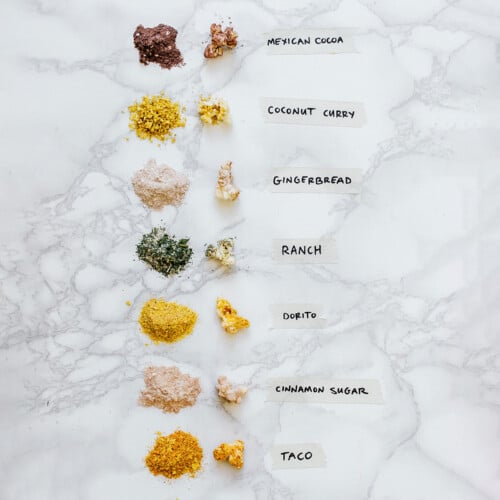
• Taco popcorn: chili powder, cumin, garlic powder, onion powder, and lime powder
• Pizza popcorn: nutritional yeast, oregano, basil, garlic powder, and tomato powder
• Dill pickle popcorn: dill, garlic powder, onion powder, and citric acid
• Buffalo popcorn: cayenne, paprika, garlic powder, onion powder, and powdered vinegar
• Curry popcorn: curry powder, turmeric, cumin, and a pinch of sugar
• Chocolate popcorn: cocoa powder, powdered sugar, cinnamon, and fine salt
• Everything-style popcorn: sesame seeds, poppy seeds, dried onion, dried garlic, and salt
Seeds and dried herbs can add texture, but they may not stick as well as powders. Use them with butter or oil, and toss the popcorn thoroughly.
How to Balance Popcorn Seasoning
A balanced blend usually includes salty, savory, sweet, spicy, sour, or smoky notes. You do not need every flavor in one recipe.
If the blend tastes flat, add a little salt or acid. If it tastes harsh, add a small amount of sugar or nutritional yeast. If it tastes too salty, mix in more unsalted powdered ingredients.
Keep notes while testing. Write down the amount of each ingredient and the number of popcorn cups used. This simple habit makes it easy to repeat a successful batch.
In my own kitchen tests, the most useful lesson was to change only one ingredient at a time. If you change three things at once, you will not know which change improved the flavor.
Frequently Asked Questions About How to Make Popcorn Seasoning
What is the best seasoning for popcorn?
The best seasoning depends on your taste. A simple blend of fine salt, garlic powder, paprika, and nutritional yeast gives popcorn a savory flavor that suits most people.
How do you get seasoning to stick to popcorn?
Lightly coat hot popcorn with melted butter or oil before adding the seasoning. Toss in layers so the coating reaches more than just the top kernels.
Can I use regular salt for popcorn seasoning?
Yes, regular table salt works well when added carefully. Fine salt spreads better, while coarse salt may fall off the popcorn and collect at the bottom of the bowl.
How long does homemade popcorn seasoning last?
A dry blend can keep its best flavor for about 1 to 3 months in an airtight container. Discard it if it becomes damp, smells strange, or shows any sign of mold.
Can I make popcorn seasoning without salt?
Yes, you can use nutritional yeast, smoked paprika, garlic powder, onion powder, herbs, and citric acid for flavor. Salt-free blends may taste less intense, so layer several savory ingredients for a fuller result.
Is popcorn seasoning gluten-free?
Many individual spices are naturally gluten-free, but packaged cheese powders, bouillon, and flavor mixes may contain gluten or have cross-contact warnings. Check the label of every prepared ingredient.
Can I use fresh lime juice in popcorn seasoning?
Fresh lime juice works on popcorn that you will eat right away, but it should not go into a dry seasoning jar. Moisture can cause clumping and shorten the blend’s shelf life.
Conclusion
Making popcorn seasoning at home is a quick way to turn plain kernels into a snack with real personality. Start with fine ingredients, add a light coating of butter or oil, and build the flavor in small steps.
Try a classic cheese blend, smoky barbecue mix, spicy chili-lime recipe, or simple cinnamon sugar topping. Keep your seasoning dry, label each jar, and adjust the salt and spice to fit your needs.
Now make a small batch, pop some fresh corn, and test your favorite flavor. Share your best popcorn seasoning combination or explore more homemade snack ideas for your next movie night.

Liora Pennings is a seasoned chef and kitchen enthusiast with a passion for turning everyday cooking into an effortless experience. With years of hands-on culinary expertise, she specializes in practical techniques, ingredient know-how, and smart kitchen solutions that help home cooks elevate their meals. At KitchFlair.com, Liora shares her best tips, time-saving tricks, and honest product reviews to guide readers toward a more efficient, enjoyable, and inspired cooking routine. Whether you’re a beginner or a seasoned home chef, Liora’s friendly, knowledge-packed insights make every visit to the kitchen a little easier—and a lot more delicious.