Best Coffee Maker For Fresh Ground Beans: Top Picks
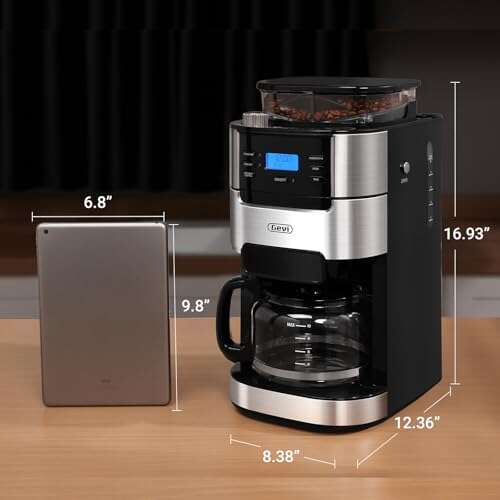
The Gevi 10-Cup Grind-and-Brew is my top pick for fresh, full-bodied coffee from whole beans.
You know that stale, flat taste from coffee that sat in a bag too long? A grind-and-brew machine fixes that by grinding whole beans just before brewing. I tested these options by looking at grinder design, brew size, controls, cleanup, and daily comfort. Whether you want one strong mug or a full carafe, this guide helps you find the best coffee maker for fresh ground beans without turning your kitchen into a science lab.
Gevi 10-Cup Grind-and-Brew Coffee Maker

The Gevi 10-Cup Grind-and-Brew Coffee Maker brings the two key steps of fresh coffee into one machine. Its built-in burr grinder prepares whole beans before the drip cycle starts. That design saves counter space and removes the need for a separate grinder. For many homes, this is the most balanced choice when shopping for the best coffee maker for fresh ground beans.
The 10-cup size suits couples, families, and small offices. I also like the simple idea behind it: add beans, add water, choose your settings, and let the machine do the work. Burr grinding usually gives a more even particle size than a basic blade grinder, which can support a smoother and more even extraction. The machine still needs regular cleaning, but that is a fair trade for fresh coffee at the press of a button.
Pros:
- Built-in burr grinder for a more even grind
- Large 10-cup brewing capacity
- Grinds whole beans right before brewing
- Saves space by combining grinder and brewer
- Useful for family kitchens and shared workspaces
- Fresh-ground and pre-ground coffee can fit different routines
Cons:
- Larger footprint than a basic drip machine
- Grinding adds noise during the brew cycle
- Needs more cleaning than a standard coffee maker
AIRMSEN 5-Cup Grind-and-Brew Coffee Maker
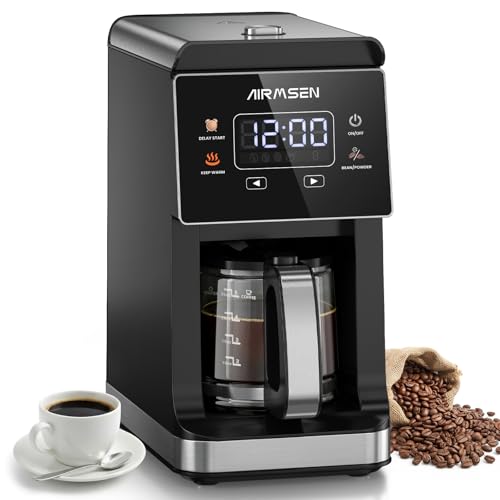
The AIRMSEN Grind & Brew is a compact option for people who do not need a large pot. Its built-in grinder handles the beans before brewing, so you can enjoy fresher coffee without placing a separate grinder beside the brewer. The five-cup format makes sense for one or two coffee drinkers. It also helps reduce waste when a full 10- or 12-cup machine feels excessive.
This model is a good fit for a small apartment, dorm room, guest room, or quiet home office. A smaller pot can also encourage better habits because you brew only what you plan to drink. As with most compact grind-and-brew machines, the water-to-coffee ratio matters, and you may need a few tries to find your favorite strength. Still, it offers a practical path to the best coffee maker for fresh ground beans when counter space and serving size matter most.
Pros:
- Compact five-cup design for smaller kitchens
- Built-in grinder supports fresh whole-bean brewing
- Good choice for one or two users
- Creates less leftover coffee than a large carafe
- Combines two appliances in one unit
- Easy size for a work desk or apartment counter
Cons:
- Five-cup capacity may feel small for a family
- Limited room for larger batch brewing
- Small parts still need careful rinsing after use
Kismile 10-Cup Drip Coffee Maker With Grinder

The Kismile 10-Cup Drip Coffee Maker adds a built-in grinder and a descaling alert to a familiar drip format. That alert is useful because mineral buildup can slow water flow and affect taste over time. You get a clear reminder to maintain the machine instead of guessing when it needs attention. For households that want fresh coffee but dislike maintenance guesswork, this feature adds real value.
The 10-cup capacity makes this model suitable for busy mornings and shared use. It can prepare enough coffee for several people without requiring repeated brew cycles. I would place it high on the list for users who want a blend of convenience, capacity, and upkeep reminders. If your tap water leaves scale on faucets or kettles, the descaling alert becomes even more helpful when choosing the best coffee maker for fresh ground beans.
Pros:
- Built-in grinder for whole-bean coffee
- Large 10-cup capacity
- Descaling alert supports regular maintenance
- Good fit for families and offices
- Drip format works well for everyday coffee
- Helps reduce the risk of forgotten mineral buildup
Cons:
- Needs counter space for the larger body
- Cleaning the grinder and brew path takes time
- The alert does not replace manual cleaning
Ninja Pods & Grounds Iced Coffee Maker

The Ninja Pods & Grounds Iced Coffee Maker takes a different approach. It does not grind whole beans inside the machine, but it accepts ground coffee and compatible pods. That makes it a flexible pick for homes where one person likes fresh-ground coffee and another prefers quick pods. It also focuses on iced coffee, so it can be a useful choice for cold drinks rather than only hot drip coffee.
You can grind beans in a separate burr grinder and use the grounds in the Ninja. This extra step means it is not the simplest choice for someone who wants an all-in-one grinder and brewer. However, the pod-and-grounds design gives it strong drink flexibility. I recommend it to shoppers who value iced coffee, single servings, and pod compatibility more than automatic bean grinding while searching for the best coffee maker for fresh ground beans.
Pros:
- Accepts both coffee grounds and compatible pods
- Useful for iced coffee drinks
- Flexible choice for mixed household preferences
- Works with a separate burr grinder
- Convenient for single servings
- Offers more drink variety than a basic drip brewer
Cons:
- Does not grind whole beans inside the machine
- Requires a separate grinder for fresh beans
- Less suited to large batch coffee than 10-cup models
My Recommendation
For most people, the Gevi is the best coffee maker for fresh ground beans because it balances capacity, convenience, and grinder performance. Its 10-cup size works for a busy home, while the built-in burr grinder keeps the setup neat. I would choose the AIRMSEN for a single drinker or small apartment. Its five-cup design avoids making more coffee than you need.
The Kismile is the stronger pick for users who want a larger batch and a descaling reminder. That small maintenance feature can protect flavor and help the brewer stay useful for longer. The Ninja is best for iced coffee fans and homes that switch between pods and grounds. It is not an all-in-one bean grinder, but it gives you more serving options.
| Best for | Why |
|---|---|
| Fresh whole-bean coffee for families | Gevi combines a burr grinder with a roomy 10-cup brew size. |
| Small kitchens and one or two drinkers | AIRMSEN uses a compact five-cup format and built-in grinder. |
| Iced coffee and mixed drink styles | Ninja accepts grounds and pods, with a focus on cold drinks. |
How I Chose the Best Coffee Maker for Fresh Ground Beans
A coffee maker can have a shiny body and many buttons yet still brew a weak cup. I look past the display and focus on the parts that affect daily coffee. The grinder, water delivery, brew temperature, filter design, cleanup, and serving size all matter. A good machine should make fresh coffee easy, not make you work around its flaws.
I also compare the machine with the way people really use it. A large household needs enough coffee for the morning rush. A solo drinker may prefer a small brewer that does not leave a half-full carafe on the warming plate. These needs lead to different answers, which is why the best coffee maker for fresh ground beans is not the same for every kitchen.
Grinder quality
The grinder is the heart of any grind-and-brew machine. Burr grinders crush beans between two surfaces and tend to create a more even grind than simple blade grinders. An even grind helps water contact the coffee at a similar rate. That can produce a cup with better balance and less bitter dust.
Freshness matters too. Once coffee beans become grounds, more surface area meets the air. Aroma fades faster after grinding. A built-in grinder shortens the time between grinding and brewing, much like slicing fruit just before eating it. This does not make poor beans taste great, but it helps good beans show more of their flavor.
Brew size and daily use
Manufacturers often call a small amount of coffee a “cup,” and that cup may be smaller than a standard mug. Check the listed capacity before buying. A five-cup machine may suit one or two people, while a 10-cup model gives more room for guests and refills.
Do not buy a large machine only because the number looks impressive. Extra coffee may sit too long and lose its best taste. I prefer matching the carafe size to your normal morning. The right capacity can save beans, water, energy, and cleanup time.
Water and temperature
Water makes up most of every cup, so its quality matters. Filtered water can help if your tap water has a strong odor or heavy mineral content. It may also reduce the speed of scale buildup, although the machine still needs descaling.
Brewing temperature also affects extraction. Coffee industry guidance commonly places the ideal brewing range near 195 to 205 degrees Fahrenheit for many drip methods. Home machines may vary during the cycle. I judge the result in the cup, but stable heat and steady water flow remain important signs of a well-designed brewer.
Cleaning and maintenance
Fresh grounds bring more oil and fine particles into the machine. Those oils can leave a stale smell if you do not rinse the basket and grinder area. I empty leftover grounds after each use and wipe away loose coffee before it hardens.
Descaling removes mineral deposits from the water path. The right schedule depends on water hardness and use. A reminder light helps, but it cannot clean the machine by itself. Follow the manual, use the suggested cleaner, and rinse well before making coffee.
Noise and counter space
Every built-in grinder makes some noise. The sound lasts only during grinding, but it may wake a light sleeper in a quiet home. If you brew before the rest of the house wakes, consider where the machine sits and whether a separate, quieter routine would suit you better.
Measure the counter before ordering. Grind-and-brew models need room for the hopper, water tank, carafe, and filter access. Leave enough height to open the top. A machine that fits only when pushed under a cabinet quickly becomes frustrating.
Fresh Beans, Grind Size, and Better Flavor
The machine is only one part of the cup. Start with beans that match your taste. Light roasts often show bright fruit or floral notes. Medium roasts can taste sweet and balanced. Dark roasts usually bring deeper roast notes, but they can taste harsh if the water extracts too much.
Buy small amounts when possible. Whole beans stay at their best when kept in an airtight container away from heat, light, and moisture. Avoid storing them in the refrigerator, where changing temperatures and odors can work against freshness. You do not need expensive beans to enjoy a good cup; you need beans that are reasonably fresh and stored well.
Grind size matters because it controls how fast water moves through the coffee. A grind that is too fine may slow the flow and create a bitter taste. A grind that is too coarse may let water pass too quickly and leave the cup thin. Begin with the machine’s normal setting, then adjust one step at a time.
Use a simple tasting method. If the coffee tastes sharp, weak, or sour, try a slightly finer grind or a little more coffee. If it tastes bitter, dry, or heavy, try a slightly coarser grind or a little less coffee. Change one thing at a time so you know what helped.
Built-In Burr Grinder or Separate Grinder?
A built-in burr grinder saves steps and counter space. It is ideal for people who want fresh coffee before work but do not want to measure beans into a second appliance. The trade-off is that a combo machine may not offer the same control as a dedicated grinder. You also need to clean both the grinder and the brew section.
A separate burr grinder gives you more freedom. You can change the grind with greater precision, weigh the beans, and use the grinder for pour-over, French press, or espresso. The Ninja Pods & Grounds model works well with this setup. Still, two appliances take more room and add another step to the morning.
I suggest an all-in-one machine for convenience-first buyers. Choose a separate grinder when coffee is a hobby and you enjoy fine control. Neither path is wrong. The best coffee maker for fresh ground beans should fit your patience, space, and taste goals.
How to Get the Best Results From a Grind-and-Brew Machine
First, use the same amount of beans each time. A kitchen scale gives the most repeatable results, but a consistent scoop can work once you find a dose you like. Fill the water tank with fresh water. Do not leave water sitting in the tank for many days.
Next, check the basket and filter. A paper filter can catch oils and fine particles, while a permanent filter may produce a heavier body. Make sure the filter sits flat. A folded or poorly placed filter can cause grounds to spill into the carafe.
Use the machine’s brew strength control if it has one, but do not rely on that button alone. Strength settings may change the amount of water or the brew pattern. The best improvement often comes from fresh beans, the right grind, and a clean water path.
After brewing, remove the used grounds. Letting wet grounds sit in a warm, closed area creates a sour smell. Rinse the basket, carafe, and any removable grinder parts. Wipe the area around the hopper. These small steps take less than a minute and protect the next pot.
Common Mistakes to Avoid
One common mistake is using old beans and expecting a new machine to fix them. A premium brewer cannot bring lost aroma back. Try beans roasted within a reasonable period and keep the bag sealed between uses.
Another mistake is filling the hopper with more beans than you need. Beans exposed to air lose freshness over time. I prefer adding enough for the next brew, especially in a warm or humid kitchen. If the manual allows storage in the hopper, still avoid leaving beans there for weeks.
Many users also skip descaling because the coffee still looks normal. Mineral buildup can affect water flow before the problem becomes obvious. A slow brew, strange noise, or change in taste may signal that the machine needs care. A descaling alert, such as the one listed for the Kismile, is a helpful prompt.
Finally, do not judge the coffee after one brew. New settings need a fair test. Keep the bean type, water amount, and dose steady while you adjust the grind. Think of the process as tuning a guitar: small changes can bring the whole cup into balance.
Which Type of Buyer Should Choose Each Model?
The Gevi fits the buyer who wants one dependable setup for a household. The 10-cup capacity gives room for several cups, and the burr grinder reduces the need for extra gear. It is the model I would place on a family counter or in a small office. It offers the clearest all-in-one answer to the best coffee maker for fresh ground beans.
The AIRMSEN makes more sense for a person who drinks one or two cups. Its smaller capacity can reduce waste and fit a tighter counter. It is also a useful choice for a student, renter, or remote worker. If your coffee routine is personal rather than social, a smaller brewer may feel more natural.
The Kismile is aimed at people who brew larger amounts and want a clear maintenance reminder. That combination can suit a busy household where several people use the machine. It is a strong alternative to the Gevi if descaling guidance ranks high on your list. Just plan for regular cleaning because the grinder adds extra parts.
The Ninja serves a different kind of coffee drinker. It works for someone who moves between pods, grounds, and iced coffee. You can pair it with a separate grinder for fresh beans, but that adds one more step. Pick it for beverage flexibility, not for automatic grinding.
Value, Durability, and Long-Term Ownership
Price is only part of value. A machine that saves you from buying a separate grinder may justify a higher cost. A smaller model may cost less to run because it uses fewer beans and less water. Consider how often you brew, how much coffee you make, and whether you already own a grinder.
Durability begins with care. Do not force the carafe into place or pack the filter basket too tightly. Keep the grinder dry unless the manual says a part can be washed. Use the correct filter size. These simple habits protect the moving parts and help prevent leaks.
Warranty terms also deserve a look before purchase. Keep your receipt and save the manual. If a problem appears, the exact model number and purchase date can make support much easier. Amazon availability and pricing can change, so check the current product page before ordering.
I also consider replacement parts. A carafe, lid, filter basket, or grinder cover can be more important than a fancy display. Before buying, look at how easy it is to find basic care items. That can make a real difference after the first year.
FAQs Of best coffee maker for fresh ground beans
What is the best coffee maker for fresh ground beans?
For most homes, I recommend the Gevi 10-Cup Grind-and-Brew. It combines a built-in burr grinder with a large drip capacity. The Kismile is another good choice if a descaling alert matters to you.
Are grind-and-brew coffee makers worth it?
Yes, they can be worth it if you value fresh coffee and simple setup. One machine saves counter space and reduces preparation steps. A separate grinder may offer more control, but it costs more space and time.
Is a burr grinder better for drip coffee?
A burr grinder usually creates a more even grind than a basic blade grinder. Even particles can help water extract the coffee more evenly. The final taste still depends on beans, water, dose, and machine design.
How often should I clean a coffee maker with a grinder?
Empty and rinse the filter basket after every brew. Wipe loose grounds from the grinder area often. Descale the water path based on the manual, water hardness, and how often you use the machine.
Can I use pre-ground coffee in a grind-and-brew machine?
Some models allow it, but the exact process differs. Check the instructions before adding pre-ground coffee. The Ninja specifically supports grounds, while built-in grinder models may have their own bypass method or limits.
Final Verdict: Which Should You Buy?
The Gevi is the best coffee maker for fresh ground beans for most buyers. It offers a built-in burr grinder, a useful 10-cup size, and an easy all-in-one design. Choose AIRMSEN for small spaces, Kismile for maintenance reminders, or Ninja for pods and iced coffee.
Fresh beans, clean parts, and the right grind will matter as much as the machine. Choose the model that fits your serving size and routine, then enjoy better coffee with less morning fuss.

Liora Pennings is a seasoned chef and kitchen enthusiast with a passion for turning everyday cooking into an effortless experience. With years of hands-on culinary expertise, she specializes in practical techniques, ingredient know-how, and smart kitchen solutions that help home cooks elevate their meals. At KitchFlair.com, Liora shares her best tips, time-saving tricks, and honest product reviews to guide readers toward a more efficient, enjoyable, and inspired cooking routine. Whether you’re a beginner or a seasoned home chef, Liora’s friendly, knowledge-packed insights make every visit to the kitchen a little easier—and a lot more delicious.