How To Make Ground Coffee Without Coffee Maker: Easy
You can make ground coffee without a coffee maker by steeping it in hot water, simmering it, or straining it through a filter.
Learning how to make ground coffee without a coffee maker is easier than most people expect. With a mug, saucepan, clean cloth, or fine strainer, you can make a smooth and satisfying cup in minutes. The key is controlling the water temperature, coffee dose, steep time, and grounds left in the cup.
What You Need to Make Coffee Without a Coffee Maker
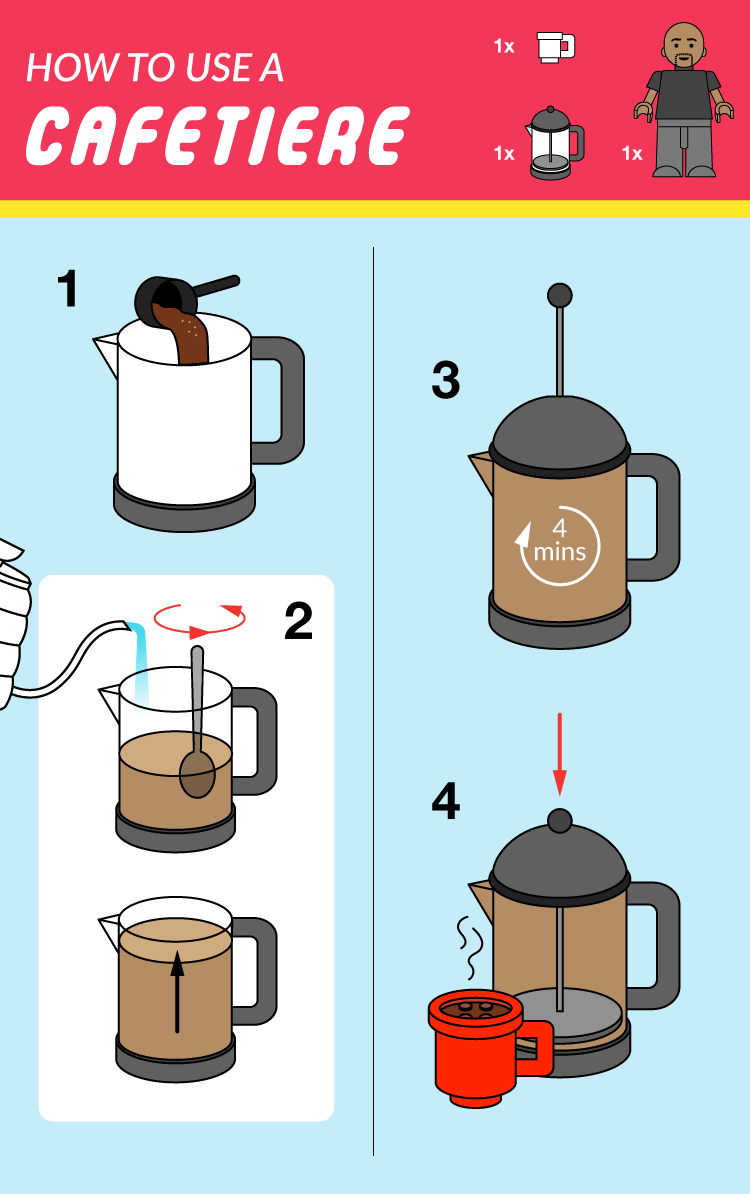
Before learning how to make ground coffee without a coffee maker, gather a few basic items. You likely have most of them in your kitchen already.
You will need:
• Ground coffee
• Fresh water
• A mug, bowl, or heat-safe jar
• A saucepan or kettle
• A spoon
• A strainer, paper filter, clean cloth, or cheesecloth
Use medium-ground coffee when possible. Medium grounds work well for steeping and straining. Very fine grounds can make the coffee muddy, while very coarse grounds may taste weak unless they steep for much longer.
A useful starting ratio is 1 tablespoon of coffee for every 6 ounces of water. For a stronger cup, use 1 tablespoon for every 4 to 5 ounces of water. Coffee professionals often use a ratio close to 1 gram of coffee for 15 to 18 grams of water, but measuring by spoon works well for casual brewing.
Use fresh, clean water. Water makes up most of the drink, so tap water with a strong smell or taste can affect the final cup. If your tap water tastes good on its own, it will usually work well for coffee.

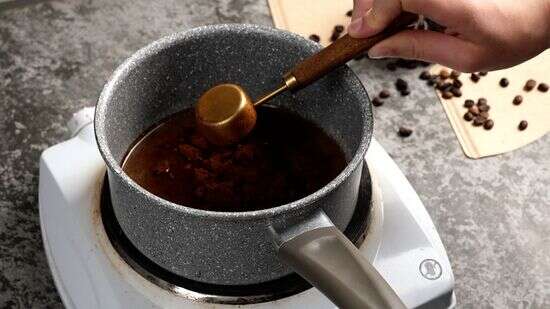
How to Make Ground Coffee Without a Coffee Maker Using a Saucepan
The saucepan method is one of the simplest ways to make coffee without special equipment. It is similar to cowboy coffee, a traditional method used when people had no coffee machine or filter.
Ingredients and tools
• 1 cup of water
• 1 to 2 tablespoons of ground coffee
• A small saucepan
• A mug
• A spoon
• A fine strainer, if available
Step-by-step instructions
- Pour the water into a clean saucepan.
- Heat it until it is very hot but not boiling hard.
- Remove the pan from the heat.
- Stir in the ground coffee.
- Let the coffee steep for 4 minutes.
- Stir once more, then wait 30 seconds.
- Slowly pour the coffee into a mug.
- Leave the last bit of liquid in the pan to avoid pouring in settled grounds.
Water around 195 to 205 degrees Fahrenheit extracts coffee well. If you do not have a thermometer, bring the water to a boil and let it sit for about 30 seconds before adding the coffee. Boiling water can pull out too many bitter compounds, especially when the coffee is fine or dark roasted.
The main challenge with this method is sediment. A small amount of coffee dust may settle at the bottom of your mug. Pouring slowly helps, and using a fine strainer makes the cup much cleaner.
In my kitchen tests, the best saucepan coffee came from removing the pan from the heat before adding the grounds. Adding coffee during a rolling boil made the cup taste harsh and flat. A gentle steep gave the drink more sweetness and balance.
How to Make Ground Coffee Without a Coffee Maker in a Mug
The mug method is ideal when you only need one cup. It requires no saucepan, filter, or complicated setup. Think of it as making tea, but with coffee grounds.
Simple mug method
- Add 1 to 2 tablespoons of ground coffee to a mug.
- Pour in about 8 ounces of hot water.
- Stir the coffee and water together.
- Let the mixture steep for 4 minutes.
- Allow the grounds to sink for another minute.
- Sip carefully or pour the coffee into another mug through a strainer.
This method works best with medium or coarse grounds. Fine grounds remain suspended in the water and can create a gritty texture.
If you do not have a strainer, use a spoon to hold back the grounds while drinking. You can also let the coffee sit for several minutes so more particles settle at the bottom. Do not stir the cup again before drinking, because stirring brings the grounds back into the liquid.
A small pinch of salt can reduce the perception of bitterness, but use very little. Salt cannot fix stale beans, burnt grounds, or over-extraction. It should be a last adjustment, not a substitute for good brewing.

How to Make Ground Coffee Without a Coffee Maker With a Strainer
A fine kitchen strainer gives you a cleaner cup than the basic mug method. This approach is useful when you have a saucepan but no coffee filter.
Brewing instructions
- Heat 8 ounces of water until it is just below a boil.
- Put 1 tablespoon of coffee into a mug or bowl.
- Pour the hot water over the grounds.
- Stir gently for a few seconds.
- Steep for 4 minutes.
- Place the strainer over a clean mug.
- Pour the coffee through the strainer.
A small tea strainer can work, but the holes must be fine enough to catch the grounds. A regular pasta colander is usually too wide and will let most of the coffee pass through.
For an even cleaner cup, place a paper towel or clean cotton cloth inside the strainer. Make sure the cloth has no soap, perfume, or fabric-softener scent. Rinse it with hot water first, because this removes loose fibers and unwanted flavors.
This method can slow the pour. Do not press the wet grounds too hard, or you may force fine particles through the filter and make the coffee cloudy.

How to Make Ground Coffee Without a Coffee Maker With a Paper Filter
A paper filter can create coffee that tastes close to drip coffee, even without a drip machine. You can use a paper coffee filter, unbleached filter, or clean paper towel in an emergency.
What to do
- Place the filter inside a funnel, strainer, or cup with a small opening.
- Rinse the filter with hot water.
- Add 1 tablespoon of medium-ground coffee.
- Slowly pour hot water over the grounds.
- Pause for 20 to 30 seconds.
- Continue pouring in small circles.
- Let the liquid drain fully before removing the filter.
The filter needs support. If it sits directly inside a wide mug, it may collapse under the weight of the water and coffee. A funnel or fine mesh strainer can hold it in place.
Pouring slowly helps wet all the grounds. This improves extraction and prevents weak spots in the brew. The first small pour is sometimes called a bloom because it allows trapped gas to escape from fresh coffee.
Do not use a scented paper towel or a towel treated with cleaning chemicals. If you use a paper towel, choose a plain, strong sheet and fold it into a shape that fits securely.
How to Make Ground Coffee Without a Coffee Maker With a Clean Cloth
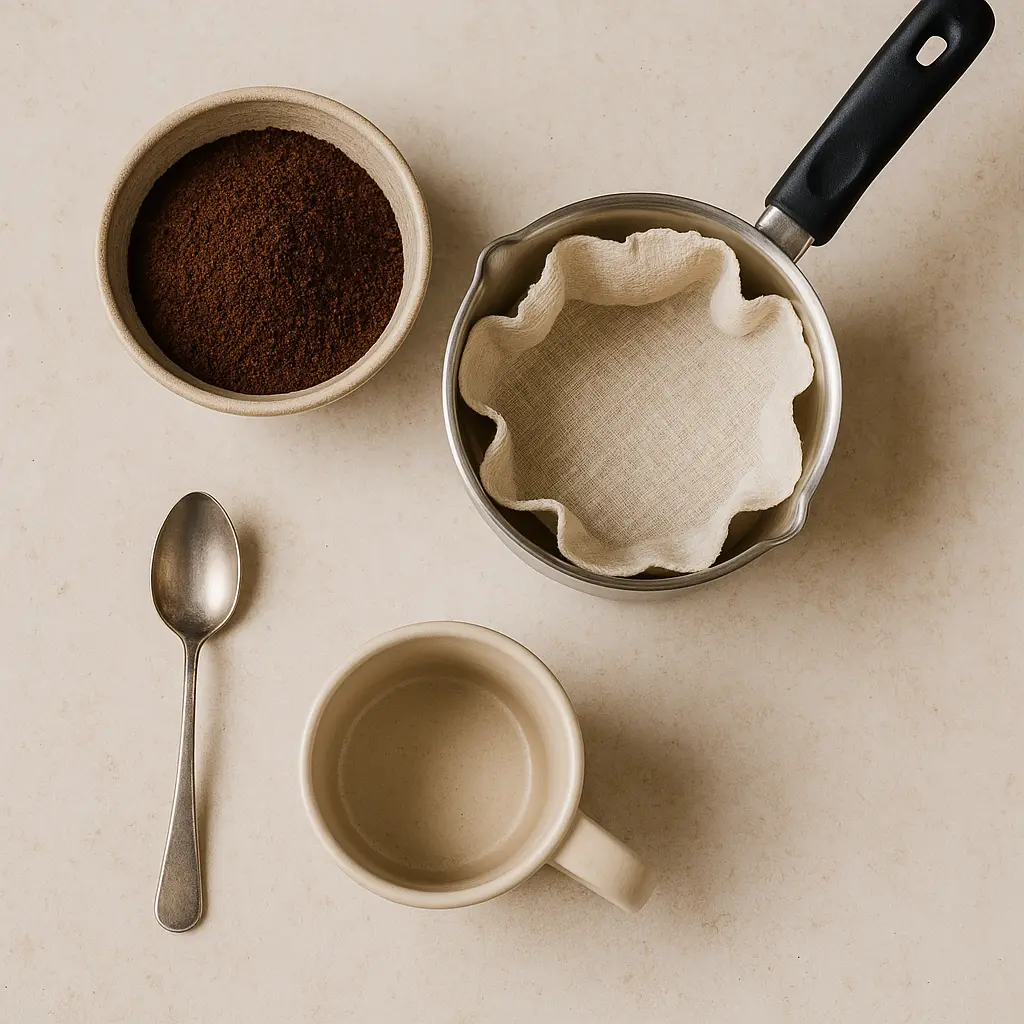
A clean cotton cloth can act as a simple coffee filter. This method is useful while camping, traveling, or staying in a kitchen without normal coffee supplies.
Cloth-filter method
- Place a clean cloth over a mug.
- Push the center down slightly to form a pocket.
- Secure the cloth with a rubber band or hold it in place.
- Add 1 tablespoon of coffee.
- Slowly pour hot water over the grounds.
- Wait about 3 minutes.
- Pour the remaining water slowly through the cloth.
Use a thin, clean cloth with a tight weave. Cheesecloth may work if you fold it several times. Avoid thick towels because they can absorb a lot of coffee and make draining difficult.
The cloth must be free from detergent and strong food flavors. A cloth used to wipe counters may contain grease, dust, or cleaning residue. Rinse it well with hot water before use.
This approach usually produces a cup with more body than paper-filtered coffee. Some oils and tiny particles pass through the cloth. That can be pleasant if you enjoy a rich mouthfeel, but it may not suit people who prefer a very clear drink.
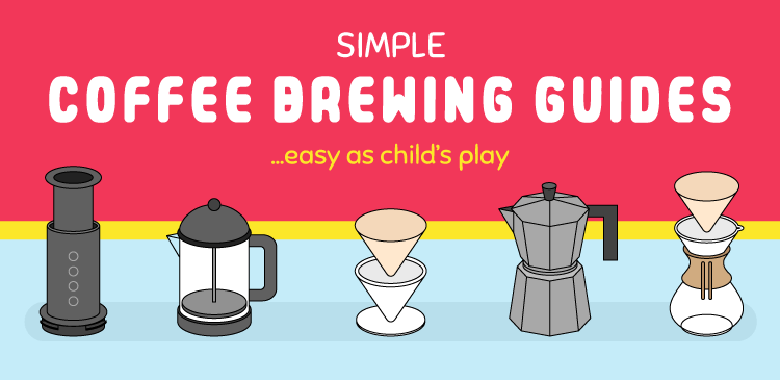
How to Make Ground Coffee Without a Coffee Maker With a French Press
A French press is technically a manual coffee brewer, but it does not require electricity or a traditional coffee machine. If you have one available, it offers excellent control over steeping and filtration.
French press steps
- Add 1 tablespoon of coarse coffee for every 6 ounces of water.
- Pour in hot water just below boiling.
- Stir gently.
- Put the lid on without pressing the plunger.
- Steep for 4 minutes.
- Press the plunger slowly.
- Pour the coffee into a mug right away.
Coarse grounds are important because fine grounds can clog the mesh filter. They can also make the cup overly bitter during a long steep.
Do not leave the coffee sitting in the French press after plunging. The grounds remain in contact with the liquid, so the coffee can continue extracting and become bitter. Pour it into a separate cup or serving pot.
This method is often the most reliable choice when learning how to make ground coffee without a coffee maker. It gives you a consistent steep time, even extraction, and fewer grounds in the final drink.

How to Make Cold Brew Without a Coffee Maker
Cold brew does not need heat or a coffee machine. It takes longer, but the process is simple and produces a smooth, strong concentrate.
Cold brew instructions
- Combine 1 cup of coarse coffee with 4 cups of cold water.
- Stir until all the grounds are wet.
- Cover the container.
- Let it sit in the refrigerator for 12 to 18 hours.
- Strain the mixture through a paper filter or clean cloth.
- Dilute the concentrate with water or milk before drinking.
Cold brew needs coarse grounds because fine coffee is harder to filter. It also requires a long steep because cold water extracts coffee more slowly than hot water.
Start by mixing equal parts cold brew concentrate and water. Adjust the strength from there. You can serve it over ice, add milk, or warm the diluted coffee carefully.
Cold brew often tastes less sharp than hot coffee, but it is not automatically lower in caffeine. Caffeine levels depend on the coffee dose, steep time, serving size, and dilution.
How Much Coffee and Water Should You Use?
The coffee-to-water ratio controls strength more than almost any other factor. Too little coffee creates a thin cup, while too much coffee can taste heavy and bitter.
Use these starting measurements:
• Mild coffee: 1 tablespoon per 8 ounces of water
• Medium coffee: 1 tablespoon per 6 ounces of water
• Strong coffee: 1 tablespoon per 4 to 5 ounces of water
A tablespoon can hold different amounts depending on the grind. For more accuracy, use a kitchen scale. A useful starting point is 15 to 18 grams of water for every 1 gram of coffee.
For one 8-ounce cup, try:
• 14 grams of coffee for a lighter cup
• 16 grams of coffee for a balanced cup
• 18 to 20 grams of coffee for a stronger cup
These are starting points, not strict rules. Dark roasts often taste intense with less coffee, while light roasts may need more time or a slightly higher dose to taste full.
When I adjust a weak cup, I first add more coffee rather than extending the steep time. Longer steeping can increase bitterness without adding the clean flavor you want.
The Best Water Temperature and Steep Time
Temperature and time work together. Hotter water extracts coffee faster, while cooler water extracts it more slowly.
For hot coffee, aim for 195 to 205 degrees Fahrenheit. If you cannot measure the temperature, boil the water and wait 30 to 60 seconds before using it.
Suggested steep times include:
• Fine grounds: 2 to 3 minutes, followed by careful straining
• Medium grounds: 3 to 4 minutes
• Coarse grounds: 4 to 5 minutes
• Cold brew: 12 to 18 hours
These times are flexible. A dark roast may need less time because it extracts easily. A light roast may taste better with a longer steep or slightly hotter water.
Coffee that tastes sour, sharp, or thin may be under-extracted. Try using hotter water, a longer steep, or a finer grind. Coffee that tastes bitter, dry, or harsh may be over-extracted. Try cooler water, a shorter steep, or a coarser grind.
How to Improve the Flavor
Even without a coffee maker, small changes can produce a much better cup.
• Use freshly ground beans when possible. Ground coffee loses aroma faster than whole beans because more surface area touches the air.
• Store coffee in an airtight container away from heat, light, and moisture.
• Use clean cups, pans, and strainers. Old coffee oils can taste rancid.
• Stir only once or twice. Too much agitation can increase bitterness and sediment.
• Let coffee cool for a minute before judging the flavor. Very hot coffee can hide sweetness and exaggerate aroma.
• Add milk or cream after straining. Dairy can soften bitterness, but it cannot remove gritty grounds.
• Try a lighter roast if dark coffee tastes burnt or smoky.
• Use medium or coarse grounds for immersion methods.
Freshness matters, but freshness is not the only factor. A fresh coffee brewed with boiling water and a poor ratio can taste worse than older coffee brewed with care.
One mistake I often see is changing several things at once. If the cup tastes weak, change the coffee dose first. If it tastes bitter, shorten the steep time. Small changes make it easier to learn what works.
Common Mistakes to Avoid
Knowing how to make ground coffee without a coffee maker also means knowing what can go wrong. Most problems come from heat, time, grind size, or poor filtering.
Using boiling water
Boiling water can over-extract some coffees and create a bitter taste. Let it rest briefly after boiling before adding the grounds.
Steeping too long
Coffee continues extracting while it sits in the mug or saucepan. Remove the grounds after about 4 minutes for most hot methods.
Using fine grounds
Fine grounds are difficult to strain without a paper filter. They can make the cup muddy and bitter.
Pouring too quickly
Fast pouring may leave dry pockets of coffee. Pour slowly so the water contacts all the grounds.
Pressing the grounds
Pressing wet grounds through a cloth or filter can push bitter particles into the cup. Let gravity do most of the work.
Reusing coffee grounds
Used grounds have already released much of their flavor. Reusing them usually creates weak, dull coffee.
Ignoring food safety
Do not drink coffee made with a dirty container or a cloth that contains soap or chemicals. Clean equipment is just as important as the brewing method.
Choosing the Best Method for Your Situation
The best method depends on what equipment you have and what kind of coffee you prefer.
• For speed: Use the mug steeping method.
• For a clean cup: Use a paper filter or fine strainer.
• For rich body: Use a French press or clean cloth.
• For camping: Use the saucepan method.
• For cold coffee: Make cold brew in a jar.
• For the least cleanup: Steep in a mug and leave the grounds settled at the bottom.
If you want a coffee shop style cup, use a paper filter and medium grounds. If you want a bold and full-bodied drink, use coarse grounds and a longer immersion method.
There is no single correct way to make coffee without a machine. The goal is to control the process enough to produce a cup you enjoy.
Is Coffee Without a Coffee Maker as Good?
Coffee made without a coffee maker can taste just as good as machine-brewed coffee when the basic variables are controlled. Water quality, grind freshness, coffee ratio, temperature, and steep time matter more than the appliance itself.
Automatic coffee makers provide convenience and consistency. They heat water and spread it over the grounds in a repeatable way. Manual methods require more attention, but they can give you more control.
The main limitation is consistency. A saucepan or mug does not always maintain the same temperature, and homemade filters may allow more sediment through. Still, careful measuring and steady technique can produce a balanced cup.
For occasional use, travel, power outages, and camping, learning how to make ground coffee without a coffee maker is a practical skill. It also helps you understand how coffee extraction works.
Frequently Asked Questions
Can I make ground coffee with just hot water?
Yes. Add ground coffee to a mug, pour in hot water, and let it steep for about four minutes. Allow the grounds to settle, then sip carefully or pour the coffee through a strainer.
What is the easiest way to make ground coffee without a coffee maker?
The easiest method is to steep the grounds directly in a mug. Use about 1 tablespoon of coffee per 6 to 8 ounces of hot water, then wait four minutes before drinking.
Can I use a paper towel as a coffee filter?
Yes, a plain paper towel can work in an emergency. Rinse it with hot water first, and do not use one with fragrance, lotion, or cleaning chemicals.
Should I use fine or coarse grounds without a coffee maker?
Medium or coarse grounds are usually best for methods that involve steeping and straining. Fine grounds can make the coffee gritty and may pass through simple strainers.
How long should coffee grounds steep in hot water?
Most hot immersion methods work well with a steep time of three to five minutes. Start with four minutes, then adjust based on whether the coffee tastes weak or bitter.
Can I make coffee in a saucepan?
Yes. Heat water in a saucepan, remove it from the heat, stir in the coffee, and steep for about four minutes. Pour slowly into a mug and leave the settled grounds behind.
Why does my coffee taste bitter without a coffee maker?
Bitter coffee often comes from water that is too hot, steeping that lasts too long, or using too many grounds. Try slightly cooler water, a shorter brew time, or a smaller coffee dose.
Can I make iced coffee without a coffee maker?
Yes. Make strong hot coffee with a saucepan or mug method, let it cool, and pour it over ice. You can also make cold brew by steeping coarse grounds in cold water for 12 to 18 hours.
Conclusion
Learning how to make ground coffee without a coffee maker is simple once you understand the basics. Steep coffee in a mug, simmer it gently in a saucepan, or strain it through a paper filter, cloth, or fine mesh strainer. Start with fresh grounds, clean water, a moderate temperature, and a four-minute steep.
If your first cup is not perfect, change one detail at a time. Adjust the amount of coffee, the grind size, the water temperature, or the brewing time until the flavor suits you. Try one of these methods today, and share your favorite no-machine coffee technique with someone who could use it.

Liora Pennings is a seasoned chef and kitchen enthusiast with a passion for turning everyday cooking into an effortless experience. With years of hands-on culinary expertise, she specializes in practical techniques, ingredient know-how, and smart kitchen solutions that help home cooks elevate their meals. At KitchFlair.com, Liora shares her best tips, time-saving tricks, and honest product reviews to guide readers toward a more efficient, enjoyable, and inspired cooking routine. Whether you’re a beginner or a seasoned home chef, Liora’s friendly, knowledge-packed insights make every visit to the kitchen a little easier—and a lot more delicious.