How To Fix Sour Tasting Coffee At Home: Quick Fixes
Use fresher beans, grind finer, raise water temp, and clean your gear to fix sour coffee.
I’ve brewed hundreds of cups and taught baristas how to troubleshoot taste. This guide explains how to fix sour tasting coffee at home with clear steps you can try tonight. I mix practical lab-style checks with simple tips from real kitchen tests so you can identify causes, fix them fast, and stop wasting beans.

Why coffee tastes sour
Sour coffee usually means under-extraction. When acids are extracted more than sugars and bitters, the cup tastes sharp or bright in a way that feels unbalanced.
Common causes include too coarse a grind, water that’s too cool, short brew time, light roast beans used with the wrong method, or old oils and mineral build-up in machines. Understanding these lets you apply fixes that work without guesswork.

Quick fixes to stop sour coffee now
These fast actions often fix sour cups in a single try. Each fix is easy to test in one brew.
- Grind a little finer and brew again. Small grind changes yield big taste shifts.
- Use hotter water. Aim for 195–205°F (90–96°C) for most brews.
- Increase brew time or contact time by 10–20 percent.
- Make sure your beans are fresh and roasted for your brewing method.
- Clean your equipment and run a rinse brew with hot water.

Steps to adjust brewing variables (practical checklist)
Work through this checklist in order. Change one thing at a time so you know what fixed the problem.
- Grind size
- If coffee tastes sour, make the grind finer by one notch for drip, pourover, or French press adjustments.
- Water temperature
- Raise water temp in small steps. If you use a kettle, let it boil and rest 30 seconds.
- Brew time and ratio
- Increase brew time or use a higher dose of coffee for the same water amount.
- Agitation and bloom
- For pourover: pour slowly and stir the bloom. This helps even extraction.
- Brew method matching
- Use medium-dark roasts for espresso-style short brews and lighter roasts for longer methods like pour-over.

Water, beans, and roast: what to check
Good coffee needs good water and the right beans. Check these three things.
- Water quality
- Use filtered water. Very soft or very hard water can change acidity perception.
- Bean freshness
- Roast date matters. Beans older than three weeks can taste flat, while too-fresh coffee (a few days after roast) can taste bright or uneven.
- Roast level and origin
- Light roasts and some African origins are more acidic. If you prefer less acid, pick a medium roast or a blend designed for balance.
Cleaning and equipment tips
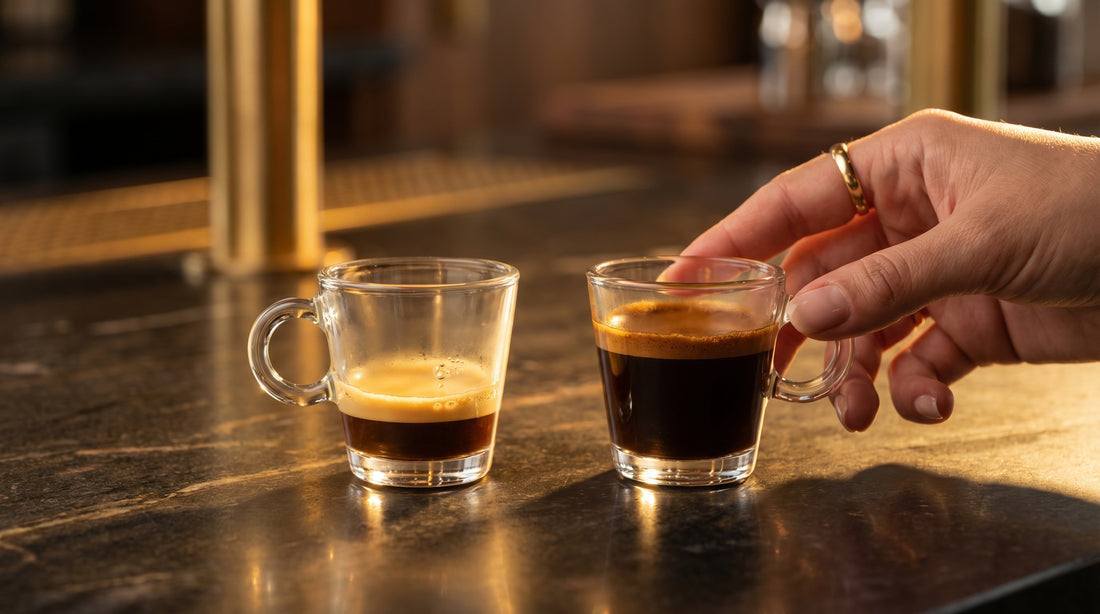
A dirty grinder or machine can create sour or funky flavors. Regular cleaning removes old grounds and oils that skew taste.
- Clean grinder burrs and dosing chamber weekly.
- Descale your kettle and brewer per manufacturer guidance.
- Backflush espresso machines and replace shower screens and gaskets when needed.
src="https://www.home-barista.com/forums/userpix/11853espresso_101_diagram_1.jpg"
alt="Using additives and milk to balance sourness”
style=”max-width: 100%; height: auto; border: 2px solid black; border-radius: 10px; display: block; margin: 0 auto;”
loading=”lazy”
/>
Using additives and milk to balance sourness
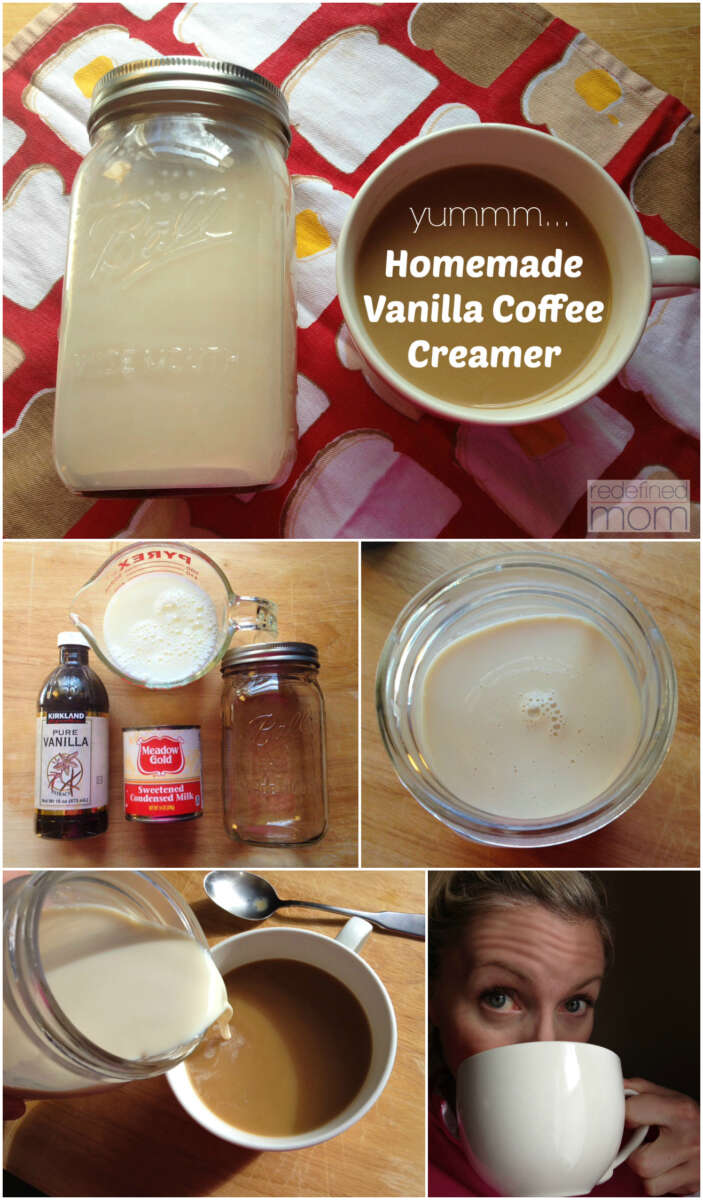
If you need a quick fix or prefer a softer cup, additives can help, but they don’t replace technique fixes.
- Add a pinch of salt or a tiny splash of cold water to mute sharp acids.
- Use milk or cream to round acidity for espresso and strong brews.
- A small amount of sugar can balance bright notes without masking origin character.

Preventive routine and storage
Preventing sour coffee is cheaper than fixing it. Adopt this short routine.
- Store beans in a cool, dark place in an airtight container.
- Buy beans in small batches and use within 2–4 weeks of roast for best flavor.
- Keep grinder settings noted so you can repeat what works.
Common mistakes and how I fixed them (real-life examples)
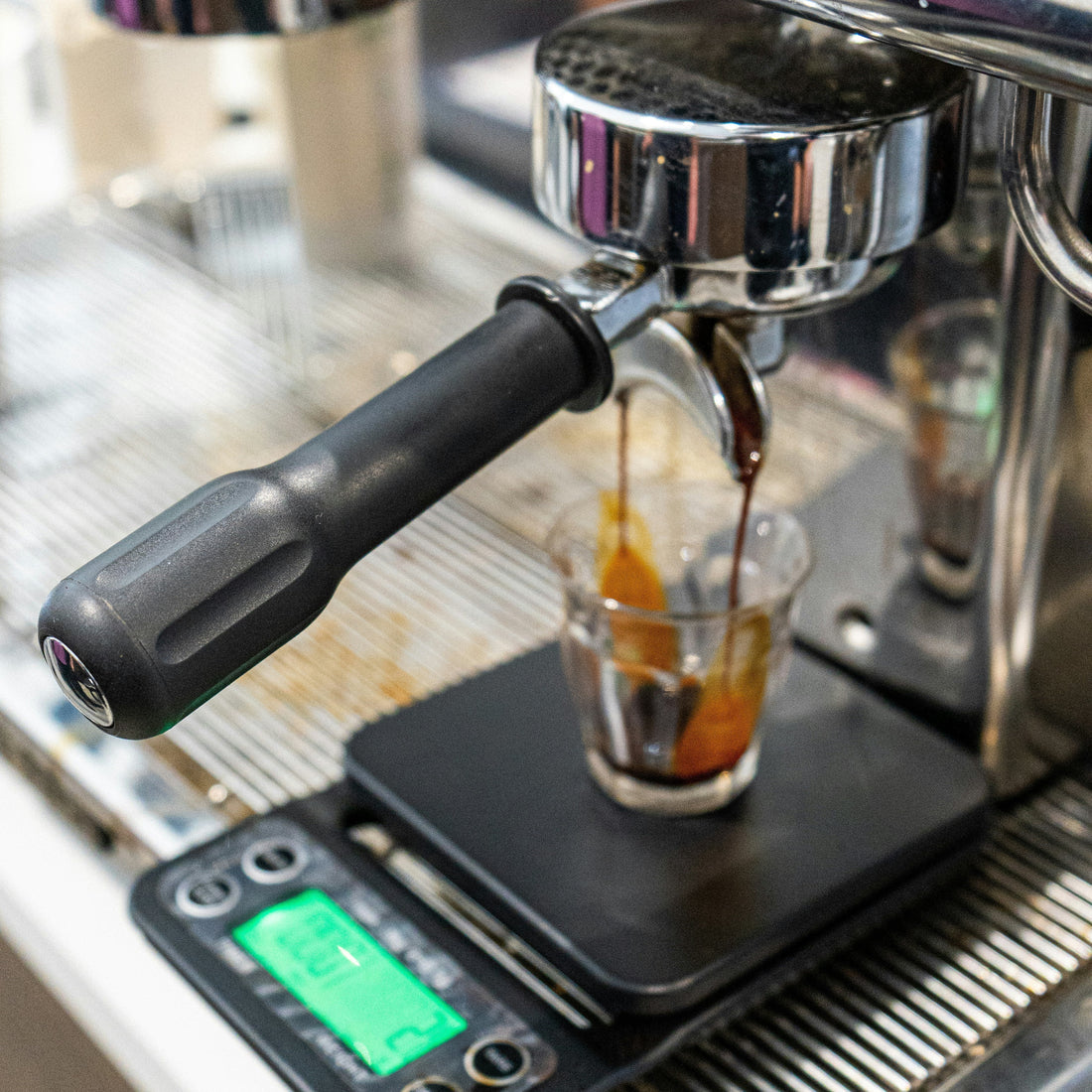
I once had a sour home espresso that tasted thin every morning. I tried sharper techniques and fixed it with three steps.
- First, I cleaned the grinder. Old grounds made doses inconsistent.
- Then I adjusted the grind finer and raised the brew temp by letting water rest 20–30 seconds after boiling.
- Finally, I switched to a slightly darker roast. The cup became balanced, and the sour edge disappeared.
These steps show how small, repeatable changes answer “how to fix sour tasting coffee at home” in practice.

Frequently Asked Questions of how to fix sour tasting coffee at home
Why does my coffee taste sour even though I used fresh beans?
Fresh beans can taste brighter, but sourness often means under-extracted brew. Try a finer grind, hotter water, or slightly longer brew time to draw more sugars out.
Can water hardness make coffee taste sour?
Yes. Very soft water may make coffee taste flat or thin, while certain mineral balances can amplify acidity. Use filtered water with balanced mineral content for best results.
Will darker roasts solve sour coffee?
Darker roasts tend to have less perceived acidity, so they can reduce sour notes. However, roast alone won’t fix extraction problems like wrong grind or temperature.
How often should I clean my grinder to prevent sour cups?
Clean grinder burrs and the dosing area weekly for home use, and do a deeper clean monthly. Old grounds and oils build up fast and can change flavor.
Is sour coffee unhealthy?
No, sour coffee is not harmful. It’s a taste issue caused by extraction or beans. Fixing brew variables will improve flavor but not change safety.
Can adding milk hide sourness completely?
Milk can soften acidity and make the cup feel rounder, but it won’t fix the root cause. Use milk as a short-term mask while you correct grind and temperature settings.
Conclusion
Follow a simple plan: check beans, adjust grind, raise water temp, and clean gear. These steps answer how to fix sour tasting coffee at home with tools you already own. Try one change at a time and taste after each tweak to learn what works for your setup. Start today: tweak one variable, make a note, and aim for a cup you love—then share your results or ask for help in the comments.

Liora Pennings is a seasoned chef and kitchen enthusiast with a passion for turning everyday cooking into an effortless experience. With years of hands-on culinary expertise, she specializes in practical techniques, ingredient know-how, and smart kitchen solutions that help home cooks elevate their meals. At KitchFlair.com, Liora shares her best tips, time-saving tricks, and honest product reviews to guide readers toward a more efficient, enjoyable, and inspired cooking routine. Whether you’re a beginner or a seasoned home chef, Liora’s friendly, knowledge-packed insights make every visit to the kitchen a little easier—and a lot more delicious.