How To Clean Coffee Maker Without Vinegar Smell: Tips
Clean your coffee maker without vinegar smell by using citric acid and multiple clean water rinses.
I’ve cleaned many machines and tested methods that remove scale without leaving a sour vinegar after-smell. This guide explains how to clean coffee maker without vinegar smell afterward, step by step, with safe cleaners, rinse routines, and real tips I learned from hands-on work and maker manuals. Read on to keep your coffee tasting fresh and your machine odor-free.
Why the vinegar smell lingers
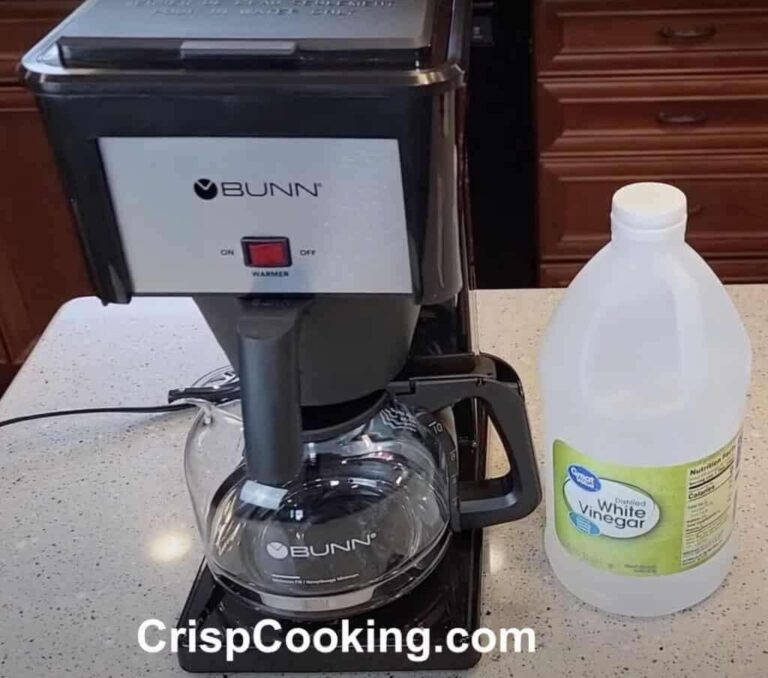
Vinegar contains acetic acid. That acid desolves scale but can cling to plastic, rubber, and filters. If you don’t rinse well, that scent stays in the reservoir, tubing, or carafe. Also warm surfaces make smells stronger, so a lightly rinsed machine can still smell when you brew.
Safe cleaners that won’t leave a vinegar smell
Use cleaners that dissolve scale but rinse away clean.
- Citric acid powder — Strong, fast, and leaves a neutral scent after rinsing. It’s safe for most machines when used at maker-recommended strength.
- Baking soda — Mild, good for odor neutralizing. Use a short baking soda soak and thorough rinses.
- Lemon juice — Natural and pleasant smelling. Works well for light scale and adds a fresh scent that fades quickly.
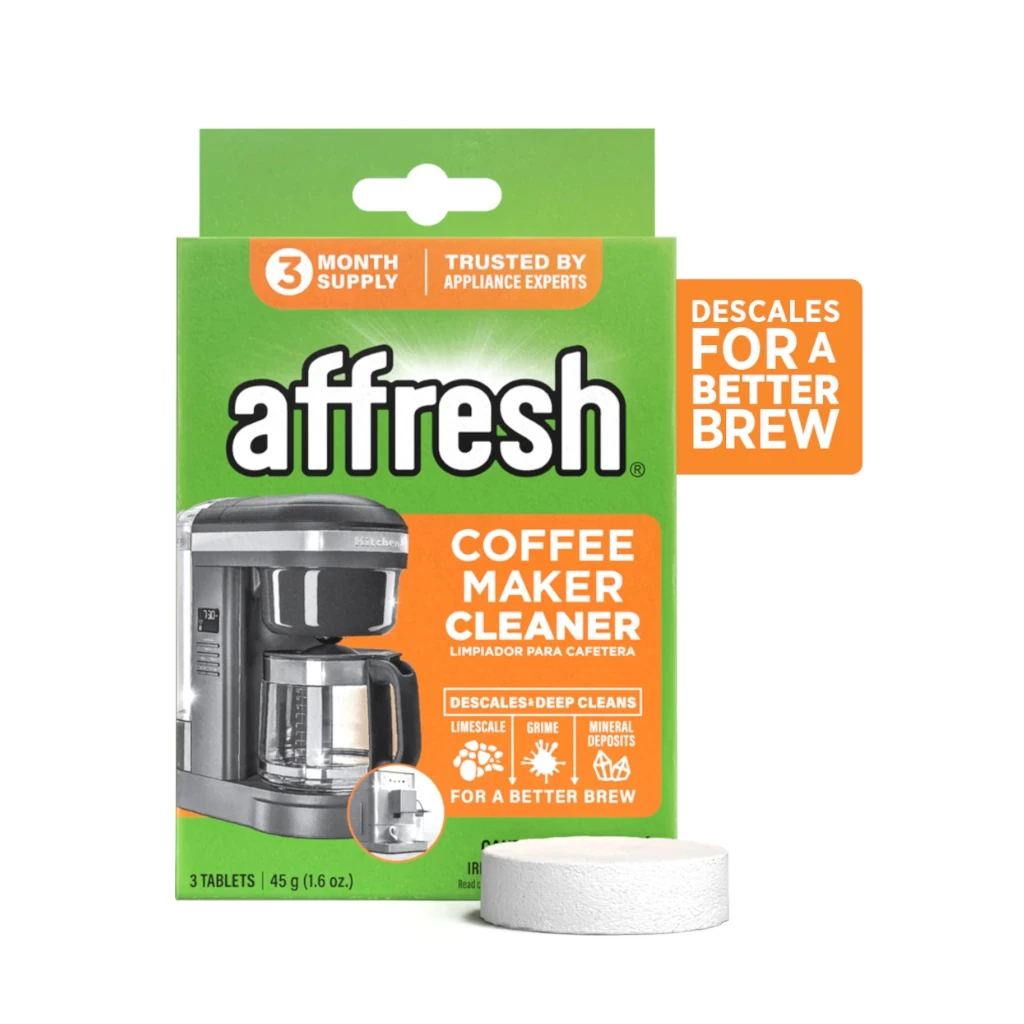
- Commercial descaler — Made for coffee makers. Follow label directions for best results and full rinses.
- Denture tablets — Bubble action loosens scale and deposits, then rinse away odor.
These options help you learn how to clean coffee maker without vinegar smell afterward by avoiding acetic acid and relying on neutral or pleasant cleaners.

Step-by-step: how to clean coffee maker without vinegar smell afterward
Follow these clear steps. Pick citric acid or a commercial descaler for best results.
- Empty and disassemble
- Remove carafe, filter basket, and any filters.
- Throw out used grounds and wipe loose debris.
- Make the cleaner solution
- Citric acid method: Dissolve 1 to 2 tablespoons citric acid per liter of water.
- Baking soda method: Mix 1 tablespoon baking soda in a full reservoir of warm water.
- Run a full brew cycle
- Start one brew cycle and stop halfway if your machine allows.
- Let the solution sit 15–30 minutes to soak internal parts.
- Finish the brew to flush scale into the carafe.
- Rinse thoroughly
- Run 2 to 4 full cycles with fresh water until no cleaner taste or smell remains.
- If you used baking soda, one rinse may be enough; citric acid and commercial solutions often need three or more rinses.
- Clean removable parts by hand
- Wash carafe, lid, and filter basket with hot soapy water.
- Scrub any coffee stains and rinse well.
- Dry and air out
- Leave parts off the machine to air-dry.
- Run one plain water cycle before brewing coffee to clear any lingering residue.
Tips to eliminate smell faster
- Brew plain water with a teaspoon of baking soda once after rinses to neutralize odors.
- Brew one mug of fresh coffee after final rinse; the coffee aroma often replaces faint cleaning smells.
- Replace paper and permanent filters after deep cleaning to avoid trapped smells.
How to clean coffee maker without vinegar smell afterward often comes down to rinsing. More clear water cycles beat stronger cleaners that leave scent.

Cleaning different machine types (short notes)
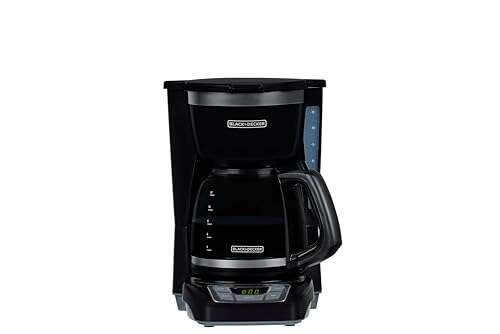
Drip coffee makers
- Follow the step-by-step above. Pay attention to the reservoir corners and spray head.
Pod machines (single-serve)
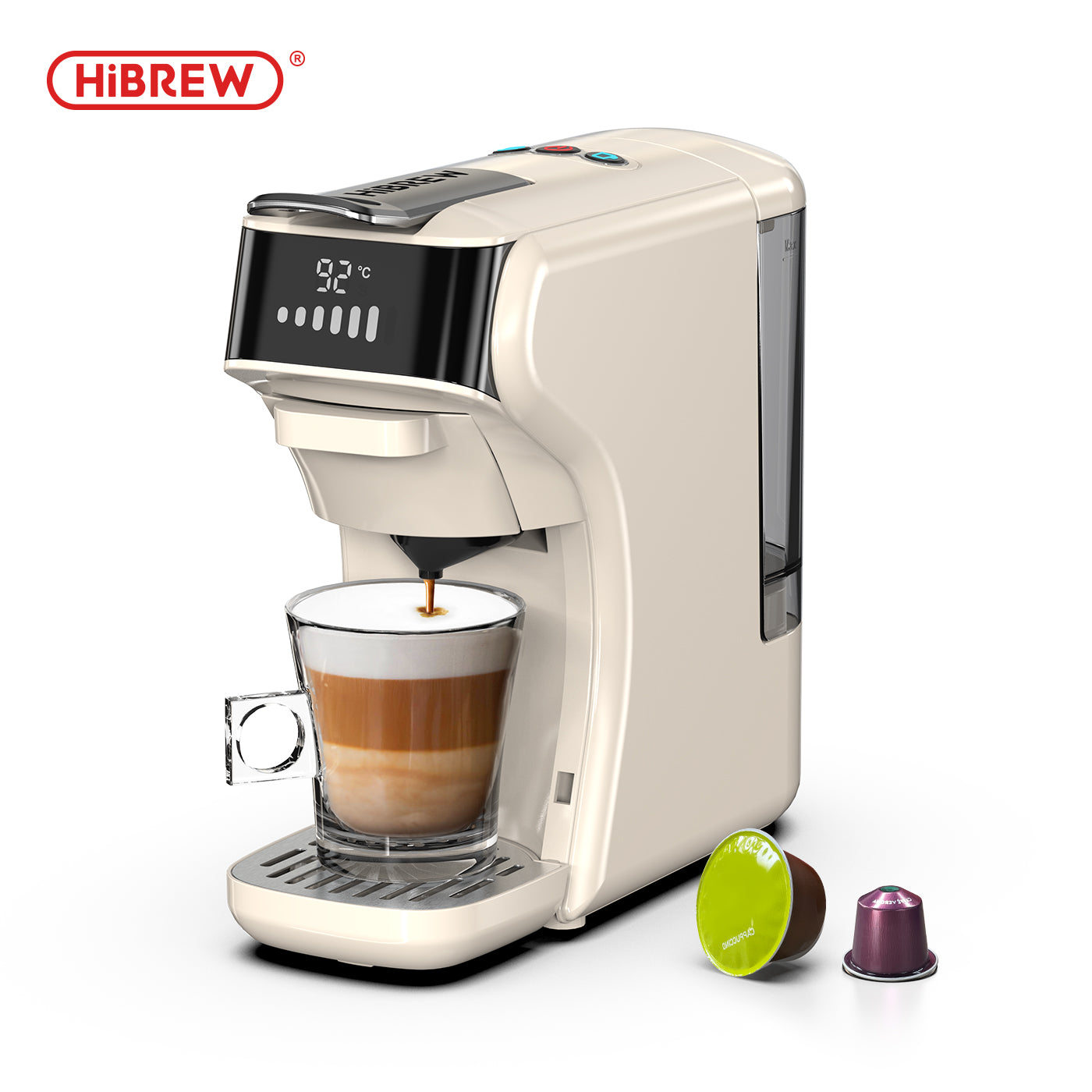
- Use descaler made for single-serve brands. Run extra rinse cycles. Remove and wash any drip trays.
Espresso machines
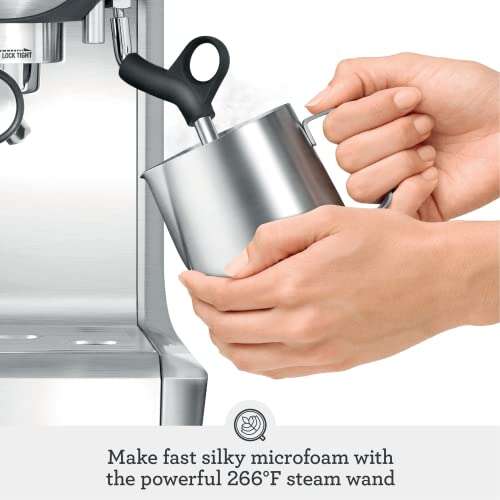
- Use manufacturer-approved descalers. Rinse group heads and steam wand well and purge steam wand after cleaning.
Personal experience and lessons learned
I once used straight white vinegar on an old brewer and did only two quick rinses. The sour smell came back on the next morning’s cup. After switching to citric acid and doing four rinse cycles, the odor was gone and coffee tasted right. Lesson: a proper rinse routine and the right cleaner matter more than the strength of the cleaner.
Maintenance tips to prevent vinegar smell in future
Small habits stop odors and cut deep cleaning time.
- Use filtered water to reduce scale build-up.
- Empty the reservoir and dry parts if you won’t use the machine daily.
- Clean the carafe and basket after each use.
- Run a monthly descaling routine with citric acid or a commercial cleaner.
- Replace charcoal or inline filters per the manufacturer schedule.
These steps help keep you from having to learn how to clean coffee maker without vinegar smell afterward too often.

Troubleshooting: machine still smells after cleaning
Try these quick fixes when smell persists.
- Run extra fresh water cycles — odor often needs repeated flushing.
- Clean removable plastic parts with baking soda paste. That neutralizes trapped acids.
- Check seals and tubing — replace any rubber parts that hold odor.
- Use activated charcoal in the reservoir overnight to absorb smells.
- Contact the maker if odor stays after deep cleaning; some older plastics hold scent and may need part replacement.
Knowing how to clean coffee maker without vinegar smell afterward includes checking small parts where smells hide.

Frequently Asked Questions of how to clean coffee maker without vinegar smell afterward
Can I neutralize vinegar smell with baking soda?
Yes. Baking soda neutralizes acids and odors. Rinse well after a baking soda soak and run a couple of plain water cycles.
Is citric acid safe for all coffee makers?
Most drip and pod machines handle citric acid well at recommended strength. Check your manual for any material limits before use.
How many rinse cycles are enough after descaling?
Aim for 2 to 4 full rinse cycles. Use more if you taste or smell cleaner. Better to err on the side of extra rinses.
Will brewing coffee remove the vinegar smell?
Brewing a pot of plain coffee after rinsing often helps mask faint scents and confirms the machine is clean. If smell lingers, rinse more.
Can I use dish soap to remove lingering vinegar smell?
Dish soap is good for removable parts like the carafe and basket. Do not run soapy water through internal tubing; use plain water for internal rinses.
Conclusion
You can clean your coffee maker without vinegar smell afterward by choosing neutral cleaners like citric acid or baking soda, disassembling parts, and doing several full water rinse cycles. Small habits like monthly descaling and daily cleaning of removable parts keep machines fresh and tasting great. Try one of the rinse-first methods today, and share your results or questions in the comments — I’ll respond with tips from real-world tests and experience.

Liora Pennings is a seasoned chef and kitchen enthusiast with a passion for turning everyday cooking into an effortless experience. With years of hands-on culinary expertise, she specializes in practical techniques, ingredient know-how, and smart kitchen solutions that help home cooks elevate their meals. At KitchFlair.com, Liora shares her best tips, time-saving tricks, and honest product reviews to guide readers toward a more efficient, enjoyable, and inspired cooking routine. Whether you’re a beginner or a seasoned home chef, Liora’s friendly, knowledge-packed insights make every visit to the kitchen a little easier—and a lot more delicious.