How To Clean Coffee Maker Heating Plate Burnt Stains: Tips
Use baking soda, white vinegar, and a soft scrubber to lift burnt stains safely.
I’ve cleaned dozens of coffee maker heating plates and I’ll walk you through clear, tested steps for how to clean coffee maker heating plate burnt stains without damaging the plate or leaving residue. This guide blends hands-on experience, safe cleaning chemistry, and practical tips so you can restore shine and keep brewing great coffee.

Why heating plate burns happen
Burnt stains on the heating plate form when coffee, sugar, or oils are left to dry and carbonize from heat. Over time, thin films turn into dark rings that are harder to remove. Knowing the cause helps you choose the right cleaning method for how to clean coffee maker heating plate burnt stains.
Common contributors include spilled coffee left on the plate, boiled-off sugar from flavored syrups, and mineral buildup that traps residues. I’ve seen plates with light brown rings cleaned quickly and others needing repeat treatments when sugar was the culprit.
Safety first
Always unplug the coffee maker and let the plate cool completely before you touch it. Using acidic cleaners on a live appliance can be dangerous and can damage internal parts if liquid runs inside.
Wear gloves to protect skin from cleaners and use non-scratch tools to avoid harming the plate’s coating. If your plate is glass or has an exposed heating element, follow the manufacturer’s guidance before using liquids.

Materials and tools you’ll need
Gather items before you start to make the job fast and safe. Typical tools and supplies for how to clean coffee maker heating plate burnt stains include:
- Soft microfiber cloth for wiping and polishing.
- Non-scratch scrub pad or sponge for gentle abrasion.
- Baking soda to form a mild abrasive paste.
- White vinegar for dissolving mineral and organic residues.
- Mild dish soap for final cleaning.
- Plastic scraper or old credit card for lifting thick deposits.
- Gloves and paper towels.
I keep these basics in a small cleaning kit near my coffee station. They work on most finishes and prevent overreach with harsh chemicals.

How to clean coffee maker heating plate burnt stains: Step-by-step
Below are step-by-step methods arranged from gentlest to stronger approaches. Use the mild method first and escalate only if stains persist.
Mild soap and warm water (first try)
- Unplug and cool the coffee maker.
- Wipe the plate with a damp cloth and a few drops of dish soap.
- Rinse cloth and remove soap residue.
- Dry with a soft towel.
This method removes fresh spills and light rings.
White vinegar soak (for mineral and light burnt stains)
- Soak a cloth in equal parts white vinegar and water.
- Lay the cloth on the plate and let it sit 10–15 minutes.
- Gently scrub with a non-scratch pad.
- Wipe clean and dry.
Vinegar dissolves mineral salts and loosens organic deposits.
Baking soda paste (for tougher carbonized stains)
- Mix baking soda with a few drops of water to form a spreadable paste.
- Apply paste to burnt areas and let sit 10 minutes.
- Rub in small circles with a wet non-scratch pad.
- Rinse and dry.
Baking soda gives mild abrasion without harsh chemicals.
Combination method (vinegar then baking soda)
- Wipe the plate with vinegar and water, then sprinkle baking soda on sticky spots.
- Scrub gently. The fizz helps lift stubborn grime.
- Rinse thoroughly to remove all residue.
This combo is a reliable way to clear stubborn stains without risky tools.
Commercial cleaners and cautions
- Use a cleaner labeled safe for your coffee maker surface.
- Test on a small area first.
- Follow the product instructions carefully.
Avoid strong acids, pure bleach, or metal wool that can strip coatings or leave harmful residues.
I recommend repeating gentle methods twice before moving to stronger solutions. I often needed just two applications of baking soda paste to clear old rings.
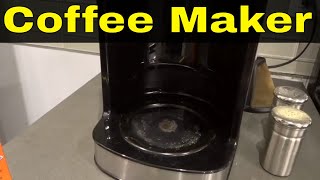
Deep stain removal and stubborn cases
If stains resist the prior methods, try controlled scraping and targeted heat techniques. Use a plastic scraper to lift thick deposits; metal scrapers can gouge the plate. For very stubborn carbonized sugar, dampen the area and let a baking soda paste sit longer—up to 30 minutes—then scrub gently.
For enamel or painted plates, avoid abrasive pads entirely and opt for long vinegar soaks followed by soft cloth polishing. If your coffee maker has an exposed heating coil, don’t saturate with liquid; use a barely damp cloth and small amounts of cleaner applied to the cloth, not the coil. I once ruined a plate finish by using steel wool; that mistake taught me to always test first.

Preventing future burns and maintenance
Simple habits stop most stains from forming and make cleaning quick.
- Wipe the plate after each use to remove fresh drips.
- Clean spills immediately; sugar hardens if left to heat.
- Use filtered water to reduce mineral deposits.
- Run a vinegar descaling cycle monthly if you brew daily.
I wipe my plate weekly and do a vinegar descaling every month. This routine keeps stains from building and extends the life of the plate.

When to replace your coffee maker heating plate
If the plate has deep pitting, cracked coating, or exposed metal that won’t respond to cleaning, replacement or a new machine may be safer. Persistent flaking or rust can contaminate coffee and pose safety issues. Check your manufacturer’s guidance for replacement parts or consider a new unit if cleaning won’t restore a smooth, sealed surface.
:max_bytes(150000):strip_icc()/faw-technivorm-moccamaster-kbgv-select-10c-coffee-maker-nsimpson-50-1-46e4dc9cb33544a185fab8b24919e588.jpeg)
Frequently Asked Questions of how to clean coffee maker heating plate burnt stains
What is the safest homemade cleaner for burnt coffee plate stains?
A paste of baking soda and water is safe and mildly abrasive, effective on most burnt stains. Use a soft pad and rinse thoroughly afterward.
Can I use vinegar directly on the plate?
Yes, white vinegar diluted with water works well to dissolve mineral and some burnt residues; avoid over-saturating electrical components.
Will steel wool damage my coffee maker heating plate?
Steel wool can scratch and remove protective coatings, leading to rust or uneven heating; avoid it on coated or enamel plates.
How often should I clean the heating plate to prevent stains?
Wipe the plate after each use and perform a deeper cleaning or vinegar soak weekly to monthly, depending on use frequency.
Are commercial cleaners better than DIY methods?
Commercial cleaners can work faster on heavy buildup, but many DIY methods like baking soda and vinegar are effective, safer, and less costly.
Conclusion
Cleaning burnt stains from your coffee maker heating plate is simple when you use the right methods in the right order. Start mild with soap, step up to vinegar and baking soda, and reserve stronger tools or commercial products for truly stubborn stains. Keep a short routine of wiping and monthly descaling to prevent future buildup.
Try these steps on your next cleaning session and see how much better your brewer looks and performs. If this guide helped, leave a comment or subscribe for more practical appliance care tips.

Liora Pennings is a seasoned chef and kitchen enthusiast with a passion for turning everyday cooking into an effortless experience. With years of hands-on culinary expertise, she specializes in practical techniques, ingredient know-how, and smart kitchen solutions that help home cooks elevate their meals. At KitchFlair.com, Liora shares her best tips, time-saving tricks, and honest product reviews to guide readers toward a more efficient, enjoyable, and inspired cooking routine. Whether you’re a beginner or a seasoned home chef, Liora’s friendly, knowledge-packed insights make every visit to the kitchen a little easier—and a lot more delicious.