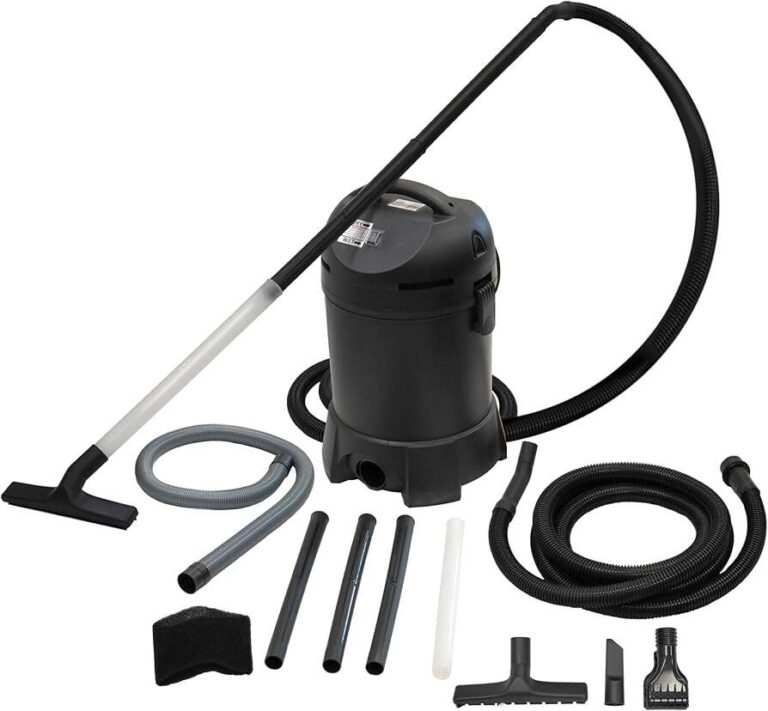
How To Fix Vacuum Cleaner Dust Escaping From Seals: Fixes
Replace or reseal worn gaskets and clean mating surfaces to stop dust leaks fast and reliably.
I’ve worked on dozens of vacuums and taught technicians how to diagnose and fix leaks without guessing. This guide explains, step by step, how to fix vacuum cleaner dust escaping from seals. You’ll learn to spot leak paths, choose the right replacement seals, and apply practical fixes that last. Read on to fix the leak, improve suction, and keep dust where it belongs.
Why dust escapes from seals
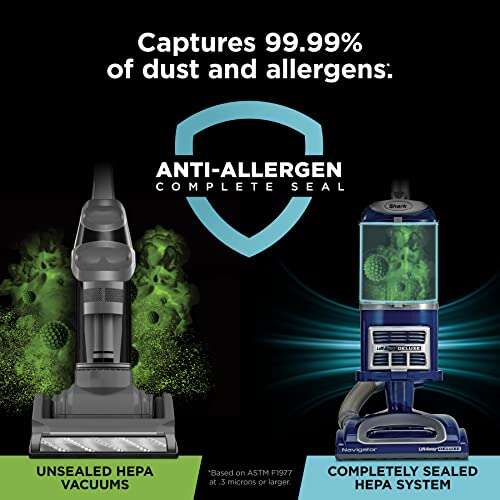
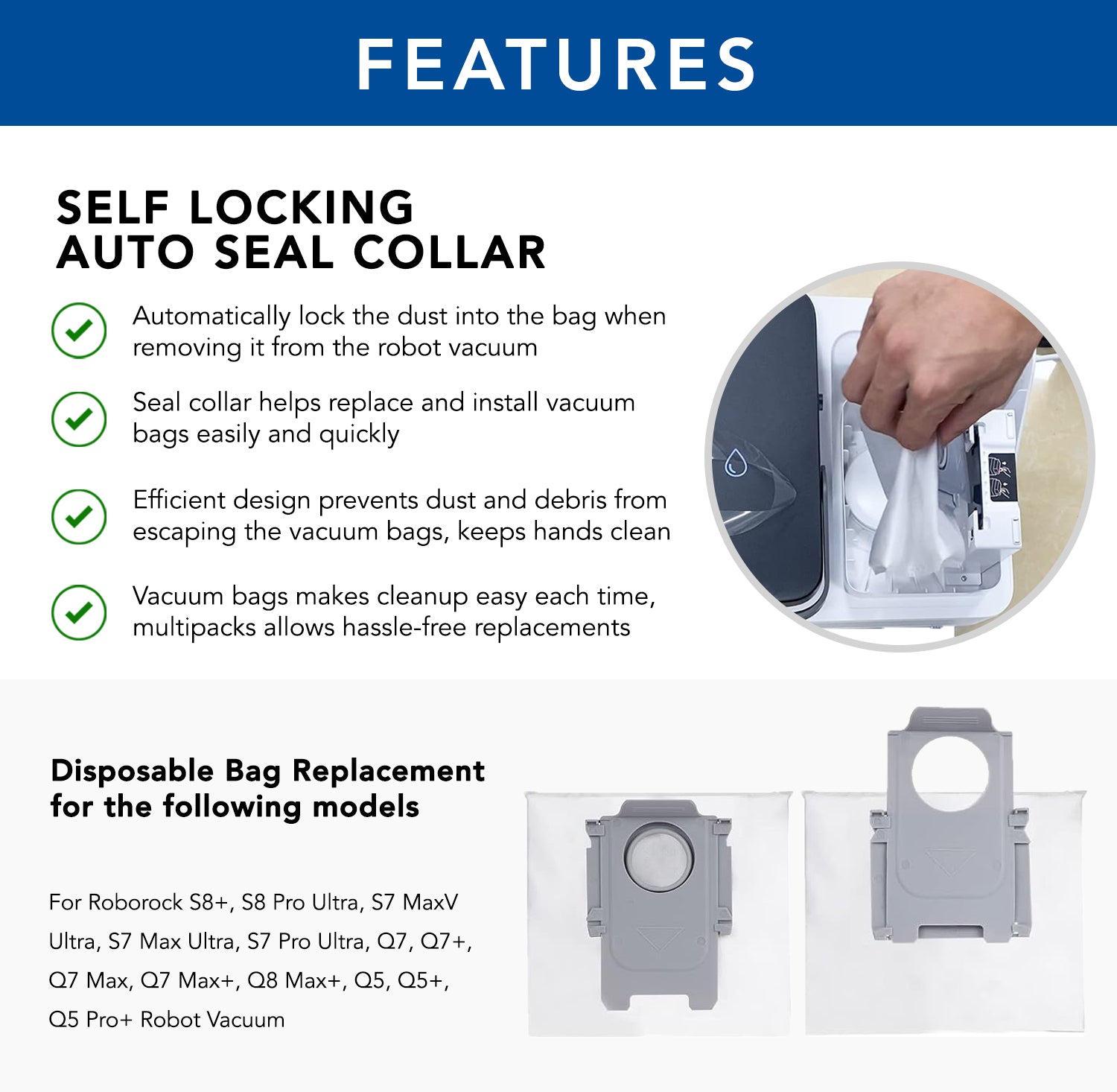
Dust escapes when air finds an easier path out than through the filter. Seals, gaskets, and O-rings keep suction air flowing through filters and bags. When those seals age, crack, compress, or sit on dirty mating surfaces, dust bypasses filtration and escapes. Other causes are poor assembly, cracked hoses, missing clamps, and clogged filters that force air through weak spots.
If you want to know how to fix vacuum cleaner dust escaping from seals, start with a careful inspection. Look for dust trails, feel for airflow around joints, and test with a simple tissue or incense stick to trace leaks. Small leaks often cause big dust problems because vacuums move a lot of air quickly.

Tools and materials you’ll need
A few basic tools get most jobs done. Gather these before you begin.
- Soft brush and microfiber cloth for cleaning surfaces and seals.
- Small screwdriver set and pliers to open panels and remove hoses.
- Replacement gaskets, O-rings, or foam seals sized for your model.
- Silicone grease or rubber-safe lubricant to seat seals.
- Contact cleaner or isopropyl alcohol to remove oils and dirt.
- Duct tape or clamp for temporary fixes.
- Magnifying glass or flashlight to find tiny cracks.
Knowing how to fix vacuum cleaner dust escaping from seals means having the right parts. OEM seals work best, but universal foam or rubber gaskets often fit well. Keep replacements on hand if you rely on your vacuum daily.

Step-by-step: How to fix vacuum cleaner dust escaping from seals
Follow these steps in order. Work methodically and test between major steps.
- Power off and unplug the vacuum. Work safely and remove the bag or canister.
- Empty and clean the dust container and filters. This removes debris that hides leaks.
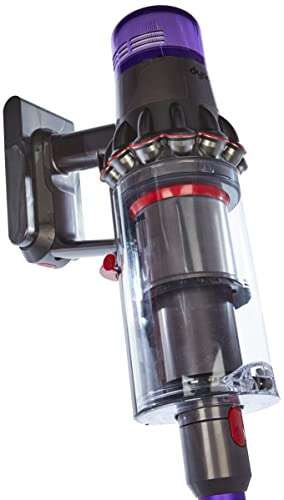
- Inspect common seal points: canister lid, filter housings, hose cuffs, brush head cuff, and motor cover. Look for cracks, compression, or ragged foam.
- Test for leaks with a tissue or incense stick near suspected joints while the vacuum runs. Note where the tissue moves or smoke pulls.
- Clean mating surfaces with alcohol. Grease, dust, or lint prevents seals from seating properly.
- Reseat or replace worn seals and O-rings. Use the correct size and compress slightly for a snug fit.
- Apply a thin layer of silicone grease on rubber seals to prevent drying and improve the seal.
- Reassemble carefully, tightening clamps and screws evenly. Avoid over-tightening plastic parts.
- Run the vacuum and re-test with the tissue or smoke. Repeat sealing and tightening as needed.
- If leaks remain, check hoses and cracked plastics and replace damaged parts.
Doing steps in this order gives you the highest chance of fixing leaks right away. When you follow how to fix vacuum cleaner dust escaping from seals like this, you save time and avoid needless part swaps.

Replacing seals, gaskets, and O-rings
When a seal is hard, brittle, or permanently compressed, replacement is best. Here’s how to get it right.
- Measure the old seal’s inner and outer diameter and thickness. Bring the old seal to the store if possible.
- Choose materials: Nitrile rubber is durable and resists oils. Foam works for large gaps but compresses over time.
- Buy OEM when available. Model-specific seals match grooves and latch points.
- Fit the new seal dry first to ensure alignment. Then apply a light coat of silicone grease to seat it.
- Replace any clips or clamps that hold the seal in place. Old clamps can slip and cause leaks.
If you’re troubleshooting how to fix vacuum cleaner dust escaping from seals, replacing seals usually fixes the majority of persistent leaks. Proper measurement and clean mating surfaces are the keys to success.

Checking filters, bags, and secondary causes
A leaking seal is not always the root cause. Clogged or incorrectly installed filters and bags can force dust out secondary gaps.
- Inspect and replace disposable bags or wash cloth bags per manufacturer instructions.
- Clean or replace filters, including pre-motor foam and HEPA cartridges. A blocked filter increases pressure and finds leak paths.
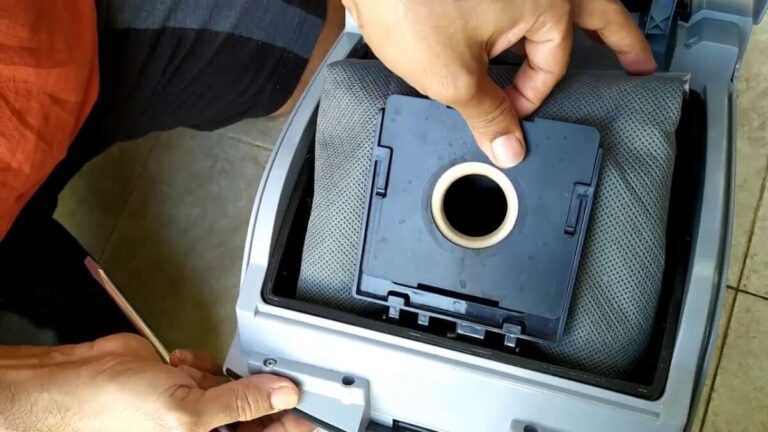
- Make sure bags and filters are seated and latched fully. A half-inserted bag often looks sealed but isn’t.
- Check the exhaust area and motor housing seals. Motor seals failing can shed fine dust into the airflow.
- Inspect the brush roll and floor head. Dust can travel up the wand and escape at the cuff if the brush hatch seal is damaged.
Always include filter and bag checks when you address how to fix vacuum cleaner dust escaping from seals. Fixing seals without fixing a clogged filter often only delays the problem.

Preventive maintenance and long-term tips
Keep dust out by preventing wear and keeping parts clean. A small routine saves big effort.
- Clean the dust cup and filters monthly for home use. Do it more often for heavy use.
- Inspect seals and hose cuffs every three months. Replace foam seals annually or when brittle.
- Lubricate rubber seals lightly once a year to prevent drying and cracks.
- Store the vacuum in a dry, cool place to protect rubber parts.
- Use the right bag or filter type. Cheap or wrong-fit bags can create gaps.
Preventive care makes learning how to fix vacuum cleaner dust escaping from seals mostly unnecessary. It also extends the motor and filter life.
Troubleshooting common scenarios
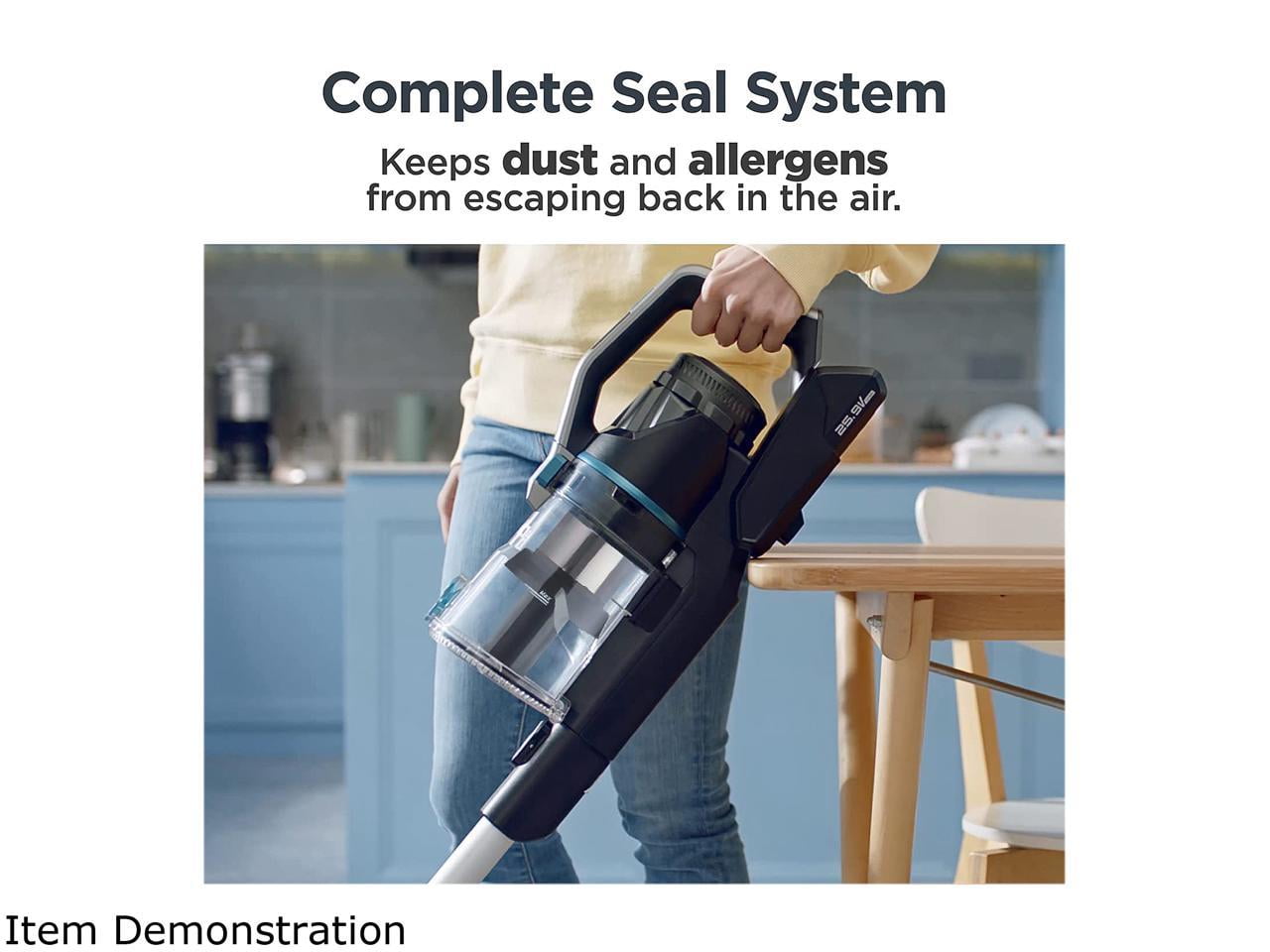
Here are quick fixes for frequent leak patterns.
- Dust at the canister seam but not at the filter: Clean mating surfaces and replace the canister gasket.
- Dust at the hose cuff: Replace or re-seat the hose cuff O-ring and tighten the clamp.
- Fine dust near the motor vents: Check motor shaft seals and pre-motor foam; replace if oily or crumbled.
- Dust after a filter change: Re-seat the filter and check for missing tabs or incorrect orientation.
- Intermittent dust when moving the hose: Look for split hoses or cracked wand sections that flex open.
PAA-style question: Why does my vacuum only leak dust when full?
Small answer: A full dust cup raises internal pressure and shifts the airflow, forcing air through weak seals. Emptying and cleaning the seals usually fixes it.
PAA-style question: Can I use silicone caulk to seal vacuum joints?
Small answer: No. Hard caulk can crack and block service access. Use replaceable rubber or foam seals made for vacuums.
PAA-style question: Will stronger suction fix leaking seals?
Small answer: No. Increased suction makes leaks worse. Fixing seals or replacing damaged parts is the correct solution.

Personal experience, lessons learned, and mistakes to avoid
I once repaired a commercial vacuum that leaked so much dust the shop looked like a fog. I replaced a single small foam gasket and cleaned the mating surfaces. The machine ran cleaner and saved the owner a motor rebuild. Here are lessons I learned.
- Don’t assume filters are the only issue. Inspect seals first.
- Avoid temporary fixes like layering tape without cleaning the mating surfaces. Tape hides poor alignment.
- Always test with a smoke source or tissue; visual inspection alone misses small leaks.
- Keep spare gaskets for high-use models. They wear faster than you think.
When you follow how to fix vacuum cleaner dust escaping from seals using these lessons, you’ll avoid repeat trips and unnecessary parts.

Frequently Asked Questions of how to fix vacuum cleaner dust escaping from seals
How can I find tiny leaks I can’t see?
Run the vacuum and move a thin tissue or incense stick slowly around seams and joints. The tissue moves toward airflow; smoke will draw into leak points.
Are foam seals or rubber seals better?
Rubber seals are more durable and resist compression set. Foam seals fit large gaps well but compress and degrade faster.
Can I stop leaks with duct tape alone?
Duct tape can work as a short-term fix but won’t last. It can trap dirt and prevent proper sealing surfaces, so replace tape fixes with proper seals quickly.
How often should I replace seals and gaskets?
Check seals every three months and replace them annually in heavy-use situations. Replace sooner if they feel hard, cracked, or flattened.
Will a new filter stop dust from escaping?
A new filter helps, but only if the air passes through it. If seals leak, dust will bypass the filter. Fix seals and filters together for best results.
Conclusion
Fixing dust escaping from seals is mostly about inspection, cleaning, and correct replacement. Start by finding the leak paths, clean mating surfaces, and fit proper seals. Test as you go, use the right materials, and maintain your vacuum to avoid repeat issues. Take action now: inspect your vacuum this week, replace any suspect seals, and leave a note with your experience or questions below.

Liora Pennings is a seasoned chef and kitchen enthusiast with a passion for turning everyday cooking into an effortless experience. With years of hands-on culinary expertise, she specializes in practical techniques, ingredient know-how, and smart kitchen solutions that help home cooks elevate their meals. At KitchFlair.com, Liora shares her best tips, time-saving tricks, and honest product reviews to guide readers toward a more efficient, enjoyable, and inspired cooking routine. Whether you’re a beginner or a seasoned home chef, Liora’s friendly, knowledge-packed insights make every visit to the kitchen a little easier—and a lot more delicious.