How To Fix Coffee Tasting Burnt After Brewing: Quick Fixes
Use fresher, coarser grounds, lower water temperature, and shorten brew time to fix burnt coffee.
I’ve spent years tasting, brewing, and troubleshooting coffee for friends and clients, so I know how frustrating it is when your cup tastes charred after brewing. This guide explains why coffee can taste burnt and gives clear, tested steps on how to fix coffee tasting burnt after brewing, with method-specific tips, a troubleshooting checklist, and simple prevention steps you can use right away. Read on to save your next cup.

Why coffee tastes burnt after brewing
Burnt coffee flavor can come from several things that happen before, during, or after brewing. Overroasted beans, stale beans, too-hot water, overly fine grind, and overextraction are the main causes. Understanding the root cause helps you choose the right fix for how to fix coffee tasting burnt after brewing.
Common causes
- Overroasted beans: Dark roasts carry smoky, bitter, and charred notes.
- Stale or oxidized beans: Old oils break down and taste harsh.
- Too-high water temperature: Water above 205°F extracts harsh compounds.
- Fine grind or long brew time: Causes overextraction and bitterness.
- Dirty equipment: Built-up oils and residue add burnt or rancid flavors.
Quick diagnostic tips
- Smell the dry beans: burnt, ashy aroma points to roast level.
- Taste a cold brew concentrate: if it's still ashy, beans or roast are the issue.
- Check brewing variables: temperature, grind, brew time, and cleanliness.
Step-by-step fixes: how to fix coffee tasting burnt after brewing
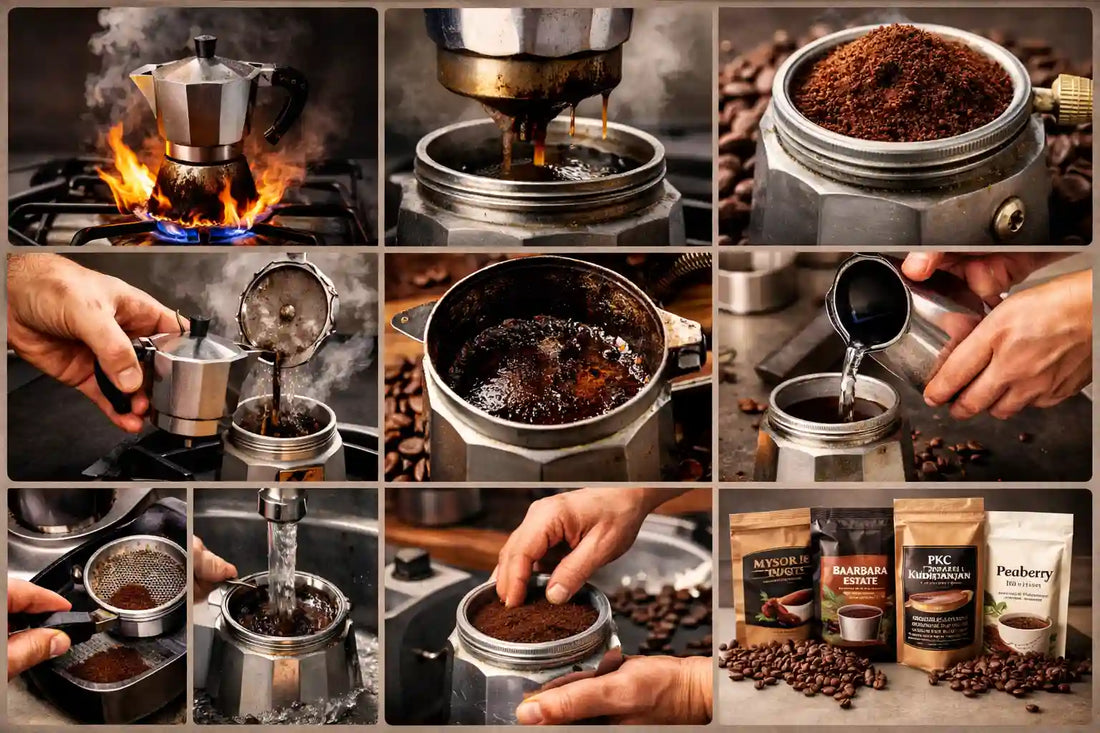
Follow these practical steps in order. Test one change at a time so you can see which fix improves the cup.
- Check the beans
- Buy medium-roast or lighter beans if you prefer less char. Freshness matters—use beans roasted within the last 2–3 weeks.
- If beans smell smoky or ashy, switch brands or roast level to see if flavor improves.
- Adjust grind size
- Make the grind coarser if your coffee tastes burned or bitter. Finer grinds extract faster and add harshness.
- For drip and pour-over, start slightly coarser than you used before and tweak by one click or notch.
- Lower water temperature
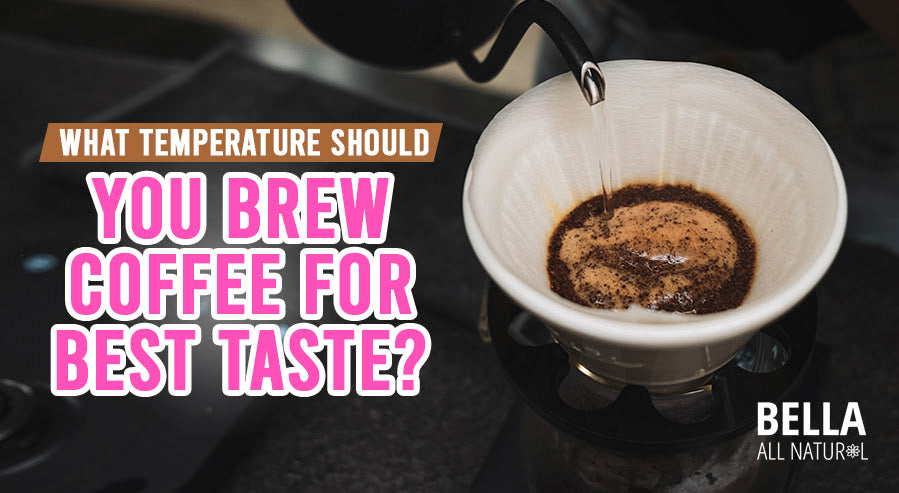
- Aim for 195–205°F (90–96°C). If you don’t have a thermometer, bring water to a boil then wait 30 seconds.
- Cooler water reduces extraction of burnt, bitter compounds and reveals sweeter notes.
- Shorten brew time
- Reduce contact time for immersion methods (French press: 3–4 minutes; AeroPress: 1–2 minutes depending on recipe).
- For pour-over, ensure total brew time fits the recommended range for your method and grind size.
- Clean your equipment
- Descale kettles and clean brew baskets, filters, and carafes regularly. Old oils cause rancid, burnt flavors.
- Run a brew cycle with hot water and a teaspoon of baking soda or brewer cleaner to remove residue.
- Reevaluate water quality
- Hard water can mute flavors and emphasize bitterness. Use filtered water with balanced minerals for best results.
- If your tap water is heavily chlorinated, try bottled or filtered water and compare.
- Try a different brew ratio
- Use a slightly higher coffee-to-water ratio if the cup is weak but not burnt, or a bit lower if it’s overly intense.
- Start with 1:15 (coffee:water by weight) and adjust up or down in small steps.
- Blend or rinse (quick hacks)
- For slightly burnt brews, pour a splash of milk or cream to mask char. This doesn’t fix the root cause but helps the cup.
- For paper-filter methods, rinse the filter well before brewing to remove papery flavors that can amplify harsh notes.
Repeat testing one change at a time until the burnt flavor is resolved. Each small tweak gives you data on what causes the burn in your setup.

How to fix coffee tasting burnt after brewing by method
Different brewing methods react to mistakes in specific ways. Here are focused fixes for common methods.
Espresso
- Use a slightly coarser grind and lower extraction time. Reduce dose or tamp pressure if shots pull too slowly.
- Pull at 195–205°F and aim for 18–28 seconds depending on dose and basket.
Pour-over (V60, Chemex)
- Use a medium-coarse grind and pour in controlled pulses. Keep water between 195–205°F.
- Rinse the filter and use a gentle bloom to release CO2 without overextracting.
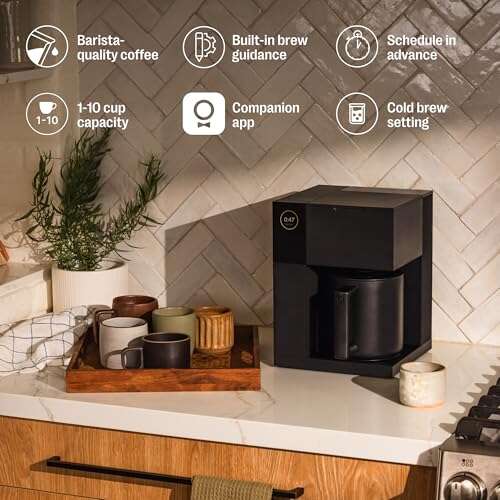
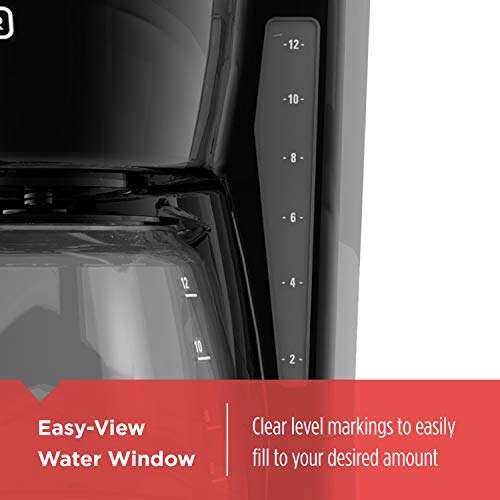
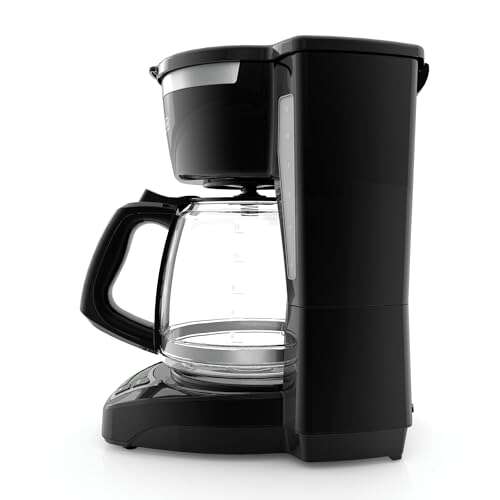
Drip coffee maker
- Clean the machine and use fresh beans ground for drip. Use a slightly coarser grind if the flavor is charred.
- Ensure water isn’t overheating in an older machine—consider a kettle pour-over if machine temp is too high.
French press
- Shorten steep time to 3–4 minutes and press gently. Use a coarser grind to avoid sludge and overextraction.
- Immediately decant brewed coffee to avoid continued extraction from the grounds.
AeroPress
- Reduce steep time and use lower temperature water. Try inverted or standard methods but keep total contact time short.
- Use a medium grind and experiment with 60–90 second total brews for cleaner cups.

Preventive measures: avoid burnt taste before it happens
Prevention is easier than fixing a burnt cup. These habits save time and keep your coffee tasting clean.
- Buy quality beans and store them properly in a cool, dark, airtight container.
- Use beans roasted to your taste, and note roast dates—use within three weeks for best flavor.
- Calibrate grind and dose for your brewer and keep a simple brewing log.
- Maintain equipment: clean weekly and descale monthly depending on use.
- Use a good kettle or brewer with accurate temperature control.

Common mistakes and a quick troubleshooting checklist
If your coffee tastes burnt, run through this checklist to pinpoint the problem fast.
- Beans: Too dark? Too old? Smell them first.
- Grind: Too fine? Try one notch coarser.
- Temperature: Water too hot? Let it cool 30 seconds after boiling.
- Time: Overlong brew? Shorten by 30–60 seconds.
- Equipment: Is the brewer clean? Clean the parts and run plain water through.
- Water: Is it hard or chlorinated? Try filtered water.
Use one change at a time. Record the fix and taste the difference to learn what works for your setup.
My experience: real tests and lessons learned
I once struggled with burnt-filter coffee from an office machine. I tried new beans, then adjusted grind, then found the machine ran water too hot. Replacing the machine and switching to a medium roast fixed it. The key lesson: test variables one by one and track results.
Practical tips from my trials
- Keep a simple notes sheet near your brewer. Jot roast date, grind, temp, and time.
- Taste coffee cold as well as hot to identify lingering burnt or ashy notes.
- Don’t blame a single factor—burnt taste often comes from a mix of roast, temp, and extraction.
Frequently Asked Questions of how to fix coffee tasting burnt after brewing
Why does my coffee taste burnt even with fresh beans?
If fresh beans still taste burnt, the roast level or brewing temperature is likely the issue. Try a lighter roast and lower water temperature to see if the charred notes disappear.
Can I fix burnt coffee after brewing?
You can reduce the perception of burned flavor by diluting slightly, adding milk, or chilling and rebrewing as iced coffee for some methods. These are band-aids; fixing the brewing variables is the long-term solution.
Does roast level cause burnt taste?
Yes. Dark roasts intentionally have smoky, charred flavors, which can taste burnt to those who prefer cleaner cups. Switch to medium or light roast to avoid that profile.
Will changing grind size help burned taste?
Often yes. A too-fine grind can overextract and taste bitter or burned. Coarsening the grind slightly usually improves clarity and reduces harshness.
Is water temperature the biggest factor for burnt taste?
Water temperature is a major factor because too-high heat extracts bitter, burnt compounds. Aim for 195–205°F and adjust by small amounts if your coffee tastes harsh.
Conclusion
Burnt coffee after brewing is usually fixable by checking beans, grind, water temperature, brew time, and cleanliness. Start with fresh, appropriately roasted beans, lower your water temp, coarsen the grind, and clean your gear—then test changes one at a time. Try the simple steps above to improve your cup, keep notes, and enjoy your next brew. Share your results or questions below, and subscribe for more hands-on coffee tips.

Liora Pennings is a seasoned chef and kitchen enthusiast with a passion for turning everyday cooking into an effortless experience. With years of hands-on culinary expertise, she specializes in practical techniques, ingredient know-how, and smart kitchen solutions that help home cooks elevate their meals. At KitchFlair.com, Liora shares her best tips, time-saving tricks, and honest product reviews to guide readers toward a more efficient, enjoyable, and inspired cooking routine. Whether you’re a beginner or a seasoned home chef, Liora’s friendly, knowledge-packed insights make every visit to the kitchen a little easier—and a lot more delicious.