How To Brew Coffee In A Coffee Maker: Perfect Morning Cup
Brew a clean, balanced cup every time by using the right grind, ratio, water, and simple steps.
I’ve brewed thousands of pots for family, friends, and busy mornings. I know how to brew coffee in a coffee maker so it tastes lively and consistent. This guide walks you through gear, exact steps, common mistakes, and pro tips. Read on to master how to brew coffee in a coffee maker with confidence and fewer wasted beans.
Why mastering how to brew coffee in a coffee maker matters
Good coffee starts with control. When you know how to brew coffee in a coffee maker, you control strength, clarity, and flavor. That turns routine cups into a reliable daily pleasure.
Benefits of learning this skill
- Better taste without expensive gear.
- Less waste and fewer burned pots.
- Faster, consistent morning routine.
Common problems people face
- Coffee that tastes flat or bitter.
- Weak brews from wrong ratios.
- Stale or uneven extraction from poor grind or filters.
My brief experience
- I learned by testing grind sizes and ratios over months.
- Small changes like water quality and a fresh filter made huge differences.
- You can get great results with a basic drip machine if you know what to tweak.

Equipment and ingredients for brewing success
Choose gear that matches your needs. Knowing what you need makes how to brew coffee in a coffee maker simple.
Essentials
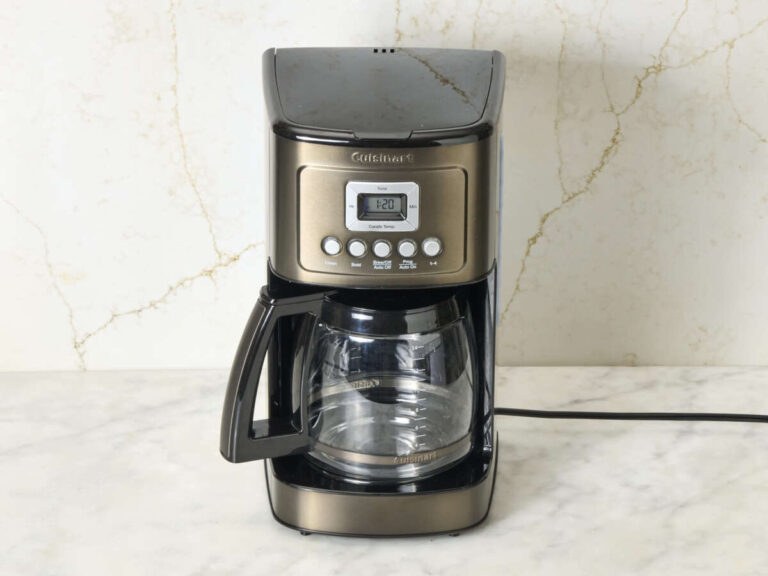
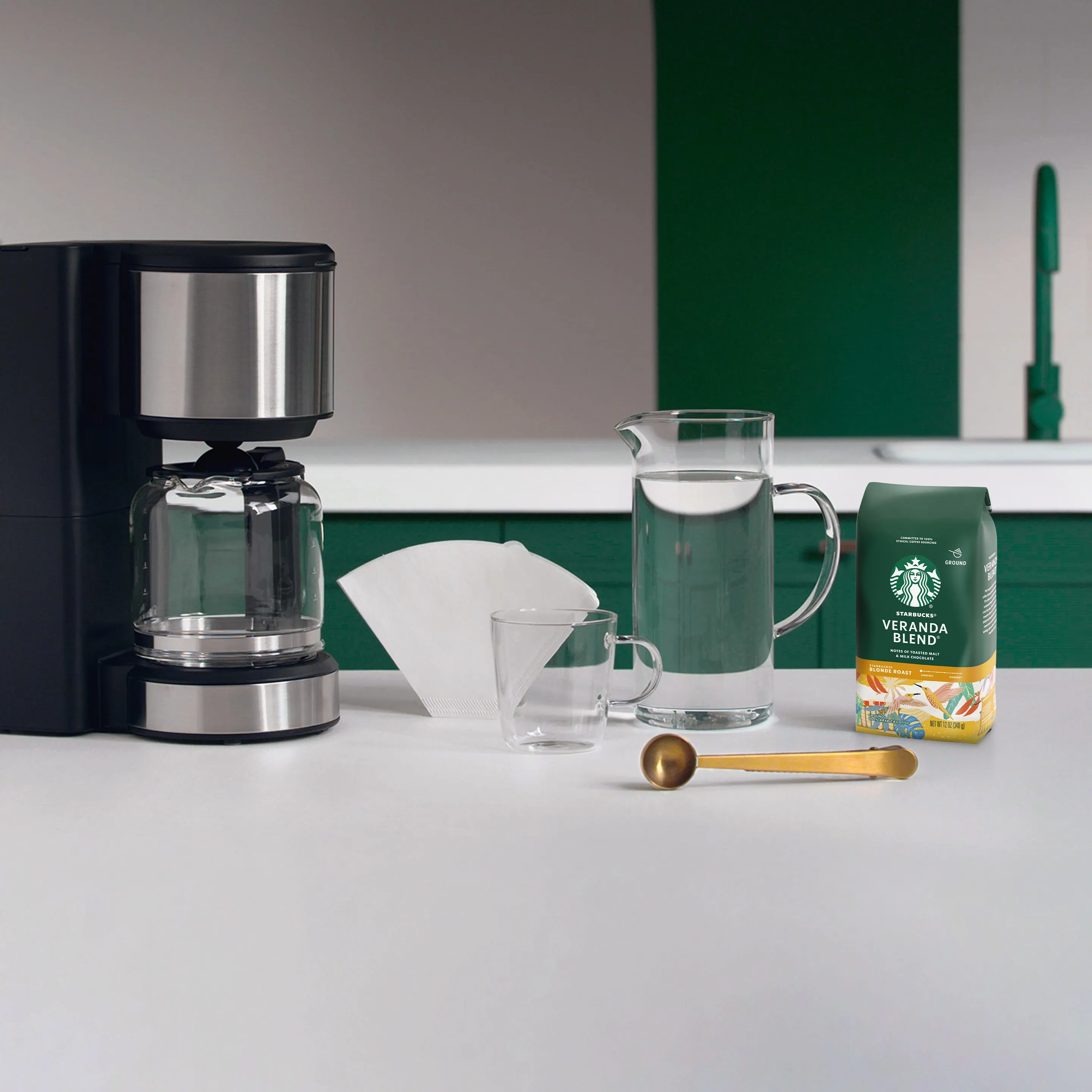
- Coffee maker — a reliable drip machine or programmable maker.
- Fresh whole-bean coffee — roasted within a month if possible.
- Grinder — a burr grinder is ideal for consistency.
- Filter — paper or reusable mesh, matched to the machine.
- Scale and timer — for precise ratio and consistency.
- Clean, filtered water — tastes matter; chlorine harms flavor.
Optional but helpful
- Thermal carafe to keep coffee warm without burning.
- Water kettle with temperature control.
- Cleaning tablets for regular maintenance.
Why each item matters
- Grinder uniformity affects extraction and flavor.
- Scale beats scoop guesses. A gram is precise.
- Fresh water keeps flaws out of your cup.
Step-by-step: how to brew coffee in a coffee maker
Follow these clear steps to brew a cup you’ll enjoy. These steps make the process repeatable.
- Measure water and coffee
- Use a scale for best results.
- Standard ratio: 1 gram coffee to 15–17 grams water. For a milder cup use 1:17, for stronger use 1:15.
- Example: For 500 grams water, use about 30–33 grams coffee.
- Grind to the right size
- Use a medium grind, like coarse sand.
- Too fine causes bitterness; too coarse makes weak coffee.
- Adjust grind if brew runs too fast or slow.
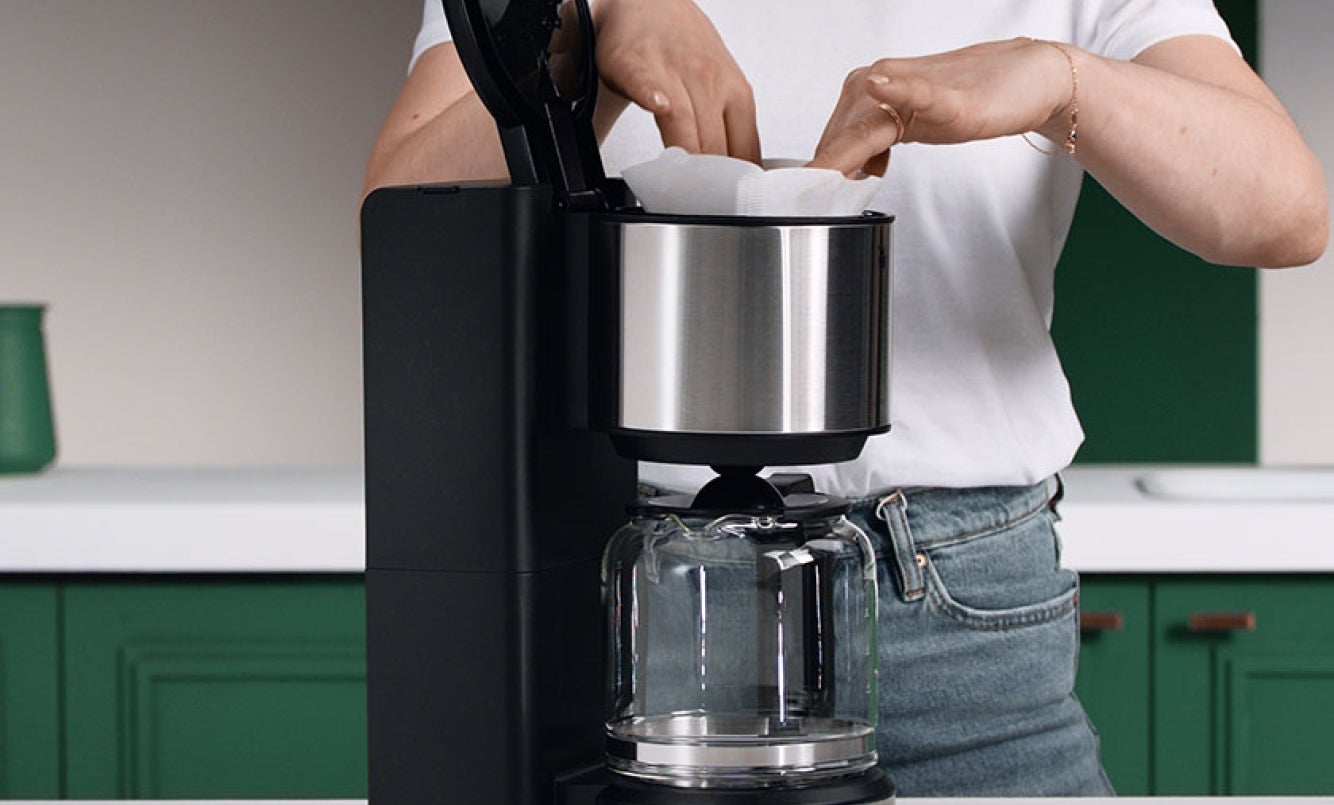
- Prep the machine and filter
- Rinse paper filters with hot water to remove paper flavor and preheat the carafe.
- Add the ground coffee to the filter and level it gently.
- Heat and pour water
- Most drip machines reach the right temp, about 195–205°F (90–96°C). If you’re pouring, let boiled water rest 30 seconds.
- Start the brew cycle
- Turn the machine on and let it complete the cycle. Avoid lifting the lid while brewing.
- Total brew time typically falls between 4 and 6 minutes for a full pot.
- Serve and store
- Pour coffee into cups or a thermal carafe. Keep the pot off the hot plate to avoid scorching.
- Store unused beans in an airtight container, away from heat and light.
Personal tip from my experience
- I found a kitchen scale changed everything. Consistency improves every week you use it.
- When I switched from scoops to grams, coffee improved in clarity and balance.
How this answers common questions
- If you wonder how to brew coffee in a coffee maker for 2 cups or 12 cups, adjust the grams of coffee to water using the same ratio.
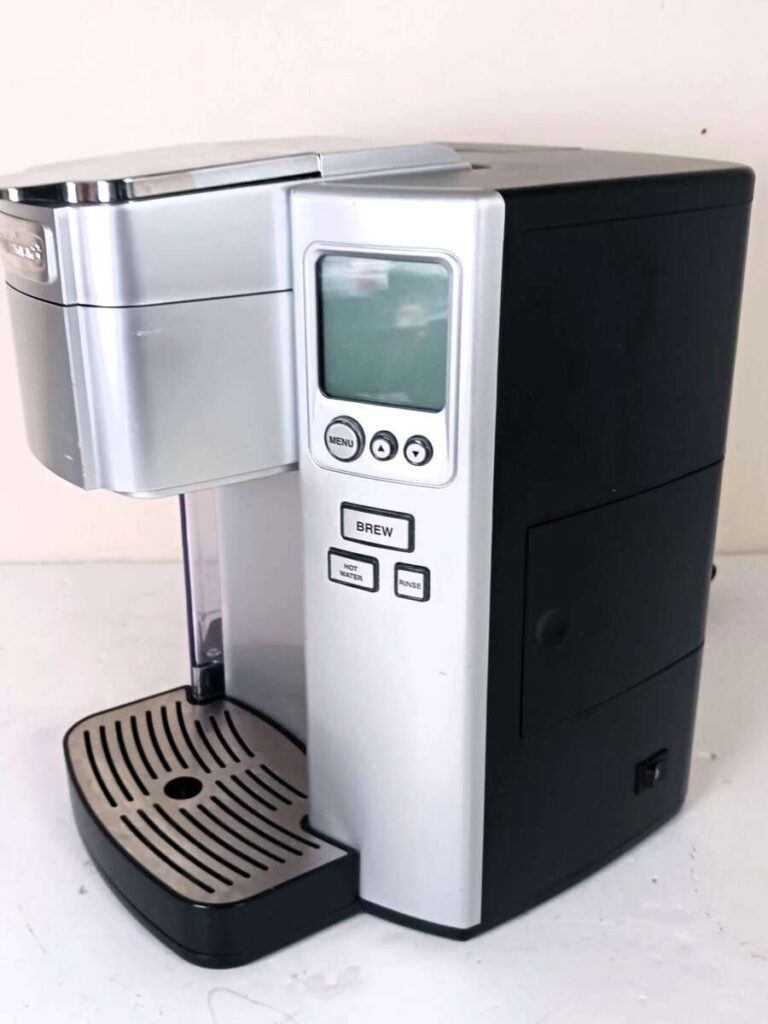
- For single-serve, use a smaller batch and keep the ratio constant.
Troubleshooting and common mistakes
Even simple machines can misbehave. Here’s how to fix the usual problems when you brew.
Coffee tastes sour or under-extracted
- Cause: grind too coarse or brew time too short.
- Fix: finer grind or slightly longer contact time.
Coffee tastes bitter or burned
- Cause: grind too fine, water too hot, or leaving pot on hot plate.
- Fix: coarser grind, correct water temp, move to thermal carafe.
Weak coffee
- Cause: too little coffee or wrong ratio.
- Fix: increase coffee weight to reach 1:15–1:17 ratio.
Clogged or slow brew
- Cause: old oils, mineral buildup, or too-fine grounds.
- Fix: run a vinegar or descaling solution through machine, clean basket, use coarser grind.
Machine won’t heat
- Cause: electrical issue or worn heating element.
- Fix: consult manufacturer or replace if old.
Advanced tips, variations, and optimization
Once you master basics, try these ideas to refine your cup. They refine how to brew coffee in a coffee maker without swapping machines.
Control strength and flavor
- Use a scale and tweak the ratio by 0.5–1 gram per cup to fine tune strength.
- Try a bloom step: wet grounds briefly before full brew to release trapped gases for fresher flavor.
Water quality and temp
- Use filtered or bottled water if tap tastes off.
- Ideal temperature range is 195–205°F; too cold under-extracts.
Pre-infusion and pulse brewing
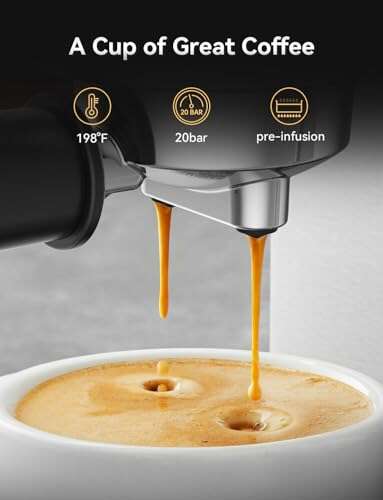
- If your machine supports pause or pre-wetting, let grounds sit for 30 seconds after wetting.
- This reduces channeling and improves extraction.
Cleaning and maintenance
- Descale every 1–3 months depending on water hardness.
- Replace paper filters and clean the basket and carafe regularly.
Flavor variations
- Try different roast levels. Lighter roasts highlight acidity and origin notes.
- Use freshly ground beans for a brighter cup.
Personal experiment notes
- I kept a small brew log. Note beans, grind, ratio, and result for each batch. This lets you repeat winners and avoid repeats of failures.
Frequently Asked Questions of how to brew coffee in a coffee maker
How much coffee should I use per cup?
Use a ratio of 1:15 to 1:17 coffee to water. For a 12-ounce cup, that usually means about 21–24 grams of coffee.
What grind size is best for a drip coffee maker?
A medium grind similar to coarse sand works well. If brew is bitter, try a coarser grind; if weak, go finer.
Should I rinse paper filters?
Yes. Rinsing removes paper taste and preheats the carafe. It gives cleaner flavor and better temperature stability.
How often should I descale my coffee maker?
Descale every 1–3 months, depending on water hardness and frequency of use. Regular descaling keeps flavors clean.
Can I use tap water for brewing?
You can, but filtered water usually makes better coffee. Tap water with strong chlorine or high mineral content can harm flavor.
Is a burr grinder worth it?
Yes. Burr grinders give consistent grind sizes, which improves extraction and makes it easier to dial in flavor.
How long does brewed coffee stay good?
For best taste drink within 30–60 minutes. Use a thermal carafe to keep coffee warm without overcooking it.
Conclusion
You can make reliably great coffee at home. Learn how to brew coffee in a coffee maker by focusing on ratios, grind, water, and clean gear. Small, consistent changes deliver big flavor wins. Try the steps, keep a simple log, and adjust by taste. If you enjoyed this guide, subscribe for more tips, leave a comment, or share your own brewing wins.

Liora Pennings is a seasoned chef and kitchen enthusiast with a passion for turning everyday cooking into an effortless experience. With years of hands-on culinary expertise, she specializes in practical techniques, ingredient know-how, and smart kitchen solutions that help home cooks elevate their meals. At KitchFlair.com, Liora shares her best tips, time-saving tricks, and honest product reviews to guide readers toward a more efficient, enjoyable, and inspired cooking routine. Whether you’re a beginner or a seasoned home chef, Liora’s friendly, knowledge-packed insights make every visit to the kitchen a little easier—and a lot more delicious.