Best Coffee Grind For Coffee Maker: Perfect Brew Guide
For most coffee makers, a medium grind delivers balanced flavor, clean flow, and fewer bitter or weak cups.
You fill the water tank, add fresh coffee, press start, and expect a smooth cup. Instead, the brew tastes thin, harsh, or muddy. The problem may not be the beans. It may be the grind size. Choosing the best coffee grind for coffee maker use helps water move through the grounds at the right speed. It also makes your machine easier to use and your morning cup more consistent.
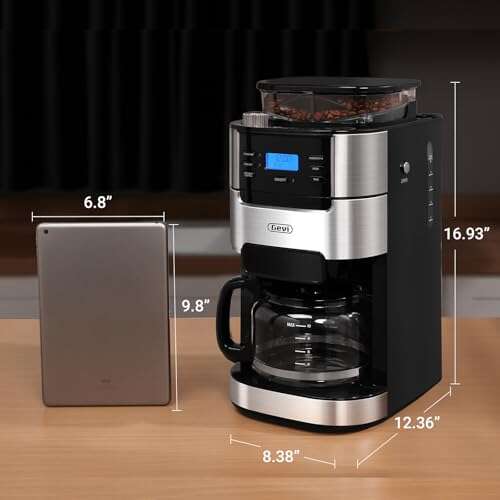
Gevi 10-Cup Grind-and-Brew Coffee Maker

The Gevi 10-Cup Grind-and-Brew model suits coffee drinkers who want fresh grounds without buying a separate grinder. Its built-in burr grinder helps produce a more even grind than a basic blade grinder. That matters because even particles let water extract the coffee at a steadier rate. For a drip setup, I would begin with a medium grind and adjust from there.
The 10-cup format also makes this machine useful for family kitchens and small offices. It can save counter space by combining grinding and brewing in one unit. Fresh grinding may bring out more aroma than using coffee that has sat open for days. I still recommend cleaning the grinder and brew path often, since old oils can affect flavor.
Pros:
- Built-in burr grinder saves counter space
- 10-cup capacity suits families and guests
- Fresh grinding can improve aroma and flavor
- One appliance handles grinding and brewing
- Medium grind settings are a useful starting point
- Helpful choice for people who want a simple coffee routine
Cons:
- Grinder and brew parts need regular cleaning
- Built-in systems may offer less control than a separate grinder
- The machine can take more counter space than a simple drip brewer
Gevi All-in-One 10-Cup Grind-and-Brew

The Gevi All-in-One 10-Cup model is aimed at users who want a tidy, repeatable brew process. It combines a burr grinder with a drip coffee maker, so I can move from whole beans to a full pot with fewer steps. This setup is useful when I want fresh coffee but do not want to measure grounds into a separate brewer. A medium grind should be the first setting to test for standard drip brewing.
This type of machine can also reduce guesswork for busy mornings. I can keep whole beans on hand and grind only what I need for the pot. The result depends on bean freshness, water quality, dose, and grind size, so the grinder is not the only factor. Still, the all-in-one design gives home users a practical path toward better coffee.
Pros:
- All-in-one design keeps the routine simple
- Built-in burr grinder supports a more even particle size
- 10-cup capacity works well for shared use
- Good fit for whole-bean coffee drinkers
- Reduces the need for separate countertop tools
- Medium grind offers a sound starting point for drip coffee
Cons:
- More parts can mean more cleaning work
- A combined machine may be less flexible than separate equipment
- Whole beans still require proper storage to stay fresh
ecozy 12-Cup Drip Coffee Maker With Grinder

The ecozy 12-cup drip coffee maker targets larger households and people who serve coffee throughout the day. Its electric grinder and brewer combination can make a full pot without the extra step of grinding beans elsewhere. The larger capacity may be useful for brunch, meetings, or a busy family kitchen. I would start with a medium grind because it normally matches the water flow of a drip coffee maker.
A 12-cup label usually refers to coffee-maker cups, not twelve large travel mugs. That point is worth remembering when planning servings. Like any grind-and-brew appliance, this model should be cleaned on a regular schedule to protect taste. If the coffee tastes bitter, I would try a slightly coarser setting; if it tastes weak, I would test a slightly finer setting.
Pros:
- 12-cup format is helpful for larger groups
- Electric grinder and brewer share one appliance
- Convenient choice for whole-bean coffee
- Drip design fits common home coffee habits
- Medium grind is an easy starting point
- Can reduce the need for separate grinding equipment
Cons:
- Larger machines need more storage space
- A full pot may be too much for one or two drinkers
- Cleaning the grinder is important but may add time
My Recommendation
I recommend the Gevi 10-Cup Grind-and-Brew model for most homes that want fresh coffee and a manageable size. The Gevi All-in-One is a strong fit for users who value a simple whole-bean routine. The ecozy 12-cup model makes more sense for large households or frequent group brewing. In all three cases, the best coffee grind for coffee maker use is usually medium, followed by small adjustments based on taste and brew time.
| Best for | Why |
|---|---|
| Daily family coffee | The Gevi 10-Cup model balances capacity with a space-conscious design. |
| Simple whole-bean brewing | The Gevi All-in-One combines grinding and brewing in one workflow. |
| Large groups | The ecozy 12-Cup model offers a larger pot for shared coffee service. |
What Is the Best Coffee Grind for Coffee Maker Use?
For a standard automatic drip coffee maker, medium grind is the safest choice. It looks a little like coarse sand or table salt. The particles should feel even, not powdery and not chunky. This size gives hot water enough contact with the coffee without slowing the flow too much.
The best coffee grind for coffee maker brewing depends on more than the machine name. Paper filters, reusable filters, brew temperature, coffee dose, and brew time all affect the result. The coffee should taste full and clear, with a pleasant aroma. If the cup tastes sharp and thin, the grind may be too coarse or the dose may be too low.
If the cup tastes dry, harsh, or deeply bitter, the grind may be too fine. Fine particles expose more surface area to water. This can cause over-extraction, especially when the water remains in contact with the grounds for too long. A small change can make a big difference, so I adjust one factor at a time.
Why Grind Size Changes Coffee Flavor
Coffee beans contain many flavor compounds. Water pulls these compounds from the ground beans during brewing. Grind size controls how much surface area touches the water and how quickly water moves through the coffee bed.
A fine grind exposes more surface area. It can produce a strong cup, but it can also slow drainage. A coarse grind lets water pass with less resistance. That can help prevent a long, harsh brew, but very coarse grounds may leave the coffee weak.
Think of the grind as a road for water. A fine grind creates a narrow, crowded road. Water moves slowly and touches more coffee. A coarse grind creates a wide road. Water moves fast and may not collect enough flavor. Medium grind gives most drip machines a balanced path.
Medium Grind Versus Other Grind Sizes
A medium grind works well for most automatic drip brewers. It also suits many flat-bottom and cone-style filter baskets. The exact setting can vary by grinder because one brand’s medium may look finer than another brand’s medium.
A medium-fine grind can help when the coffee tastes weak or watery. It slows the water a little and increases contact with the grounds. I use this change with care because too much fineness may create bitterness or a slow, uneven brew.
A medium-coarse grind can help when the coffee tastes harsh or drains too slowly. It gives water a clearer route through the filter. This adjustment may work well with certain machines that brew slowly or with reusable filters that hold water longer.
A coarse grind usually fits French press brewing better than automatic drip coffee. A very fine grind usually fits espresso machines or some stovetop brewers. Neither is normally the best coffee grind for coffee maker use when the machine uses a standard paper filter.
How to Choose Coffee Grind for Your Machine
Start by identifying the type of coffee maker. Automatic drip machines usually need medium grounds. Pour-over brewers often use medium to medium-fine grounds, although the exact size depends on the brewer and pouring method. French presses need coarse grounds, while espresso machines need a much finer grind.
Next, check the filter. Paper filters often work well with medium grounds. Reusable metal filters may allow more fine particles into the cup. Some users prefer a slightly coarser grind with a metal filter to reduce sediment and slow extraction.
Then consider the brew time. A normal drip brew should not take an unusually long time to finish. If water pools above the coffee or the machine drains very slowly, the grounds may be too fine. If the pot finishes very fast and tastes weak, the grounds may be too coarse.
Finally, taste the coffee. Taste is the best guide after the basic settings are correct. I do not chase a number on a grinder dial alone. I look for a cup with a clear aroma, balanced strength, mild sweetness, and a finish that does not feel dry.
Burr Grinder or Blade Grinder?
A burr grinder crushes beans between two grinding surfaces. It usually creates a more even particle size. That consistency helps water contact the coffee more evenly. It also gives the user better control when moving from coarse to medium or fine settings.
A blade grinder chops beans with a spinning blade. The longer it runs, the more fine dust it creates, but it may also leave larger pieces behind. This uneven mix can lead to uneven extraction. Some coffee may taste bitter while other parts remain under-extracted.
Built-in burr grinders, such as those found in the listed grind-and-brew machines, can make daily brewing easier. They save a step and reduce the need for a separate appliance. I still recommend checking the grind after the first few uses. The right setting depends on the grinder design and the coffee beans.
A separate burr grinder can offer more control. It may also be easier to clean or replace if a part wears out. A built-in grinder can be the better choice for a person who values speed, fewer tools, and a neat counter. The best option depends on how much control you want each morning.
Freshly Ground Beans and Better Drip Coffee
Freshly ground beans often smell stronger because grinding releases trapped aroma. Those aromas fade with time. Whole beans usually protect flavor better than ground coffee because less surface area touches air before brewing.
I suggest buying a reasonable amount of whole beans instead of storing a huge bag for many months. Keep the beans in an airtight container in a cool, dry, dark place. Avoid storing coffee in a hot spot near the stove or in a damp area beside the sink.
Do not place coffee in the refrigerator for normal daily use. Coffee can absorb odors and moisture. A freezer may work for long-term storage when the beans are sealed well, but repeated warming and cooling can create moisture. For most homes, an airtight cabinet container is simpler.
Use clean water as well. Water makes up most of the finished drink, so its taste matters. If tap water smells strong or leaves heavy scale, filtered water may improve both flavor and machine performance. Descale the coffee maker as the manual recommends.
How Much Coffee Should You Use?
A common starting point is about one to two level tablespoons of ground coffee for each six-ounce coffee-maker cup. This is only a starting point because bean type, roast level, grind size, and personal taste change the result. A kitchen scale gives more control than a spoon.
Many home brewers begin around a 1:15 to 1:17 coffee-to-water ratio. For example, 60 grams of coffee for 1,000 grams of water sits near a common drip range. You do not need to weigh every cup forever. Weighing a few brews helps you learn what strength you enjoy.
Use the same dose while testing grind size. If you change the amount and grind at the same time, you may not know what caused the flavor change. This simple habit makes dialing in much easier.
Dark roast beans often taste strong with a smaller dose, while light roast beans may benefit from a little more coffee or a slightly finer grind. The beans still need to taste balanced. Strength describes how intense the cup feels; extraction describes how much flavor the water pulls from the grounds.
Signs Your Coffee Grind Is Too Fine
The clearest sign of a grind that is too fine is a bitter or dry taste. The coffee may feel rough on the tongue. The brew may also take too long, and the filter basket may hold water after the machine should have finished.
Fine grounds can clog some filters. They may also slip through a reusable metal filter and create heavy sediment. If you see a thick layer of sludge in the cup, try a slightly coarser grind.
Do not assume every bitter cup comes from fine grounds. Water that is too hot, old coffee, a dirty machine, or an overly dark roast can also create bitterness. Change one thing at a time before making a large adjustment.
Signs Your Coffee Grind Is Too Coarse
Coffee made with overly coarse grounds often tastes weak, sour, or empty. It may have a pale color and a quick brew time. Water can pass through the coffee bed before it extracts enough flavor.
A slightly finer grind may solve the issue. You can also check the coffee dose and water level. If you use too little coffee, a finer grind alone may not fix the weak taste.
Very coarse grounds are not always bad. They are useful for brewing methods with long contact time, such as French press. The key is to match the grind to the machine and brewing method.
Paper Filter or Reusable Filter?
Paper filters catch oils and fine particles. They often produce a clean, bright cup. They also make cleanup simple because I can lift out the used filter and grounds.
Reusable filters reduce paper waste and can lower long-term supply costs. They may let more oils enter the cup, which can give coffee a fuller feel. They also need careful rinsing because coffee oils can build up.
The filter shape matters too. Cone filters can create a deeper coffee bed. Flat-bottom filters spread the grounds over a wider area. Both can make good coffee, but the grind may need a small adjustment for even flow.
If a reusable filter produces too much sediment, use a slightly coarser version of the best coffee grind for coffee maker brewing. If the cup tastes thin, move one step finer or increase the coffee dose slightly.
Does Roast Level Affect the Best Grind?
Roast level can affect how quickly coffee extracts. Dark roasted beans often have a more open structure and may extract with less effort. A medium grind can work well, but a slightly coarser setting may help if the cup tastes bitter.
Light roasted beans can taste dense and bright. Some need a little more contact with water. A slightly finer grind, warmer water, or a higher dose may help bring out sweetness and body.
Medium roast beans are often easy to use with standard drip settings. I still treat the roast label as a starting clue, not a rule. Bean origin, processing method, age, and brewing machine all matter.
Best Grind for Different Coffee Makers
For an automatic drip machine, choose medium grind first. This is the most useful answer for shoppers searching for the best coffee grind for coffee maker. Adjust toward medium-fine if the cup tastes weak and drains too fast. Adjust toward medium-coarse if the cup tastes bitter or drains too slowly.
For a single-serve basket brewer, medium to medium-fine may work well. Small baskets can need a controlled grind because water moves through a compact coffee bed. Avoid powder-like grounds unless the machine specifically calls for them.
For a pour-over brewer, medium-fine often gives good control. Your pour speed and water amount matter as much as the grind. If the water drains too fast, grind finer. If it stalls, grind coarser.
For a French press, use coarse grounds. The mesh filter does not remove fine dust as well as paper. Coarse particles make plunging easier and can reduce muddy sediment.
For espresso, use a fine grind. Espresso uses pressure and a short brew time. The fine texture creates enough resistance for proper flow. Standard drip coffee makers do not need espresso-fine grounds.
How I Test a New Grind Setting
I start with fresh beans, clean equipment, and filtered water. I use the same coffee dose and water amount for each test. Then I choose a medium grind and brew a full batch.
I check the brew time and look at the used grounds. I do not treat either sign as perfect proof, but both can reveal problems. A wet, clogged bed and a slow drain suggest too much resistance. A fast, pale brew suggests too little resistance.
Then I taste the coffee after it cools for a few minutes. Very hot coffee can hide sour or bitter notes. I look for balance rather than maximum strength.
If the coffee tastes sour or weak, I make the grind slightly finer. If it tastes bitter or dry, I make it slightly coarser. I wait until the next full brew before judging the change. This method keeps the process calm and repeatable.
Cleaning a Grind-and-Brew Coffee Maker
A grinder can hold small bits of coffee after each use. Those bits may become stale and add a flat taste to the next pot. Brush away loose grounds as the manufacturer allows, and follow the manual before removing any part.
The brew basket and carafe need regular washing. Coffee oils can form a thin film that affects aroma. Warm water and mild dish soap usually handle daily cleaning, but always follow the care instructions.
Mineral scale can build up inside the water path. Scale may slow heating and change the flow rate. Use the descaling method recommended for your machine and water type.
Never ignore a strange smell. A sour, rancid, or burnt odor may signal old coffee oil or trapped moisture. Cleaning the machine can improve flavor more than changing from one grind setting to another.
Common Mistakes That Hurt Coffee Flavor
One common mistake is using coffee grounds that are too fine for a drip machine. The water slows down, and the coffee may become bitter. Another mistake is choosing very coarse grounds because they look less likely to clog. That can create a weak cup.
Many people also use too much water. A large reservoir does not mean every brew needs to reach its maximum fill line. Match the water level to the amount of coffee you use.
Storing ground coffee in an open bag is another problem. Air, heat, light, and moisture reduce freshness. An airtight container offers a better home for coffee.
I also see people change several settings at once. They switch beans, dose, water, and grind in one morning. That makes the result hard to read. Small steps give better information.
Tips for Better Coffee From the Listed Machines
Use whole beans when possible and grind right before brewing. Start at a medium setting. Let the machine finish its cycle before judging the first cup.
Measure water at the same level each time. If your machine uses cup markings, remember that its cup may be smaller than a standard eight-ounce serving. This explains why a “10-cup” or “12-cup” machine may fill fewer large mugs than expected.
Rinse a paper filter before brewing if your filter type allows it. This can reduce paper taste and warm the basket. Do not rinse a filter that the manufacturer says to use dry.
Use a clean carafe. Old coffee left in the pot can add burnt flavors to a fresh batch. I prefer to brew only what I expect to drink within a reasonable time.
For the best coffee grind for coffee maker results, keep a short note of your settings. Record the bean, roast, dose, water, grind, and taste. After a few brews, you will see a clear pattern.
What Experts Say About Extraction
Coffee professionals often describe brewing through extraction. Under-extracted coffee has not given enough flavor compounds to the water. It often tastes sour, sharp, or thin. Over-extracted coffee gives up too much and can taste bitter, dry, or harsh.
The Specialty Coffee Association commonly uses a balanced extraction range as a quality guide. Home brewers do not need lab tools to make good coffee. Taste, brew time, and a consistent process can guide most useful changes.
The National Coffee Association also supports basic habits such as using fresh coffee, clean water, and proper storage. These habits sound simple, but they solve many problems that people blame on the grinder.
The best coffee grind for coffee maker brewing is not one universal number. It is the grind that gives your machine enough resistance for a balanced extraction. That is why small adjustments matter.
Buying Advice for a Grind-and-Brew Machine
Look first at capacity. A 10-cup machine may suit a family or couple who drinks several cups. A 12-cup model may be better for guests or an office. If you usually drink one mug, a large model may create waste unless it supports smaller batches well.
Next, consider grinder access. A grinder that is easy to reach and clean will be more pleasant over time. Coffee dust builds up in every grinder, so maintenance should not feel like a major chore.
Check the controls and brew style. Some users want a simple start button. Others want control over grind, strength, or timing. More controls can help, but they can also make a machine feel less direct.
Think about the carafe and counter space. A glass carafe may work well with a hot plate, while an insulated carafe can help hold heat without continued heating. Measure the space beneath cabinets before buying a tall appliance.
Finally, consider the cost of ownership. You may need filters, cleaning supplies, and replacement parts. A machine that costs slightly more but is easy to maintain may offer better value in daily use.
Best Coffee Grind for Coffee Maker: Quick Troubleshooting
If the coffee tastes weak, check the grind first. Move one small step finer. If the problem remains, check whether you used enough coffee and whether the water level is correct.
If the coffee tastes bitter, move one small step coarser. Also check for old grounds in the grinder, stale beans, or a dirty brew basket. A darker roast may need a gentler setting than a light roast.
If the coffee tastes sour, the grind may be too coarse. Try a slightly finer setting and make sure the water is heating properly. Sour flavor can also appear when the machine brews too quickly.
If the coffee tastes flat, freshness may be the main issue. Use beans stored in an airtight container. Clean the grinder and brew basket before changing the grind.
If the machine overflows, stop using it until you check the basket and filter. Excessively fine grounds, a folded filter, or a blocked outlet can restrict flow. Follow the product manual for safe inspection.
FAQs Of best coffee grind for coffee maker
What is the best coffee grind for a standard drip coffee maker?
Medium grind is the best starting point for most standard drip coffee makers. It should look like fine sand or table salt. Adjust slightly finer for weak coffee or slightly coarser for bitter coffee.
Can I use fine coffee grounds in a drip coffee maker?
You can, but fine grounds may slow the water and create a bitter or dry cup. They may also clog some filters. Use fine grounds mainly when the machine or brewing method calls for them.
Is coarse grind good for a coffee maker?
Coarse grind is usually better for French press brewing. In a drip machine, very coarse grounds may let water pass too quickly. That can produce weak coffee with little body.
Does a burr grinder make better drip coffee?
A burr grinder usually creates more even particles than a blade grinder. Even grounds can improve extraction and make the taste more consistent. A built-in burr grinder also adds convenience.
How do I fix weak coffee from my coffee maker?
Try a slightly finer grind first. If the coffee still tastes weak, increase the coffee dose or reduce the water slightly. Change one factor at a time so you can see what helps.
Final Verdict: Which Should You Buy?
The Gevi 10-Cup Grind-and-Brew is my top pick for most homes. It offers a useful size and built-in burr grinding. The best coffee grind for coffee maker use remains medium for a balanced first brew.
Choose the ecozy for larger groups and the Gevi All-in-One for a simple whole-bean routine. Any of these machines can support fresh, convenient drip coffee when you use clean water, fresh beans, and the right grind.

Liora Pennings is a seasoned chef and kitchen enthusiast with a passion for turning everyday cooking into an effortless experience. With years of hands-on culinary expertise, she specializes in practical techniques, ingredient know-how, and smart kitchen solutions that help home cooks elevate their meals. At KitchFlair.com, Liora shares her best tips, time-saving tricks, and honest product reviews to guide readers toward a more efficient, enjoyable, and inspired cooking routine. Whether you’re a beginner or a seasoned home chef, Liora’s friendly, knowledge-packed insights make every visit to the kitchen a little easier—and a lot more delicious.