Most Dyson cordless vacuum cleaners use a 21.6-volt or 25.2-volt lithium-ion battery, depending on the model.
Knowing how many volts is a Dyson cordless vacuum cleaner can help you choose the right battery, charger, and replacement parts. The answer is not the same for every Dyson model, because Dyson has used several battery designs over the years. This guide explains the voltage of popular Dyson cordless vacuums, what the numbers mean, and how to check your own machine safely.
How Many Volts Is a Dyson Cordless Vacuum Cleaner?
Most Dyson cordless vacuum cleaners run on a rechargeable lithium-ion battery with a nominal voltage of either 21.6 volts or 25.2 volts.
The exact voltage depends on the model:
| Dyson model family | Typical battery voltage |
|---|---|
| Dyson V6 | 21.6 volts |
| Dyson V7 | 21.6 volts |
| Dyson V8 | 21.6 volts |
| Dyson V10 | 25.2 volts |
| Dyson V11 | 25.2 volts |
| Dyson V12 Detect Slim | 25.2 volts |
| Dyson V15 Detect | 25.2 volts |
| Dyson Gen5detect | 25.2 volts |
These figures refer to the battery’s nominal voltage. A fully charged lithium-ion battery may show a slightly higher reading with a multimeter. For example, a 21.6-volt battery can measure close to 25.2 volts when fully charged.
So, when someone asks how many volts is a Dyson cordless vacuum cleaner, the safest short answer is this: older Dyson models often use 21.6 volts, while many newer models use 25.2 volts.
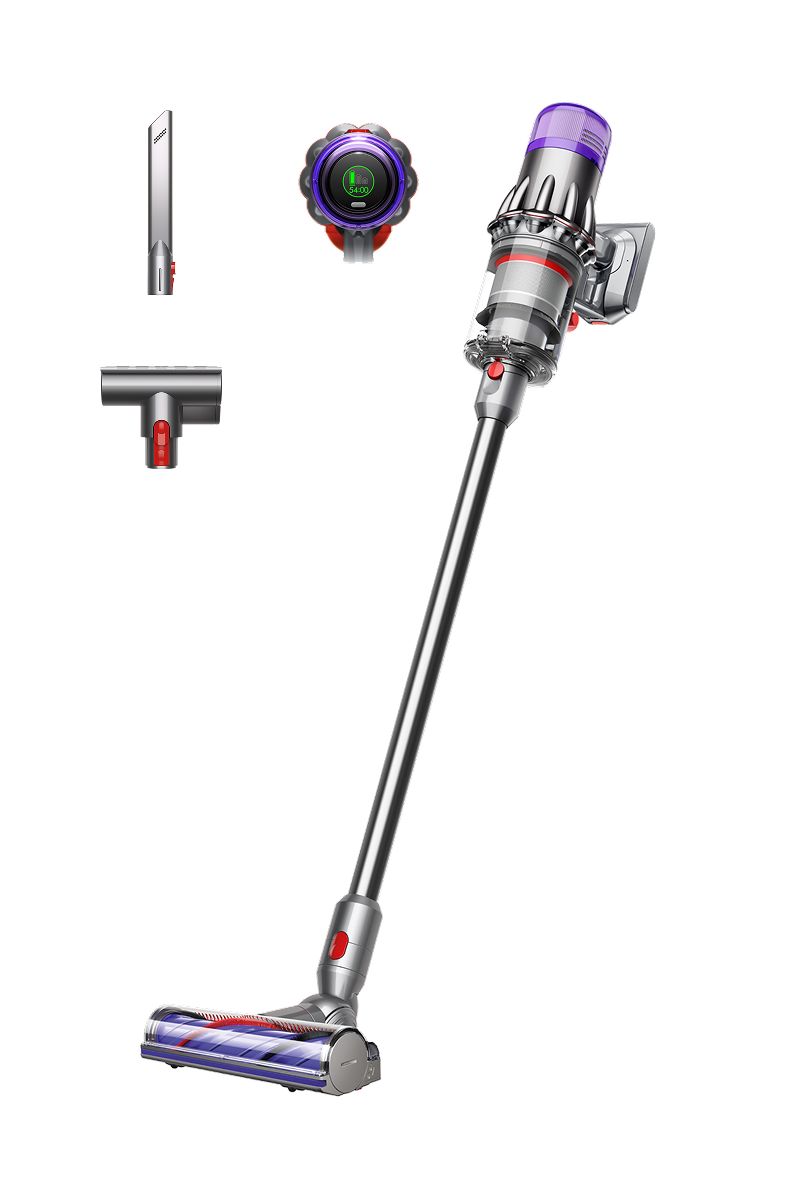
Dyson Cordless Vacuum Voltage by Model
Dyson has changed its battery systems as its cordless vacuum range has improved. Checking the model number is more reliable than guessing from the vacuum’s appearance.
Dyson V6 voltage
The Dyson V6 usually uses a 21.6-volt battery pack. It has a six-cell lithium-ion design, with each cell providing about 3.6 volts at nominal charge.
The V6 is an older model, so its original battery may have lost capacity over time. A replacement battery should match the correct voltage, connector, and physical shape.
Dyson V7 voltage
The Dyson V7 also commonly uses a 21.6-volt battery. Its battery looks similar to the V6 battery, but the parts are not always interchangeable.
Always check the exact part number before ordering. A battery that fits the handle may still have the wrong connector or control system.
Dyson V8 voltage
The Dyson V8 cordless vacuum cleaner normally uses a 21.6-volt lithium-ion battery. This applies to popular versions such as the V8 Animal, V8 Absolute, and V8 Motorhead.
The V8 battery has a larger capacity than some older batteries, but its voltage remains in the same nominal range. This means a higher-capacity battery may improve runtime, but it does not automatically increase the vacuum’s motor voltage.
Dyson V10 voltage
The Dyson V10 typically uses a 25.2-volt battery pack. This higher voltage supports the V10’s more powerful motor and longer cleaning performance.
V10 models include the Cyclone V10 Animal, Absolute, and Motorhead. Their batteries may have different capacities, but the standard operating voltage is generally the same.
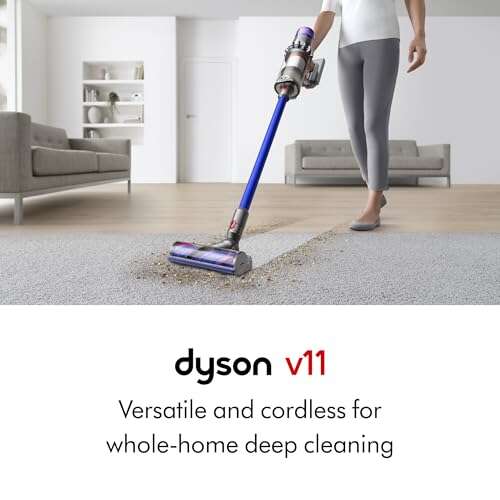
Dyson V11 voltage
The Dyson V11 cordless vacuum cleaner usually uses a 25.2-volt battery. Some V11 versions have a removable click-in battery, while others use a battery that is secured with screws.
The battery design can vary by region and model. Before buying a replacement, confirm whether your V11 uses a click-in or screw-in battery.
Dyson V12, V15, and Gen5 voltage
The Dyson V12 Detect Slim, V15 Detect, and Gen5detect generally use 25.2-volt battery packs. These machines also include more advanced sensors, screens, and power controls.
The V12 battery is not automatically compatible with a V15 or Gen5detect battery. Matching voltage is only one part of compatibility. The connector, battery management system, size, and software communication must also match.

Why Dyson Uses Different Battery Voltages
Battery voltage affects the way a cordless vacuum motor receives power. A higher voltage can allow a motor to produce strong performance without drawing as much current for the same power level.
A simple electrical formula explains the relationship:
Power equals voltage multiplied by current.
In other words:
• Power = volts × amps
A 25.2-volt battery can deliver a given amount of power with less current than a lower-voltage battery. This can help reduce heat in wires and electronic parts, although the final performance also depends on motor design, airflow, filtration, and software controls.
Voltage is only one piece of the puzzle. It does not tell you the complete suction power of a Dyson cordless vacuum cleaner.
Other factors include:
• Motor speed and design
• Airflow through the cleaner head
• Filter condition
• Battery capacity
• Cleaning mode
• Brush bar design
• Dust-bin airflow
• Seal quality around the floor head
This is why a 21.6-volt Dyson can still clean very well. A vacuum with a well-designed motor and airflow system can outperform a machine with a higher voltage on some surfaces.
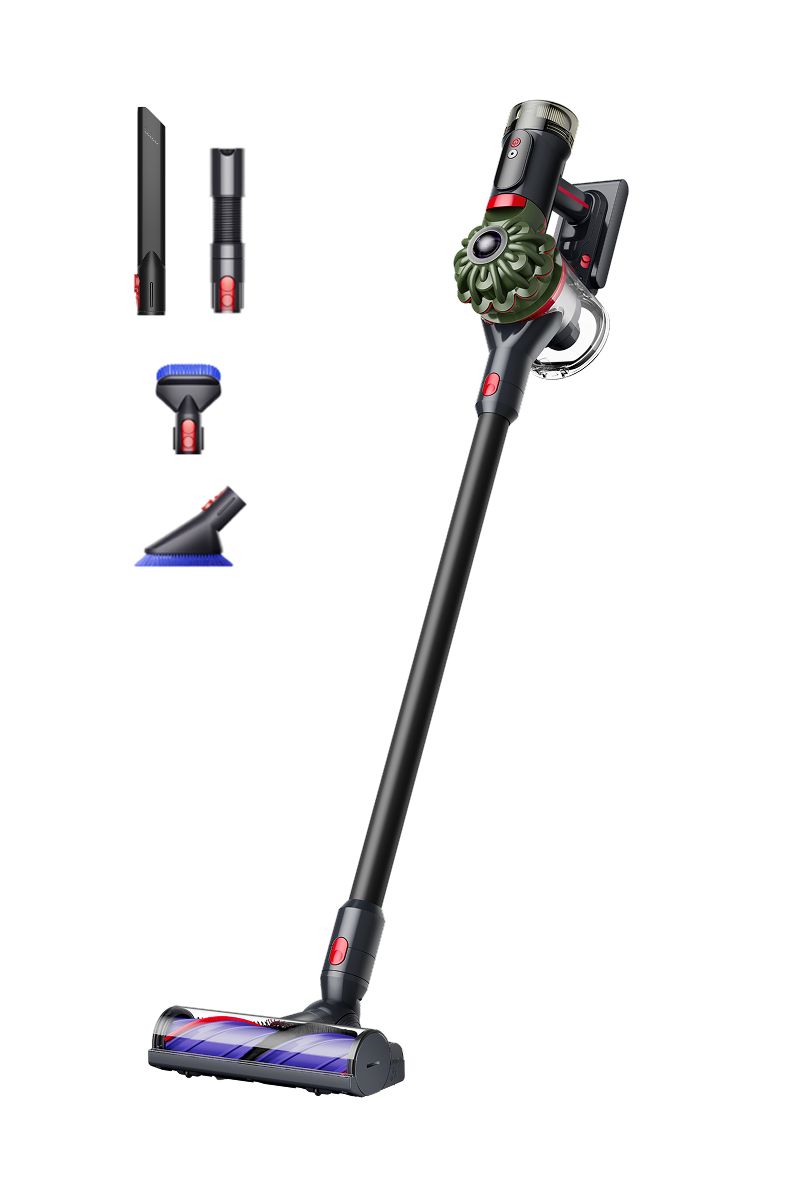
Nominal Voltage vs. Fully Charged Voltage
One of the most confusing parts of Dyson battery voltage is the difference between nominal voltage and charging voltage.
A lithium-ion cell has a nominal voltage of about 3.6 volts. When fully charged, that cell can reach about 4.2 volts. A six-cell battery pack may therefore have these approximate readings:
• Nominal voltage: 21.6 volts
• Fully charged voltage: 25.2 volts
A seven-cell pack may have these approximate readings:
• Nominal voltage: 25.2 volts
• Fully charged voltage: 29.4 volts
This does not mean the battery has the wrong voltage. It is normal for the voltage to rise while charging and fall during use.
If you use a multimeter, do not expect a 21.6-volt Dyson battery to read exactly 21.6 volts at every moment. The reading changes with charge level, temperature, battery age, and whether the battery is connected to the vacuum.
This distinction is important when reading product listings. Some sellers list the nominal voltage, while others list the maximum charging voltage. Compare the terms carefully before buying.

Does Voltage Affect Dyson Suction Power?
Voltage can affect motor performance, but it does not directly equal suction power. Suction depends on how the motor, air path, cleaner head, and filters work together.
For example, two Dyson vacuums may both use 25.2 volts but provide different real-world results. One may have a faster motor, better seals, or a more effective brush bar.
Cleaning mode also changes performance. Dyson cordless models often offer modes such as:
• Eco mode for longer battery life
• Auto mode for a balance of power and runtime
• Boost mode for short bursts of maximum power
Boost mode uses more energy. A battery may drain much faster in Boost than in Eco mode, even though the battery voltage stays within the same general range.
In everyday use, a clean filter often matters more than a small voltage difference. A clogged filter restricts airflow and makes the vacuum feel weak. Cleaning the filter as directed can restore performance without replacing the battery.

How to Find the Voltage of Your Dyson Vacuum
You can identify how many volts is a Dyson cordless vacuum cleaner by checking the model and battery label.
Follow these steps:
-
Turn off the vacuum and remove it from the charger.
-
Find the model name on the handle, battery, dust bin, or original paperwork.
-
Look for a label on the battery pack.
-
Check the voltage printed beside terms such as “V,” “volts,” or “nominal voltage.”
-
Compare the battery with the official replacement part for your model.
-
Contact Dyson support if the label is worn or missing.
The model name may be printed in small letters. Common examples include V8, V10, V11, V12, V15, and Gen5detect.
Do not rely only on the charger label. The charger may show its output voltage rather than the battery’s nominal voltage. Those numbers can be different because the charger must provide enough voltage to charge the battery safely.

Dyson Battery Voltage and Charger Voltage
A Dyson charger is designed for a specific battery system. The output printed on the charger may be higher than the battery’s nominal voltage.
For example, a charger used with a 21.6-volt battery may have an output near the battery’s full-charge voltage. A charger for a 25.2-volt battery may have a higher output still.
This is normal for lithium-ion charging. The charger does not simply send power without control. The vacuum and battery pack use charging electronics to manage current, temperature, and charge level.
Never assume that two chargers are safe to swap because the plugs look alike. Using the wrong charger can damage the battery, vacuum, or charging circuit. It can also create a fire risk.
Use:
• The original Dyson charger
• A replacement approved for your exact model
• A charger with the correct voltage, current, connector, and polarity
Avoid unbranded chargers that make unclear claims. Low-quality battery chargers may lack proper protection against overheating, overcharging, and short circuits.
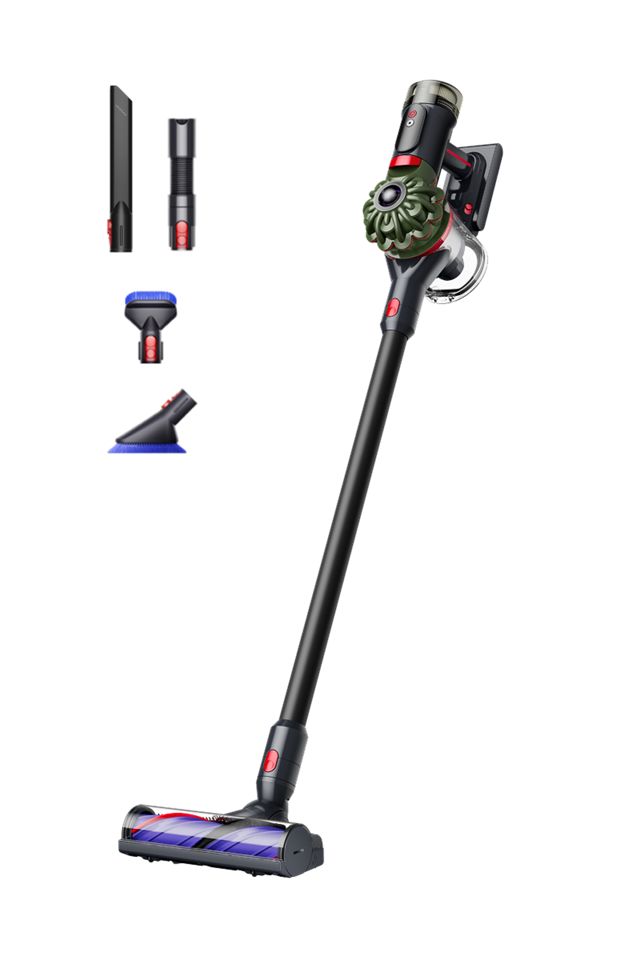
Can You Use a Higher-Voltage Battery in a Dyson?
You should not install a higher-voltage battery in a Dyson cordless vacuum unless the manufacturer specifically lists it as compatible.
A higher-voltage battery may damage the motor controller or other electronic parts. It may also cause overheating, poor charging, or sudden failure.
For example, a 25.2-volt battery should not be used in a vacuum designed for a 21.6-volt battery. Matching the physical shape is not enough.
The same warning applies in reverse. A lower-voltage battery may not power the vacuum correctly. It could cause weak performance, charging errors, or failure to start.
A safe replacement must match:
• Nominal voltage
• Maximum charging voltage
• Battery chemistry
• Connector design
• Battery management system
• Physical dimensions
• Manufacturer compatibility
Voltage is the first check, not the only check.
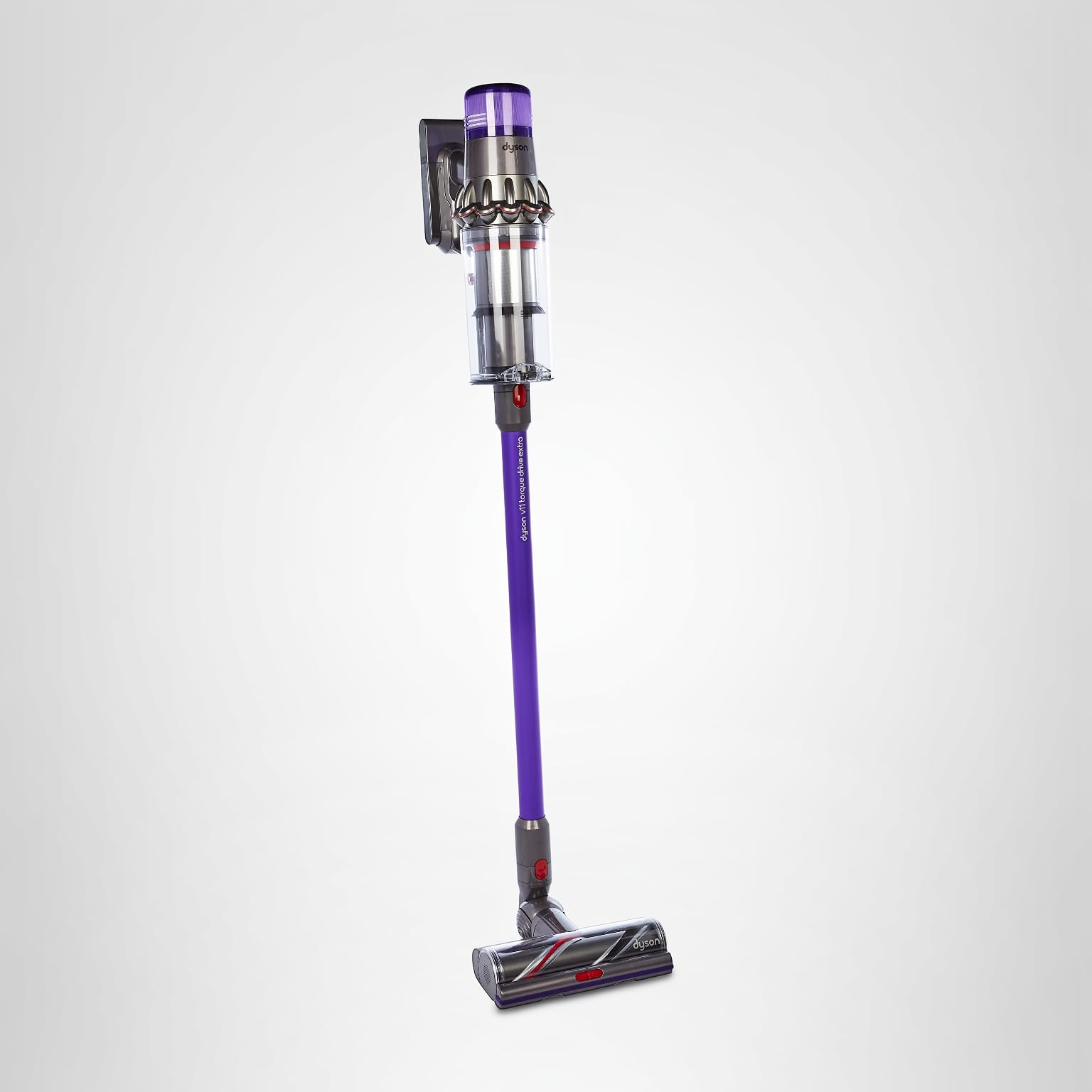
How Battery Capacity Differs From Voltage
Voltage and capacity are different measurements.
Voltage describes electrical pressure. Battery capacity describes how much energy the battery can store. Capacity is often listed in ampere-hours, or Ah, and sometimes watt-hours, or Wh.
A simple formula is:
• Watt-hours = volts × ampere-hours
For example, a 25.2-volt battery with a higher amp-hour rating can store more energy than a 25.2-volt battery with a lower rating. That may provide longer runtime, but only if the battery is fully compatible with the vacuum.
A higher-capacity replacement can also be heavier. It may change the balance of the vacuum and may not fit the original charging system.
In practical use, battery condition has a major effect. If a Dyson runs for only a few minutes, stops under load, or shows a flashing light, the battery may be worn out. However, a blocked filter, tangled brush bar, or damaged cleaner head can cause similar symptoms.
Common Mistakes When Replacing a Dyson Battery
Many battery problems come from choosing a part by appearance alone. A replacement may look correct but still have a different internal circuit or software setup.
Here are mistakes worth avoiding:
• Buying a battery based only on the Dyson name
• Confusing 21.6 volts with 25.2 volts
• Using a V10 battery in a V8
• Ignoring click-in and screw-in battery differences
• Buying a charger with an unverified output
• Assuming a larger capacity always means better performance
• Installing a damaged or swollen battery
• Charging a battery near heat, water, or flammable items
I have found that the most common error is skipping the model number. The safest habit is to photograph the battery label before ordering. That small step can prevent an expensive return or an unsafe mismatch.
If a battery is swollen, cracked, hot, or leaking, stop using it. Do not puncture it or place it in household trash. Follow local rules for lithium-ion battery recycling.
How to Extend the Life of a Dyson Battery
Good charging habits can help preserve battery performance. Dyson batteries are designed for regular use, but heat and heavy load can shorten their service life.
Use these practical habits:
• Clean the filter on the schedule recommended for your model.
• Keep hair and threads away from the brush bar.
• Use Eco mode for routine cleaning.
• Save Boost mode for rugs, corners, and heavy dirt.
• Let the machine cool if it becomes unusually hot.
• Store the vacuum in a dry indoor area.
• Use the correct Dyson charger.
• Do not continue using a battery that shows damage.
Filters deserve special attention. A blocked filter makes the motor work harder and can reduce runtime. In my experience, users often blame the battery first when a filter wash and full drying period would solve much of the problem.
Never reinstall a washable filter while it is damp. Moisture can reach the motor and electronic parts. Allow the filter to dry completely before use.
Is a 25.2-Volt Dyson Better Than a 21.6-Volt Model?
Not always. A 25.2-volt Dyson may offer strong motor performance, but the best model depends on your floors, home size, cleaning habits, and budget.
A 21.6-volt V8 can be a practical choice for apartments, small homes, and quick daily cleaning. A 25.2-volt V11, V12, V15, or Gen5 model may suit larger homes, thick rugs, pets, or users who want advanced sensors and displays.
Consider these points:
• Runtime in the cleaning mode you will actually use
• Battery replacement cost
• Weight and balance
• Dust-bin size
• Filter maintenance
• Cleaner-head design
• Warranty support
• Availability of replacement parts
Higher voltage does not automatically mean better value. A well-maintained older Dyson may meet your needs better than a newer model with features you rarely use.
Frequently Asked Questions About How Many Volts Is a Dyson Cordless Vacuum Cleaner
How many volts is a Dyson V8 cordless vacuum cleaner?
A Dyson V8 cordless vacuum cleaner normally uses a 21.6-volt lithium-ion battery. Its fully charged battery may measure about 25.2 volts, which is different from its nominal voltage.
How many volts is a Dyson V10 cordless vacuum cleaner?
A Dyson V10 cordless vacuum cleaner typically uses a 25.2-volt battery pack. Use a replacement made for the exact V10 version and do not substitute a V8 battery.
How many volts is a Dyson V11 cordless vacuum cleaner?
Most Dyson V11 cordless vacuum cleaners use a 25.2-volt lithium-ion battery. The battery style can vary, so check whether your model uses a click-in or screw-in design.
Can I use a 25.2-volt battery in a 21.6-volt Dyson?
No, not unless Dyson specifically confirms compatibility. A higher-voltage battery can damage the vacuum’s electronics and may create a safety hazard.
Is the Dyson charger voltage the same as the battery voltage?
Not always. The charger output is often higher than the battery’s nominal voltage because it must charge the battery to its full level.
How can I check my Dyson battery voltage?
Read the label on the battery or search the exact model in the official product information. You can also check the original manual, but do not test damaged batteries with a multimeter.
Does a higher-voltage Dyson have stronger suction?
Higher voltage can support motor performance, but it does not guarantee stronger suction. Motor design, airflow, filtration, cleaner heads, and cleaning mode also affect results.
Conclusion
Most Dyson cordless vacuum cleaners use either a 21.6-volt or 25.2-volt lithium-ion battery. Older models such as the V6, V7, and V8 generally use 21.6 volts, while the V10, V11, V12, V15, and Gen5 families commonly use 25.2 volts.
Remember that nominal battery voltage is not the same as the fully charged reading on a multimeter. Before buying a battery or charger, match the exact model, voltage, connector, battery design, and manufacturer specifications.
Check your battery label today, clean the filters, and use the correct charger. If you are comparing replacement batteries or Dyson models, explore the official specifications and share your model number in the comments for a more informed decision.

Liora Pennings is a seasoned chef and kitchen enthusiast with a passion for turning everyday cooking into an effortless experience. With years of hands-on culinary expertise, she specializes in practical techniques, ingredient know-how, and smart kitchen solutions that help home cooks elevate their meals. At KitchFlair.com, Liora shares her best tips, time-saving tricks, and honest product reviews to guide readers toward a more efficient, enjoyable, and inspired cooking routine. Whether you’re a beginner or a seasoned home chef, Liora’s friendly, knowledge-packed insights make every visit to the kitchen a little easier—and a lot more delicious.