How Many Ounces Does A 10 Cup Coffee Maker Make: Explained
A 10-cup coffee maker typically brews 50 fluid ounces, based on the standard five-ounce coffee cup.
If you are wondering how many ounces does a 10 cup coffee maker make, the simple answer is 50 fluid ounces. However, coffee maker “cups” are smaller than the 8-ounce cups used for milk or juice. I have measured many coffee makers in kitchens and offices, and this small difference often explains why a full pot seems smaller than expected. This guide explains the math, real serving sizes, water loss, and the best way to measure your brew.
How Many Ounces Does a 10 Cup Coffee Maker Make?
A standard 10-cup coffee maker makes about 50 fluid ounces of coffee. The calculation is simple:
10 coffee cups × 5 fluid ounces = 50 fluid ounces
The five-ounce measurement is the common industry standard used on many drip coffee machines. It is not the same as a normal American drinking cup, which usually holds 8 fluid ounces.
A full 10-cup coffee maker may therefore provide:
• 50 fluid ounces before brewing loss
• About 45 to 48 fluid ounces of finished coffee in some cases
• Around six 8-ounce servings
• About four 12-ounce travel mug servings
The exact output can vary by brand, model, grind size, and how much water the coffee grounds hold. The number printed on the machine refers to the water capacity or serving count, not always the exact amount of coffee that reaches your pot.

Why Is a Coffee Maker Cup Only 5 Ounces?
Coffee maker cups use a traditional serving measurement. In the United States, many drip coffee machines define one cup as 5 fluid ounces. This measurement became common because coffee was often served in small cups rather than large mugs.
That means a 10-cup machine does not make ten standard 8-ounce cups. Instead, it makes ten small 5-ounce servings.
Here is the difference:
• One coffee maker cup equals about 5 fluid ounces
• One standard US measuring cup equals 8 fluid ounces
• One large mug may hold 10 to 16 fluid ounces
• One travel mug often holds 12 to 20 fluid ounces
This is why the answer to how many ounces does a 10 cup coffee maker make can feel confusing. The word “cup” has two meanings. One describes a coffee maker serving, while the other describes a kitchen measurement.
Think of the coffee maker cup as a small scoop, not a full drinking mug. Ten small scoops add up to 50 fluid ounces, but that amount fills far fewer large mugs.
How Many Regular Cups Come From a 10 Cup Coffee Maker?
A 10-cup coffee maker makes about 6.25 standard 8-ounce cups. In real use, you can usually expect about six regular cups with a small amount left over.
The math looks like this:
50 fluid ounces ÷ 8 fluid ounces = 6.25 cups
The result changes with your serving size:
• 5-ounce servings: 10 cups
• 6-ounce servings: About 8.3 cups
• 8-ounce servings: About 6.25 cups
• 10-ounce servings: 5 cups
• 12-ounce servings: About 4.2 cups
• 16-ounce servings: About 3.1 cups
If you drink coffee from a standard 12-ounce mug, a 10-cup machine will make about four full mugs. If you use a smaller 8-ounce cup, you can pour six servings and still have a little coffee remaining.
During testing, I have found that most people overestimate coffee maker capacity because they count their mug as one cup. A machine labeled “10 cups” may serve a family at breakfast, but it may only fill four large commuter mugs.
How Much Coffee Does a 10 Cup Coffee Maker Really Produce?
A 10-cup coffee maker is designed to hold about 50 fluid ounces of brewing water. The finished amount may be slightly lower because coffee grounds absorb water during brewing.
Coffee grounds can retain some liquid, and a small amount may also remain in the filter basket or internal tubing. As a result, the coffee in the carafe may measure closer to 45 to 48 fluid ounces, depending on the machine and the coffee dose.
Several factors affect the final amount:
• Coffee grounds absorb part of the brewing water
• A finer grind may hold water longer
• A reusable filter may drain differently than a paper filter
• Some machines leave water in the reservoir or heating system
• Stronger brew settings may use a different water flow pattern
• The carafe markings may show water capacity rather than finished coffee
This does not mean the coffee maker is faulty. The printed cup count is a practical serving estimate. It is not a promise that the carafe will contain exactly 50 fluid ounces after brewing.
For the most accurate result, fill the reservoir to the 10-cup line, brew normally, and measure the coffee in a liquid measuring container. This gives you the real output of your specific machine.

10 Cup Coffee Maker Capacity in Ounces, Liters, and Milliliters
A 10-cup coffee maker holds approximately 50 fluid ounces. That equals about 1.48 liters or 1,480 milliliters.
The conversions are:
• 50 US fluid ounces = About 1.48 liters
• 50 US fluid ounces = About 1,479 milliliters
• 1.5 liters = About 50.7 US fluid ounces
• 2 quarts = 64 fluid ounces
Some product listings may describe a 10-cup coffee maker as having a 1.5-liter capacity. This is nearly the same amount as 50 fluid ounces, so the difference is usually due to rounding.
Be careful when comparing US and international measurements. A US fluid ounce is slightly different from an Imperial fluid ounce used in some countries. Most coffee machines sold in the United States use US fluid ounces and the familiar 5-ounce coffee cup standard.
Here is a quick capacity table:
| Coffee maker size | Approximate capacity |
|---|---|
| 4-cup machine | 20 fluid ounces |
| 5-cup machine | 25 fluid ounces |
| 8-cup machine | 40 fluid ounces |
| 10-cup machine | 50 fluid ounces |
| 12-cup machine | 60 fluid ounces |
| 14-cup machine | 70 fluid ounces |
The table helps explain how many ounces does a 10 cup coffee maker make compared with other common machines. It also makes it easier to choose the right size for your household.

How Much Coffee Should You Use for 50 Ounces of Water?
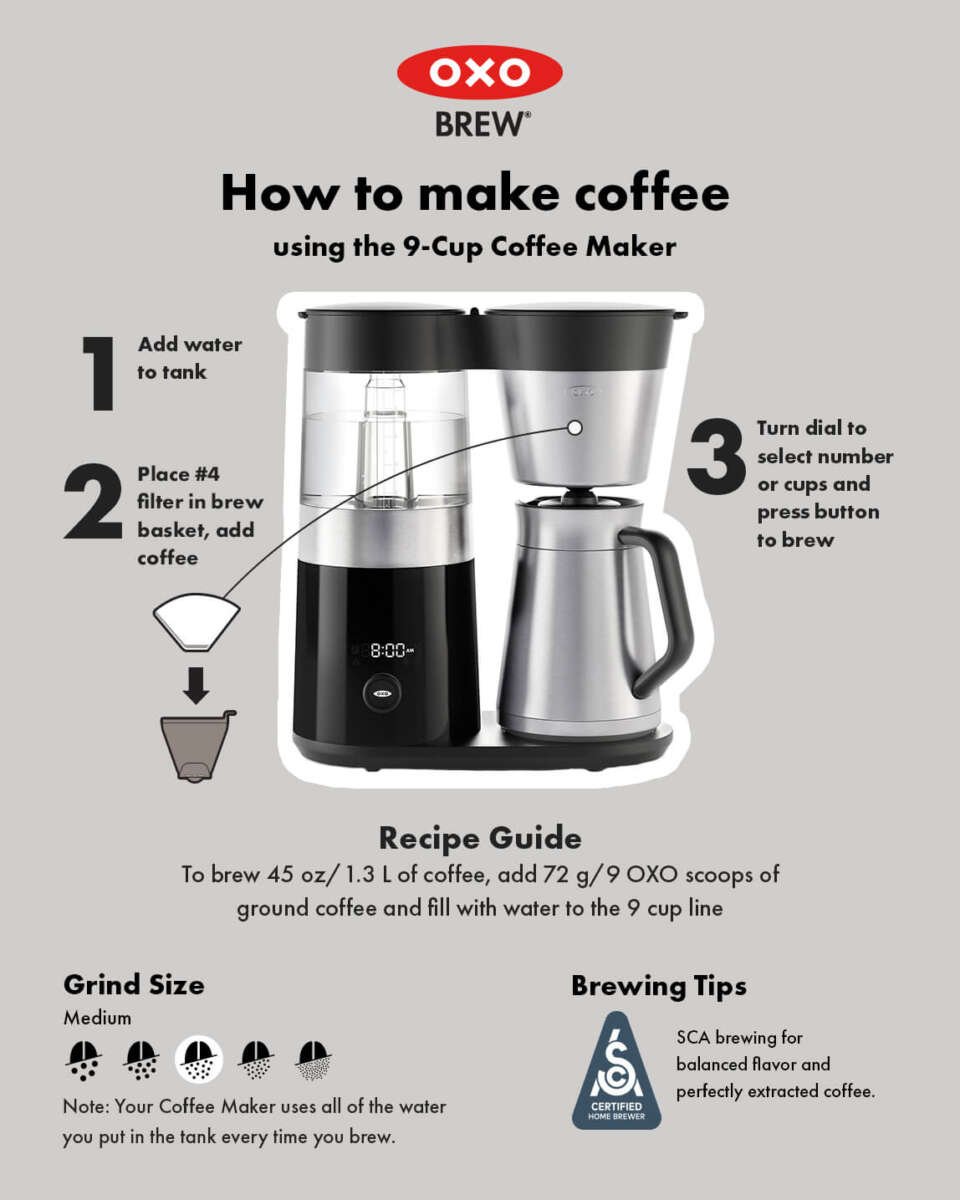
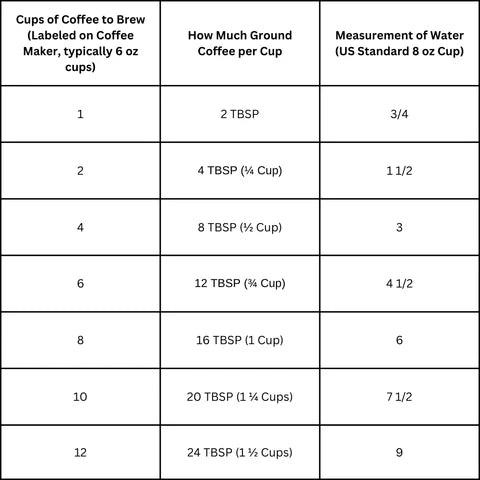
For a balanced brew, many coffee guidelines recommend about 1 to 2 tablespoons of ground coffee per 6 fluid ounces of water. The exact amount depends on your taste, roast level, grind, and brewing method.
For a 10-cup coffee maker, a useful starting point is:
• Mild coffee: 8 to 10 tablespoons
• Medium coffee: 10 to 12 tablespoons
• Strong coffee: 12 to 14 tablespoons
Another method uses weight. A common coffee-to-water ratio is about 1 gram of coffee for every 15 to 18 grams of water. Since 50 fluid ounces of water weighs roughly 1,480 grams, you may use about 82 to 98 grams of coffee for a full pot.
For most home brewers, starting with 10 tablespoons is practical. Taste the result, then adjust the next pot. Add more grounds for a stronger flavor, or use fewer grounds for a lighter cup.
One mistake I often see is using too little coffee because the machine’s “10 cups” sounds large. The water amount is substantial, so a few tablespoons may produce weak coffee. Another mistake is packing the grounds tightly, which can slow the flow and create bitter flavors.

How to Measure Coffee Maker Capacity Correctly
The easiest way to determine how many ounces does a 10 cup coffee maker make is to measure both the water and the finished coffee.
Follow these steps:
- Fill a liquid measuring cup with 8 fluid ounces of water.
- Pour the water into the coffee maker reservoir.
- Repeat until you reach the machine’s 10-cup line.
- Note the total amount of water added.
- Brew a normal pot using your usual filter and coffee grounds.
- Measure the coffee in the carafe after brewing.
Do not measure the carafe by filling it to the top. The glass pot may have extra space above the maximum line, and the shape can make visual estimates inaccurate.
The reservoir markings are also not always perfectly precise. Some machines label a cup as 4 ounces, while others use 5 or 6 ounces. Always check the owner’s manual when you need exact information.
If the manual is missing, use a measuring cup. This takes only a few minutes and gives you a clear answer for your own machine.

Does the Carafe Size Match the Coffee Maker’s Cup Count?
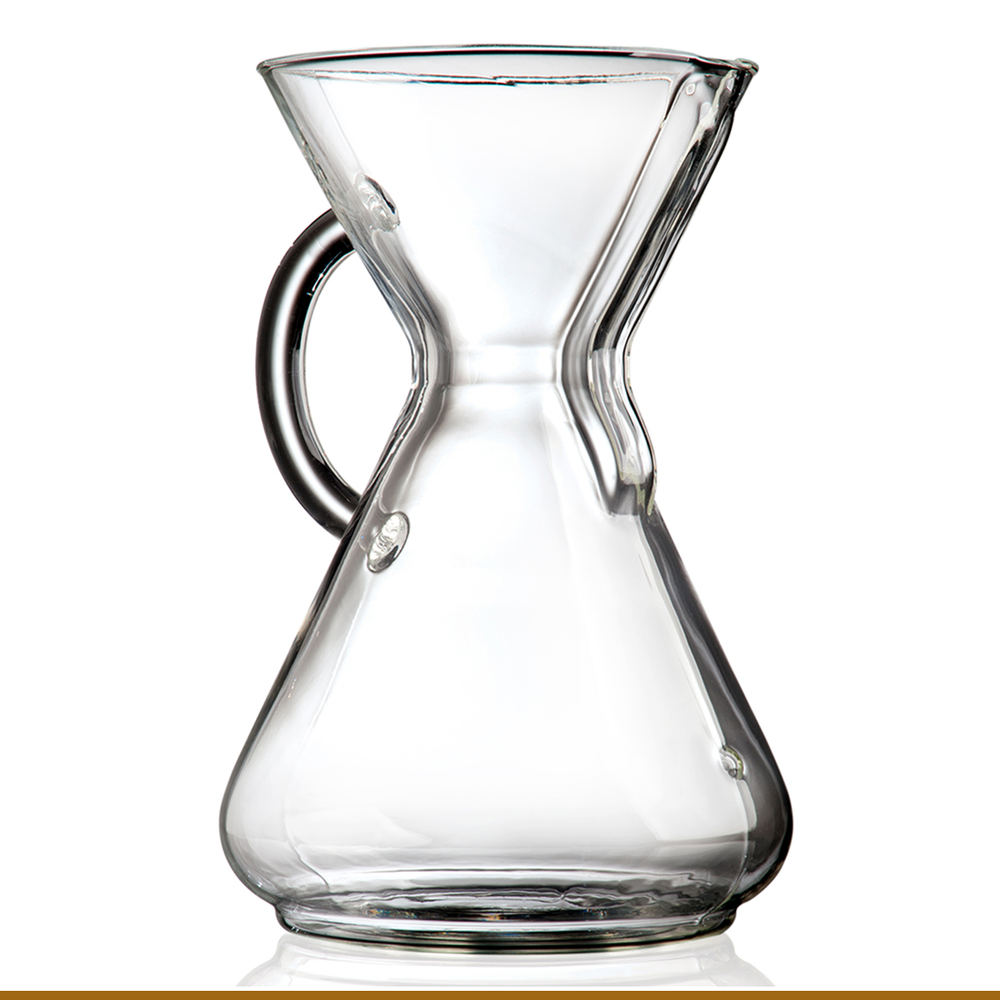
The carafe size usually matches the advertised coffee maker capacity, but the markings may not equal common kitchen measurements. A 10-cup carafe may hold close to 50 fluid ounces even though a full kitchen measuring cup holds 8 ounces.
The carafe may also include markings for:
• 2 cups
• 4 cups
• 6 cups
• 8 cups
• 10 cups
These marks help you fill the reservoir, but they are not always exact measurements. The “10-cup” mark could represent 50 fluid ounces, 60 fluid ounces, or another amount depending on the manufacturer.
Before buying replacement glass, check the exact model number. A carafe labeled for a 10-cup machine may not fit every 10-cup coffee maker. Size, lid design, handle shape, and pour spout placement all matter.
When replacing a carafe, match the brand and model whenever possible. A carafe that fits physically may still have different measurement lines.
What Changes the Number of Ounces in the Finished Pot?
The advertised capacity is only a starting point. Several brewing conditions can change the amount of coffee in the pot.
Coffee grind and dose
Ground coffee absorbs water. A full basket with a large amount of coffee may leave slightly less liquid in the carafe than a small dose.
Filter type
Paper filters and permanent filters drain at different rates. A permanent filter may allow more oils into the cup, while a paper filter may retain more fine particles and moisture.
Brew strength setting
Some machines change the brewing process when you select a bold or strong setting. The total water may remain similar, but the flow time and extraction can change.
Machine design
Some water remains in the heating tube, showerhead, and internal lines. This amount is usually small, but it affects the final output.
Evaporation
Hot brewing causes a small amount of water to evaporate. The effect is not usually large, but it contributes to the difference between reservoir capacity and finished coffee.
These factors explain why how many ounces does a 10 cup coffee maker make is best answered as an estimate. The normal expectation is about 50 fluid ounces of brewing capacity, with a somewhat smaller final amount in the pot.
Is a 10 Cup Coffee Maker Large Enough for Your Home?
A 10-cup coffee maker works well for a small family, a couple of heavy coffee drinkers, or a home office. It may be too large for one person who drinks only one mug each morning.
Use this guide:
• One coffee drinker: A 4- to 6-cup machine may be enough
• Two coffee drinkers: An 8- to 10-cup machine is often practical
• Three or more drinkers: A 10- to 12-cup machine may work well
• Office or group use: Consider a 12-cup or larger commercial model
A larger machine does not always make better coffee. If you brew more than you need, the coffee may sit on a hot plate and become bitter. For one person, a smaller brewer or single-serve machine may preserve freshness better.
I prefer choosing a coffee maker based on real mug size, not the number printed on the box. If four people each drink a 12-ounce mug, you need about 48 ounces of finished coffee. A 10-cup machine may meet that need, but it will have little extra capacity after brewing loss.
Frequently Asked Questions About How Many Ounces Does a 10 Cup Coffee Maker Make
How many ounces does a 10 cup coffee maker make?
A 10-cup coffee maker typically holds and brews about 50 fluid ounces of water. The finished coffee may be closer to 45 to 48 fluid ounces because the grounds absorb some water.
Is a coffee maker cup the same as an 8-ounce cup?
No. A coffee maker cup is often 5 fluid ounces, while a standard US measuring cup is 8 fluid ounces. This difference is why a 10-cup machine does not fill ten regular mugs.
How many mugs can a 10-cup coffee maker fill?
A 10-cup coffee maker usually fills about six 8-ounce mugs or four 12-ounce mugs. The exact number depends on coffee absorption and the size of each serving.
How many tablespoons of coffee should I use for a 10-cup machine?
Start with about 10 to 12 tablespoons of ground coffee for a full pot. Adjust the amount based on whether you prefer mild or strong coffee.
Does every 10-cup coffee maker make 50 ounces?
No. Most use a 5-ounce coffee cup standard, but some models use a 4-ounce or 6-ounce cup. Check the manual or measure the reservoir for the most accurate answer.
How many liters does a 10-cup coffee maker hold?
A typical 10-cup coffee maker holds about 1.48 liters, often rounded to 1.5 liters. The finished coffee amount may be slightly lower after brewing.
Conclusion
A 10-cup coffee maker usually makes about 50 fluid ounces, because its cup is commonly measured as 5 fluid ounces. In practical use, expect roughly six 8-ounce servings or four 12-ounce mugs after accounting for water held by the coffee grounds.
Remember that coffee maker cup sizes vary by brand. Measure your machine once, choose your serving size, and adjust the coffee dose to match your taste. If this guide helped, compare your machine’s measured output with its label and share your results with other coffee drinkers.

Liora Pennings is a seasoned chef and kitchen enthusiast with a passion for turning everyday cooking into an effortless experience. With years of hands-on culinary expertise, she specializes in practical techniques, ingredient know-how, and smart kitchen solutions that help home cooks elevate their meals. At KitchFlair.com, Liora shares her best tips, time-saving tricks, and honest product reviews to guide readers toward a more efficient, enjoyable, and inspired cooking routine. Whether you’re a beginner or a seasoned home chef, Liora’s friendly, knowledge-packed insights make every visit to the kitchen a little easier—and a lot more delicious.