A typical drip coffee maker heats water to about 195°F to 205°F (91°C to 96°C) during brewing. The coffee that flows into the pot is often around 175°F to 185°F (79°C to 85°C). The warming plate may reach roughly 150°F to 200°F (66°C to 93°C), depending on the model and setting.
These temperatures vary by coffee maker type, brew stage, carafe, room temperature, and whether the machine is still heating. A coffee maker may not boil water like a kettle, but its water, coffee, glass pot, and hot plate can all cause burns.
What temperature does a coffee maker reach?
A coffee maker reaches different temperatures in different parts of the machine. The heating element, water, brewed coffee, and warming plate do not all have the same temperature.
| Coffee maker part | Typical temperature | What it means |
|---|---|---|
| Water near the heating system | About 195°F–205°F (91°C–96°C) | The target range for good drip brewing |
| Water moving through coffee grounds | About 195°F–205°F (91°C–96°C) | Extracts flavor from the grounds |
| Coffee entering the carafe | About 175°F–185°F (79°C–85°C) | Heat is lost as coffee travels through the machine |
| Glass carafe | Often 150°F–185°F (66°C–85°C) | Can become hot enough to burn skin |
| Warming plate | About 150°F–200°F (66°C–93°C) | Keeps coffee warm after brewing |
| Thermal carafe exterior | Often warm, not extremely hot | Insulation reduces heat loss |
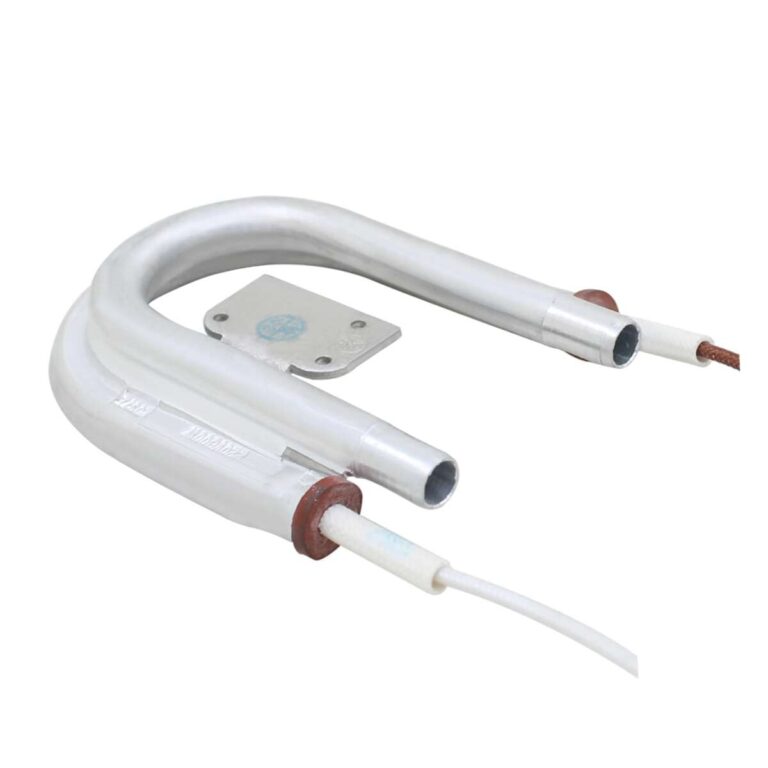
| Internal heating element | May be hotter than the water | Usually enclosed and not safe to touch |
These are useful working ranges, not fixed limits. A basic 10-cup drip machine may run cooler or hotter than a premium brewer. A machine with a temperature control may keep the brew water closer to the specialty Coffee Association’s recommended range, while a low-cost or older machine may fall below it.
The phrase “how hot does a coffee maker get” can refer to the coffee itself, the water inside, or the hot plate. In practice, the water and heating element are the hottest parts during brewing.

How hot should coffee brewing water be?
For drip coffee, brewing water should generally be between 195°F and 205°F (91°C and 96°C) when it contacts the coffee grounds. This range is widely used in coffee brewing standards because it supports effective extraction without requiring the water to boil.
Water below this range may extract coffee more slowly. The result can taste weak, sour, or thin. Water that is too hot can extract bitter flavors, although time, grind size, and the coffee-to-water ratio also affect taste.
A coffee maker does not usually send water from the reservoir to the grounds in one continuous stream. Most automatic drip machines use a simple cycle:
- Water leaves the reservoir.
- The heating element warms it inside a tube.
- Heated water rises or pulses toward the filter basket.
- The water drips over the coffee grounds.
- Brewed coffee collects in the carafe.
The machine must heat the water quickly enough to brew well, but it also must control the flow. If the water moves too fast, the coffee may taste weak even when the heater is hot enough.
The Specialty Coffee Association identifies approximately 195°F to 205°F as the preferred brewing-water range for many coffee brewing methods. That range describes the water at the coffee bed, not necessarily the temperature of the coffee in your cup.

How hot does coffee get in the pot?
Coffee in the pot is usually cooler than the water that brewed it. A common temperature is about 175°F to 185°F, or 79°C to 85°C, immediately after brewing.
Heat is lost in several places:
- The water transfers heat to the coffee grounds and filter.
- The brew basket and showerhead absorb some heat.
- The coffee cools as it falls into the carafe.
- The carafe loses heat to the surrounding air.
- A glass carafe may start cooler than the coffee.
- The coffee surface releases heat through steam.
A glass carafe on a warming plate may keep coffee near serving temperature for a while. However, the coffee often becomes hotter at the bottom than at the top because the plate heats the bottom of the pot.
A thermal carafe works differently. It does not usually keep heating the coffee. Instead, its double-wall insulation slows heat loss. This can help preserve flavor because coffee may develop a burnt or stale taste when it sits on a hot plate for a long time.
The exact temperature also depends on when you measure it. Coffee taken from the carafe during the first minute will be hotter than coffee poured 30 minutes later.

How hot does a coffee maker warming plate get?
A coffee maker warming plate commonly reaches 150°F to 200°F (66°C to 93°C). Some models may run outside this range, especially when the thermostat cycles on and off.
The plate is designed to keep brewed coffee warm. It is not normally designed to boil coffee. If the plate became hot enough to boil away water, it could damage the carafe, scorch the coffee, or create a safety risk.
A warming plate may feel hotter when:
- The carafe is empty.
- The machine has just finished brewing.
- The plate has been on for a long time.
- The thermostat is cycling at its high point.
- The carafe does not sit flat on the plate.
An empty glass carafe is at greater risk on a hot warming plate because there is no liquid to absorb and spread heat. Some glass pots can crack from thermal stress, especially if they are cold, damaged, or placed on a hot surface.
Do not place plastic containers, paper, towels, or other items on the warming plate. They can melt, scorch, or catch fire.

Why does a coffee maker need to get so hot?
A coffee maker needs hot water to dissolve flavor compounds from ground coffee. Cold or lukewarm water cannot extract coffee in the same way as water near the normal brewing range.
Heat helps water move through the grounds and draw out:
- Acids that add brightness
- Sugars and other compounds that add sweetness
- Oils that add body
- Bitter compounds that can become noticeable with too much heat or contact time
Temperature is only one part of extraction. Four main variables work together:
- Water temperature
- Grind size
- Contact time
- Coffee-to-water ratio
For example, water that is slightly cool may still produce a strong cup if it stays in contact with very fine grounds for too long. Hot water may produce weak coffee if it flows through coarse grounds too quickly.
This is why a coffee maker that feels hot does not always make better coffee. The machine must heat and move the water in a controlled way.

Why does coffee taste burnt when the machine is not boiling?
Coffee can taste burnt even when the machine is not boiling the coffee. The flavor may come from long exposure to the warming plate rather than from an unusually high brewing temperature.
Several causes are possible:
- The coffee stays on the hot plate for too long.
- The warming plate cycles at a high temperature.
- The coffee maker has mineral buildup.
- Coffee oils and residue are burning in the filter basket.
- The coffee is over-extracted because of a fine grind or slow flow.
- The beans were dark-roasted and already have smoky flavors.
A hot plate can continue applying heat to the coffee after brewing ends. Over time, evaporation increases the concentration of the remaining coffee. This can make the drink taste harsh, bitter, or burnt.
For better flavor, transfer coffee to a clean thermal carafe if the machine allows it. Otherwise, turn off the warming function when the coffee is finished, provided the machine’s instructions permit this. Many automatic coffee makers have an auto-shutoff feature, but the shutoff time varies.
How hot is coffee from a single-serve machine?
A single-serve coffee maker often brews at a similar target range, but the drink temperature can vary more than with a traditional drip machine.
Many single-serve brewers heat water to roughly 185°F to 205°F (85°C to 96°C) inside the machine. The coffee may enter the cup at a lower temperature because of the short brew path, small serving size, cup material, and room temperature.
The cup also changes the result:
- A cold ceramic mug can reduce the drink temperature quickly.
- A preheated mug helps coffee stay warmer.
- A paper cup may feel less hot than the coffee inside.
- A thin plastic cup may soften or deform with very hot liquid.
- A large cup leaves more surface area exposed to air.
Do not assume that a small serving is safe to drink immediately. A small volume can still cause a serious mouth or skin burn.

How hot is a coffee maker compared with a kettle?
An electric kettle usually heats water closer to the boiling point, about 212°F (100°C) at sea level. A drip coffee maker normally operates below that temperature during brewing.
| Appliance | Typical water temperature | Main purpose |
|---|---|---|
| Drip coffee maker | About 195°F–205°F | Extract coffee through grounds |
| Electric kettle | About 212°F at sea level | Boil water |
| Espresso machine | Often about 190°F–205°F at the brew group | Brew under pressure |
| Hot-water dispenser | Varies widely | Dispense hot water on demand |
| Microwave | Varies by time, volume, and power | Heat water unevenly |
Altitude changes the boiling point. Water boils at a lower temperature in places with higher elevation. A drip coffee maker may still use its own heating system and thermostat, so altitude does not always produce a simple one-to-one change in brew temperature.
A kettle can also create a greater scald risk because it may release steam and pour near the boiling point. A coffee maker is still hazardous, but its brew water is usually below boiling.

Can a coffee maker boil water?
Most standard drip coffee makers do not intentionally boil water. They heat water to a brewing range below boiling and move it through the coffee grounds.
You may see steam during brewing, but steam does not prove that the coffee maker is boiling all the water. Steam can form when hot water contacts cooler air or surfaces.
A coffee maker may appear to boil or sputter when:
- The heating tube has mineral scale.
- The water reservoir is nearly empty.
- The machine has an internal fault.
- The brew basket is blocked.
- The filter has collapsed.
- The machine is old or damaged.
Stop using the machine if it produces unusual smoke, a burning electrical smell, sparks, repeated loud popping, or leaking near the power cord. Unplug it only if you can do so safely. Do not open the housing while it is connected to power.

How can you tell whether a coffee maker is hot enough?
You can measure the coffee temperature, but measuring the internal brew water is more difficult and can be unsafe.
To check the coffee temperature
Use a clean instant-read thermometer:
- Brew a normal batch.
- Stir the coffee gently so the temperature is more even.
- Place the thermometer in the coffee without touching the carafe.
- Read the temperature soon after brewing.
- Record when you took the reading.
This measures the coffee in the pot, not the water at the coffee grounds. It is normal for the reading to be lower than the brewing target.
To check the warming plate
If the manufacturer allows it, measure the plate with an infrared thermometer. Keep in mind that infrared readings can be inaccurate on shiny metal surfaces. Do not touch the plate to test its temperature.
Do not test the internal heater
Do not remove panels or place a thermometer inside the heating tube. The machine contains electrical parts and hot water. Internal testing should be done by a qualified appliance technician using suitable equipment.
Signs that the coffee maker may be underheating include:
- Coffee tastes consistently weak or sour.
- The brew cycle finishes unusually fast.
- The water is only lukewarm.
- Steam production is much lower than before.
- The coffee maker has heavy mineral deposits.
- The machine stops before the full cycle ends.
Taste alone cannot prove a temperature problem. Grind size, coffee freshness, filter type, dose, and water quality can produce similar symptoms.

What affects coffee maker temperature?
The actual temperature depends on the machine and the way it is used. The most important factors include the following.
Coffee maker design
Basic drip machines may use simple thermostats. More advanced brewers may control water flow and temperature more closely.
Mineral scale
Hard-water deposits can coat the heating system. Scale may reduce flow, create noisy operation, and make heating less consistent.
Brew volume
A full pot may behave differently from a small batch. Some machines heat the same way regardless of volume, while others adjust the cycle.
Room temperature
A cold kitchen, cold water, and a cold carafe can reduce the temperature of the coffee even when the heater works correctly.
Carafe type
Glass carafes lose heat faster than insulated thermal carafes. A thermal carafe may keep coffee warm without a hot plate.
Coffee maker age
Heating elements, thermostats, valves, and seals can wear over time. A machine that once brewed hot may gradually brew cooler.
Altitude
Water boils at a lower temperature at higher elevations. This can affect machines that depend on boiling and siphoning action.
Maintenance
Cleaning the reservoir, filter basket, and carafe helps the machine maintain normal flow. Descaling may be needed when the manufacturer recommends it.
Is a hot coffee maker dangerous?
A coffee maker can cause burns, electrical shock, fire, or broken-glass injuries if used incorrectly. The greatest risks come from hot coffee, steam, the warming plate, and damaged electrical parts.
Use these basic precautions:
- Keep the coffee maker on a stable, heat-resistant surface.
- Keep the power cord away from the edge of the counter.
- Do not touch the warming plate during or after brewing.
- Use the handle when moving a glass carafe.
- Do not fill a hot glass carafe with cold water.
- Keep children away from the machine and cord.
- Do not operate the machine without water unless the manual allows it.
- Unplug the machine before cleaning it.
- Keep the plug and electrical base dry.
- Replace a cracked carafe.
- Stop using the unit if the cord, plug, or housing is damaged.
- Follow the manufacturer’s auto-shutoff and cleaning instructions.
Do not leave a coffee maker running when you leave home unless the manufacturer specifically designs it for that use and the machine is in good condition. Auto-shutoff lowers risk, but it does not correct a damaged cord, blocked flow path, or cracked carafe.
If hot coffee spills on skin, cool the area under clean, cool running water. Do not use ice, butter, or greasy creams on a burn. Seek medical care for large, deep, blistering, or facial burns, and for burns involving a child or older adult.

How to keep coffee hot without making it bitter
The best way to keep coffee hot and preserve its taste is usually to use a clean, preheated thermal carafe rather than a hot plate.
Try this approach:
- Rinse the thermal carafe with hot water.
- Brew the coffee normally.
- Transfer the coffee to the thermal carafe as soon as brewing ends.
- Close the lid tightly.
- Pour only what you plan to drink.
- Clean the carafe each day.
A thermal carafe slows heat loss without continuing to cook the coffee from below. A hot plate may keep coffee warm, but long exposure can increase bitterness and stale flavors.
Never reheat coffee in the coffee maker’s water reservoir. The reservoir is designed for water, not brewed coffee. Coffee oils and particles can clog the system and leave residue inside the machine.

Coffee maker temperature by machine type
Different coffee makers use heat in different ways.
| Machine type | General temperature behavior |
|---|---|
| Automatic drip coffee maker | Heats brewing water to roughly 195°F–205°F |
| Single-serve brewer | Often heats water within a similar range, but cup temperature varies |
| Espresso machine | Uses hot water near the espresso brewing range and pressure |
| French press | Uses water heated separately, often near 195°F–205°F |
| Pour-over setup | Uses a kettle, so the water temperature depends on the user |
| Cold brew maker | Uses cool or room-temperature water and does not heat coffee |
| Moka pot | Uses steam pressure and very hot water; operation differs from drip brewing |
The term coffee maker is broad. A cold brew system may never get hot, while an espresso machine has hot internal water, a hot group head, and sometimes a steam wand.

Frequently asked questions
How hot is coffee right after brewing?
Coffee is often about 175°F to 185°F (79°C to 85°C) right after a drip brew finishes. The exact temperature depends on the machine, carafe, batch size, and room conditions.
Can a coffee maker burn you?
Yes. Hot coffee, steam, the glass carafe, and the warming plate can all cause burns. Treat the machine as a hot appliance during brewing and for some time afterward.
Does a coffee maker keep heating after brewing?
Many drip coffee makers keep the warming plate on for a set period after brewing. The time varies by model. Some machines use a thermal carafe and turn off the warming function immediately.
Why is my coffee maker making lukewarm coffee?
Possible causes include mineral scale, a failing heating element, a faulty thermostat, cold water or carafe temperature, and a blocked water path. Clean and descale the machine according to its manual before replacing it.
Does a hotter coffee maker make stronger coffee?
Not always. Strength depends on coffee dose, grind size, water volume, contact time, and temperature. Water that is too hot or stays in contact with the grounds too long can make coffee bitter rather than stronger.
Final answer: how hot does a coffee maker get?
A typical drip coffee maker heats brewing water to 195°F–205°F, while the coffee in the pot is usually about 175°F–185°F immediately after brewing. The warming plate commonly reaches 150°F–200°F, although exact temperatures vary by model.
The most useful rule is simple: treat every part of a working coffee maker as hot. Use the handle, keep the plate clear, protect children from the cord and carafe, and follow the manufacturer’s instructions for cleaning and shutoff. If the machine produces smoke, sparks, a strong electrical odor, or unusual boiling, unplug it safely and stop using it.
Sources and technical references
- Specialty Coffee Association: Coffee Standards
- National Coffee Association USA: How to Brew Coffee
- U.S. Food and Drug Administration: Burn Prevention and First Aid guidance
- The owner’s manual for the specific coffee maker remains the best source for its warming-plate temperature, auto-shutoff period, cleaning method, and safe operating limits.

Liora Pennings is a seasoned chef and kitchen enthusiast with a passion for turning everyday cooking into an effortless experience. With years of hands-on culinary expertise, she specializes in practical techniques, ingredient know-how, and smart kitchen solutions that help home cooks elevate their meals. At KitchFlair.com, Liora shares her best tips, time-saving tricks, and honest product reviews to guide readers toward a more efficient, enjoyable, and inspired cooking routine. Whether you’re a beginner or a seasoned home chef, Liora’s friendly, knowledge-packed insights make every visit to the kitchen a little easier—and a lot more delicious.