How Long Should A Coffee Maker Last: Lifespan Tips
Most coffee makers last five to ten years with proper care and regular cleaning.
Knowing how long should a coffee maker last helps you plan repairs, compare models, and avoid replacing a machine too soon. The real answer depends on the brewer type, build quality, water hardness, daily use, and care. A basic drip coffee maker may serve you for five years, while a well-built machine can keep brewing for a decade or more. This guide explains what affects coffee maker lifespan, how to spot failure, and when replacement makes more sense than repair.
Average lifespan of a coffee maker
For most homes, a coffee maker lasts about five to ten years. This range applies to many standard drip machines used once or twice a day and cleaned on a regular schedule.
Some machines last less time, while others run much longer. A low-cost brewer with plastic parts may last three to five years. A sturdy model with a metal heating system, replaceable parts, and good care may last eight to twelve years.
How long should a coffee maker last by type? The table below gives a practical estimate:
| Coffee maker type | Typical lifespan |
|---|---|
| Basic drip coffee maker | 3 to 5 years |
| High-quality drip coffee maker | 5 to 10 years |
| Single-serve pod machine | 3 to 7 years |
| French press | 5 to 15 years |
| Pour-over brewer | 5 to 20 years |
| Stovetop moka pot | 5 to 10 years |
| Espresso machine | 5 to 15 years |
| Superautomatic espresso machine | 5 to 10 years |
These are estimates, not guarantees. A coffee maker used in a busy office may wear out faster than the same model used by one person at home.
In my experience reviewing household appliances, water buildup is one of the most common reasons coffee makers fail early. People often blame the heating element, but scale can slow water flow, damage seals, and make the machine work harder.
What affects coffee maker lifespan?
Several factors decide how long should a coffee maker last. The biggest ones are use, water, materials, cleaning, and repair access.
Daily use
A coffee maker that brews one pot each morning faces much less stress than one that runs ten cycles per day. Frequent use exposes the pump, heating element, buttons, and seals to more heat and wear.
A home brewer may last seven years with daily use. A machine in a large family kitchen may need replacement sooner, even if both machines are the same model.
Water quality
Hard water contains minerals such as calcium and magnesium. These minerals form scale inside the water path and heating system.
Scale can cause:
• Slower brewing
• Weak or uneven water flow
• Noisy operation
• Lower water temperature
• Bitter or sour coffee
• Early heating element failure
Filtered water can reduce mineral buildup, but it does not remove the need for descaling. Distilled water is not always ideal because some coffee makers need minerals for proper sensor function. Follow the guidance in your owner’s manual.
Build quality
The materials inside a coffee maker matter more than the brand name alone. A machine with thick plastic, strong hinges, a reliable control board, and a solid heating plate often lasts longer than a cheaper model with fragile parts.
Look for:
• A clear warranty
• Replaceable carafes and lids
• Stainless steel or durable internal parts
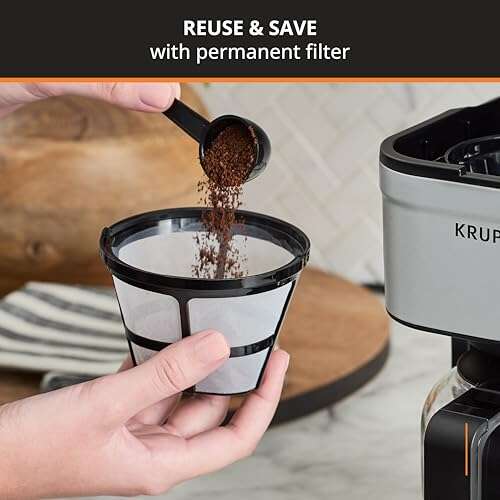
• A removable brew basket
• Easy access for cleaning
• A company that sells replacement parts
A long warranty does not guarantee a long life, but it can show that the manufacturer has confidence in the design.
Cleaning habits
Coffee leaves oils behind. These oils can turn rancid and affect flavor. Wet coffee grounds can also grow mold if they stay in the basket for too long.
Clean the brew basket and carafe after use. Wipe the warming plate once it cools. Run a descaling cycle when the manufacturer recommends it, or when you notice slower brewing and mineral residue.
Heat and moisture
Heat is necessary for brewing, but constant heat can shorten the life of electronic parts. Leaving a warming plate on for many hours each day may add stress and waste energy.
Moisture can also damage switches and circuit boards. Do not pour water over the machine. Keep the outside dry and empty the reservoir when the brewer will sit unused for a long time.

How long should a coffee maker last by type?
Different coffee makers use different systems. That is why the answer to how long should a coffee maker last changes by design.
Drip coffee makers
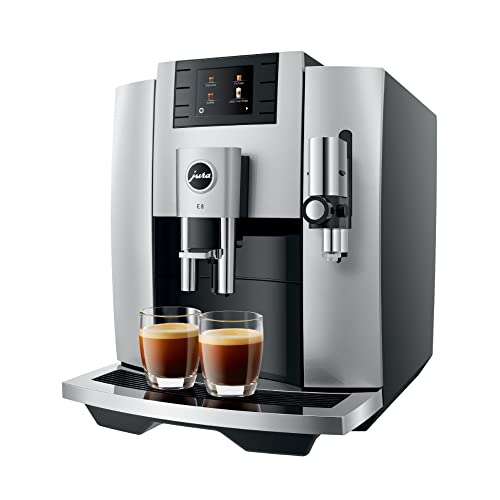
A standard drip machine usually lasts five to ten years. It has fewer moving parts than an espresso machine, but its heating element and water tube still face mineral buildup.
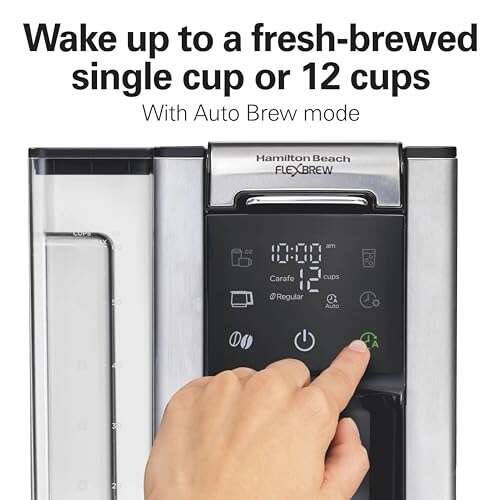
Simple drip models can last longer because they have fewer electronic controls. Programmable screens, touch buttons, and built-in grinders add convenience but also add parts that can fail.
Single-serve coffee makers
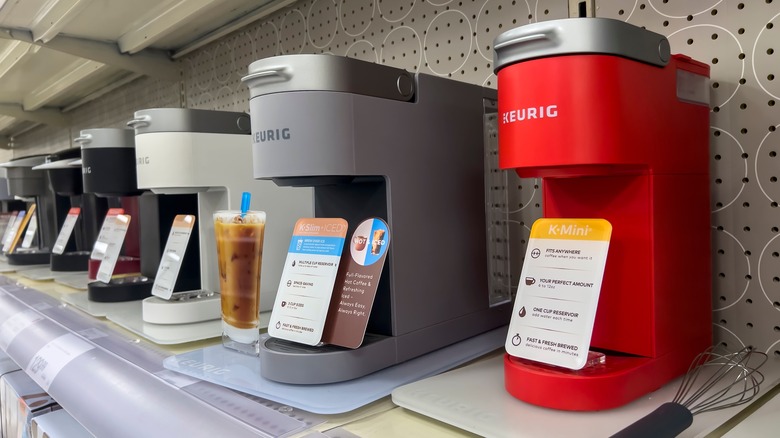
Single-serve machines often last three to seven years. They use pumps, needles, seals, and pressure systems that can collect coffee residue and scale.
Clean the pod holder and puncture needle often. Never force a pod into place. A blocked needle can cause leaks or send hot water in the wrong direction.
Espresso machines
Home espresso machines can last five to fifteen years. Entry-level machines may need repair sooner, while semi-automatic machines with metal boilers and serviceable parts can last much longer.
Espresso machines need more care than drip brewers. Backflush the group head when required, clean the steam wand after every use, and descale according to the manual.
French presses and pour-over brewers
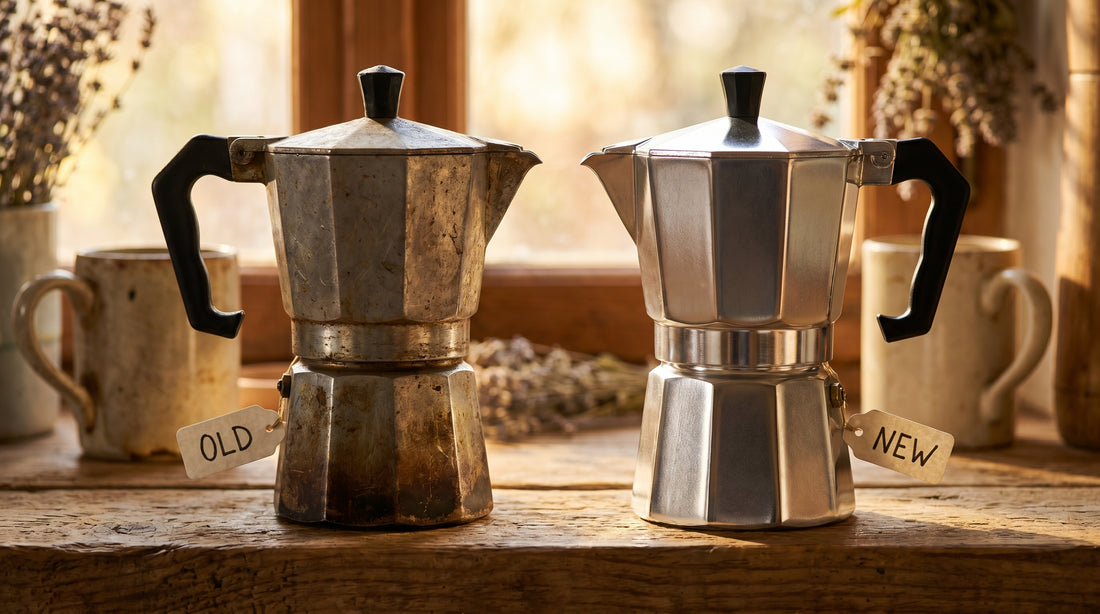
Manual brewers can last for many years because they have no heating element, pump, or electronics. The glass carafe, filter screen, handle, or seal may eventually break.
A French press can be a good long-term choice if you want fewer repair concerns. Its main weakness is physical damage, not electrical failure.
Coffee makers with built-in grinders
A grind-and-brew machine often lasts five to eight years. The grinder adds burrs, gears, and a motor, so it needs more cleaning than a basic drip brewer.
Oily beans can clog the grinder. Use the cleaning steps in the manual and avoid putting wet or flavored beans inside the hopper.

Signs your coffee maker is wearing out
Some problems are easy to fix. Others show that the machine has reached the end of its useful life.
Watch for these signs:
• Brewing takes much longer than normal
• The coffee is lukewarm
• Water leaks from the base
• The machine shuts off during a cycle
• The pump makes a loud, unusual sound
• The brew basket overflows
• The display or buttons stop working
• The machine smells like burning plastic or wiring
• Coffee tastes strange after thorough cleaning
• The carafe no longer sits correctly on the warming plate
A slow brew often points to scale or a clogged water path. Try cleaning and descaling first. If the machine still runs slowly after proper maintenance, the pump or heating system may be failing.
A burning smell is more serious. Unplug the machine and stop using it until a qualified technician checks it. Do not continue testing an appliance that shows signs of electrical damage.
Repair or replace a coffee maker?
The best choice depends on the fault, repair cost, age, and safety risk.
Repair may make sense when:
• The machine is less than five years old
• The problem is a carafe, lid, gasket, or power cord
• Replacement parts are easy to find
• The repair costs less than half the price of a new machine
• The brewer has strong build quality
Replacement is often better when:
• The heating element or control board has failed
• The machine leaks from the internal body
• The repair estimate is close to a new machine’s price
• The brewer is more than eight to ten years old
• The manufacturer no longer supports it
• The machine has repeated faults
For example, replacing a glass carafe is usually sensible. Replacing a sealed control board in a low-cost coffee maker may not be.
Never bypass a safety switch or attempt electrical repairs without the right training. Coffee makers combine water and electricity, so a cheap repair can create a serious shock or fire risk.

How to make a coffee maker last longer
Good care can add years to the life of a coffee maker. It also improves the taste of every cup.
1. Clean removable parts after use
Wash the carafe, brew basket, and lid with warm water and mild dish soap. Rinse them well so soap does not affect the flavor of your coffee.
Do not leave wet grounds in the basket overnight. This simple habit prevents stale smells and residue.
2. Descale the machine
Descaling removes mineral deposits from the internal water path. Use a commercial descaler or the method listed in the manual.
A general schedule is:
• Every three months with soft water
• Every one to two months with hard water
• Sooner if the machine brews slowly or sounds strained
The exact schedule varies by model. Some machines display a cleaning alert, while others do not.
3. Use fresh, clean water
Use cold drinking water in the reservoir. Avoid water that has sat in the tank for several days.
A basic water filter may improve flavor and reduce scale. Replace the filter on time. An old filter can collect residue instead of helping the machine.
4. Keep the warming plate clean
Spilled coffee can burn onto the warming plate. This residue may cause odors and can prevent the carafe from sitting level.
Wait until the plate cools, then wipe it with a damp cloth. Do not scrape it with a metal tool.
5. Store the machine correctly
If you will not use the coffee maker for weeks, empty the reservoir and let the parts dry. Store it in a clean, dry place.
Do not wrap the cord tightly around the machine. Repeated bending near the plug can damage the cord.
6. Use the right amount of coffee
Overfilling the basket can cause grounds to overflow into the water path. This makes cleaning harder and may clog the machine.
Follow the coffee maker’s fill line. A level scoop is better than packing grounds tightly into the basket.

Coffee maker maintenance schedule
A simple schedule makes care easier to remember.
After every use
• Empty used grounds or the coffee pod
• Rinse the brew basket
• Rinse the carafe
• Wipe coffee spills
Each week
• Wash removable parts with mild soap
• Clean the pod holder or grinder area
• Check the water reservoir for residue
Every one to three months
• Run a descaling cycle
• Replace the water filter if the manual requires it
• Clean the spray head and water outlet
Once a year
• Inspect the cord and plug
• Check for leaks
• Test the buttons and automatic shutoff
• Review the manufacturer’s cleaning instructions
This routine takes only a few minutes at a time. It is much easier than dealing with a machine that suddenly stops working before your morning coffee.

Energy use and coffee maker lifespan
Leaving a coffee maker on all day can increase energy use and place extra stress on the warming system. Many newer models shut off automatically after a set period, often around 30 minutes to four hours.
Automatic shutoff is a useful safety feature. It can also reduce heat exposure and prevent a forgotten warming plate from damaging a carafe or countertop.
If you need hot coffee for several hours, consider a thermal carafe model. It keeps coffee warm without continuous heat. This may help preserve flavor and reduce the workload on the warming plate.
Energy use varies by model, so check the product label or manual. Efficiency does not always mean a longer lifespan, but lower heat use can reduce wear on some parts.
Choosing a long-lasting coffee maker
When buying a new machine, focus on serviceability rather than appearance alone.
Look for:
• A solid warranty of at least one year
• Replacement carafes and lids
• A removable brew basket
• A stainless steel thermal carafe
• A visible water tank
• Simple controls
• An automatic shutoff feature
• A descaling alert
• A company with clear support information
A machine with fewer features may last longer because it has fewer parts to fail. That does not mean every simple brewer is better. It means you should choose features that you will use and avoid paying for systems that add little value.
Read customer reviews with care. Look for repeated comments about leaks, broken buttons, slow brewing, and replacement parts. One negative review may be random, but a repeated pattern deserves attention.
Common mistakes that shorten coffee maker life
Small mistakes can reduce the answer to how long should a coffee maker last.
Avoid these habits:
• Running the machine without enough water
• Using abrasive cleaners
• Leaving old water in the reservoir
• Ignoring scale buildup
• Washing electrical parts under running water
• Overfilling the coffee basket
• Moving the machine while it is hot
• Using damaged pods
• Letting coffee sit on the warming plate all day
• Storing the machine while it is damp
One especially common mistake is using vinegar without checking the manual. Some manufacturers allow it, while others recommend a branded descaler. Vinegar may also leave an odor if the machine is not rinsed well.
Another mistake is judging coffee maker health only by appearance. Internal scale may be building up even when the outside looks clean. A regular cleaning cycle is preventive care, much like changing the oil in a car.
Frequently asked questions about how long should a coffee maker last
How long should a coffee maker last with daily use?
A coffee maker used once each day often lasts five to ten years. Regular descaling, clean water, and proper handling can help it reach the upper end of that range.
How often should you replace a coffee maker?
Replace a coffee maker when it becomes unsafe, repeatedly fails, or costs too much to repair. Age alone is not a reason to replace a well-maintained machine that still brews properly.
Can a coffee maker last 20 years?
A simple manual brewer can last 20 years or more, especially if it has no electronics. Most automatic coffee makers are less likely to reach 20 years because heating elements, pumps, seals, and control boards eventually wear out.
Does descaling extend coffee maker life?
Yes, descaling can help extend coffee maker life by removing mineral buildup from the water path and heating system. It cannot repair a failed circuit board or worn pump, but it may prevent some common problems.
Is it worth repairing a five-year-old coffee maker?
Repairing a five-year-old coffee maker may be worthwhile if the problem is small and replacement parts are affordable. Compare the repair price with the cost of a new machine and consider the brewer’s overall condition.
Why does an old coffee maker brew slowly?
Slow brewing is often caused by mineral scale, a clogged water outlet, or a blocked filter basket. Clean and descale the machine first, then seek service if the problem continues.
Is a more expensive coffee maker guaranteed to last longer?
No. A higher price may reflect better materials, more features, or brand design rather than greater durability. Check the warranty, service support, parts availability, and long-term owner reports before buying.
Conclusion
Most coffee makers last five to ten years, but care and water quality can change that range. Cleaning removable parts, descaling on schedule, using fresh water, and fixing small problems early can protect both the machine and the taste of your coffee.
If your brewer is slow, noisy, or leaking, clean it first and inspect it carefully. If it has electrical damage, repeated failures, or an expensive repair, replacement is usually the safer choice. Use this guide to compare your machine’s age, condition, and repair cost, then choose the option that gives you reliable coffee and good value.

Liora Pennings is a seasoned chef and kitchen enthusiast with a passion for turning everyday cooking into an effortless experience. With years of hands-on culinary expertise, she specializes in practical techniques, ingredient know-how, and smart kitchen solutions that help home cooks elevate their meals. At KitchFlair.com, Liora shares her best tips, time-saving tricks, and honest product reviews to guide readers toward a more efficient, enjoyable, and inspired cooking routine. Whether you’re a beginner or a seasoned home chef, Liora’s friendly, knowledge-packed insights make every visit to the kitchen a little easier—and a lot more delicious.