How Much Vinegar To Clean Coffee Maker: Simple Guide
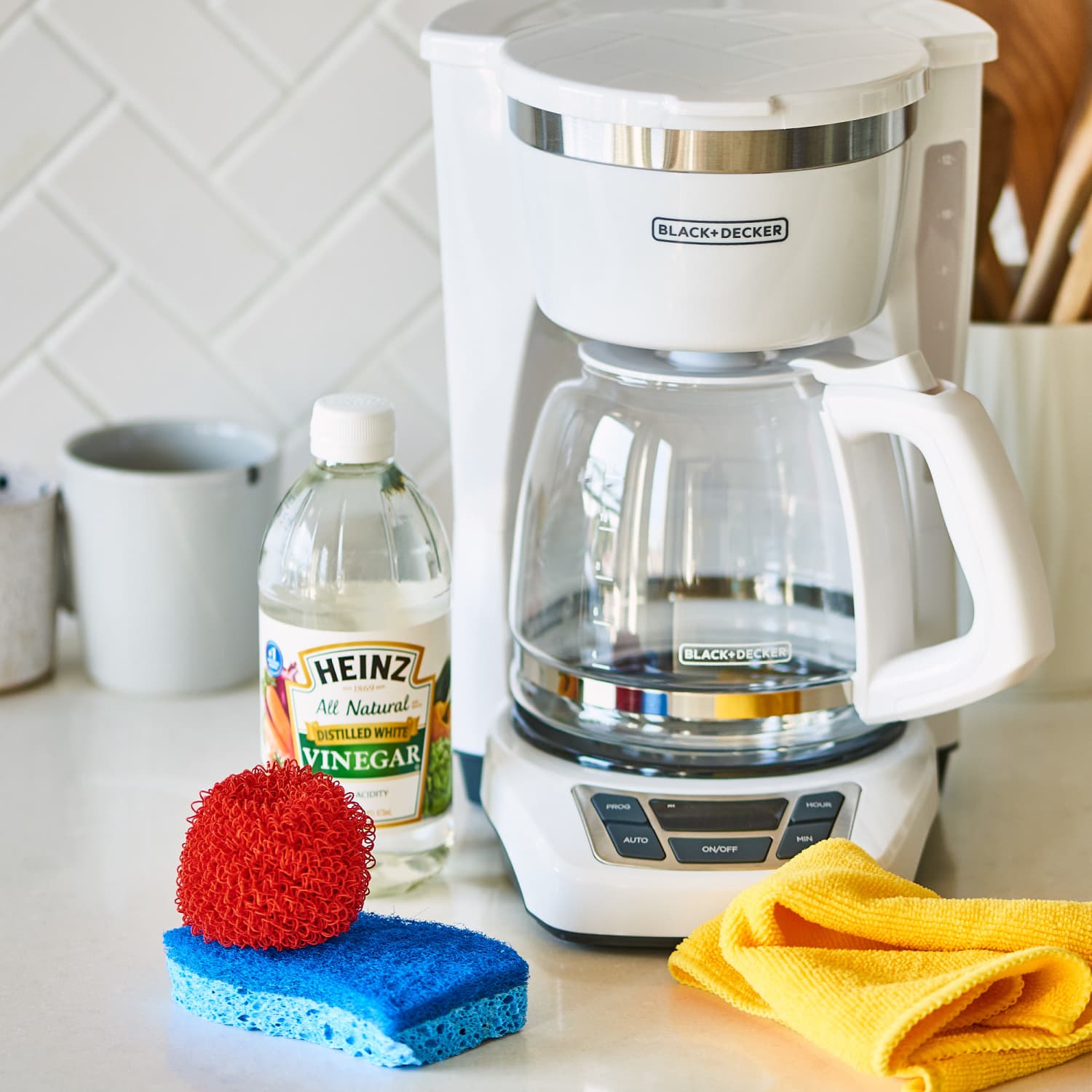
Use one part white vinegar to one part water—usually 1 cup vinegar mixed with 1 cup water.
I’ve cleaned dozens of machines, from basic drip brewers to pod makers. This guide on how much vinegar to clean coffee maker walks you through exact amounts, step-by-step methods, safety tips, and alternatives. Read on and you’ll learn the right vinegar ratio, how to rinse properly, when to avoid vinegar, and simple fixes if the brew tastes off.
Why descaling matters
Mineral buildup, or limescale, forms inside coffee makers from hard water. This layer blocks water flow and slows heating. You may notice slower brews, odd noises, or bitter coffee when scale builds up.
Descaling restores performance and flavor. Regular cleaning saves your machine and reduces repair needs. Follow a clear plan for how much vinegar to clean coffee maker so you get consistent, safe results.
:max_bytes(150000):strip_icc()/clean-coffee-maker-with-vinegar-1907384-Final-e47a97b1dd8e4e8a9d3655cf9e87e9c6.jpg)
How much vinegar to clean coffee maker — step-by-step guide
Below are clear, simple steps for common machine types. The key is to use a 1:1 ratio of white distilled vinegar to water for most drip and reservoir-style machines. For single-serve and specialty machines, follow the tailored notes.
Step-by-step for drip or reservoir coffee makers
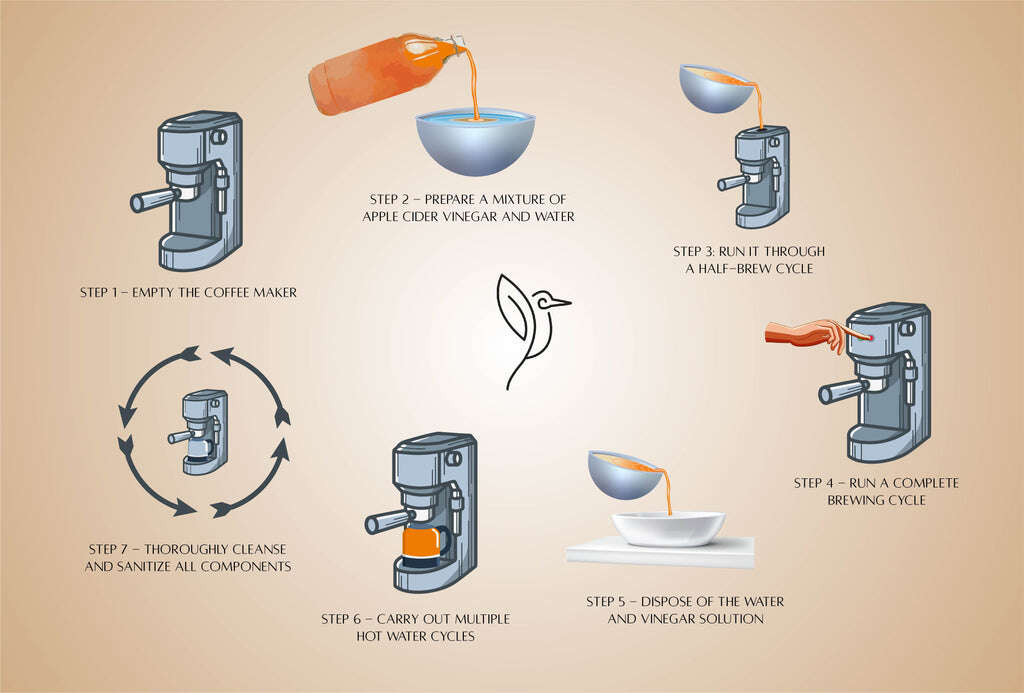
- Empty the machine and discard any old grounds or filters.
- Pour equal parts white distilled vinegar and water into the water reservoir. For example, fill with 1 cup vinegar and 1 cup water for a small brewer, or fill the reservoir half with vinegar and half with water for larger reservoirs.
- Start a brew cycle and stop it mid-way if possible. Let the vinegar solution sit for 30 to 60 minutes to dissolve scale.
- Finish the cycle. Discard the vinegar solution and grounds.
- Run 2 to 3 full cycles with plain fresh water to rinse thoroughly.
For single-serve pod machines
- Fill the reservoir with a 1:1 vinegar and water mix for small reservoirs (1 cup vinegar + 1 cup water). For larger reservoirs, fill the tank half vinegar, half water.
- Run several brew cycles without a pod until the reservoir is empty. Let the machine sit for 15–30 minutes if there’s visible scale.
- Flush with 3 to 4 water-only cycles to remove vinegar taste.
For espresso machines and high-pressure systems
- Many manufacturers advise against using vinegar. Use a manufacturer-recommended descaler or a citric acid solution. If you must use vinegar, dilute heavily and check the manual first.
How much vinegar to clean coffee maker depends on reservoir size. Aim for a 1:1 vinegar-to-water volume that fills enough of the tank to run at least one full cycle. If you see heavy scaling, repeat the process every 30–60 minutes as needed until scale loosens.
PAA-style quick questions
- Will equal parts vinegar and water remove limescale? Yes. A 1:1 solution effectively dissolves mild to moderate mineral build-up.
- How long should vinegar sit in the machine? Let it sit 30 to 60 minutes for best results.
.webp)
Choosing the right vinegar and ratios
Use plain white distilled vinegar with about 5% acidity for most jobs. It cleans well, won’t stain glass or plastic, and rinse-out is easy. Apple cider vinegar can stain and leave stronger scents, so avoid it.
For stubborn scale you can:
- Use a slightly higher-acidity vinegar if you have it, but be cautious with seals and plastics.
- Consider a citric acid descaler if the manufacturer warns against vinegar.
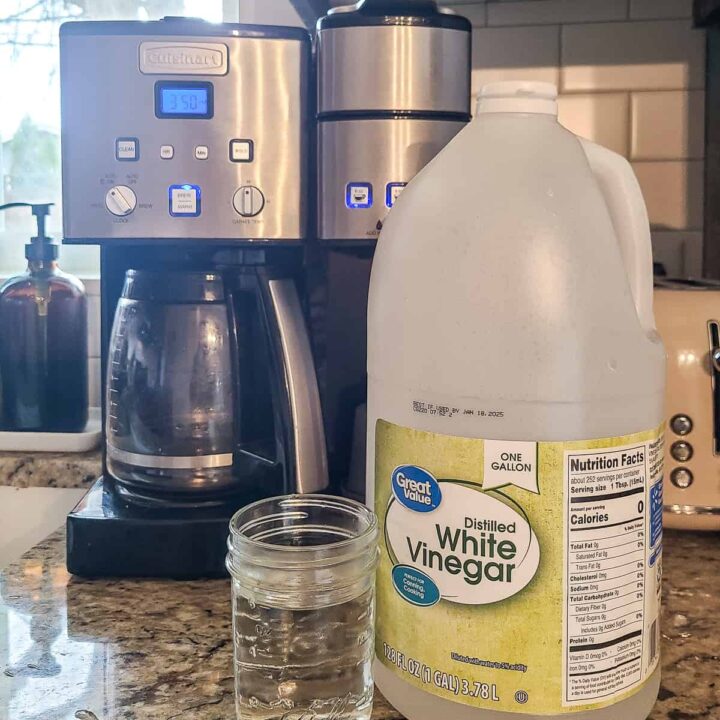
How much vinegar to clean coffee maker stays simple: 1 part vinegar to 1 part water is the standard. Adjust by volume to fill your reservoir, not by machine type.
How often to descale with vinegar
Descale frequency depends on water hardness and use. General guidance:
- If you use hard water, descale every 1 month.
- For moderate hardness, descale every 2 months.
- If you use filtered or soft water, descale every 3 months.
If coffee starts tasting flat or the brewer runs slowly, descale sooner. Note that the exact schedule for how much vinegar to clean coffee maker changes with your water and model.

Safety, warranty, and machine care
Check your machine manual before using vinegar. Some manufacturers advise against vinegar and recommend commercial descalers instead. Using vinegar when not recommended can void warranties.
Safety tips
- Work in a well-ventilated area to avoid strong vinegar fumes.
- Don’t mix vinegar with bleach or other cleaners.
- Rinse thoroughly. Run multiple water cycles to remove vinegar traces before brewing coffee.
If you accidentally use too strong a vinegar mix, run extra rinse cycles until the smell and taste are gone.
Troubleshooting, tips, and common mistakes
Common mistakes to avoid
- Using flavored or colored vinegar. This can stain and leave odors.
- Skipping rinse cycles. This leaves vinegar taste in your coffee.
- Using vinegar on machines with aluminum parts or sensitive seals without checking the manual.
Practical tips
- Use filtered water to reduce how often you need vinegar cleaning.
- Wipe the carafe and filter basket after each use to prevent buildup.
- Keep a small notebook noting descale dates and how much vinegar to clean coffee maker each time.
If your coffee still tastes off after cleaning, run extra water cycles and brew a cycle of plain water and discard it. Often this clears any lingering vinegar.
:strip_icc()/How_to_clean_coffeemaker_0220-Primary-d0c8d75c767a4d04a5b92b77d6db808c.jpg)
Personal experience and lessons learned
I once used a cup of undiluted vinegar in a small pod machine. The machine tasted vinegary for two days. Lesson learned: always dilute and rinse well. Since I switched to a simple 1:1 mix and two to three rinse cycles, the brew tasted fresh again.
Another tip from hands-on work: set a calendar reminder each month. That small habit prevents heavy scale and keeps coffee tasting great. When you know how much vinegar to clean coffee maker and follow a routine, cleaning becomes fast and stress-free.
Frequently Asked Questions of how much vinegar to clean coffee maker
How much vinegar should I use for a 12-cup coffee maker?
Use a 1:1 vinegar-to-water mix that fills the reservoir. For many 12-cup makers, that means about 4 to 6 cups of vinegar mixed with equal water to run a full cycle.
Can vinegar damage my coffee maker?
Vinegar can harm some machines, seals, or aluminum parts if used incorrectly. Check your manual; if the manufacturer warns against it, use a recommended descaler.
How long should I let the vinegar solution sit?
Let the 1:1 solution sit in the machine for 30 to 60 minutes during descaling. This dwell time helps dissolve limescale without aggressive scrubbing.
Will vinegar leave a taste or smell in my coffee?
If you rinse with 2 to 3 full water cycles after descaling, the vinegar smell and taste should be gone. If it lingers, run one or two more rinse cycles.
Is vinegar better than commercial descalers?
Vinegar is cheap and effective for mild scale. Commercial descalers work faster and are safer for some machines. Follow manufacturer guidance to choose the best option.
Can I use apple cider vinegar instead of white vinegar?
Avoid apple cider vinegar because it can stain and leave a stronger odor. White distilled vinegar is the preferred choice for cleaning.
Conclusion
Knowing how much vinegar to clean coffee maker makes descaling easy and effective. Use a 1:1 white vinegar-to-water mix, run a cycle, let it sit 30 to 60 minutes, and rinse with 2 to 3 water cycles. Check your manual for machine-specific warnings and consider commercial descalers for sensitive or high-end gear.
Take action today: set a cleaning schedule, use the simple 1:1 ratio, and save yourself from bitter coffee and costly repairs. If this guide helped, try the method and share your results in the comments or subscribe for more practical cleaning tips.

Liora Pennings is a seasoned chef and kitchen enthusiast with a passion for turning everyday cooking into an effortless experience. With years of hands-on culinary expertise, she specializes in practical techniques, ingredient know-how, and smart kitchen solutions that help home cooks elevate their meals. At KitchFlair.com, Liora shares her best tips, time-saving tricks, and honest product reviews to guide readers toward a more efficient, enjoyable, and inspired cooking routine. Whether you’re a beginner or a seasoned home chef, Liora’s friendly, knowledge-packed insights make every visit to the kitchen a little easier—and a lot more delicious.