Does Vacuum Cleaner Kill Spider: What Really Happens
Often, a vacuum cleaner can injure or kill a spider, but it may not do so every time.
Whether a vacuum cleaner kills a spider depends on suction strength, hose length, spider size, and what happens inside the machine. This guide explains the science, the risks, humane options, and the best way to keep spiders out of your home.
Does vacuum cleaner kill spider?
Yes, a vacuum cleaner may kill a spider, but the result is not certain. Strong suction can pull the spider through a narrow hose and cause serious injury. The spider may hit the hose wall, brush roll, dust bin, or other debris.
Still, some spiders survive the first few seconds. A large spider may cling to the hose or land on a soft pile of dust. Small spiders may also survive if they reach a quiet part of the vacuum.
The main factors include:
• Suction power: Strong suction creates more force and may cause greater injury.
• Vacuum design: A bagless vacuum, canister vacuum, and upright vacuum may affect the spider in different ways.
• Hose length: A longer hose gives the spider more space to move before reaching the dust chamber.
• Spider size: Large spiders can be injured by the hose or brush, while tiny spiders may slip into protected areas.
• Debris inside the vacuum: Dust, hair, and dirt can crush or trap the spider.
So, does vacuum cleaner kill spider in every case? No. It often does, but you should not treat vacuuming as a guaranteed method.

What happens to a spider inside a vacuum cleaner?
When a vacuum cleaner pulls in a spider, the spider faces a fast change in air pressure and strong airflow. It may be thrown against the inside of the hose or carried into the dust cup. This can damage its legs, body, or breathing organs.
Spiders do not breathe through lungs like humans. They use small openings called spiracles, along with book lungs in many species. Fine dust and debris may block these openings, especially when the spider remains inside the vacuum for a long time.
The spider may also die from:
• Impact with the hose or internal parts
• Crushing under dust and debris
• Dehydration
• Lack of access to food
• Heat inside the motor area
• Contact with a spinning brush roll
A vacuum cleaner is not a special pest control device. It does not use a poison or chemical that targets spiders. Its effect comes from force, impact, dust, and confinement.
In some cases, the spider may crawl back out if the vacuum is turned off soon after suction. This is more likely with a hose vacuum than with a sealed bag or a vacuum with a one-way valve.

Does vacuum cleaner kill spider eggs?
Vacuuming can remove spider egg sacs, but it may not destroy every egg. Many egg sacs have a tough silk covering that protects the eggs from damage. A vacuum may pull the sac away from a wall without breaking it.
If the egg sac stays intact inside the vacuum, spiderlings may hatch later. This is one reason to empty a bagless vacuum outdoors after removing a visible egg sac.
To handle a spider egg sac:
-
Turn off the vacuum.
-
Remove the dust cup or bag outdoors if possible.
-
Seal the contents in a trash bag.
-
Close the bag tightly.
-
Wipe the dust cup with a damp cloth.
-
Wash your hands after the task.
Do not rely on ordinary vacuuming to solve a spider problem. Egg sacs may sit in corners, behind furniture, under shelves, or near window frames. A full inspection is often needed.
If you find many egg sacs, you may have a larger pest issue. In that case, reducing insects and sealing entry points may help more than repeated vacuuming.
Can a spider survive being vacuumed?
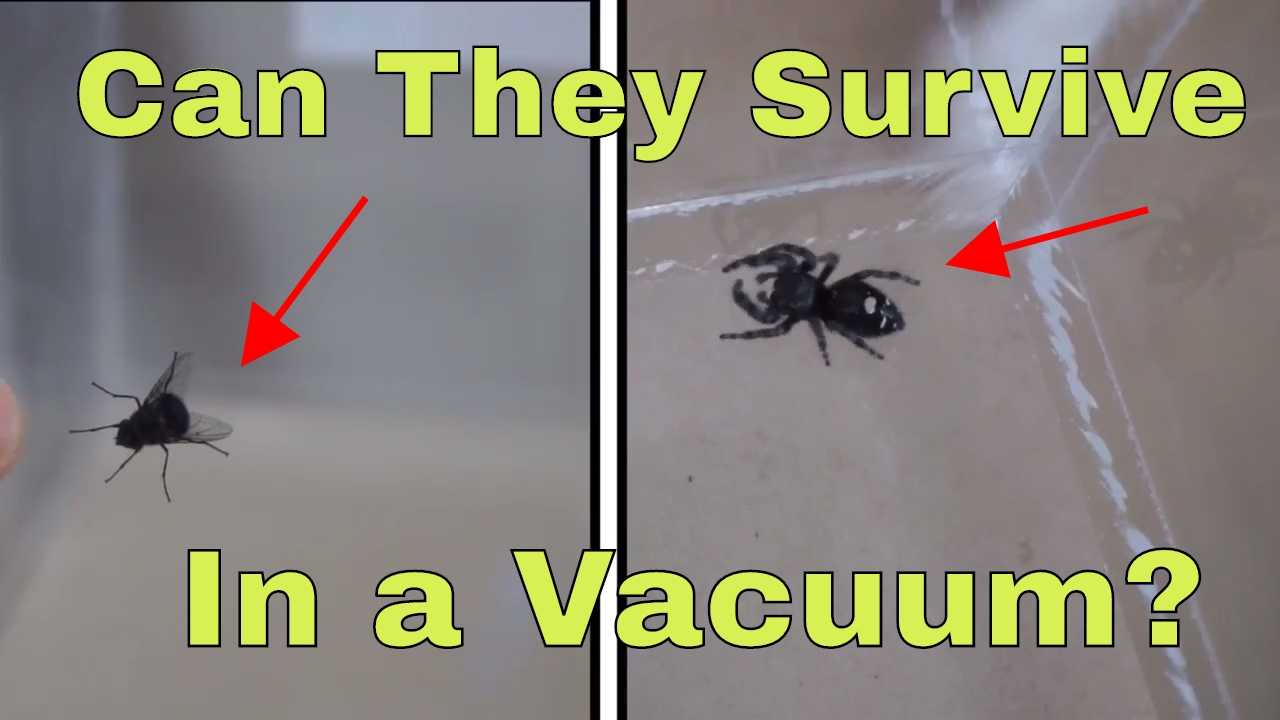
Yes, a spider can survive being vacuumed, especially when the vacuum is weak or the spider is large. Survival is more likely if the spider remains in the hose, avoids the brush roll, and is removed soon after suction.
A spider’s survival also depends on species and condition. Some spiders are fragile, while others can tolerate short periods without food. However, survival inside a vacuum does not mean the spider is healthy or safe.
The common idea that every spider crawls out of a vacuum is also misleading. Some vacuums make escape difficult because of:
• Narrow hoses
• Curved air paths
• One-way valves
• Sealed bags
• Fine filters
• Dense dust
A spider may survive the initial suction but die later from injury or dehydration. Since you cannot see what happens inside a closed vacuum, it is best to assume the spider may still be alive.
In household cleanups, a common mistake is turning the vacuum off and storing it right away. If the spider survived, it may remain in the hose or dust cup. Emptying the machine outdoors is a safer step.
Does vacuum cleaner kill spider without a bag?
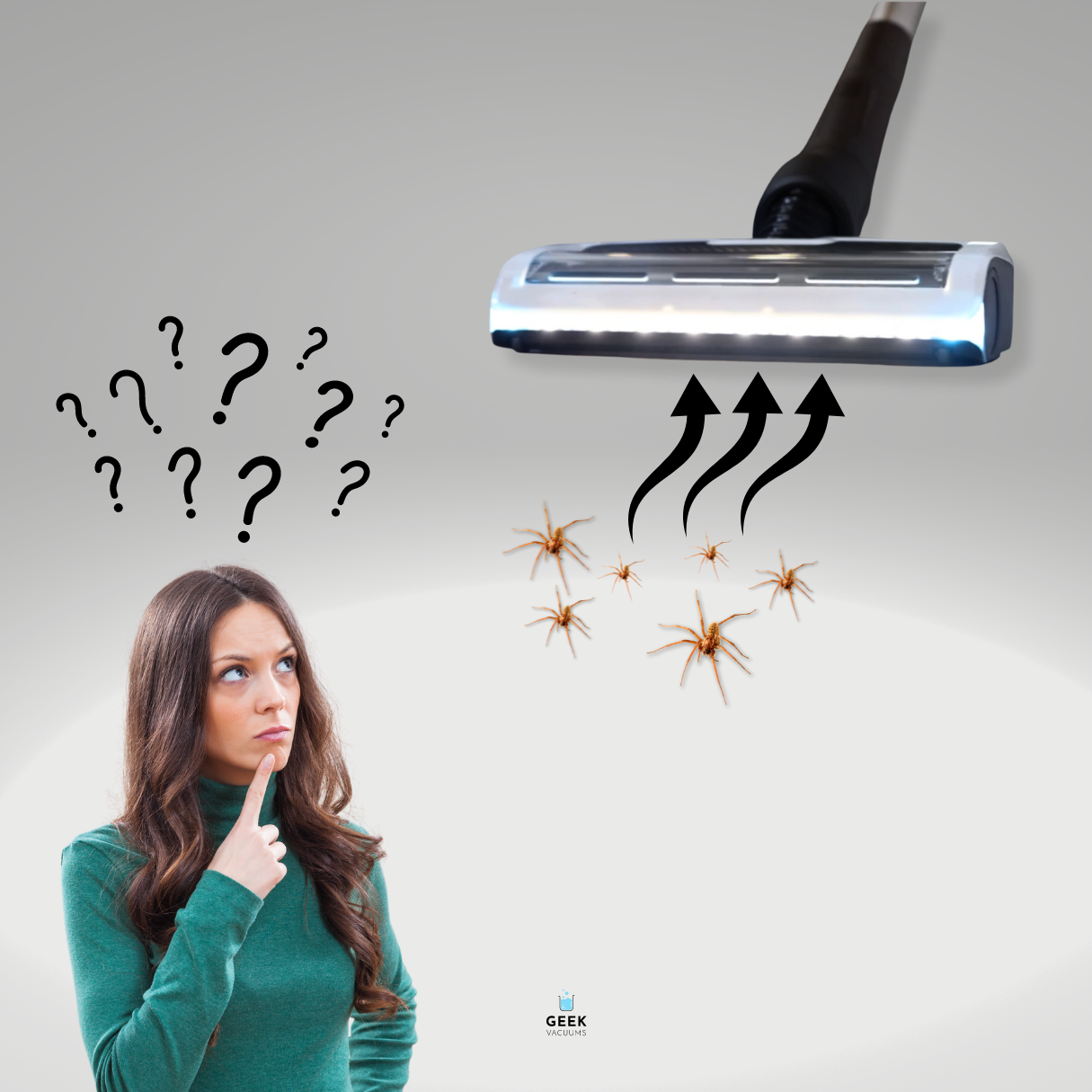
A bagless vacuum may kill a spider, but it may also make removal easier. The dust cup collects the spider with dirt and hair, and you can usually see the contents after cleaning.
However, some bagless vacuums have filters, valves, and narrow chambers. A spider may become trapped before reaching the dust cup. It may also hide under debris where you cannot see it.
If you use a bagless vacuum for a spider:
• Keep the vacuum running for several seconds after the spider enters.
• Turn off the machine.
• Take the dust cup outside.
• Empty it into a sealed trash bag.
• Check the hose and brush head.
• Clean the filter according to the manufacturer’s instructions.
Do not place your face near the dust cup. Dust can contain allergens, mold particles, insect parts, and other irritants. Use gloves if you are sensitive to dust.
A vacuum with a sealed bag is less convenient for checking the spider. If you use one, replace the bag outdoors and seal it before disposal.

How to vacuum a spider safely
If you are afraid of the spider or cannot reach it, vacuuming can be a quick and practical option. Use care so you do not damage the wall, furniture, or vacuum.
Follow these steps:
-
Keep children and pets away from the area.
-
Move slowly and avoid sudden movements.
-
Use the hose attachment instead of placing an upright vacuum over the spider.
-
Keep your hands away from the spider and the brush head.
-
Vacuum the spider for a few seconds.
-
Turn off the vacuum and unplug it.
-
Empty the canister or replace the bag outside.
-
Inspect the hose opening before storing the vacuum.
This method reduces the chance of direct contact. It also helps prevent the spider from running under furniture while you search for a container.
Do not use a vacuum cleaner near water, wet surfaces, exposed wires, or flammable liquids. A frightened person may rush, so pause and make the area safe first.
If you suspect the spider may be a medically important species, do not handle it. In the United States, most household spiders are harmless, but some areas have black widows or brown recluses. A local extension office or pest professional can help with identification.
Humane alternatives to vacuuming a spider
Vacuuming is not the only way to remove a spider. A catch-and-release method is often better if you want to avoid killing it.