Does Mushroom Coffee Make You Poop: What To Know
Yes, mushroom coffee can make you poop, mainly because it usually contains caffeine and regular coffee compounds.
The answer to “does mushroom coffee make you poop” depends on your gut, the coffee blend, and how much you drink. Medicinal mushrooms may play a small role, but caffeine, warm liquid, and added ingredients are often the real reasons for increased bowel movements. This guide explains what is happening, what the research suggests, and how to drink mushroom coffee more comfortably.

Does mushroom coffee make you poop?
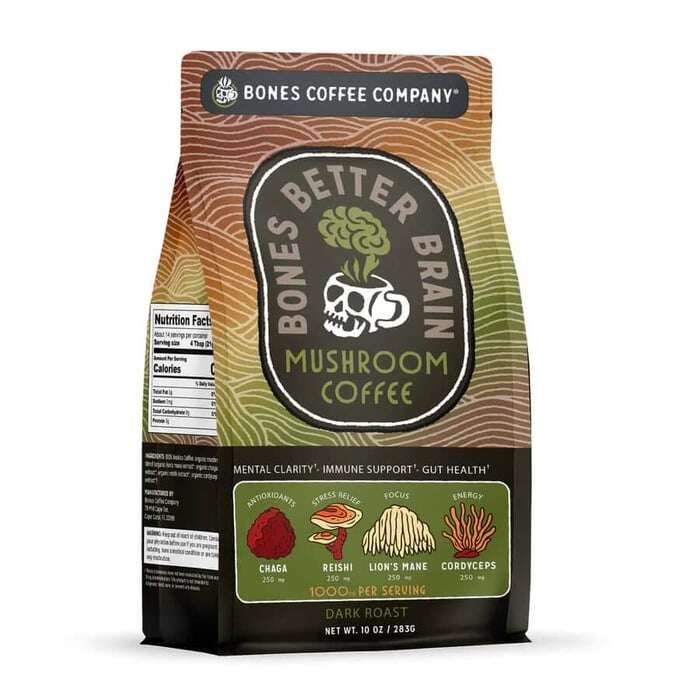
Yes, mushroom coffee may make you poop. Most mushroom coffee products contain regular coffee mixed with powdered mushrooms such as lion’s mane, chaga, reishi, or cordyceps. Since the coffee still contains caffeine, it can trigger the digestive system in much the same way as standard coffee.
Caffeine may increase colon activity and stimulate the gastrocolic reflex. This is the natural movement of the colon after you eat or drink. For some people, this reflex is mild. For others, it creates a strong urge to use the bathroom within minutes.
When asking does mushroom coffee make you poop, it is important to separate the coffee from the mushroom extract. There is not strong evidence that common mushroom powders act as powerful laxatives. In many cases, the coffee base is doing most of the work.

Why coffee can trigger a bowel movement
Coffee affects the digestive system in several ways. Its effects can happen even when the drink is not very strong.
Caffeine may increase colon movement
Caffeine is a stimulant. It can activate the nervous system and may encourage the muscles in the colon to contract. These contractions help move stool toward the rectum.
Research has found that coffee can increase colon activity in some people. This response may occur with both caffeinated and decaffeinated coffee, although regular coffee often has a stronger effect.
Coffee may increase digestive hormones
Coffee may stimulate the release of certain digestive hormones, including gastrin. Gastrin helps support movement in the stomach and intestines. This may explain why some people need to poop soon after their first morning cup.
Warm drinks can wake up the gut
A warm drink can help your body shift from rest to activity. Many people drink coffee in the morning, when the colon is already more active after waking. The combination of warmth, fluid, caffeine, and the morning gastrocolic reflex can create a predictable bathroom routine.
The body may learn the routine
If you drink mushroom coffee every morning, your body may begin to connect the smell and taste with a bowel movement. This is a learned response, much like feeling hungry when you hear a familiar lunch bell.
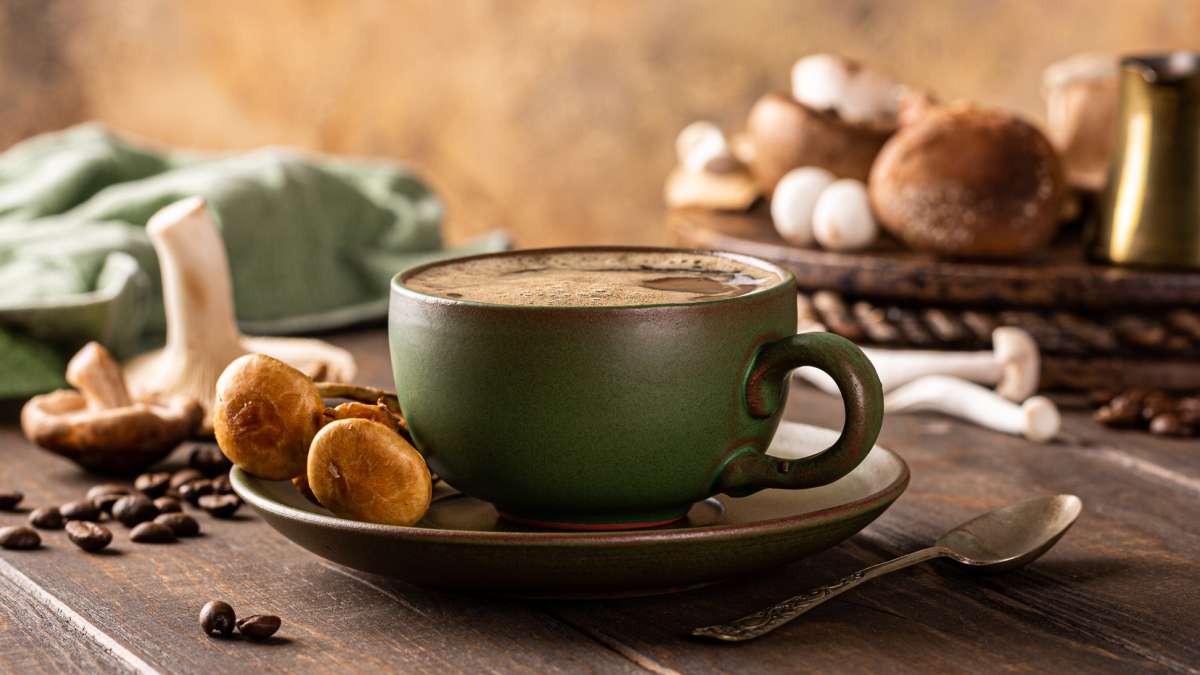
Can mushrooms in mushroom coffee cause diarrhea?
Mushroom powders may cause loose stools in some people, but this is not the usual effect for everyone. The result depends on the type of mushroom, the dose, your digestive health, and the other ingredients in the product.
Mushrooms contain compounds such as beta-glucans and chitin. Chitin is a type of fiber found in mushroom cell walls. Some people digest these compounds well, while others may notice gas, bloating, or softer stools.
Certain mushroom coffee blends also contain ingredients that can upset the gut, such as:
• Sugar alcohols, including erythritol or xylitol
• Inulin or chicory root fiber
• Milk powder or lactose
• Coconut milk powder
• Artificial sweeteners
• Herbal extracts
• Large amounts of soluble fiber
If you are wondering does mushroom coffee make you poop more than normal coffee, check the label. The mushroom blend may not be the only new ingredient. A creamer, sweetener, or added fiber may be the actual cause of diarrhea or urgency.

Mushroom coffee versus regular coffee
Mushroom coffee often has less caffeine than a full cup of regular coffee. However, the amount varies by brand and serving size. Some products contain instant coffee, while others use ground coffee with mushroom extracts.
A typical eight-ounce cup of coffee may contain about 80 to 100 milligrams of caffeine. Mushroom coffee can contain much less, but you should not assume it is caffeine-free unless the label says so.
Here is a simple comparison:
• Regular coffee: Usually has more caffeine and may cause a stronger bowel response.
• Mushroom coffee: May have less caffeine, but still can stimulate bowel movements.
• Decaf mushroom coffee: May still affect digestion because coffee compounds and the warm drink can trigger the gut.
• Mushroom-only drinks: May have little or no caffeine, but added fiber or mushroom compounds may still cause digestive changes.
For many people, does mushroom coffee make you poop is really a question about caffeine sensitivity. If regular coffee already sends you to the bathroom, a mushroom version may do the same.

Does mushroom coffee help with constipation?
Mushroom coffee may help some people have a bowel movement, but it should not be viewed as a proven constipation treatment. Its effect may come from caffeine, fluid, warmth, and the natural morning digestive reflex.
Constipation usually involves hard stools, infrequent bowel movements, straining, or a feeling that stool has not fully passed. Coffee may create the urge to go, but it does not correct the main causes of constipation, such as low fiber, poor fluid intake, low activity, or certain medicines.
For better bowel regularity, focus on basic habits:
- Drink enough water throughout the day.
- Eat fiber from fruits, vegetables, beans, oats, and whole grains.
- Walk or exercise regularly.
- Respond to the urge to poop instead of holding it.
- Increase fiber slowly to reduce gas and bloating.
If mushroom coffee helps you go, that is a personal response. It does not mean the drink is treating the underlying problem.
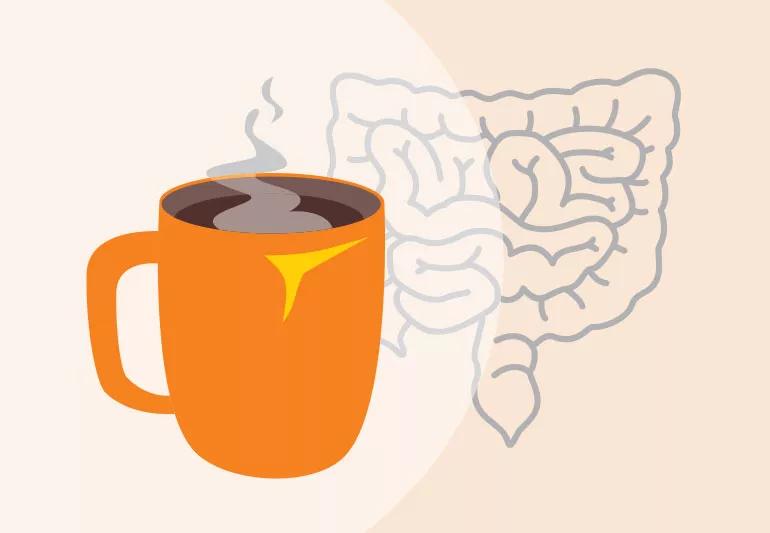
Why mushroom coffee may cause gas or stomach pain
Some people tolerate mushroom coffee well but develop gas, cramps, or nausea after switching to it. A sudden change in diet can affect the gut, especially when a new powder contains fiber or concentrated extracts.
The serving size also matters. Starting with two scoops may give you more mushroom extract than your body can handle. Drinking it on an empty stomach may make nausea or stomach discomfort more noticeable.
Other possible causes include:
• Caffeine sensitivity
• Acidic coffee
• Food intolerance
• Irritable bowel syndrome
• A reaction to dairy or creamer
• Poor-quality or contaminated products
• Taking the drink with other stimulants
A practical approach is to start with half a serving. Drink it with food and avoid adding several new ingredients at the same time. This makes it easier to identify what your stomach dislikes.

How to drink mushroom coffee without digestive trouble
If mushroom coffee causes urgency, you may not need to stop drinking it. Small changes can make a big difference.
Check the caffeine amount
Look for the caffeine level on the package. If it is not listed, contact the manufacturer or choose a product with clear labeling. Try a smaller serving or a half-caffeinated blend.
Avoid drinking it on an empty stomach
Food can slow the absorption of caffeine and make the drink feel gentler. A simple breakfast with oats, bananas, eggs, or toast may help.
Review the ingredient list
Look beyond the mushroom names. Check for chicory root, inulin, sugar alcohols, dairy, and herbal stimulants. These ingredients may explain bloating or diarrhea better than the mushrooms themselves.
Introduce one product at a time
Do not start mushroom coffee, a new supplement, and a high-fiber diet on the same day. If symptoms appear, you will not know which change caused them.
Reduce the serving size
Try one-quarter or one-half of the recommended serving for several days. Increase it only if your body responds well.
Keep a simple symptom log
Write down the product, serving size, time of day, food, and symptoms. This can reveal patterns and help you decide whether the drink is worth keeping.
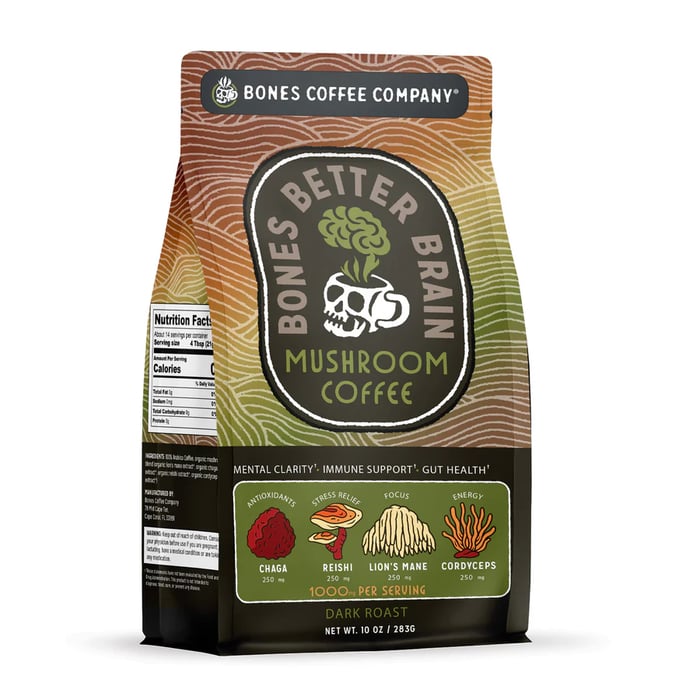
What I would watch for when testing mushroom coffee
A careful trial is more useful than guessing. I recommend treating the first week like a small personal experiment. Use one product, keep the serving small, and avoid changing your usual meals.
Pay attention to:
• How soon you feel the urge to poop
• Stool consistency
• Bloating or stomach cramps
• Your total caffeine intake
• Whether symptoms stop on days you skip the drink
• Whether a creamer or sweetener changes the response
One common mistake is blaming the mushroom blend without checking the rest of the label. A product may contain a small amount of mushroom extract but a large amount of coffee, fiber, or sweetener.
Another mistake is assuming that “natural” means risk-free. Natural ingredients can still cause allergies, interact with medicines, or irritate a sensitive digestive system. Start slowly and stop if you develop persistent symptoms.

Are there benefits to mushroom coffee?
Mushroom coffee may offer some benefits, depending on the ingredients and your personal response. Coffee can improve alertness and focus because of its caffeine content. Some mushroom extracts are being studied for antioxidant, immune, and cognitive effects.
However, many mushroom coffee claims are stronger than the available evidence. Human research is limited for several popular mushroom blends, and products can differ greatly in quality and dose.
Possible advantages include:
• A lower-caffeine alternative to regular coffee
• A convenient way to try mushroom extracts
• Improved alertness from caffeine
• A warm morning drink that supports a regular routine
• Less bitterness in some blends
Mushroom coffee is not a cure for constipation, diarrhea, fatigue, or disease. It should complement healthy habits, not replace medical care or a balanced diet.
When to stop drinking mushroom coffee
Stop the drink and reassess if you develop repeated diarrhea, severe cramps, vomiting, or a rash. These symptoms may point to intolerance, allergy, contamination, or another health issue.
Speak with a health professional if bowel changes continue after you stop the product. Seek prompt medical care for black stools, bloody stools, severe abdominal pain, fainting, dehydration, or unexplained weight loss.
People who are pregnant, breastfeeding, have liver or kidney disease, or take prescription medicines should ask a clinician before using concentrated mushroom products. Some mushroom extracts may affect blood clotting, blood sugar, blood pressure, or medicine metabolism.
Frequently Asked Questions About Does Mushroom Coffee Make You Poop
Does mushroom coffee make you poop more than regular coffee?
It can, but there is no clear evidence that mushroom coffee affects bowel movements more than regular coffee. The result usually depends on caffeine level, added ingredients, serving size, and personal sensitivity.
Does mushroom coffee cause diarrhea?
Mushroom coffee may cause diarrhea in sensitive people, especially when it contains caffeine, added fiber, sugar alcohols, or dairy. Stop using it if diarrhea continues, and seek medical advice if symptoms are severe or persistent.
Does decaf mushroom coffee make you poop?
Decaf mushroom coffee may still trigger a bowel movement because coffee compounds, warmth, fluid, and the gastrocolic reflex can affect the colon. It may have a milder effect than a caffeinated version.
Is mushroom coffee good for constipation?
Mushroom coffee may help some people pass stool, but it is not a reliable constipation treatment. Water, fiber, movement, and medical guidance are more dependable ways to manage ongoing constipation.
Do medicinal mushrooms act as laxatives?
Common medicinal mushrooms are not established laxatives. They may cause digestive changes in some people because of fiber, concentrated extracts, or individual intolerance.
How can you prevent mushroom coffee from upsetting your stomach?
Use a small serving, drink it with food, and check the label for caffeine, inulin, sugar alcohols, and dairy. Avoid combining it with several new supplements or high-fiber products.
Conclusion
So, does mushroom coffee make you poop? It can, but caffeine and the coffee itself are usually the main reasons. Mushroom extracts, added fiber, sweeteners, dairy, and your own digestive sensitivity may also play a part.
Start with a small serving, read the full ingredient list, and track how your body responds. If you experience ongoing diarrhea, pain, blood in your stool, or other warning signs, stop the drink and contact a health professional. Have you noticed a change in your digestion after drinking mushroom coffee? Share your experience or explore more evidence-based coffee and gut health guides.

Liora Pennings is a seasoned chef and kitchen enthusiast with a passion for turning everyday cooking into an effortless experience. With years of hands-on culinary expertise, she specializes in practical techniques, ingredient know-how, and smart kitchen solutions that help home cooks elevate their meals. At KitchFlair.com, Liora shares her best tips, time-saving tricks, and honest product reviews to guide readers toward a more efficient, enjoyable, and inspired cooking routine. Whether you’re a beginner or a seasoned home chef, Liora’s friendly, knowledge-packed insights make every visit to the kitchen a little easier—and a lot more delicious.