How To Reduce Oiliness In Dark Roast Coffee Brewing: Tips
Use coarser grinds, lower water temperature, and paper filters to cut oiliness quickly.
I’ve brewed thousands of cups and coached home baristas on how to reduce oiliness in dark roast coffee brewing. This guide combines practical tips, gear choices, and step-by-step recipes to help you get cleaner cups without losing the roast’s character. Read on for clear, tested actions you can apply today to tame oil, improve clarity, and keep the bold flavors you love.
Why dark roasts look and taste oily
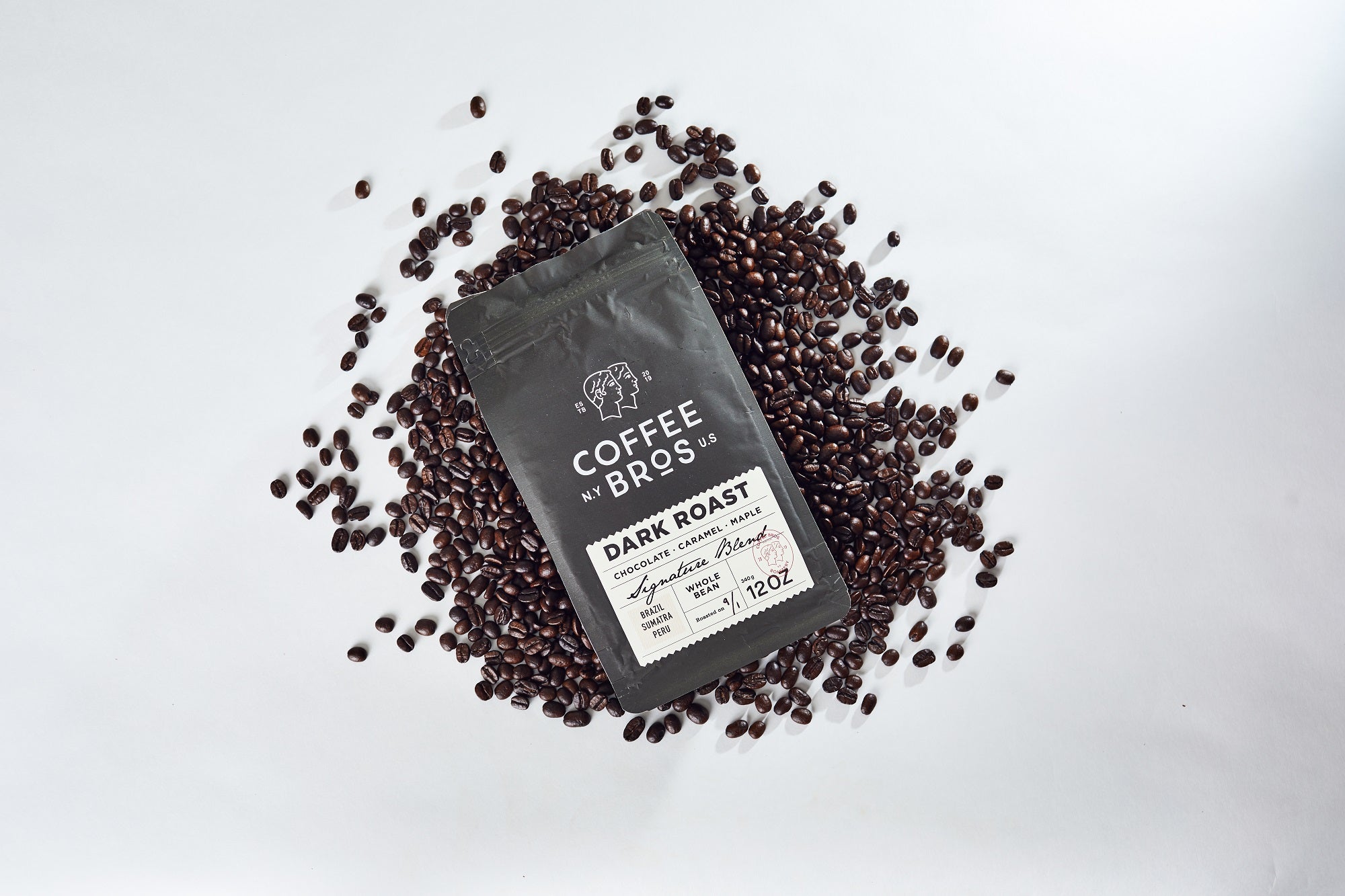
Dark roast beans often appear oily because the roast brings natural coffee oils to the bean surface. These oils contain aromatic compounds and fats that make cups heavy or slick. When brewed, too much surface oil or fine particles can create an oily mouthfeel and muted clarity.
Key causes include:
- High roast level that forces oils out of beans onto the surface.
- Very fine grind that lets oils and micro-fines pass through filters.
- Brewing methods that do not trap oils, like metal filters or full immersion.
- Over-extraction and high temperature that emulsify oils into the cup.
Understanding these causes helps you change one thing at a time. When you learn how to reduce oiliness in dark roast coffee brewing, you control clarity and texture while keeping flavor.

How to reduce oiliness in dark roast coffee brewing — Practical brewing adjustments
Simple changes in brew variables cut oiliness fast. Try these proven adjustments when you want a cleaner cup.
Grind size
- Use a coarser grind for pour-over and immersion methods. Coarser grounds release fewer oils and fines into the brew.
- For pour-over, move one to two grind steps coarser than your usual setting.
Water temperature
- Lower water temp to 195–200°F (90–93°C). Slightly cooler water extracts fewer oils and bitter compounds.
- Avoid boiling water; it can emulsify surface oils and increase slickness.
Filter choice
- Use paper filters to capture surface oils and fines. Double-layer paper filters give extra clarity.
- Metal filters allow more oil through; switch them out when oiliness is a concern.
Brew method and contact time
- Shorten contact time for immersion brews. For French press, cut steep time from 4 minutes to 3 minutes.
- Use pour-over or drip with paper filter for clearer cups.
Agitation and pouring
- Gentle pouring reduces shear that can emulsify oils. Stirring aggressively may increase slickness.
- For pour-over, use slow, steady circles instead of rapid agitation.
Dose and ratio
- Slightly increase dose with coarser grind rather than making grind finer. This retains strength without more oil extraction.
- Try a 1:15 to 1:16 ratio for balanced flavor and less heavy mouthfeel.
When you apply these tips, you will notice less oil on the surface and a cleaner palate. Practically speaking, focus first on grind and filter — they have the biggest effect on how to reduce oiliness in dark roast coffee brewing.
Equipment and coffee choices to lower oil
The right gear and beans make a big difference. These choices reduce oil naturally.
Choose beans and roast level
- Pick slightly lighter dark roasts or upper-mid roasts if oil is persistent. They have less surface oil while keeping roast notes.
- Seek beans that were roasted and packaged within a few weeks; older beans can exude more surface oils.
Grinder and grind consistency
- Use a quality burr grinder for even particle size. Uneven grind creates fines that carry oil through filters.
- Clean your grinder regularly; stale oils and fines build up and raise slickness.
Filters and gear
- Paper filters for pour-over and drip remove oils effectively.
- For AeroPress, use paper microfilters or double up the paper to cut oil transfer.
- If you prefer French press, consider using a paper-filtered pour-over instead on days you want clarity.
Cleaning and maintenance
- Clean all brew equipment and glassware. Old oil residues make new cups oily.
- Wash grinder burrs and dispense chute monthly if you brew daily.
Storage and beans
- Store beans in a cool, dark, airtight container to slow oil migration to the surface.
- Avoid refrigeration that can cause moisture; keep beans at room temperature away from light.
These equipment choices are practical steps you can take right away to reduce oil. From my experience, switching to paper filters and a consistent burr grinder gives the fastest improvement in clarity and mouthfeel.
Step-by-step recipes that cut oiliness
Below are easy recipes to try. Each keeps flavor while reducing oil.
Pour-over (paper)
- Use 18 g coffee to 300 g water (1:16.7). Grind medium-coarse.
- Bloom 30 seconds with 50 g water at 195–200°F.
- Pour slowly to finish at 2:30–3:00 minutes.
- Serve immediately. Expect a clean, bright cup.
Cold-brew (less oil)
- Use 100 g coarse coffee to 1 L cold water. Stir gently.
- Steep 12–14 hours in the fridge.
- Filter through paper to trap oils and fines.
- Dilute concentrate before serving.
French press (reduced oil method)
- Grind slightly coarser than usual.
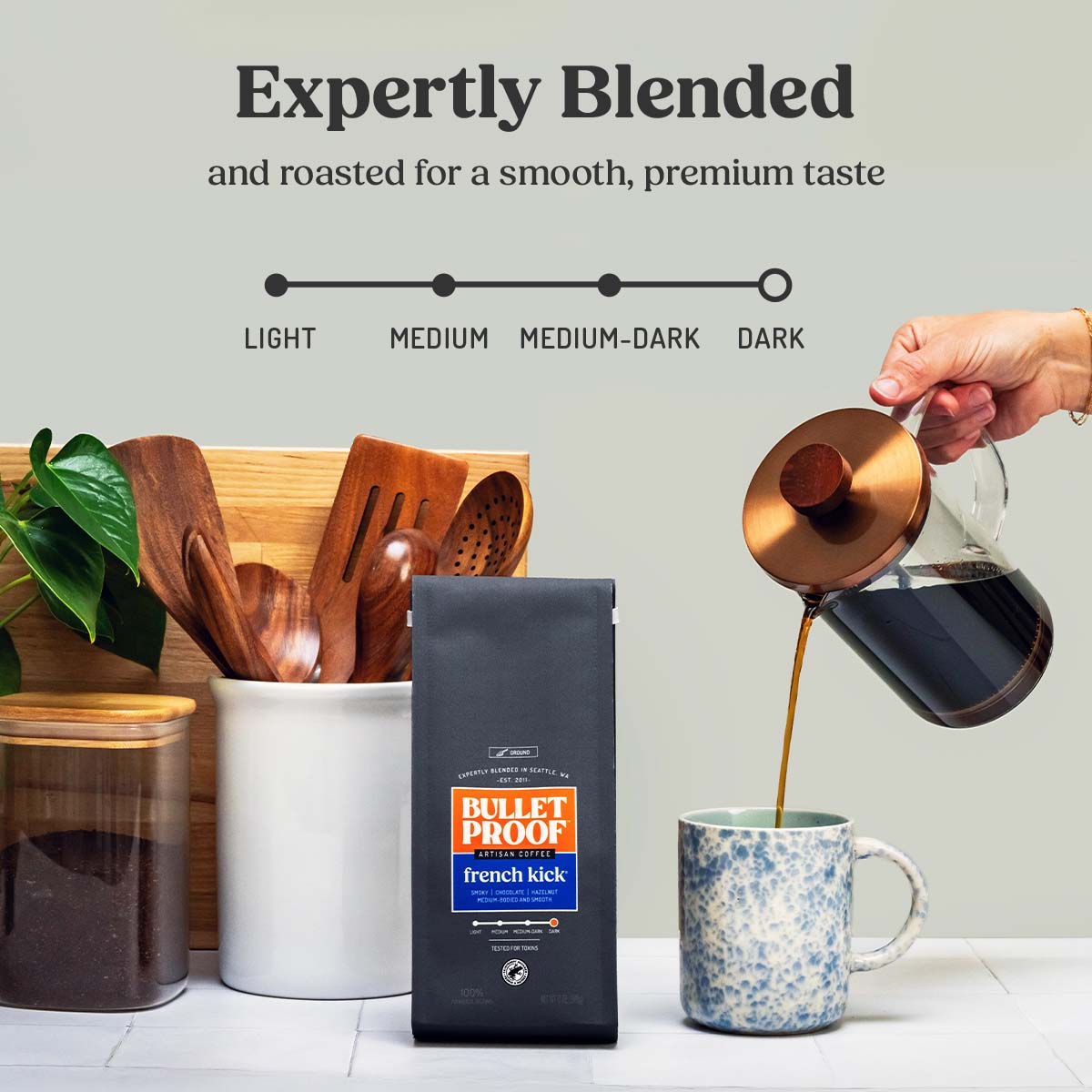
- Steep 3 minutes at 195–200°F, press gently.
- Pour through a paper filter into a serving vessel to remove extra oil.
These recipes show practical swaps that focus on how to reduce oiliness in dark roast coffee brewing while maintaining roast character.

Troubleshooting and testing
If oiliness persists, test one variable at a time. Keep notes and taste changes.
Testing plan
- Change grind first. If no change, switch filters. Next, lower water temp.
- Taste for differences and record results. Small changes add up.
Common mistakes to avoid
- Making multiple changes at once. You won’t know what helped.
- Using very fresh oily beans right after roast without degassing.
- Ignoring grinder cleanliness — old buildup can ruin results.
PAA-style quick questions
Q: Will paper filters remove flavor?
A: Paper filters remove oils and some body but preserve clarity and flavor notes. You may lose some heaviness but keep most taste.
Q: Does roast date matter for oil?
A: Yes. Very fresh dark roast can be oily as it degasses. Wait 3–7 days or use slightly older beans for less surface oil.
Q: Can I use metal filters and still reduce oil?
A: You can by coarsening the grind, lowering temp, and using a two-step filtration (metal then paper) but paper is simplest and most effective.
Frequently Asked Questions of how to reduce oiliness in dark roast coffee brewing
What is the easiest change to reduce oiliness?
Start with switching to paper filters and a coarser grind. Those two steps deliver the biggest improvement fast.
Does water temperature really affect oiliness?
Yes. Lowering temperature slightly reduces extraction of heavy oils and bitter compounds, producing a cleaner cup.
Will using lighter roasts fix the slick mouthfeel?
Lighter roasts usually have less surface oil, so they help, but you can also keep dark roasts and adjust brew methods to reduce oiliness.
How often should I clean my grinder to avoid oily buildup?
Clean daily for visible oil or weekly for routine maintenance. Deep clean burrs monthly if you brew every day.
Can I improve oiliness in a French press without changing the device?
Yes. Reduce steep time, use a coarser grind, and pour the brew through a paper filter after plunging to remove excess oil.
Conclusion
You can cut oiliness in dark roast cups with simple, tested steps: coarser grind, lower brew temperature, and paper filtration are the fastest wins. Tweak one variable at a time, keep equipment clean, and try the recipes above to find the balance you like. Take action this week—swap filters, adjust grind, and taste the difference. If you found this helpful, try these tips in your next brew and share your results or questions below.

Liora Pennings is a seasoned chef and kitchen enthusiast with a passion for turning everyday cooking into an effortless experience. With years of hands-on culinary expertise, she specializes in practical techniques, ingredient know-how, and smart kitchen solutions that help home cooks elevate their meals. At KitchFlair.com, Liora shares her best tips, time-saving tricks, and honest product reviews to guide readers toward a more efficient, enjoyable, and inspired cooking routine. Whether you’re a beginner or a seasoned home chef, Liora’s friendly, knowledge-packed insights make every visit to the kitchen a little easier—and a lot more delicious.