Does Carpet Cleaning Include Vacuuming: What To Know
Most professional carpet cleaning services include vacuuming, but the exact steps vary by company and cleaning method.
If you are asking, “does carpet cleaning include vacuuming,” the answer is usually yes, especially before deep cleaning. Pre-vacuuming removes loose dirt so hot water, steam, or cleaning solutions can reach the carpet fibers more deeply. This guide explains what to expect, what may cost extra, and how to prepare your home with confidence.
Does carpet cleaning include vacuuming?
Most professional carpet cleaners vacuum the carpet before applying water or cleaning products. This step is called pre-vacuuming. It removes dry soil, hair, crumbs, dust, and other loose debris from the surface and upper carpet layers.
However, not every company includes the same level of vacuuming. Some cleaners use a commercial vacuum before cleaning. Others expect the homeowner to vacuum first and may only do a quick pass around furniture.
So, does carpet cleaning include vacuuming in every case? No. It is common, but it is not guaranteed unless the service description says so.
A professional carpet cleaning visit may include:
• Moving small items from the carpet
• Pre-vacuuming loose dirt
• Spot treatment for stains
• Applying a cleaning solution
• Agitating the carpet fibers
• Hot water extraction or another deep-cleaning method
• Extracting moisture and residue
• Grooming the carpet
• A final inspection
Pre-vacuuming is like sweeping a floor before mopping it. If you skip the first step, the cleaning process has to work through a layer of dry dirt before it can reach the surface that needs attention.
Why vacuuming matters before carpet cleaning
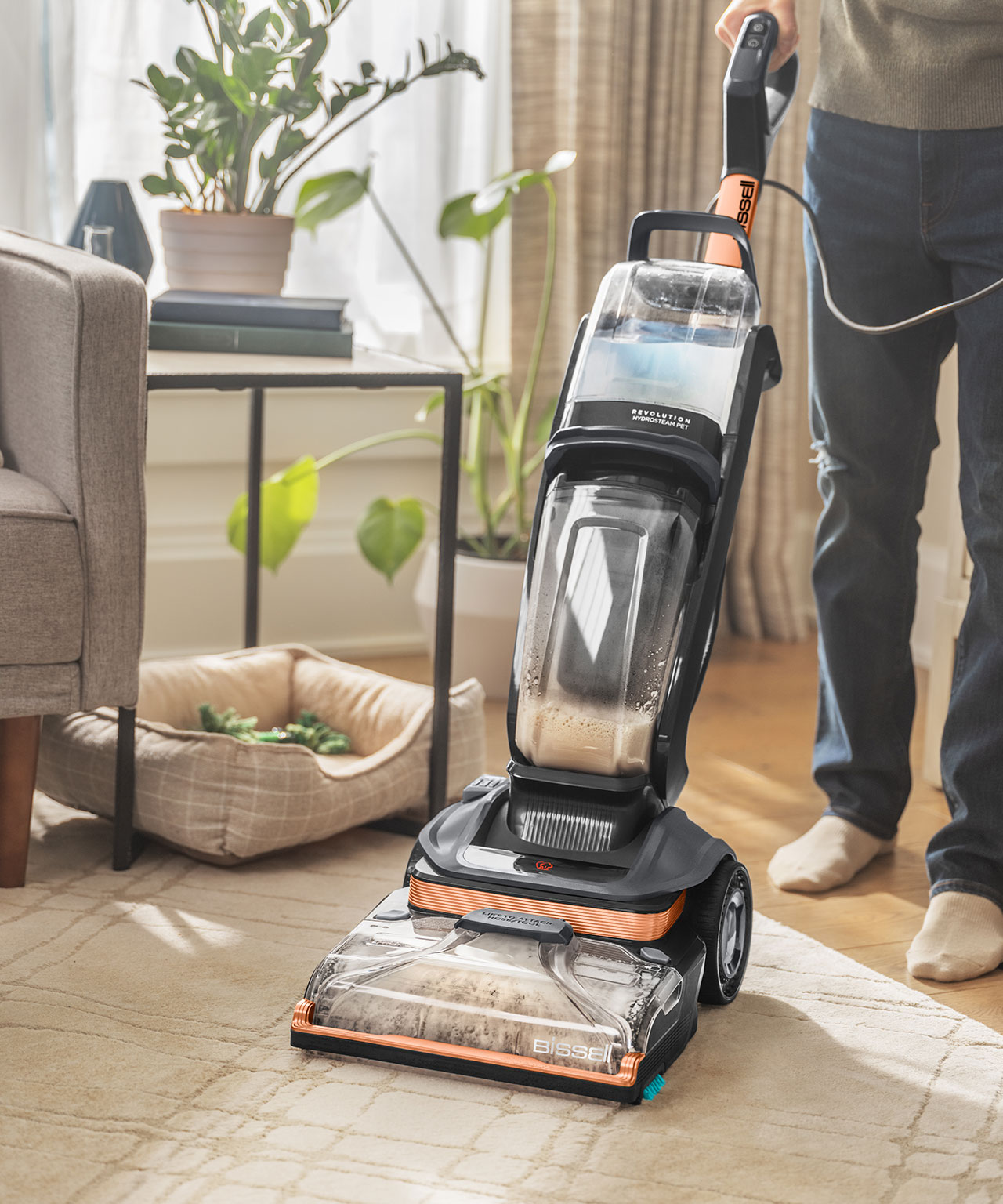
Vacuuming is more than a quick housekeeping step. It helps the carpet cleaning process work better and can improve the final result.
Carpet fibers act like tiny nets. They catch dust, soil, pet hair, skin flakes, and food particles. Some of this dirt sits near the surface, while other particles settle near the carpet backing.
When moisture is added to a dirty carpet, loose soil can turn into mud. That mud may spread across the fibers or become harder to remove. Pre-vacuuming helps limit this problem.
Here are the main benefits of vacuuming before deep cleaning:
• It removes dry soil before moisture is added.
• It helps cleaning products reach the fibers.
• It reduces the risk of muddy residue.
• It improves the appearance of high-traffic areas.
• It may shorten drying time by removing debris that holds moisture.
• It helps protect carpet fibers from abrasive grit.
Many carpet manufacturers recommend regular vacuuming because dry soil can wear down fibers. Dirt acts like fine sandpaper under shoes. Each step can grind those particles against the carpet, causing dullness and early wear.
In my experience, homes with pets often need extra vacuuming before a cleaning appointment. Pet hair can form a loose layer that blocks the cleaning solution from reaching the carpet. A careful vacuum pass can make a clear difference, especially near stairs, sofas, and entry doors.

What happens during a professional carpet cleaning
The answer to “does carpet cleaning include vacuuming” becomes clearer when you understand the full service process. Professional cleaners usually follow several stages, although the order may differ by company.
1. Carpet inspection
The technician checks the carpet type, fiber condition, stains, wear, and possible color issues. Wool, silk, cotton, nylon, polyester, and olefin may need different methods.
The cleaner should also ask about pet accidents, recent spills, and previous treatments. This information helps prevent the wrong product or too much water from being used.
2. Pre-vacuuming
The technician removes loose debris with a commercial vacuum. This may include visible dirt, pet hair, sand, and dust.
Some companies vacuum only open areas. If furniture remains in place, the cleaner may not vacuum beneath it. Ask whether furniture moving and vacuuming under furniture are included.
3. Stain treatment
Stains may receive a special product before the main cleaning. Coffee, grease, wine, ink, and pet urine do not all respond to the same treatment.
No honest cleaner can promise that every stain will disappear. Some marks have changed the carpet dye or damaged the fiber. In those cases, cleaning can improve the appearance but may not restore the carpet completely.
4. Main cleaning
The main method may be hot water extraction, low-moisture cleaning, shampooing, dry cleaning, or encapsulation.
Hot water extraction is often called steam cleaning, although many machines do not produce true steam. The equipment sprays a controlled cleaning solution and then removes it with strong suction.
5. Drying and grooming
The technician may groom the carpet so the fibers stand in the proper direction. Fans can help speed drying.
Carpet should dry fully before heavy foot traffic. Drying time depends on humidity, ventilation, carpet thickness, and the amount of moisture used.
Does carpet cleaning include vacuuming after the carpet dries? Usually not. The technician may do a final inspection, but routine post-cleaning vacuuming is often left to the homeowner.

Is vacuuming before carpet cleaning necessary?
Yes, vacuuming before carpet cleaning is usually a good idea, even when the company includes pre-vacuuming. It removes extra debris and helps the technician focus on deep cleaning.
Vacuum the carpet one day or a few hours before the appointment. Use slow passes, especially in busy areas. A fast pass may remove surface crumbs but leave heavier soil behind.
Pay extra attention to:
• Hallways and stairs
• Areas near exterior doors
• Under dining tables
• Around pet beds
• In front of sofas
• Corners and wall edges
• Rooms with children or frequent snacks
Do not aggressively scrub a stain before the technician arrives. Scrubbing can spread the mark, push it deeper, or damage the fibers. Instead, blot fresh spills with a clean white cloth and tell the technician what caused the stain.
Move small objects from the floor. Ask the company whether it wants you to move chairs, lamps, plants, and tables. Heavy furniture may remain in place, and some companies charge extra to move large items.
A useful preparation checklist includes:
- Pick up toys, clothing, and small items.
- Vacuum slowly and carefully.
- Blot fresh spills without rubbing.
- Keep pets away from the work area.
- Open windows or plan for ventilation if weather allows.
- Ask about drying time and furniture placement.
- Confirm whether pre-vacuuming is included.
Does carpet cleaning include vacuuming if the customer does not prepare the room? Often yes, but extra clutter can slow the work. A prepared room lets the technician spend more time on treatment and extraction.

Carpet cleaning methods and vacuuming differences
The answer to “does carpet cleaning include vacuuming” may depend on the cleaning method. Each method has a different process and may use different equipment.
Hot water extraction
Hot water extraction uses a cleaning solution and powerful suction. It can remove deep soil, allergens, and sticky residue when performed correctly.
Pre-vacuuming is especially helpful with this method. Removing dry soil first helps prevent dirty water from spreading through the carpet.
Low-moisture cleaning
Low-moisture systems use less water than traditional extraction. They may use absorbent compounds, cleaning pads, or encapsulation products.
Some companies still pre-vacuum. Others rely on the cleaning machine to collect loose soil during the process. Ask the provider how much vacuuming is included.
Carpet shampooing
Shampooing applies a detergent to the carpet and uses a machine to scrub the fibers. The carpet may then need extraction or extended drying.
Older shampoo methods can leave residue if too much product is used. Residue may attract dirt and cause the carpet to look soiled again.
Dry carpet cleaning
Dry cleaning uses very little moisture. A compound or solvent may be worked into the carpet and removed with a machine.
This method can be useful when fast drying matters. It may not provide the same deep flushing effect as hot water extraction, especially in heavily soiled carpet.
Do-it-yourself rental machines
Rental machines often require the homeowner to vacuum first. They may not have the same suction power or cleaning control as professional equipment.
A common mistake is using too much solution. More product does not always mean cleaner carpet. It can leave sticky residue and increase drying time.

What carpet cleaning does not usually include
A carpet cleaning appointment may not include every service that homeowners expect. Asking clear questions before booking helps prevent surprise charges.
Carpet cleaning may not include:
• Vacuuming beneath heavy furniture
• Moving beds, dressers, pianos, or large cabinets
• Cleaning upholstery
• Cleaning area rugs
• Removing permanent dye stains
• Repairing burns, tears, or carpet seams
• Treating severe pet odor in the padding
• Applying stain protection
• Extra deodorizer or disinfectant
• Cleaning stairs unless they are listed in the quote
Some companies include deodorizer and spot treatment at no extra cost. Others charge for each add-on. The phrase “full carpet cleaning” does not have one universal meaning.
Does carpet cleaning include vacuuming under furniture? Usually, only if the furniture is moved and the company permits it. Many technicians avoid moving heavy pieces because of injury, floor damage, or liability concerns.
Before booking, ask these questions:
• Does the price include pre-vacuuming?
• Do you move furniture?
• Are stairs included?
• Are stain treatments included?
• Is deodorizing extra?
• Which cleaning method will you use?
• How long will the carpet take to dry?
• Do you offer a satisfaction guarantee?
A written estimate is better than a low verbal quote. It makes the service clear and gives you something to review if the final bill changes.

How often should you vacuum and deep clean carpet?
Regular vacuuming and professional cleaning serve different purposes. Vacuuming removes loose surface soil. Deep cleaning removes material that settles farther into the carpet.
For many homes, vacuuming one to two times each week is a reasonable starting point. High-traffic areas, homes with pets, and homes with children may need more frequent vacuuming.
Professional cleaning is often recommended at least once every 12 to 18 months. Busy homes may benefit from cleaning every 6 to 12 months. Always check the carpet warranty because some manufacturers set specific cleaning requirements.
You may need professional service sooner if:
• The carpet looks dull after vacuuming.
• There is a strong odor.
• Stains keep returning.
• Allergies seem worse indoors.
• High-traffic lanes look dark.
• Pet accidents have soaked into the padding.
• The carpet feels sticky after cleaning.
The best schedule depends on fiber type, household traffic, pets, indoor air quality, and maintenance habits. A home with two dogs and three children will need a different plan from a quiet guest room.
Does carpet cleaning include vacuuming often enough to replace routine vacuuming? No. Professional cleaning is not a substitute for regular home care. Think of it as a deep reset, while vacuuming is the daily or weekly maintenance that protects the carpet between visits.
Common mistakes to avoid
Many carpet problems come from small mistakes rather than poor equipment. Avoiding these errors can protect both the carpet and your budget.
First, do not wait until the carpet looks extremely dirty. Soil can damage fibers before it becomes easy to see. Regular vacuuming and timely cleaning usually cost less than replacing worn carpet.
Second, do not use a strong household cleaner on every stain. Bleach, ammonia, and harsh chemicals can change color or weaken fibers. A product that works on tile may harm carpet.
Third, do not soak the carpet. Excess moisture can lead to long drying times, musty odors, color bleeding, or microbial growth. Professional cleaners should control water use and remove as much moisture as possible.
Fourth, do not walk heavily on wet carpet. Shoes can bring in new dirt and flatten damp fibers. Follow the technician’s instructions about foot traffic and furniture.
One lesson I have seen repeatedly is that rushed vacuuming causes disappointing results. Spending an extra ten minutes on edges and high-traffic paths can help the deep-cleaning stage perform much better.