How To Fix Vacuum Cleaner Blowing Dust Out Instead: DIY Fix
Clogged filters, torn seals, or a blocked hose usually make a vacuum blow dust back out.
I’ve spent years fixing vacuums for friends and family, and I know how frustrating it is when your machine kicks dust back into the room. This guide explains how to fix vacuum cleaner blowing dust out instead with clear checks, step-by-step fixes, and simple upkeep tips. You’ll learn what to inspect, how to repair common faults, when to replace parts, and when to call a pro. Read on and get the problem solved fast and with confidence.

Why your vacuum is blowing dust out
Dust being pushed out of the exhaust is a sign the system’s not sealing or filtering correctly. The problem can come from bad filters, a damaged bag or bin, cracked hoses, or a broken motor seal. Some vacuums also reverse airflow or have clogged paths that force dust out the exhaust. Knowing the root cause helps you fix the issue fast.
Common causes
- Clogged or dirty filters that no longer trap fine dust.
- Full or torn dust bag or overflow in a bagless bin.
- Holes, cracks, or loose clamps in hoses and seals.
- Blocked air pathways in the brush roll or wand.
- Faulty motor seals or bypass valves that leak dust into the exhaust.
How to spot the cause quickly
- Remove the dust container and run the vacuum. If dust comes out the exhaust, check filters and seals.
- Smell or feel for airflow leaks near hose connections and seals.
- Inspect inside the hose with a flashlight for clogs or debris.
If you want to know exactly how to fix vacuum cleaner blowing dust out instead, start with filters and seals. Fixing those usually stops the problem.

Tools and parts to inspect before you start
Gather a few tools and spare parts. Being ready saves time and prevents repeated trips to the store.
Essential tools
- Soft brush and cloth for cleaning.
- Screwdrivers (Philips and flat head).
- Needle-nose pliers for clamps.
- Long flexible brush or small plumbing snake to clear hoses.
- Vacuum parts like new filters, bags, or a replacement hose.
Parts to check and replace
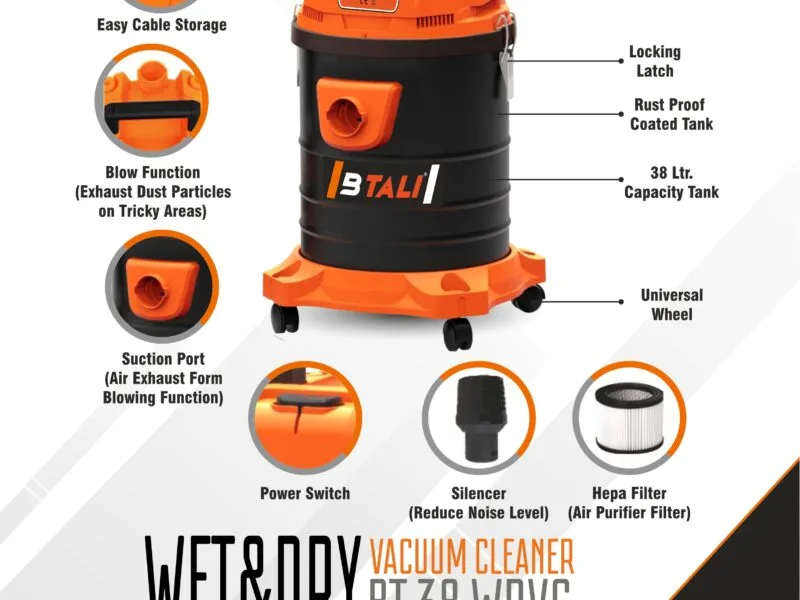
- Pre-motor filter and HEPA or exhaust filter.
- Dust bag or dust bin gasket and lid.
- Hose, wand, and seals.
- Motor seal and foam gaskets in older machines.
- Bypass valve or airflow flap if your model has one.
I keep a spare HEPA filter and one bagless bin gasket at home. That small kit has fixed more than one case of dust blowback. If you want to fix vacuum cleaner blowing dust out instead quickly, start with the filters.
Step-by-step fixes: practical repairs you can do at home
Work from simple to complex. Test after each step to see if the problem is fixed.
- Turn off and unplug the vacuum
- Always disconnect power before you start. Safety first.
- Empty and clean the dust container or change the bag
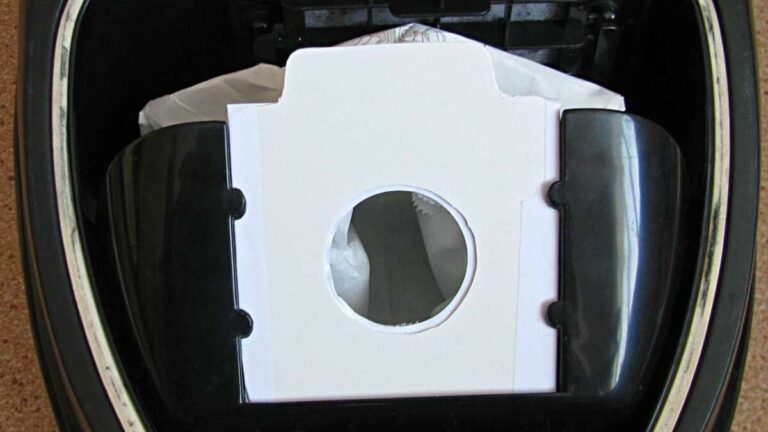
- For bagless models, wash the bin and let it dry fully. For bag models, replace the bag and check the collar for rips.
- A full or damaged container forces dust into the exhaust.
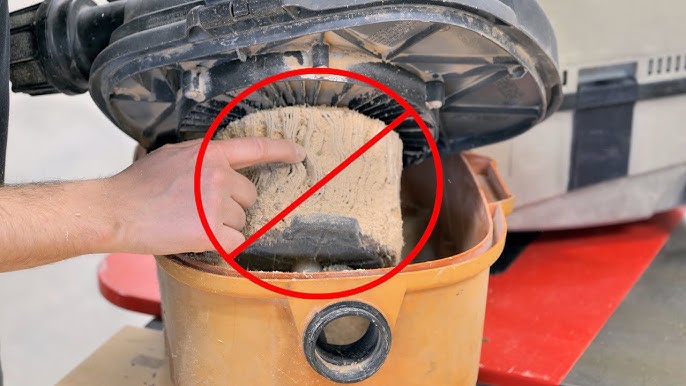
- Clean or replace filters
- Remove the pre-motor and exhaust filters. Tap loose dust outside. Wash washable filters and let them dry 24 hours.
- Replace non-washable filters. A clogged filter will push dust out the exhaust.
- If your model has a HEPA filter, replace it on the schedule recommended by the maker.
- Inspect hoses, seals, and connections
- Detach the hose and look through it with a flashlight. Use a long brush to clear hair and clumps.
- Check for pinholes, splits, or loose clamps. Replace the hose or use a repair sleeve if needed.
- Re-seat hose cuffs and tighten any clamps.
- Check the airflow path
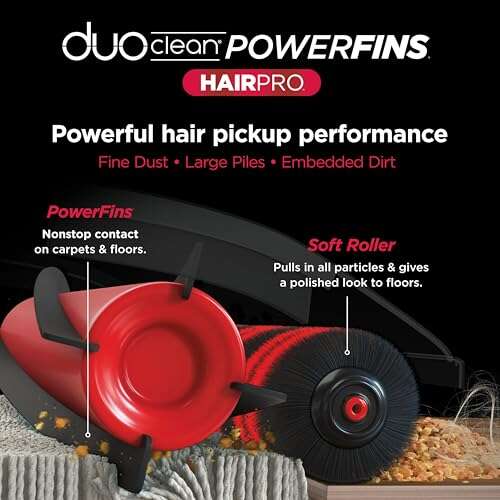
- Remove the brush head and clear hair or debris wrapped around the brush roller.
- Inspect the wand and elbow joints for blockages. Clear each section and reattach.
- Check motor seals and bypass valves
- Older vacuums may have foam seals around the motor. Replace hardened or torn foam.
- Some models use a bypass or exhaust valve. Make sure it moves freely and seals properly.
- Reassemble and test
- Put filters and parts back. Run the vacuum briefly and check for dust at the exhaust.
- If dust still blows out, repeat checks or move to professional help.
Bag vs bagless tips
- Bag models: Always use the correct bag size and ensure the collar is seated. A torn bag bypasses filtration.
- Bagless models: Deep clean the bin and filter ports to restore a tight seal.
Personal tip: I once fixed a machine that kept blowing dust after a filter change. The filter was seated incorrectly. A small alignment tab was the culprit. If you want to fix vacuum cleaner blowing dust out instead, double-check filter seating.

People also ask (PAA-style)
Q: Can a dirty filter cause dust to blow out?
A: Yes. A clogged filter reduces suction and forces dust through other paths, often out the exhaust.
Q: How often should I change vacuum filters?
A: Check filters every 1–3 months and replace based on use and manufacturer guidance.
Q: Will using the wrong bag cause blowing?
A: Yes. An ill-fitting bag can let dust bypass the filter and exit through the exhaust.

Maintenance routines to prevent dust blowback
Simple habits keep your vacuum working well. Spend a few minutes each week and you’ll avoid major issues.
Weekly checks
- Empty the dust bin before it gets full.
- Remove hair from the brush roll and clean the entry ports.
Monthly care
- Tap or wash washable filters; replace disposable ones as needed.
- Inspect the hose and connections for wear and tear.
Annual service
- Replace HEPA filters and check motor seals once a year or per manual.
- Consider a professional tune-up if you use your vacuum heavily.
Practical habits I use
- I set a calendar reminder to inspect filters every two months.
- I keep a small repair kit with spare seals and a flexible brush for quick fixes.
If you keep up these steps, you’ll rarely need to search again for how to fix vacuum cleaner blowing dust out instead.
When to call a pro and what repairs might cost
Most fixes you can do at home. But call a pro when the motor or internal seals are involved.
Signs you need a technician
- Visible motor oil or unusual smoke.
- A persistent leak after filters and hoses are checked.
- Loud grinding sounds or loss of motor power.
Common professional repairs and rough costs
- Motor seal or bearing replacement: moderate to high cost, often 100–300 depending on model.
- Motor replacement: can be costly; sometimes price approaches buying a new unit.
- Complex internal cleaning and testing: moderate cost.
Be upfront with the repair shop. Tell them you already checked filters, bags, hoses, and seals. That saves time and money.
If you can’t stop dust coming out despite following how to fix vacuum cleaner blowing dust out instead steps, a pro can diagnose internal faults quickly.
Frequently Asked Questions of how to fix vacuum cleaner blowing dust out instead
Why does my vacuum blow dust out after I change the bag or filter?
A new bag or filter can be misaligned or the seal around it may not be seated properly. Check the fit and make sure tabs or clamps are in place.
Can I use compressed air to clean the filters?
Compressed air can damage some filters and push dust deeper into the media. Tap washable filters gently and rinse if the manufacturer allows.
Will a vacuum with a HEPA filter stop all fine dust?
HEPA filters capture most fine particles but only if they are installed and sealed correctly. Any leak in the system reduces HEPA effectiveness.
My vacuum hose looks clear but dust still blows out. What next?
Inspect seals at both hose ends and the dust container port. Small cracks or loose fittings can let dust escape even with a clear hose.
How long do vacuum filters typically last?
Filter life depends on use. Disposable filters may last 3–12 months. Washable filters can last longer but need regular cleaning. Replace when worn or damaged.
Is it OK to run a vacuum with a small hole in the hose?
Running with a hole reduces suction and pushes air (and dust) out through the leak. Fix or replace the hose to restore proper flow.
Conclusion
Fixing a vacuum that blows dust out is usually a matter of checking filters, bags or bins, hoses, and seals in that order. Simple cleaning and correct filter seating solve most problems. Follow the step-by-step fixes and adopt small maintenance habits to stop dust blowback for good. If you hit a motor or internal-seal issue, seek a trusted repair shop. Try the checks today and see how quickly you can restore clean exhaust—then share your success or ask questions below.

Liora Pennings is a seasoned chef and kitchen enthusiast with a passion for turning everyday cooking into an effortless experience. With years of hands-on culinary expertise, she specializes in practical techniques, ingredient know-how, and smart kitchen solutions that help home cooks elevate their meals. At KitchFlair.com, Liora shares her best tips, time-saving tricks, and honest product reviews to guide readers toward a more efficient, enjoyable, and inspired cooking routine. Whether you’re a beginner or a seasoned home chef, Liora’s friendly, knowledge-packed insights make every visit to the kitchen a little easier—and a lot more delicious.