How Long Should You Keep A Kettle: Safe Lifespan Guide
Most electric kettles should last about 4 to 5 years with regular home use, but there is no fixed expiration date. A well-made kettle may work safely for longer, while a heavily used or poorly maintained kettle may need replacement much sooner.
The correct time to replace a kettle depends less on its age than on its cord, plug, heating plate, lid, handle, controls, leaks, and overall condition. Replace it at once if it sparks, smells like burning plastic, leaks near electrical parts, fails to shut off, or shows damage to the plug or cord.
Introduction
For households in the United States, an electric kettle often runs on standard 120-volt household power. Many people use one several times a day for tea, instant coffee, oatmeal, soup, or baby formula. That repeated heat and moisture can wear down the switch, seal, lid, heating element, and power base.
Age is only a guide. A three-year-old kettle with a damaged cord is unsafe, while a seven-year-old kettle in good condition may still work well. Think of a kettle like a small car: the number of years matters, but use, care, and warning signs matter more.
This guide explains how long to keep a kettle, when repair makes sense, when replacement is safer, and how to extend its useful life without creating an electrical or burn risk.

The Short Answer: When Should You Replace a Kettle?
Replace an electric kettle when it develops a safety fault or when its main parts no longer work as designed. For planning purposes, many users can expect roughly 4 to 5 years from a regularly used electric kettle, but this is an estimate, not a manufacturer-set rule.
Use this simple guide:
| Kettle condition | What to do |
|---|---|
| Less than 4 years old and in good condition | Continue using it and maintain it |
| About 4 to 5 years old with wear | Inspect it closely and consider replacement |
| Older than 5 years but working well | Keep using it only if it passes safety checks |
| Damaged cord, plug, base, or housing | Stop using it and replace it |
| Leaking near electrical parts | Stop using it immediately |
| Fails to shut off or boils dry | Stop using it until repaired or replaced |
| Burn smell, smoke, sparks, or melted plastic | Unplug it if safe and replace it |
A kettle does not become dangerous simply because it reaches a certain birthday. However, older plastic, seals, switches, and power connections may become brittle or less reliable. The risk rises when the appliance has heavy daily use, hard-water buildup, poor storage, or repeated exposure to spills.

What Determines How Long a Kettle Lasts?
The main factors are use, water quality, construction, heat control, and care. These factors often matter more than the brand name or purchase date.
Frequency of use
A kettle used once a week may last far longer than one used 10 times a day. Each heating cycle puts stress on the heating element, thermostat, switch, lid, and seals.
Heavy use can include:
- Boiling water many times each day
- reheating the same water
- Running the kettle close to empty
- Leaving water inside for long periods
- Using the kettle in a busy area where it gets knocked or splashed
If several people use the kettle throughout the day, inspect it more often than a lightly used appliance.
Water hardness
Hard water contains minerals such as calcium and magnesium. When water heats, these minerals can form a chalky layer called limescale or mineral scale.
Scale can:
- Slow heating
- Increase noise
- Reduce the kettle’s capacity
- Make the water taste different
- Interfere with sensors
- Make the heating element work less efficiently
Scale does not always mean the kettle is unsafe. It does mean the kettle needs cleaning. Severe buildup can shorten its useful life and make it harder for the kettle to shut off correctly.
The U.S. Geological Survey explains water hardness, including why mineral content differs from place to place.
Materials and construction
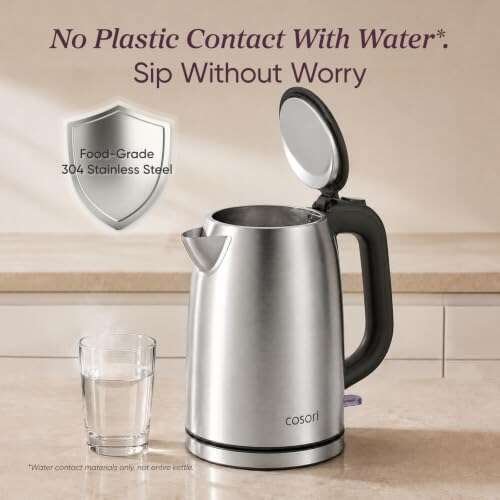
A kettle may have a stainless-steel, glass, plastic, or mixed construction. Each type has different wear points.
- Stainless steel: Often resists cracking, but it can still develop scale, rust spots, loose handles, or damaged seams.
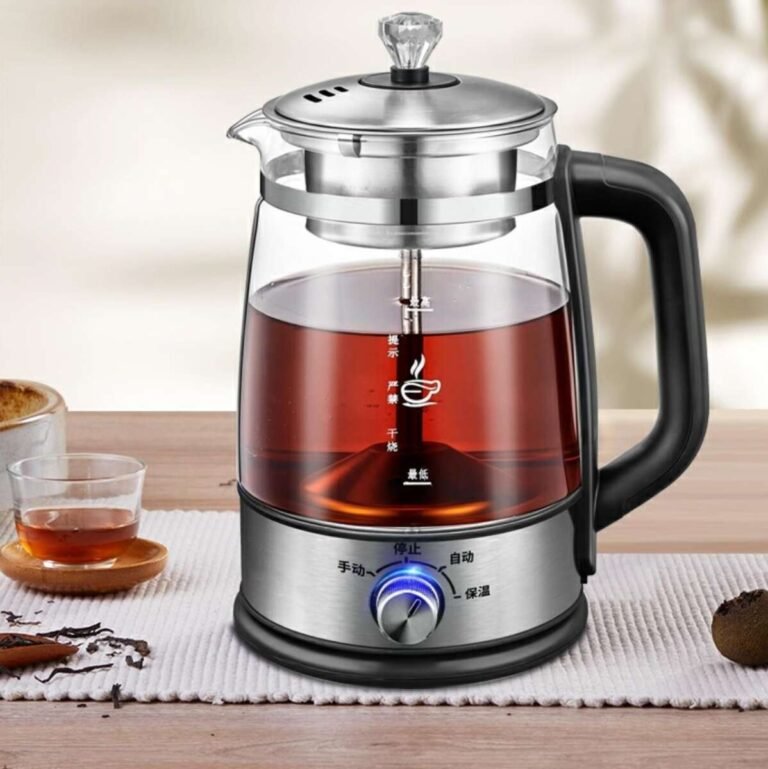
- Glass: Lets you see the water level and scale, but cracks and chips require immediate replacement.
- Plastic: Usually stays cooler on the outside, but heat and age can cause discoloration, odor, or brittle parts.
- Mixed materials: May have plastic seals, hinges, switches, and handles even when the main body is metal.
The heating element may last for years, but a lid hinge, switch, seal, or cord can fail first.
Storage and handling
A kettle lasts longer when you keep the base and plug dry, avoid pulling it by the cord, and store it where it will not fall. Do not wrap the cord tightly around a hot kettle. Heat can damage insulation over time.
Signs You Should Replace Your Kettle Now
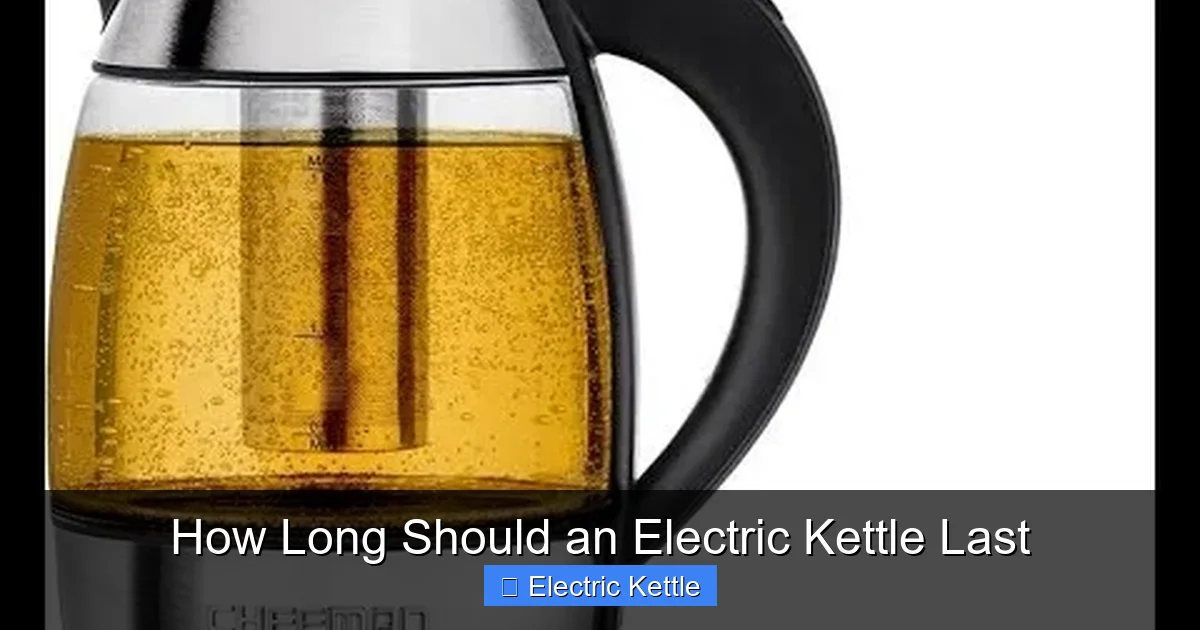
Some warning signs call for immediate replacement rather than more cleaning. Do not keep using a kettle to “see if it gets worse” when electricity, heat, or leaking water is involved.
Damaged cord or plug
Stop using the kettle if the cord has:
- Frayed or exposed wires
- Cuts, crushed areas, or melted spots
- Loose connections
- A plug that feels hot during normal use
- Burn marks or a burning odor
Do not repair a damaged appliance cord with electrical tape. Tape may hide the damage but does not restore the original protection. A qualified repair service may be able to replace the cord on some models, but replacement is often the safer and simpler choice.
Cracks, leaks, or water near the base
Replace the kettle if the body, water window, lid, or spout leaks. Water should never reach the electrical contacts on the base.
A small leak can spread into hidden areas. It can also cause burns if hot water escapes near your hand or spills onto a counter.
Failure to shut off
Most electric kettles are designed to switch off when water reaches a boil. If the kettle keeps heating, shuts off too late, or boils dry, stop using it.
A failed shutoff can damage the heating element and increase the risk of overheating. Never leave a faulty kettle running while you leave the room.
Smoke, sparks, or a burning smell
Unplug the kettle if you can do so without touching a wet or damaged area. Do not use it again after smoke, sparks, melting, or a strong burning smell.
If the appliance is smoking or on fire, leave the area and call 911 when appropriate. Do not pour water on an electrical fire.
The U.S. Consumer Product Safety Commission provides recall and product safety information. Search the kettle’s brand and model before continuing to use an older appliance with a known problem.
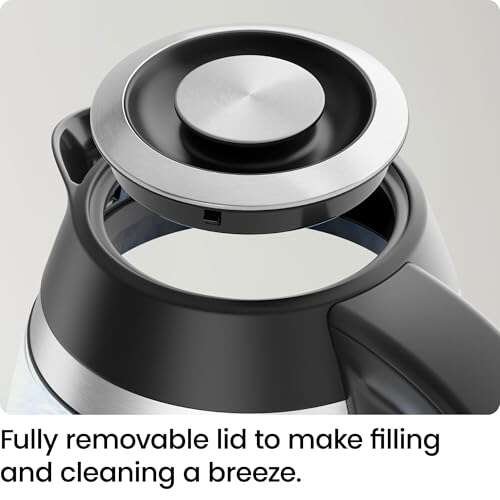
Broken lid, handle, or filter
A loose handle or lid can cause a burn. A broken lid may also prevent the kettle from operating as intended. Replace the kettle if a part that you need to pour or open it safely is damaged.
A removable mesh filter may be replaceable on some models. Do not keep using the kettle if the filter is sharp, loose, or broken into pieces.
How to Check Whether an Older Kettle Is Still Safe
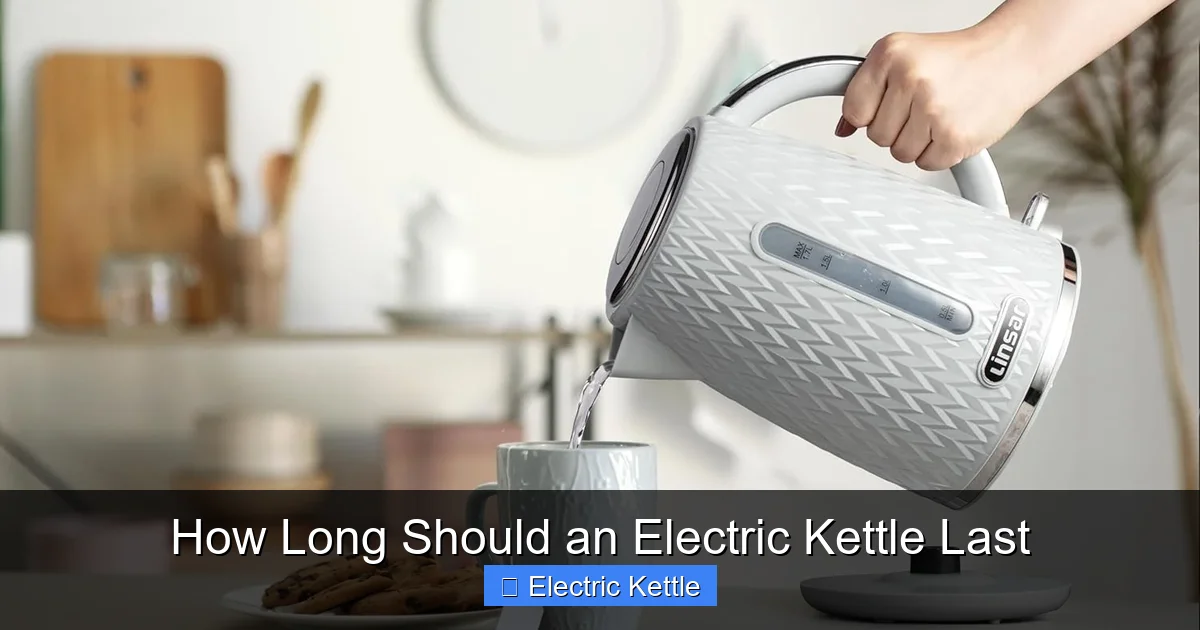
Inspect the kettle when it is unplugged, cool, and empty. This check cannot prove that an appliance is safe, but it can help you find obvious reasons to replace it.
- Inspect the plug and cord. Look for cuts, exposed wires, heat damage, or loose parts.
- Check the body. Look for cracks, bulges, melted plastic, rust-through, or leaking seams.
- Examine the base. The contacts should be clean, dry, and intact.
- Test the handle and lid. They should feel secure and should not wobble.
- Look inside. Check for heavy scale, peeling coating, rust flakes, or damaged parts.
- Check the controls. The switch should move normally without sticking.
- Watch one heating cycle. Stay nearby. The kettle should heat, shut off, and stop without smoke, unusual smells, or excess noise.
- Unplug it after use. Do not leave an older appliance connected when you are away.
Stop the test if you notice a spark, leak, smoke, burning smell, damaged cord, or abnormal heat. Do not open the base unless you are qualified to work on electrical appliances.

Can You Repair an Old Kettle?
Repair may make sense for a loose external filter or removable lid part, but electrical faults are different. A failed thermostat, heating element, switch, or power base usually requires a trained repair professional and a compatible part.
Before paying for a repair, compare:
- The repair cost
- The age of the kettle
- The availability of original parts
- The condition of the cord and body
- The safety history of the model
- The cost of a new kettle with the needed features
Do not bypass the automatic shutoff, remove safety controls, or use a replacement part that does not match the model. These changes can create a fire, shock, or burn hazard.
For many inexpensive kettles, replacement is more practical than repair. For a costly or specialty kettle, repair may be reasonable if the body, cord, and safety controls are sound.

How to Make a Kettle Last Longer
Good care can reduce scale and wear, but it cannot make a damaged kettle safe.
Use only the amount of water you need
Fill the kettle above its minimum line but below its maximum line. Boiling less water usually reduces heating time and limits unnecessary stress on the appliance.
Never run an electric kettle empty unless the manual specifically describes a safe function for doing so. The automatic protection may not prevent all damage from repeated dry boiling.
Empty leftover water
Empty the kettle after use when practical. Standing water can leave more mineral deposits, especially as it evaporates. It can also make the inside smell stale.
Do not store water in the kettle for days. Use fresh water for the next boil.
Descale it regularly
The right cleaning schedule depends on your water and use. A kettle in a hard-water area may need descaling every few weeks or months. A lightly used kettle in a soft-water area may need it less often.
A common method is:
- Unplug the kettle and let it cool.
- Follow the manufacturer’s cleaning instructions.
- Use a kettle descaler or another method the manual allows.
- Rinse the kettle fully.
- Boil and discard one or more batches of clean water if the instructions call for it.
Do not mix cleaning chemicals. Do not use abrasive tools on a coated surface. Avoid putting an electric kettle base, cord, or electrical connector in water.
Some people use white vinegar to dissolve scale, but the manufacturer’s instructions should come first. Vinegar may leave an odor and may not be suitable for every material or warranty.
Keep the base dry
Pour water carefully. Wipe the outside and base before placing the kettle on its power stand. Keep the electrical contacts free of water, dirt, and spilled drinks.
Never immerse the kettle, power base, plug, or cord unless the manual clearly states that the part is designed for immersion.
Follow the manual
The manual gives the model’s minimum and maximum fill lines, cleaning limits, voltage information, and safety instructions. If you no longer have it, search the manufacturer’s official support page using the exact model number.
Electric Kettle vs. Stovetop Kettle: Which Lasts Longer?
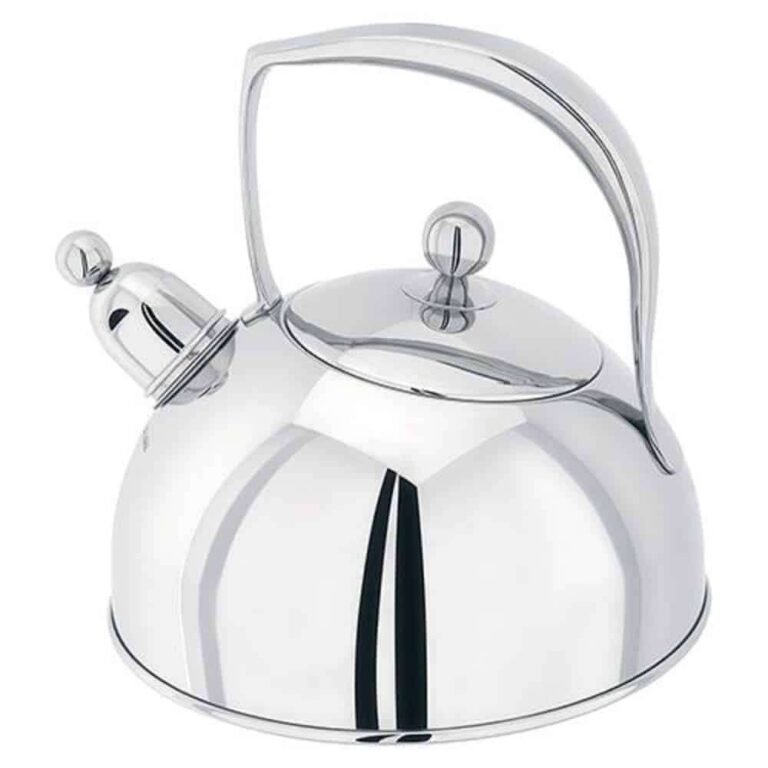
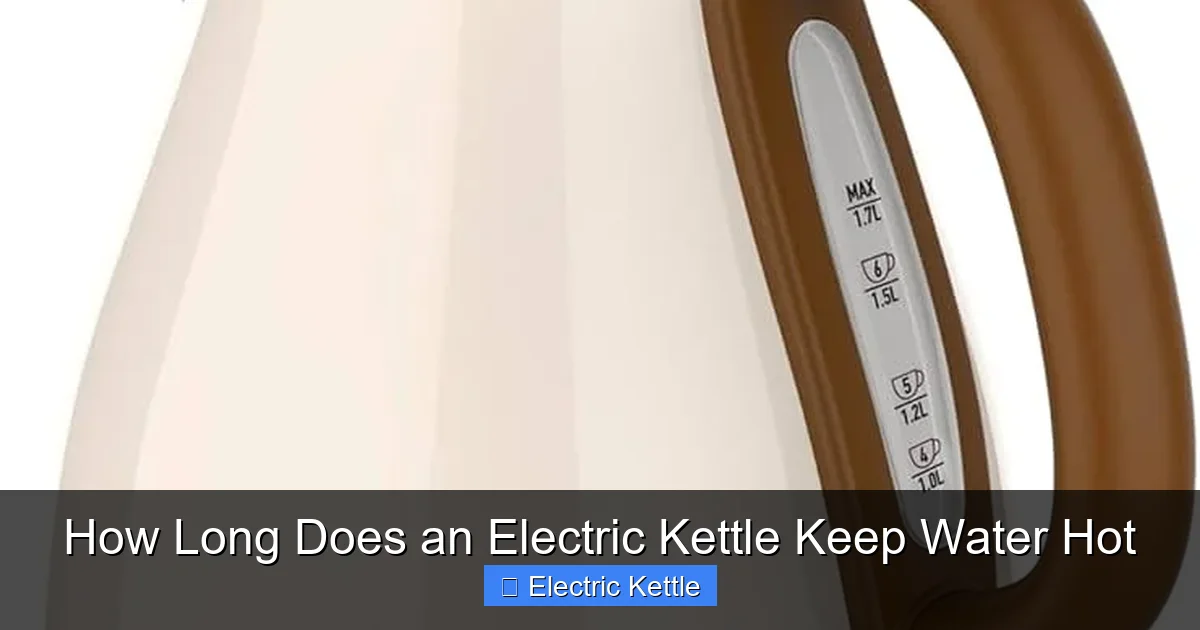
A stovetop kettle can last longer than an electric kettle because it has fewer electrical parts. However, its life still depends on the body, handle, lid, whistle, seals, and heat source.
| Type | Common failure points | Key safety concern |
|---|---|---|
| Electric kettle | Cord, base, switch, thermostat, heating element, seals | Electrical shock, overheating, or failed shutoff |
| Stovetop kettle | Handle, lid, spout, whistle, seams, coating | Hot surfaces, steam, and boiling dry |
| Glass stovetop kettle | Cracks, chips, handle, seals | Sudden breakage or hot-water burns |
| Plastic electric kettle | Body, lid, switch, seals, cord | Heat damage, leaks, and electrical faults |
A stovetop kettle does not need an electrical base, but it can still become unsafe if it has a loose handle, cracked body, damaged whistle, or unstable lid. Do not assume a non-electric kettle can be kept forever.

Does a Kettle Need to Be Replaced if It Has Scale?
No. Light or moderate mineral scale usually means the kettle needs cleaning, not automatic replacement.
Replace the kettle if the scale is joined by:
- Flaking metal or coating
- Rust that is shedding into the water
- A cracked heating plate
- Persistent leaks
- A damaged sensor
- A smell or taste that remains after proper cleaning
Scale can look unpleasant, but appearance alone does not tell you whether the kettle is safe. Inspect the kettle’s structure and electrical parts as well.
If the kettle becomes unusually loud or takes much longer to boil, descale it according to the manual. If the problem remains after cleaning, replacement may be more sensible.
What About Plastic Taste or Chemical Smell?
A new kettle may have a temporary “new appliance” smell. Rinsing it and boiling several batches of water, then discarding that water, may reduce the odor if the manual allows this process.
Replace or stop using the kettle if:
- The smell is strong and does not fade
- The plastic looks melted or deformed
- The water has a persistent chemical taste
- The odor began after overheating
- The kettle has a recall or known material problem
Do not try to cover a chemical smell with tea, flavoring, or repeated use. Contact the manufacturer with the model number if the issue continues.
How Often Should You Clean a Kettle?
Clean visible scale when it appears, and use a regular schedule based on water hardness and frequency of use. A practical starting point is:
- Hard water and daily use: Check every few weeks
- Moderate water hardness and daily use: Check every one to three months
- Soft water or occasional use: Check every few months or when buildup appears
These are maintenance starting points, not universal rules. The water in your home may differ from nearby homes, and the kettle’s shape can affect where scale collects.
A clean kettle should heat normally, pour without flakes, and show no buildup that blocks the filter or water-level markings.
Common Mistakes That Shorten Kettle Life
Avoid these habits:
- Filling above the maximum line
- Running the kettle with too little water
- Leaving water inside for long periods
- Boiling the same water again and again
- Scrubbing the heating surface with metal tools
- Immersing the base or power connector
- Pulling the plug out by the cord
- Using the kettle near a sink where it can fall into water
- Ignoring a hot plug or burning odor
- Continuing to use a kettle that no longer shuts off
- Using a cracked kettle because the crack appears small
The most serious mistake is treating a safety fault as a cleaning problem. Descaling may fix mineral buildup, but it will not fix a damaged cord, leaking body, failed switch, or cracked glass.
Frequently Asked Questions
Is a 10-year-old kettle safe to use?
It may be, but age alone cannot confirm safety. Inspect the cord, plug, body, base, lid, and shutoff function. If any part is damaged or the kettle behaves abnormally, replace it.
How long should a stainless-steel kettle last?
A stainless-steel kettle may last several years and sometimes much longer, but stainless steel does not protect the cord, switch, thermostat, seals, or plastic handle from wear. Inspect all parts, not just the outer body.
Should I replace a kettle that is slow to boil?
First, descale it if mineral buildup is present and confirm that you are using the correct water level. Replace it if it remains unusually slow, overheats, leaks, or fails to shut off normally.
Can I leave water in an electric kettle overnight?
Leaving water overnight is unlikely to damage a sound kettle by itself, but emptying it after use helps reduce stale water and mineral buildup. Follow the care instructions for your specific model.
Is it cheaper to repair or replace a kettle?
Replacement is often cheaper for a basic kettle. Repair may make sense for a costly model when the fault is limited, parts are available, and the body, cord, and safety controls are in good condition.
Final Recommendation
Keep your kettle as long as it works normally and passes a basic safety check. For a frequently used electric kettle, plan to assess it carefully around four to five years, but do not wait for that point if you see damage.
The best next step is simple: unplug the kettle, inspect the cord and body, check for leaks and scale, and observe one supervised boil. Replace it immediately for sparks, smoke, burning smells, damaged wiring, leaks near electrical parts, or a failed automatic shutoff.

Liora Pennings is a seasoned chef and kitchen enthusiast with a passion for turning everyday cooking into an effortless experience. With years of hands-on culinary expertise, she specializes in practical techniques, ingredient know-how, and smart kitchen solutions that help home cooks elevate their meals. At KitchFlair.com, Liora shares her best tips, time-saving tricks, and honest product reviews to guide readers toward a more efficient, enjoyable, and inspired cooking routine. Whether you’re a beginner or a seasoned home chef, Liora’s friendly, knowledge-packed insights make every visit to the kitchen a little easier—and a lot more delicious.