How To Fill A Kettle: Easy Steps For Safe Boiling
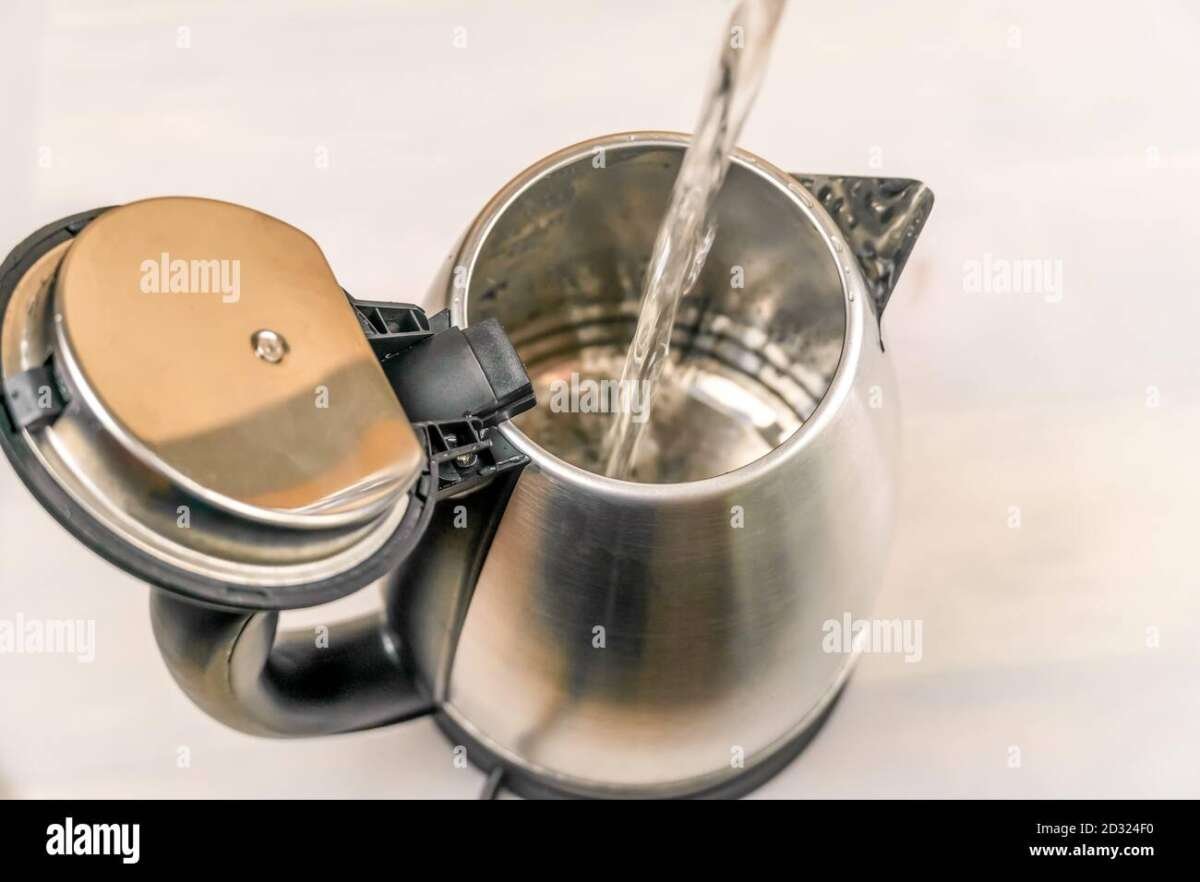
To fill a kettle, first unplug it or remove it from its power base. Open the lid, pour in cold drinking water, and stop between the minimum and maximum fill lines. Close the lid before heating. Never fill an electric kettle while it is sitting on its powered base, and never place the kettle body or base in water.
This guide applies to common electric kettles and stovetop kettles used in the United States. It covers how much water to add, which water to use, common mistakes, and what to do if the kettle is overfilled.
What You Need Before Filling a Kettle
You need a clean kettle, a safe water source, and a stable counter or stovetop. Check the kettle for damage before you use it.
Look for these parts:
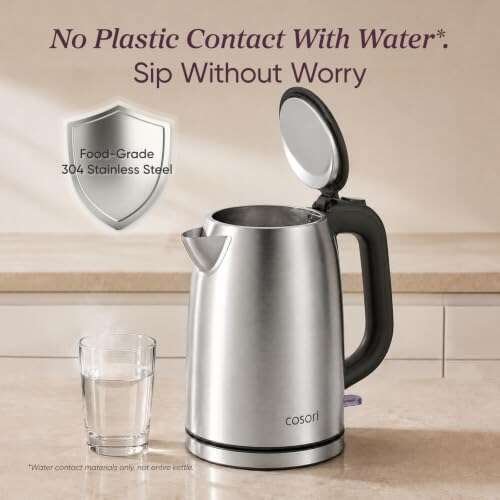
- Kettle body: The container that holds the water.
- Lid: The cover that keeps water in while it heats.
- Spout: The opening used to pour hot water.
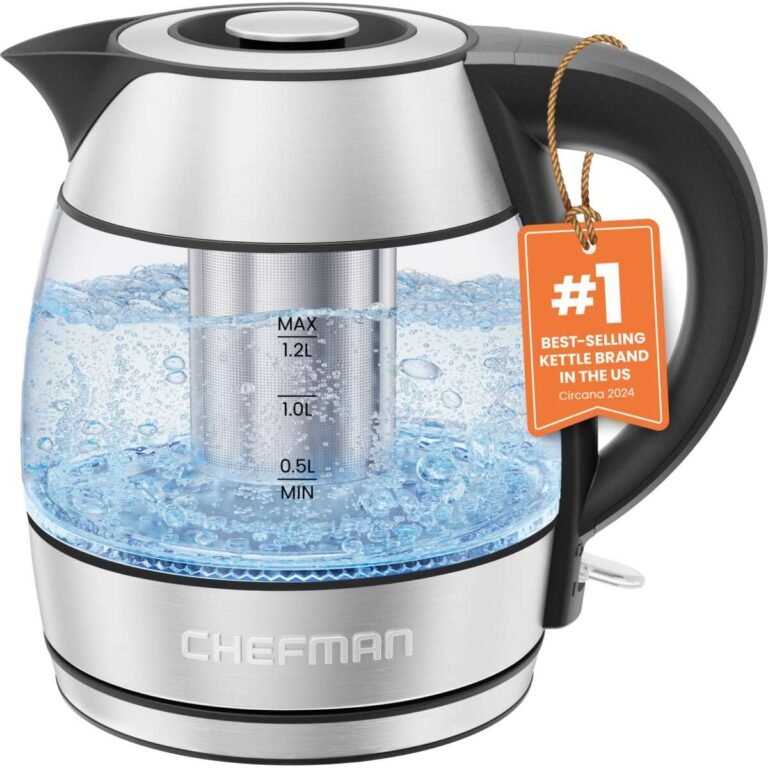
- Water-level marks: Lines that show the minimum and maximum amount.
- Power base: The separate base used by many electric kettles.
- Handle: The part designed to stay cooler than the kettle body.
Use tap water that is safe to drink, filtered water, or bottled drinking water. Avoid water from a hot-water tap. Cold water is usually the better choice because hot tap water may have spent more time in a building’s plumbing or water heater.
Read the markings on the kettle before adding water. In the United States, a cup used for cooking is often measured as 8 fluid ounces, but kettle markings may show cups, liters, or both. The marks on the kettle are the best guide.

How to Fill an Electric Kettle
Follow these steps for a typical electric kettle.
-
Remove the kettle from its power base.
If the kettle is cordless but rests on a base, lift it off before filling. This helps keep water away from the electrical contacts. -
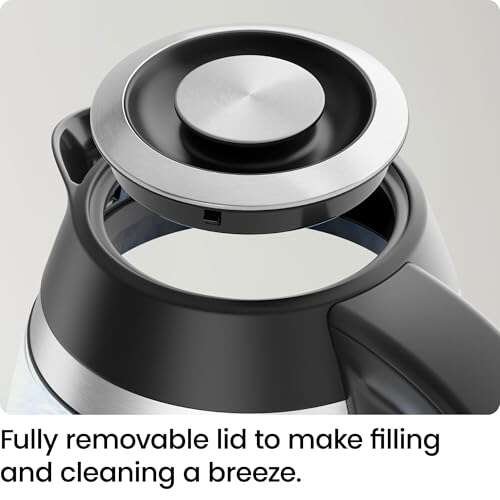
Open the lid.
Use the lid button or handle, if the model has one. Do not force a stuck lid. A blocked lid can make filling unsafe. -
Add cold drinking water.
Pour water through the lid opening or the designated filling area. Some kettles also allow water through the spout, but the lid opening gives you better control. -
Stay within the fill lines.
Add enough water to reach the minimum line if one is shown. Do not go above the maximum line. -
Close the lid fully.
The lid should sit firmly in place. A loose lid can let out more steam and may affect automatic shutoff. -
Dry the outside and base.
Wipe away spills, especially around the bottom of the kettle and the electrical contacts. -
Place the kettle on its base.
Set it down flat. Make sure the base is on a dry, stable surface. -
Start heating.
Turn on the kettle or select a temperature if your model has temperature controls. Keep the handle clear of the hot steam.
A correctly filled kettle should heat without spilling, leak-free, or producing water around the base. Many electric kettles shut off when the water reaches a boil, but you should still follow the instructions for your model.
How much water should you put in an electric kettle?
Add only the amount you need, as long as it is above the minimum line. Heating less water can reduce waste and may shorten the heating time, but the kettle needs enough water to cover its heating element or meet its minimum operating level.
Use this simple estimate:
| Intended use | Approximate water |
|---|---|
| One 8-ounce mug | 8 fl oz |
| Two 8-ounce mugs | 16 fl oz |
| One 12-ounce travel mug | 12 fl oz |
| One small French press | Follow the press size |
| Cooking or instant food | Follow the package directions |
These are planning amounts, not universal kettle limits. A mug may hold more than 8 fluid ounces, and some kettles measure a “cup” differently. Check the kettle markings and the size of your mug.

How to Fill a Stovetop Kettle
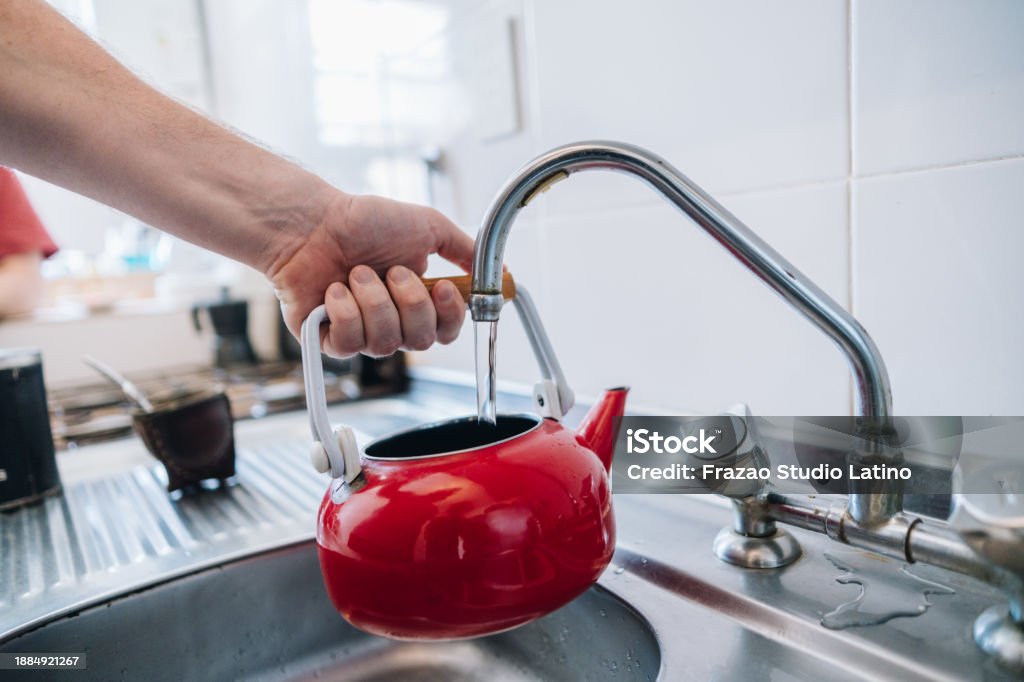
A stovetop kettle sits directly on a burner, so it does not have a separate electrical base. The filling process is similar, but the safety risks are different.
- Place the kettle on a stable, cool surface.
- Open the lid or remove it, depending on the design.
- Add cold drinking water.
- Keep the water below the maximum fill line.
- Close the lid securely.
- Dry the outside of the kettle.
- Place the kettle on a burner that matches its base size.
- Turn off the burner when the water is hot or the kettle whistles, if it has a whistle.
Do not fill a stovetop kettle while it is on a hot burner. Hot metal, steam, and splashing water can cause burns.
A stovetop kettle may not have a clear minimum line. In that case, add enough water to cover the bottom as directed by the manufacturer. Avoid filling it so high that boiling water can reach the lid, spout, or whistle opening.
Keep the handle away from the hottest part of the burner. On some models, the handle can become hot even when it is designed to stay cooler.
How Full Should a Kettle Be?
A kettle should be full enough for its minimum operating level but never higher than its maximum line. The maximum line leaves room for boiling water and steam.
Overfilling creates several problems:
- Boiling water may spill from the spout.
- Steam may escape from the lid or vent.
- Hot water may reach the power base.
- The automatic shutoff may not work as intended.
- Spilled water can cause burns or damage a countertop.
Underfilling can also be a problem. If the water does not cover the required heating area, an electric kettle may overheat or activate its boil-dry protection. Boil-dry protection is a safety feature that turns the kettle off when it detects too little water, but it should not replace correct filling.
When the markings are hard to see, hold the kettle near eye level and look through the clear water window. Do this before placing the kettle on its base.

Which Water Should You Use?
Use clean water that you would normally drink. Tap water is suitable where the local water supply is safe. Filtered water may reduce the taste of chlorine or the buildup caused by hard water.
Water hardness refers to the amount of dissolved minerals, such as calcium and magnesium, in the water. Hard water can leave a white or chalky layer inside a kettle. This layer is called limescale.
Avoid adding anything except water unless the kettle’s instructions clearly allow it. Do not add:
- Milk
- Coffee
- Tea
- Soup
- Sugar
- Juice
- Carbonated drinks
- Cleaning chemicals
These liquids can foam, burn, stain the kettle, or damage the heating parts. They can also make cleaning more difficult.
Do not assume that boiling makes unsafe water safe in every situation. The Centers for Disease Control and Prevention recommends boiling water for at least one minute during certain emergency water situations, but an electric kettle may shut off as soon as water boils. Follow local public health instructions during a boil-water advisory, and use a method that meets the advisory’s directions.

How to Fill a Kettle Without Making a Mess
A few small habits make filling safer and easier.
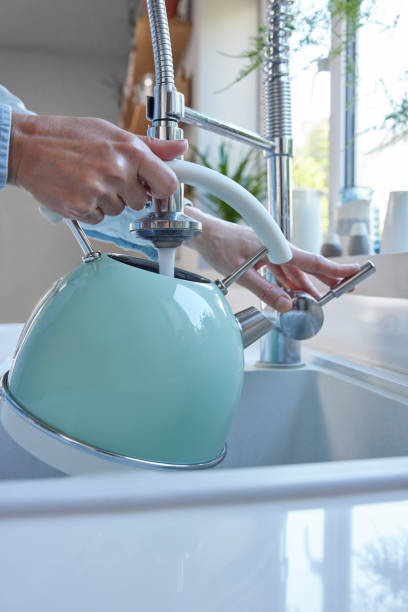
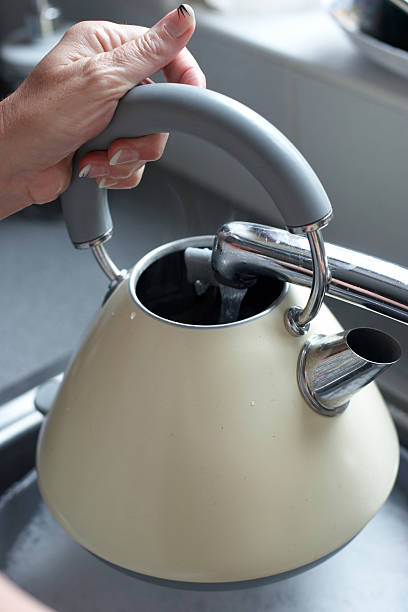
- Fill the kettle at the sink, not over the power base.
- Hold the kettle by its handle.
- Pour slowly to avoid splashing.
- Keep water below the maximum line.
- Wipe the outside before heating.
- Check that the lid is closed.
- Keep the spout pointed away from your hand and face.
- Do not leave water pooled around the base.
If the kettle has a narrow opening, use a measuring cup or pitcher. This gives you more control than placing the kettle directly under a fast-running faucet.
For an electric kettle with a removable base, keep the base away from the sink. If water reaches the base, unplug it and let it dry fully before use. Do not open the base or attempt electrical repairs yourself.

What to Do If You Overfill the Kettle
If the water is above the maximum line, do not heat it. Pour some water out until the level is below the maximum mark.
If water has spilled onto an electric kettle’s base:
- Unplug the base from the outlet if it is safe to do so.
- Move the kettle away from the base.
- Wipe up the water.
- Let the base and electrical contacts dry completely.
- Check the manual before using it again.
If water entered the base, the power cord, or an outlet, stop using the equipment. A qualified appliance repair professional should inspect it if there is any doubt about electrical safety.
If the kettle starts heating with too little water, turn it off. Let it cool before adding water. Pouring cold water into a very hot, empty kettle may stress some materials, and touching the kettle body can cause a burn.
Common Kettle-Filling Mistakes
Filling the kettle on the power base
This is one of the most common mistakes with cordless electric kettles. Water can spill onto the electrical contacts. Remove the kettle from the base first.
Filling above the maximum line
More water does not always mean more convenience. The kettle needs room for expansion, bubbling, and steam.
Using the minimum line as a suggestion
The minimum line is usually there to protect the heating system. Do not run the kettle below it.
Leaving the lid open
An open lid may allow more steam to escape and may prevent the kettle from shutting off correctly. Close it before heating.
Using the hot-water tap
Cold drinking water is the better default for filling a kettle. If you need hot water, heat cold water in the kettle instead.
Boiling the same water again and again
Reboiling water is not automatically dangerous, but repeated heating can affect taste and leave more mineral deposits as water evaporates. For better taste and less buildup, empty unused water and refill the kettle when needed.
Touching the kettle body after boiling
The handle may be safe to hold, but the body, lid, and steam can be very hot. Pour slowly and keep your hand away from the spout.
How to Clean a Kettle After Filling and Heating
Regular cleaning helps control mineral buildup and stale water. Empty the kettle after use and let it cool before cleaning.
For light cleaning:
- Unplug the kettle.
- Rinse the inside with clean water.
- Wipe the outside with a damp cloth.
- Dry the kettle before placing it on the base.
For limescale, follow the cleaning method in the manufacturer’s instructions. Many manufacturers allow a diluted vinegar or citric-acid solution, but the exact amount and contact time vary by model. Rinse the kettle several times afterward and boil one or more cycles of clean water if the instructions call for it.
Never immerse an electric kettle, its base, plug, or cord in water. Do not use abrasive pads on the inside unless the manufacturer permits them. They can damage the surface.
If the kettle still smells like vinegar or cleaner after rinsing, do not use it for drinking water. Repeat the rinse cycle according to the product instructions.

Signs You Filled the Kettle Correctly
Your kettle is ready to use when:
- The water sits between the minimum and maximum marks.
- The lid closes fully.
- The outside and base are dry.
- The kettle sits flat on its base or burner.
- No water leaks from the body, lid, or spout.
- The water does not cover electrical contacts.
- The kettle heats without unusual smoke, smell, or noise.
Stop using the kettle if it leaks, has a damaged cord, shows exposed wires, smells like burning plastic, or repeatedly fails to shut off. Do not bypass an automatic shutoff or boil-dry safety feature.

Frequently Asked Questions
Can I fill an electric kettle through the spout?
Only if the kettle’s instructions allow it. The lid opening is usually safer and gives better control. Filling through a narrow spout can cause splashing or make it harder to see the water level.
Should I fill a kettle with hot or cold water?
Use cold drinking water as the normal choice. It is easier to measure, and it avoids relying on water that has been sitting in a hot-water system. During a public health advisory, follow the local instructions for safe water.
Can I leave water in an electric kettle overnight?
You can, but fresh water often tastes better and may reduce stale odors and mineral buildup. Empty the kettle when practical, especially if you will not use it for a day or more.
Can I boil less than one cup of water?
Yes, if the amount reaches the kettle’s minimum fill line. Do not operate an electric kettle below its required minimum level.
Why is my kettle leaking after I fill it?
Possible causes include overfilling, a loose lid, a damaged seal, a blocked spout, or a crack in the kettle. Empty it, let it cool, and inspect it. Replace the kettle or seek qualified repair if the leak continues.
Key Takeaways
- Remove an electric kettle from its base before filling it.
- Use cold, clean drinking water.
- Stay between the minimum and maximum fill lines.
- Close the lid and dry the outside before heating.
- Never immerse an electric kettle or base in water.
- Stop using a kettle that leaks, smells burnt, or has electrical damage.
Conclusion
Filling a kettle is simple: use cold drinking water, add only what you need, and stay within the marked limits. The safest routine is to fill the kettle away from its electric base, close the lid, wipe away spills, and check that it sits securely before heating. If the kettle leaks or shows electrical damage, replace it or have it checked rather than taking a risk.
Sources
- U.S. Consumer Product Safety Commission: Appliance and electrical safety
- Centers for Disease Control and Prevention: Making Water Safe in an Emergency
- U.S. Environmental Protection Agency: Drinking Water

Liora Pennings is a seasoned chef and kitchen enthusiast with a passion for turning everyday cooking into an effortless experience. With years of hands-on culinary expertise, she specializes in practical techniques, ingredient know-how, and smart kitchen solutions that help home cooks elevate their meals. At KitchFlair.com, Liora shares her best tips, time-saving tricks, and honest product reviews to guide readers toward a more efficient, enjoyable, and inspired cooking routine. Whether you’re a beginner or a seasoned home chef, Liora’s friendly, knowledge-packed insights make every visit to the kitchen a little easier—and a lot more delicious.