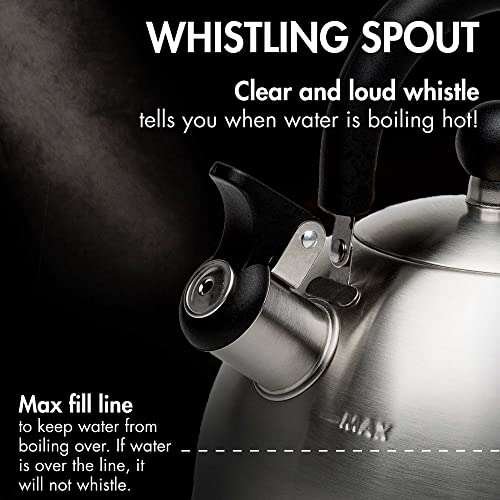
A stove kettle heats water on a burner instead of using electricity. In the United States, you can use one on a gas, electric coil, smooth-top electric, or induction stove—if the kettle supports that cooktop. Fill it with cold water, place it on a suitable burner, heat it until the water reaches the needed temperature, then turn off the burner before pouring.
Using a stove kettle is simple, but small details matter. The wrong burner, too much water, a blocked spout, or an unattended flame can cause spills, burns, or damage. This guide explains how to use a stovetop kettle, how to tell when the water is ready, and how to clean and store it.

What You Need Before Using a Stove Kettle
Before you heat water, check the kettle and the cooktop. Most stovetop kettles work on gas and electric burners, but induction cooktops need a kettle with a magnetic base.
You will need:
- A stove-safe kettle
- Cold, clean water
- A compatible burner
- A dry, stable cooking surface
- An oven mitt or heat-safe cloth if the handle becomes hot
Look at the bottom of the kettle for an induction symbol or check the care label. If you are unsure, place a magnet against the base. A magnet that sticks usually indicates that the kettle may work on an induction cooktop. This quick test is useful, but the manufacturer’s instructions are the final source.
Check the kettle for damage before use. Do not use it if the handle is loose, the lid does not fit, the base is warped, or the spout cap is stuck. A damaged kettle may tip or release hot steam in an unsafe direction.
Know the Main Parts
Most stove kettles have these parts:
- Body: Holds the water.
- Base: Sits on the burner and transfers heat.
- Lid: Keeps heat in and helps prevent splashing.
- Handle: Lets you lift and pour the kettle.
- Spout: Directs the hot water.
- Whistle or cap: Signals that the water is boiling on some models.
A whistle is helpful, but it is not required. Some stovetop kettles have open spouts and make no sound when the water boils.

How to Use a Stove Kettle Step by Step
Follow these steps for most stovetop kettles. If the manual gives different instructions, follow the manual.
1. Place the kettle on a cool burner
Set the empty kettle on a level burner before adding water, or add the water first and then place it on the burner. Keep the handle away from the front edge of the stove so it is less likely to be bumped.
Choose a burner that matches the size of the kettle base. A flame or heating ring that extends far beyond the base can heat the handle, damage the finish, or waste energy.
2. Remove the lid and add water
Take off the lid and fill the kettle with the amount of water you need. Use cold tap or filtered water, depending on your taste and local water quality.
Do not fill above the kettle’s maximum line. Leave space for the water to expand and for steam to escape. If the kettle has a minimum-fill line, add at least that much water. Heating an almost empty kettle can damage the base.
If the kettle has a whistle, do not cover the spout with water. The whistle needs a clear path for steam.
3. Replace the lid securely
put the lid back on before heating. A secure lid helps the water heat more efficiently and reduces splashing.
Make sure the lid is fully seated. Do not press on it while the water is hot. Steam can escape around the lid and cause a burn.
4. Turn on the burner
Use medium to medium-high heat for most kettles. High heat may bring the water to a boil sooner, but it can also make the handle, lid, and exterior very hot.
For a gas stove, keep the flame under the base rather than around the sides. For an electric stove, use a burner close to the base diameter. For induction, select a moderate heat setting and adjust it if the kettle boils too hard.
5. Watch and listen for signs that the water is ready
The water is ready when it reaches the temperature needed for your drink or recipe.
Signs include:
- Small bubbles forming at the bottom
- Larger bubbles rising through the water
- Steam coming from the spout
- A whistle sounding on models with a whistle cap
- A clear rolling boil for tasks that require boiling water
A whistle often means the water has reached or is near a boil, but the timing varies by kettle and burner. Do not wait for a loud whistle if steam is already escaping strongly or the kettle begins to vibrate.
6. Turn off the burner
Turn off the gas flame or electric burner as soon as the water reaches the needed temperature. On a smooth-top electric stove, remember that the surface stays hot after the burner is turned off.
For induction, the heating field stops when the setting is turned off, but the kettle itself remains hot.
7. Move the kettle carefully
Use the handle, not the body, to lift the kettle. If the handle feels hot, use a dry oven mitt. A wet cloth can transfer heat quickly and may cause a steam burn.
Keep your face and hands away from the spout. Pour slowly, especially during the first few seconds, because trapped steam may escape before the water flows evenly.

How Hot Should the Water Be?
The right temperature depends on what you are making. Water does not need to reach a full boil for every drink.
| Use | Approximate water temperature | Practical note |
|---|---|---|
| Delicate green or white tea | 160–185°F | Cooler water can help reduce bitter flavor |
| Oolong tea | 180–200°F | The best range varies by tea style |
| Black tea | 195–212°F | Many black teas use water close to boiling |
| Herbal tea | About 200–212°F | Follow the package directions when available |
| Instant coffee or cocoa | 180–205°F | Very hot water may affect texture or taste |
| Cooking or sanitizing by heat | Use the recipe or official guidance | Temperature and time depend on the task |
These ranges are general starting points, not strict rules. Tea type, leaf size, roast level, altitude, and personal taste can change the best temperature.
At higher elevations in the United States, water boils at a lower temperature because air pressure is lower. A full boil may therefore look different from what you see at sea level. If a recipe depends on a precise temperature, use a food-safe thermometer rather than relying only on the whistle.
A thermometer is also useful when you want water below boiling. Turn off the burner when the water reaches the target temperature, then pour it carefully.

How to Use a Stove Kettle on Different Cooktops
A stove kettle works differently depending on the type of stove. The heating method changes how quickly the kettle responds and what you need to watch.
Gas stove
Place the kettle in the center of the grate. Keep the flame under the base, not up the sides. A flame that reaches the handle can make it unsafe to touch.
Use the lowest flame that still heats the kettle well. This reduces wasted heat and helps protect the handle and exterior.
Electric coil stove
Center the kettle on the coil. Make sure the base sits flat. A warped or rounded base may heat unevenly and can make the kettle unstable.
Electric coils remain hot after you turn them off. Move the kettle to a cool burner or heat-safe surface if you want to stop heating at once.
Smooth-top electric stove
Center the kettle on the marked heating zone. Lift it rather than sliding it across the glass surface. Sliding a rough or dirty base can scratch the cooktop.
The glass surface remains hot after use. Keep towels, plastic items, and other heat-sensitive objects away from the burner.
Induction stove
Use only a kettle labeled for induction or confirmed to have a magnetic base. Place it flat on the induction zone.
Induction can heat a compatible kettle quickly, so begin with a moderate setting. If the kettle makes a humming sound, that may be normal, but stop using it if the kettle shifts, vibrates excessively, or shows signs of damage.

How to Pour Hot Water Without Getting Burned
Pouring is often the riskiest part of using a stovetop kettle. Hot water and steam can burn skin even when the kettle looks calm.
Use these habits:
- Turn off the burner before lifting the kettle.
- Grip the handle firmly with a dry mitt if needed.
- Keep the spout pointed away from your body.
- Pour slowly into a stable cup or pot.
- Do not fill a cup to the rim.
- Keep children and pets away from the stove.
- Set the kettle on a heat-safe surface after pouring.
Do not open the lid immediately after boiling unless the design requires it. Hot steam may rush out through the opening. Let the kettle cool for a short time, and open it with your hand away from the lid edge.
Never carry a full, boiling kettle across a crowded room if you can pour at the stove. Moving hot liquid increases the chance of a spill.
If hot water touches skin, cool the area under clean, cool running water. Do not apply ice, butter, or greasy creams. Seek medical care for large, deep, or serious burns.

How to Clean and Descale a Stove Kettle
Clean the kettle often enough to prevent mineral buildup. Hard water can leave white, chalky deposits inside the kettle. These deposits are usually mineral scale, often linked to calcium compounds in the water.
Routine cleaning
After the kettle cools:
- Empty leftover water.
- Rinse the inside with clean water.
- Wipe the outside with a soft, damp cloth.
- Dry the kettle before storing it.
- Leave the lid open briefly so the inside can dry.
Do not immerse a kettle with a sealed base, whistle mechanism, or attached handle unless the manufacturer says it is safe.
Removing mineral scale
For light buildup, use the cleaning method in the kettle’s manual. Many stainless steel kettles can be descaled with a diluted food-safe acid, such as white vinegar or citric acid, but materials vary.
A general approach is:
- Add the recommended diluted solution.
- Heat it only as directed by the manufacturer.
- Turn off the stove and let the solution sit.
- Empty the kettle.
- Rinse several times with fresh water.
- Heat and discard one batch of clean water if an odor remains.
Do not mix vinegar with bleach or other cleaning products. Never use abrasive pads on polished metal or coated surfaces unless the manual permits them.
Scale can make the kettle slower and noisier, but the cleaning interval depends on water hardness and use. Inspect the inside every few weeks if you use the kettle daily.

Common Stove Kettle Problems and Fixes
Small changes often solve a kettle problem. Start with the safest checks.
| Problem | Likely cause | What to check |
|---|---|---|
| The water heats slowly | Low heat, a small burner, or mineral scale | Center the kettle, raise heat moderately, and inspect the base |
| The kettle does not work on induction | The base is not magnetic | Check the induction label or test with a magnet |
| The whistle does not sound | The cap is open, blocked, or not seated | Let the kettle cool, then clean and inspect the whistle |
| The handle becomes very hot | Flame reaches the sides or handle | Lower the flame and center the kettle |
| Water spills from the spout | The kettle is overfilled or tilted too far | Stay below the maximum line and pour slowly |
| The kettle smells metallic or chemical | New-material residue or cleaner remains | Rinse several times and follow the care instructions |
| The base rocks | The base is warped or the surface is uneven | Stop using it until the problem is corrected |
| The water tastes strange | Scale, residue, or stale water | Clean the kettle and use fresh water |
Stop using the kettle if it leaks, has a cracked body, exposes electrical parts, has a loose handle, or develops a severely warped base. Do not repair a pressurized whistle system with improvised parts.
If a gas flame burns yellow, smells like gas, or behaves unusually, turn off the appliance and follow the stove manufacturer’s safety instructions. Contact a qualified gas professional when needed.

Stove Kettle Safety Checklist
Use this short checklist each time:
- Confirm that the kettle matches the stove.
- Check the handle, lid, base, and spout.
- Fill between the minimum and maximum lines.
- Keep the spout clear.
- Center the kettle on the burner.
- Use moderate heat.
- Never leave a heating kettle unattended.
- Keep children and pets away.
- Turn off the burner before lifting.
- Use a dry oven mitt when the handle is hot.
- Pour away from your body.
- Empty and dry the kettle after use.
Never heat an empty kettle unless the manufacturer specifically designs it for that purpose. Never place a plastic, glass, or decorative kettle on a burner unless it is clearly rated for stovetop use.
A kettle that includes a whistle is not a pressure cooker. Do not seal the spout or modify the lid. Steam must have a safe path to escape.

Frequently Asked Questions
Can you use a stove kettle on an electric stove?
Yes, most stove kettles work on electric coil and smooth-top electric stoves. The base should be flat and suitable for direct heat. Lift the kettle instead of sliding it on a glass cooktop.
Can you use a regular kettle on an induction stove?
Only if the kettle has a compatible magnetic base. Aluminum, copper, and some stainless steel kettles may not work unless they include an induction-ready layer.
How long does a stove kettle take to boil?
The time depends on the amount of water, starting temperature, burner strength, kettle material, lid position, and altitude. A smaller amount of water usually heats faster than a full kettle. Avoid judging safety by time alone; watch for the correct temperature or boiling signs.
Should you leave the lid on while heating?
Usually, yes. A properly fitted lid helps retain heat. Keep the lid closed while heating, but do not open it suddenly while steam is escaping.
Can you leave water in a stove kettle overnight?
It is better to empty the kettle after use. Standing water can develop a stale taste and may leave more mineral deposits as it evaporates. Rinse the kettle and refill it with fresh water when needed.
Is a stove kettle better than an electric kettle?
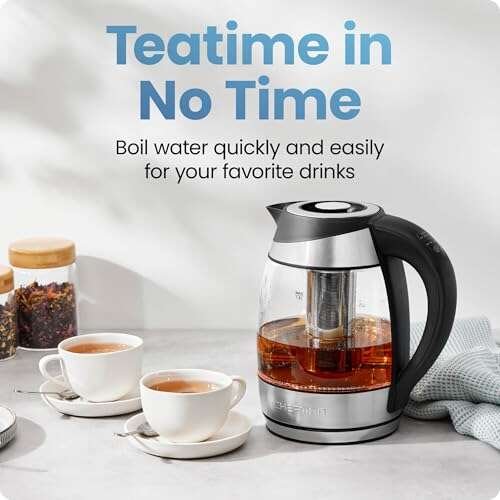
Neither is best for every kitchen. A stove kettle works without an electrical outlet and can suit people who prefer simple cookware. An electric kettle may offer automatic shutoff and temperature controls. The right choice depends on your stove, habits, counter space, and need for temperature control.
Final Takeaway
To use a stove kettle, fill it with the right amount of cold water, place it on a compatible burner, heat it at a moderate setting, and turn off the stove when the water reaches the needed temperature. Lift and pour with care because the kettle, handle, steam, and water may all be hot.
The safest routine is simple: do not overfill, never heat an empty kettle, keep the spout clear, stay nearby while it heats, and clean mineral scale before it builds up.

Liora Pennings is a seasoned chef and kitchen enthusiast with a passion for turning everyday cooking into an effortless experience. With years of hands-on culinary expertise, she specializes in practical techniques, ingredient know-how, and smart kitchen solutions that help home cooks elevate their meals. At KitchFlair.com, Liora shares her best tips, time-saving tricks, and honest product reviews to guide readers toward a more efficient, enjoyable, and inspired cooking routine. Whether you’re a beginner or a seasoned home chef, Liora’s friendly, knowledge-packed insights make every visit to the kitchen a little easier—and a lot more delicious.