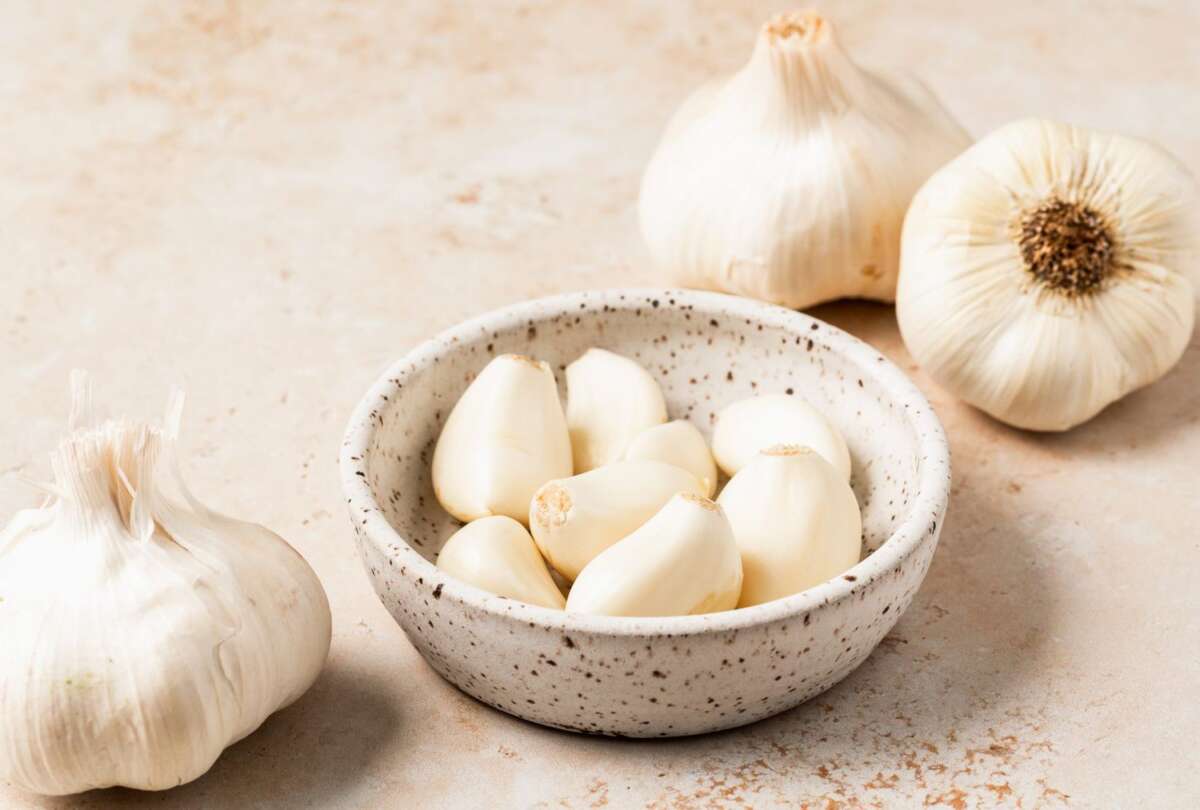
What Is The Best Way To Peel Garlic Cloves: Easy Method
The best way to peel garlic cloves is to crush them lightly, then slip off the loosened skin.
When you know what is the best way to peel garlic cloves, meal prep becomes faster, cleaner, and far less frustrating. After testing several methods in my own kitchen, I find that a chef’s knife works best for one or two cloves, while the bowl shaking method helps when a recipe calls for a whole head. This guide explains each option, when to use it, and how to avoid common mistakes.
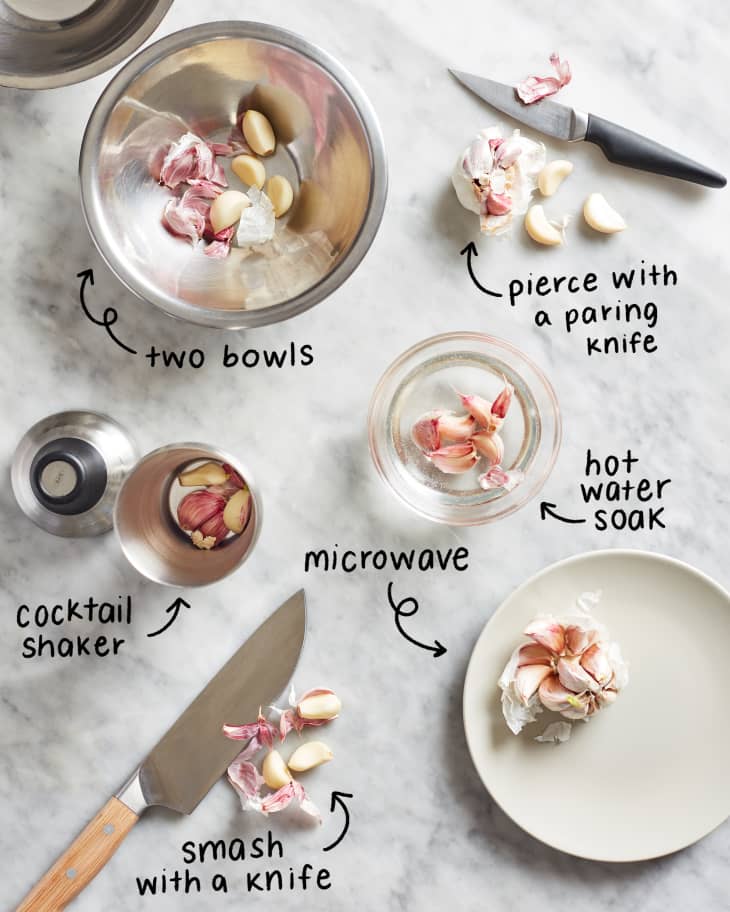
The Best Overall Method: Crush and Peel
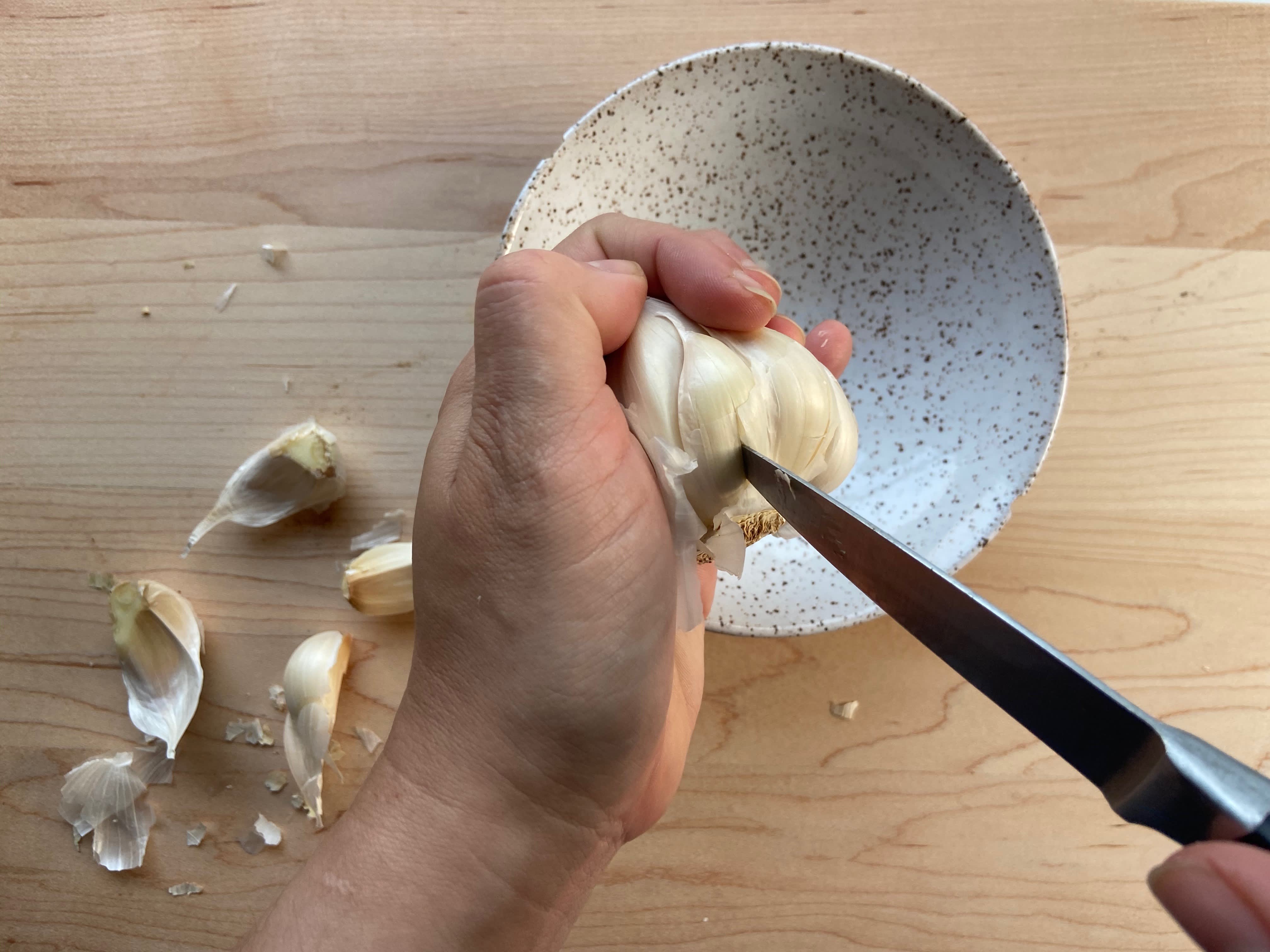
For most cooks, the best way to peel garlic cloves is the gentle crush method. It takes only a few seconds and needs no special tool. The light pressure breaks the papery skin without turning the garlic into a paste.
Use this method when you need one to five cloves for pasta, soup, sauces, or roasted vegetables.
How to crush and peel garlic
- Place a garlic clove on a cutting board.
- Set the flat side of a chef’s knife over the clove.
- Press down firmly with the heel of your hand.
- Stop when the skin splits and the clove is slightly flattened.
- Pull away the loose skin with your fingers.
- Trim the hard root end before chopping or slicing.
The key is control. You do not need to hit the garlic hard. Think of the knife as a door that gently presses the skin open.
Crushing also releases some of the garlic’s juices and aroma. That is useful for sauces and sautés, but it may not be ideal when you want neat, whole cloves for roasting or pickling.
How to Peel Garlic Without a Knife
If you prefer not to use a knife, warm water can soften the papery skin. This method is simple, but it may slightly change the garlic’s texture. It works best when you need several cloves and plan to cook them soon.
Water soaking method
- Separate the garlic head into individual cloves.
- Place the cloves in a bowl.
- Cover them with warm water.
- Let them sit for 5 to 10 minutes.
- Rub or pinch the skin off.
- Dry the peeled cloves before using them.
Use warm water, not boiling water. Very hot water can begin to cook the garlic and reduce its fresh, sharp flavor.
A short soak makes the skin more flexible. However, wet garlic can be slippery, and the cloves may not brown as well in a hot pan until they are fully dried.
When this method works best
The water method is useful for:
• Large batches of garlic
• Garlic that has very dry, tight skins
• Cooks who want to avoid crushing the cloves
• Recipes where a little extra moisture does not matter
If you need crisp, golden garlic, pat the cloves dry with a clean towel before cooking.
How to Peel a Whole Head of Garlic
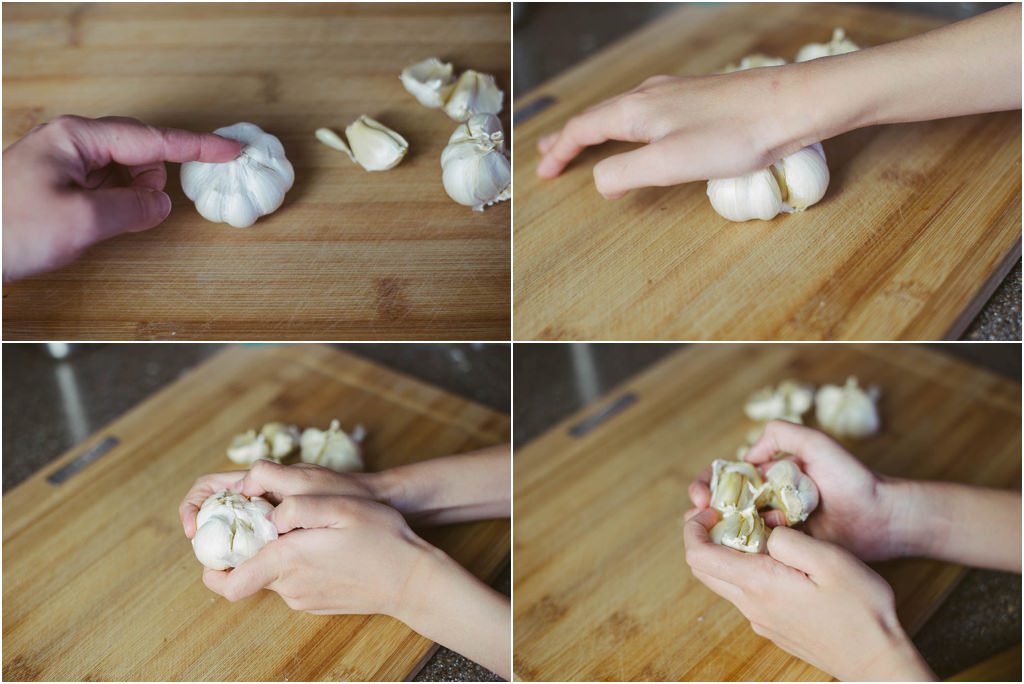
The bowl shaking method is popular because it can remove the skins from many cloves at once. It is not always perfect, but it can save time when preparing garlic for stock, marinades, or large meals.
Bowl shaking method
- Break the garlic head into separate cloves.
- Place the cloves in a large metal bowl.
- Cover the bowl with a second metal bowl.
- Hold the bowls together.
- Shake hard for 15 to 30 seconds.
- Check the cloves and remove any remaining skins by hand.
You can also use two sturdy containers with lids. Leave enough room for the cloves to move. The impact loosens the skins, much like a small laundry cycle for garlic.
This method works best with firm garlic that has dry skins. Fresh garlic may have damp, clingy skin, so it often needs more shaking or hand peeling.
My practical tip
I usually shake a full head first, then finish the stubborn cloves with my fingers. Trying to make every clove peel perfectly inside the bowl can waste more time than it saves.
The bowl method may also bruise the cloves. That is not a problem for soup or sauce, but it matters if you want clean, firm cloves for presentation.
:max_bytes(150000):strip_icc()/The-Best-Way-to-Peel-Garlic-FT-BLOG0825-a778b581a18e4bb9a4e701f93e9523f1.jpg)
Other Garlic Peeling Methods
There is no single best way to peel garlic cloves for every recipe. The right choice depends on how many cloves you need, how neat they must look, and whether you want to preserve their shape.
Use a silicone garlic peeler
A silicone garlic tube is made for rolling. Place a clove inside, press down lightly, and roll the tube across the counter. Friction removes the skin without using a blade.
This tool is useful for cooks who peel garlic often. It can be slower than a knife for one clove, but it is convenient for several cloves.
Use a jar with a lid
Place separated cloves in a clean jar. Close the lid tightly and shake for about 20 seconds. The cloves hit the sides and loosen their skins.
This is similar to the bowl method, but the jar gives you a firm grip. Do not fill the jar too full, or the cloves will not move enough to peel well.
Use a garlic press
Some garlic presses can crush unpeeled cloves while forcing the flesh through small holes. The skin stays behind in the press. This is fast, but it works only if you plan to mince the garlic immediately.
A press is not suitable when you need whole or sliced cloves. It also creates more cleanup than the simple knife method.
Use prepeeled garlic
Prepeeled garlic can save time, especially when cooking for a crowd. Check the package date and avoid cloves that feel soft, wet, or slimy.
Freshly peeled garlic usually has a stronger aroma and better texture. Prepeeled cloves are convenient, but they may not last as long once opened.
:max_bytes(150000):strip_icc()/EWL-the-best-way-to-peel-garlic-step-02-b-1-2000-cce5c29e61d44a60b17f6fed63f9eef3.jpg)
Choosing the Right Method for Your Recipe
The best way to peel garlic cloves changes with the dish. A quick method for a weeknight sauce may not be the best choice for roasted garlic or a fresh salad.
| Cooking need | Best method | Why it works |
|---|---|---|
| One or two cloves | Knife crush | Fast and simple |
| Several cloves | Bowl shaking | Removes many skins at once |
| Whole cloves | Water soak or hand peel | Keeps the cloves mostly intact |
| Minced garlic | Garlic press or knife | Peeling and crushing happen together |
| Roasted garlic | Gentle hand peel | Protects the clove’s shape |
| Large meal prep | Bowl or jar method | Saves repeated hand work |
For roasted garlic, avoid crushing the cloves. The whole cloves soften and sweeten as they cook. A damaged clove may spread too much and brown before the rest is ready.
For minced garlic, crushing is not a concern. You can press the clove with a knife and chop it right away.

How to Tell if Garlic Is Fresh
Good garlic is easier to peel than old or damaged garlic. Fresh heads should feel firm and heavy for their size. The outer skin should be dry and papery, not damp or moldy.
Look for these signs:
• Firm cloves with tight skins
• A clean, mild garlic smell
• No dark spots or fuzzy growth
• No soft, wet areas
• A solid head with little empty space
Avoid garlic that has green shoots if you want the mildest flavor. Sprouted garlic is usually safe to eat when it is firm and free from spoilage, but the green center can taste bitter. You can split the clove and remove the shoot before cooking.
Garlic with loose, dry skin may be older, but it can still be useful. Just inspect each clove after peeling.
:max_bytes(150000):strip_icc()/EWL-the-best-way-to-peel-garlic-hero-01-2000-26d7671c3aab4aa5868dae601ce1bbb2.jpg)
Common Garlic Peeling Mistakes
Even a simple task can become messy when the method does not match the garlic. These common mistakes are easy to prevent.
Pressing too hard
A heavy blow can crush the clove into the cutting board. This makes the garlic stick to the skin and creates extra cleanup. Use steady pressure instead of force.
Soaking garlic for too long
A long soak can make the cloves watery. It may also wash away some surface flavor. Five to ten minutes is usually enough.
Shaking too few cloves
The bowl method needs movement. If there are only one or two cloves inside a large bowl, they may not hit the sides enough to loosen the skin.
Leaving the root end attached
The root end is tough and can hold pieces of skin in place. Trim it after peeling for a cleaner clove and easier chopping.
Storing peeled garlic incorrectly
Peeled garlic should be kept in a sealed container in the refrigerator and used promptly. Do not store fresh garlic cloves in oil at room temperature. Low oxygen and room temperature can create conditions that allow dangerous bacteria to grow.
For longer storage, freeze peeled cloves in a freezer safe container. The texture may soften after thawing, but frozen garlic still works well in cooked dishes.

Food Safety and Garlic Storage
Peeling garlic does not make it shelf stable. Once the protective skin is gone, the clove is more exposed to air, moisture, and bacteria.
Keep peeled garlic in the refrigerator at 40°F or below. Use clean hands, a clean board, and a clean container. Discard cloves that become slimy, develop mold, or smell sour.
Garlic in oil needs special care. Health agencies warn that garlic and herbs stored in oil can support botulism toxin production if they are kept at unsafe temperatures. Refrigerate homemade garlic oil and follow tested preservation instructions.
For most home cooks, the safest routine is simple: peel only what you need, use it soon, and refrigerate any extra.
My Tested Kitchen Tips
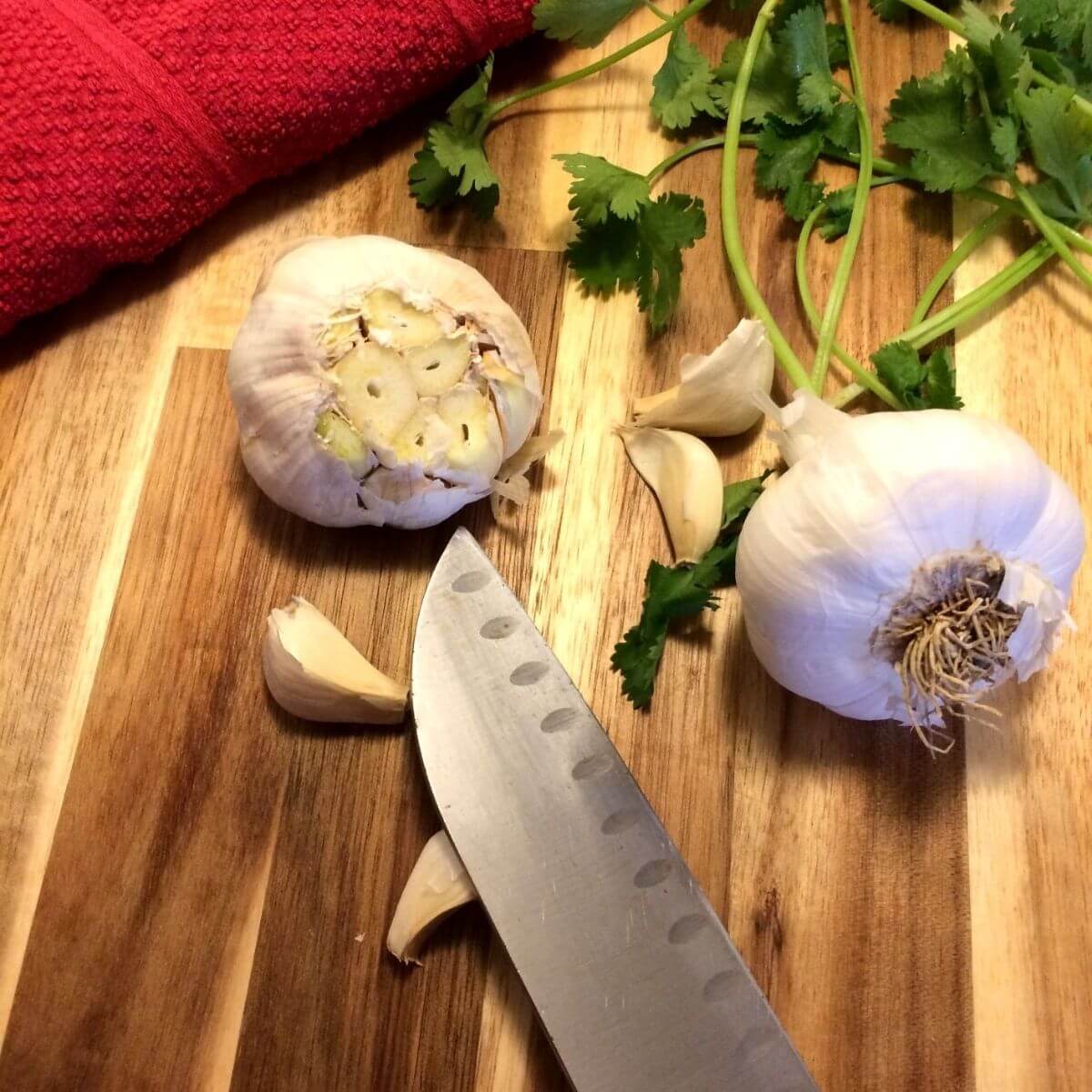
After trying each common method, I use a simple rule. I choose the chef’s knife for speed, the bowl method for volume, and the water method when the skins are unusually stubborn.
One mistake I made early on was shaking garlic in a small container with too many cloves. The pieces had no room to move, so the skins barely loosened. A larger bowl worked much better.
I also learned to dry soaked garlic well before sautéing it. Wet cloves can spit in hot oil, and they do not brown evenly. A few seconds with a clean towel makes a noticeable difference.
For a dinner with friends, I often peel the garlic a few hours ahead and keep it covered in the refrigerator. That small step makes cooking feel calmer, especially when several ingredients need attention at once.
Frequently Asked Questions
What is the best way to peel garlic cloves quickly?
The fastest method for one or two cloves is to press them gently with the flat side of a chef’s knife. For a full head, place separated cloves between two bowls and shake them firmly.
Should you wash garlic cloves after peeling them?
You usually do not need to wash peeled garlic if the cloves and your hands are clean. If you rinse them, dry them fully before cooking so excess water does not cause oil to splatter.
Does crushing garlic change its flavor?
Yes. Crushing breaks the garlic’s cells and releases more strong-smelling compounds. Crushed garlic often tastes sharper than a whole clove, especially when eaten raw.
Can you peel garlic in the microwave?
A very short microwave warming period may loosen the skin, but it can also begin cooking the garlic. This method is less reliable than using a knife, water, or a bowl.
How long does peeled garlic last in the refrigerator?
Peeled garlic is best used within a few days when stored in a sealed container in the refrigerator. Throw it away if it becomes soft, slimy, moldy, or develops an unusual smell.
Is it better to peel garlic before storing it?
No. Garlic lasts longer when stored whole, dry, and unpeeled. Peel cloves close to the time you plan to use them for the best flavor and texture.
Conclusion
The best way to peel garlic cloves depends on the amount and the recipe. Use a gentle knife crush for speed, shake several cloves in a covered bowl for batch peeling, or soak stubborn cloves briefly in warm water.
Keep the garlic dry, trim the root end, and store peeled cloves safely in the refrigerator. Try the knife method first, then test the bowl method the next time you cook a large meal. Share your favorite garlic peeling tip or explore more practical kitchen guides for faster, easier cooking.

Liora Pennings is a seasoned chef and kitchen enthusiast with a passion for turning everyday cooking into an effortless experience. With years of hands-on culinary expertise, she specializes in practical techniques, ingredient know-how, and smart kitchen solutions that help home cooks elevate their meals. At KitchFlair.com, Liora shares her best tips, time-saving tricks, and honest product reviews to guide readers toward a more efficient, enjoyable, and inspired cooking routine. Whether you’re a beginner or a seasoned home chef, Liora’s friendly, knowledge-packed insights make every visit to the kitchen a little easier—and a lot more delicious.