How To Use A Swivel Peeler: Easy Guide
Use a swivel peeler by guiding its sharp blade lightly along the produce in smooth, even strokes.
Learning how to use a swivel peeler can make daily cooking faster, safer, and less wasteful. This flexible kitchen tool follows the shape of fruits and vegetables, but good results depend on your grip, cutting angle, pressure, and choice of technique. Once you learn the basics, peeling potatoes, carrots, apples, and cucumbers becomes simple.
What Is a Swivel Peeler?
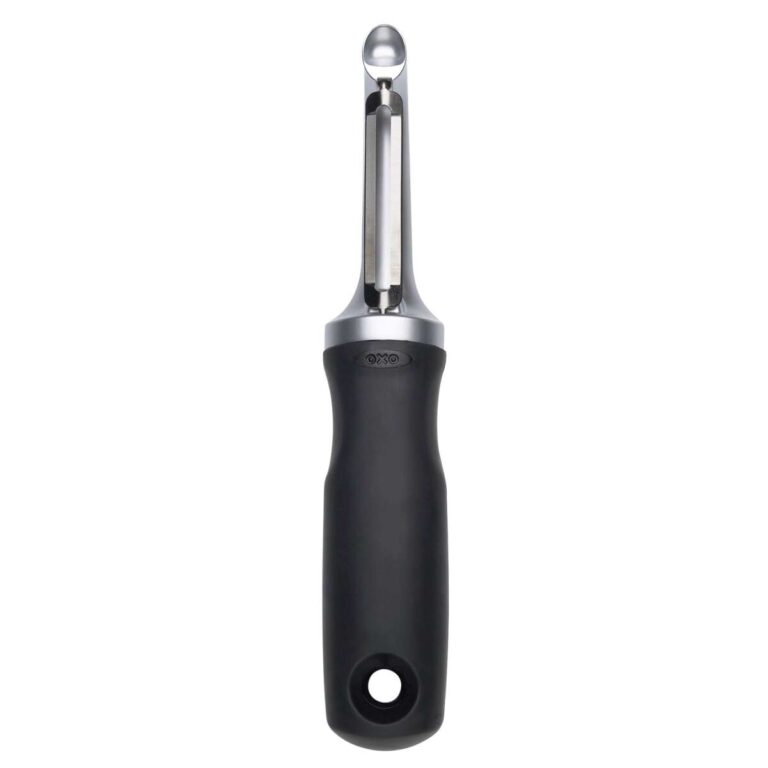
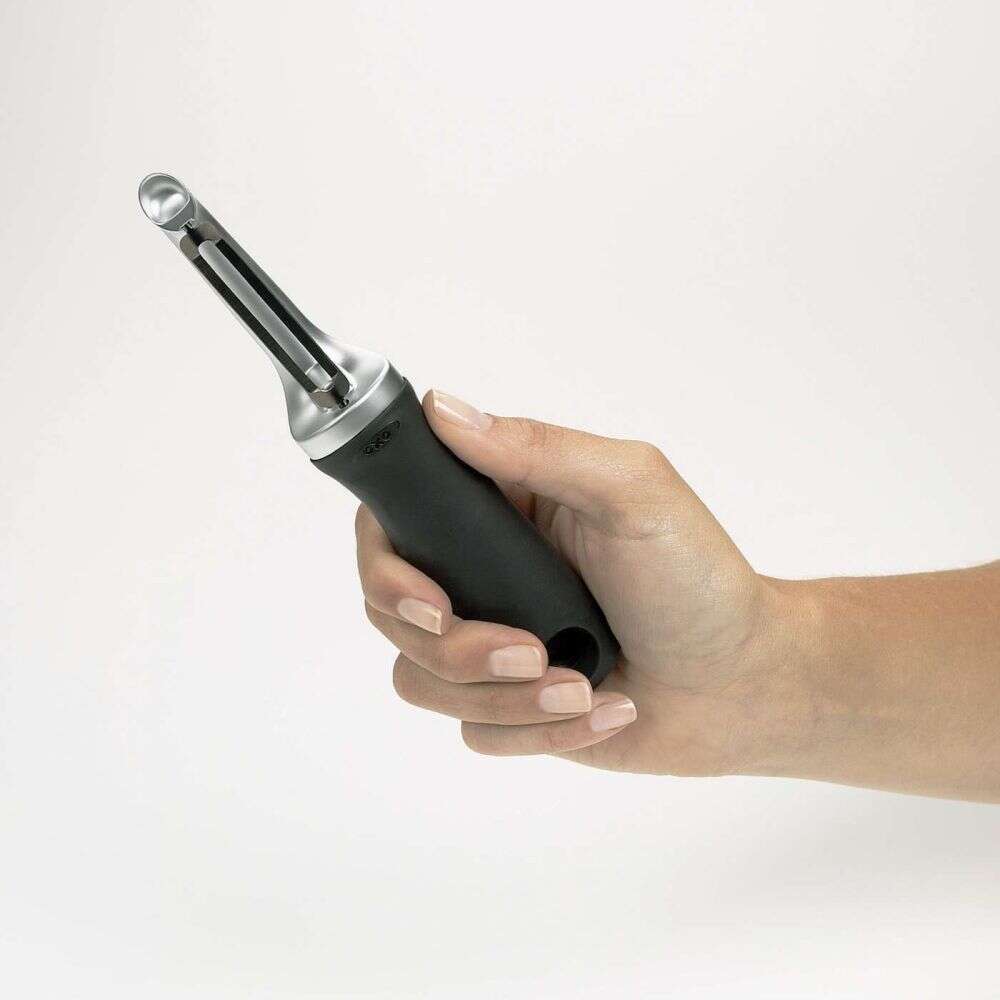
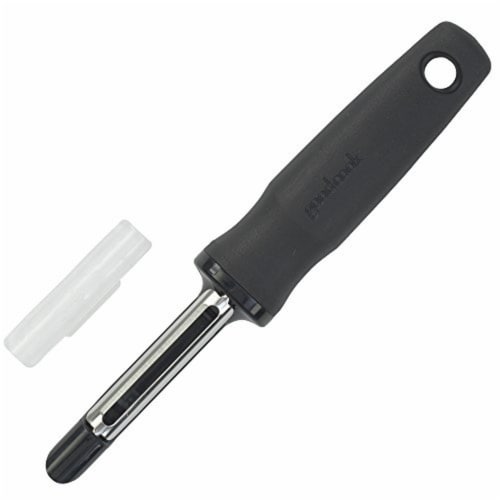
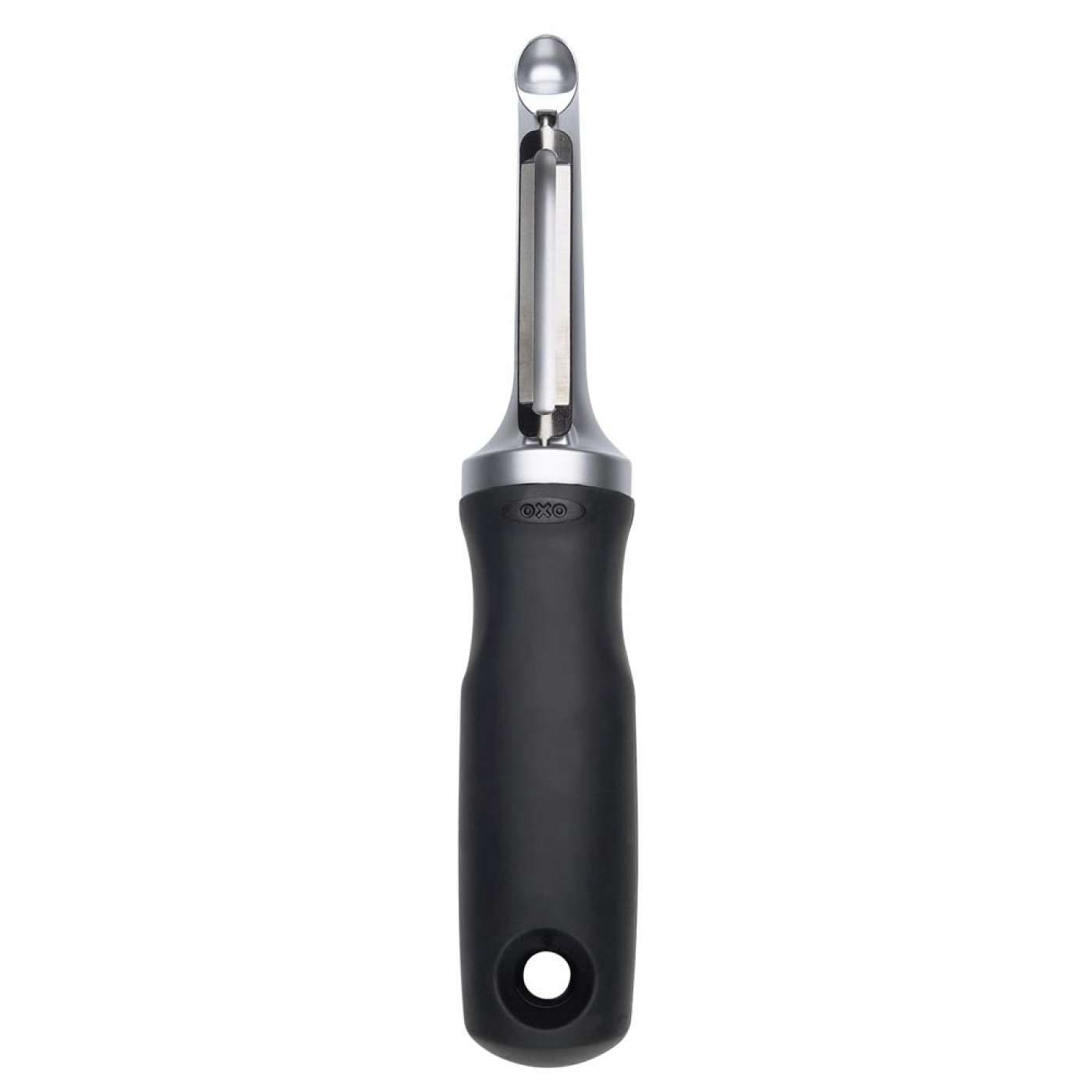
A swivel peeler is a handheld kitchen tool with a moving blade. The blade pivots from side to side as it travels across food. This swivel action helps it follow curved surfaces better than a fixed blade.
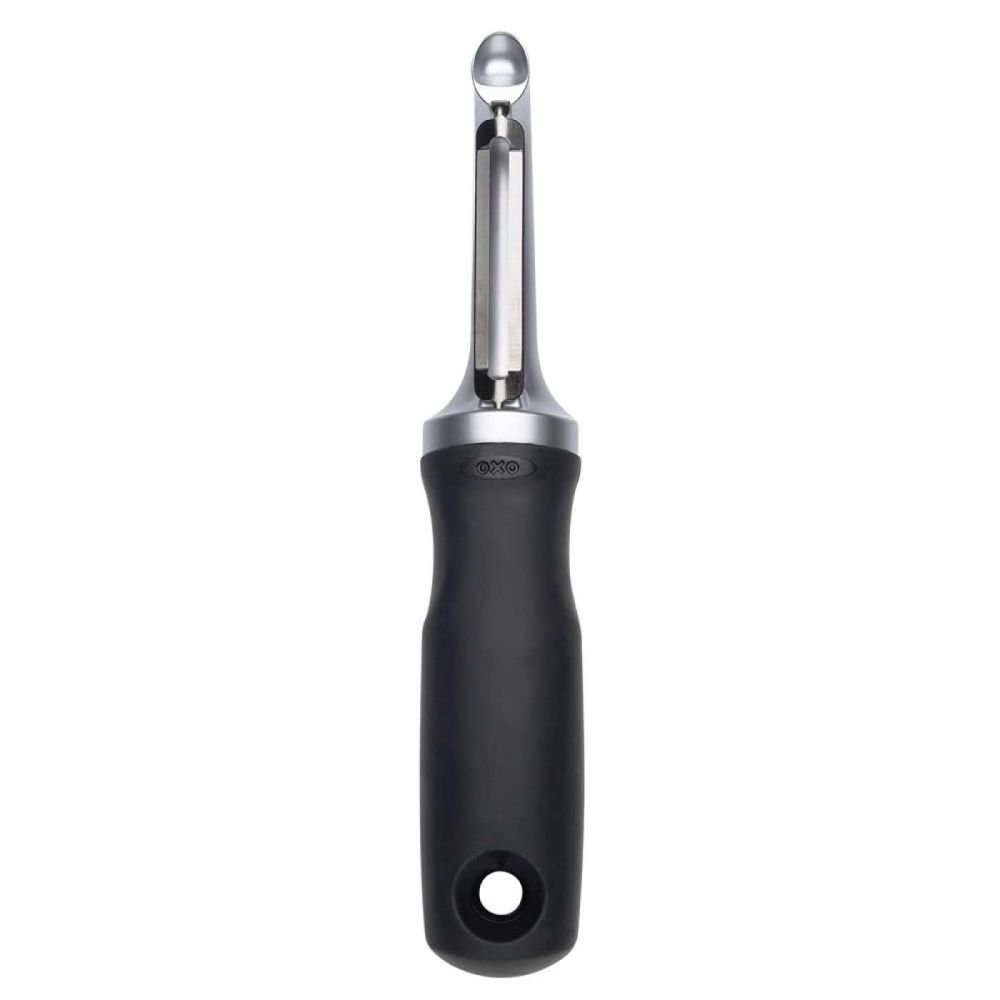
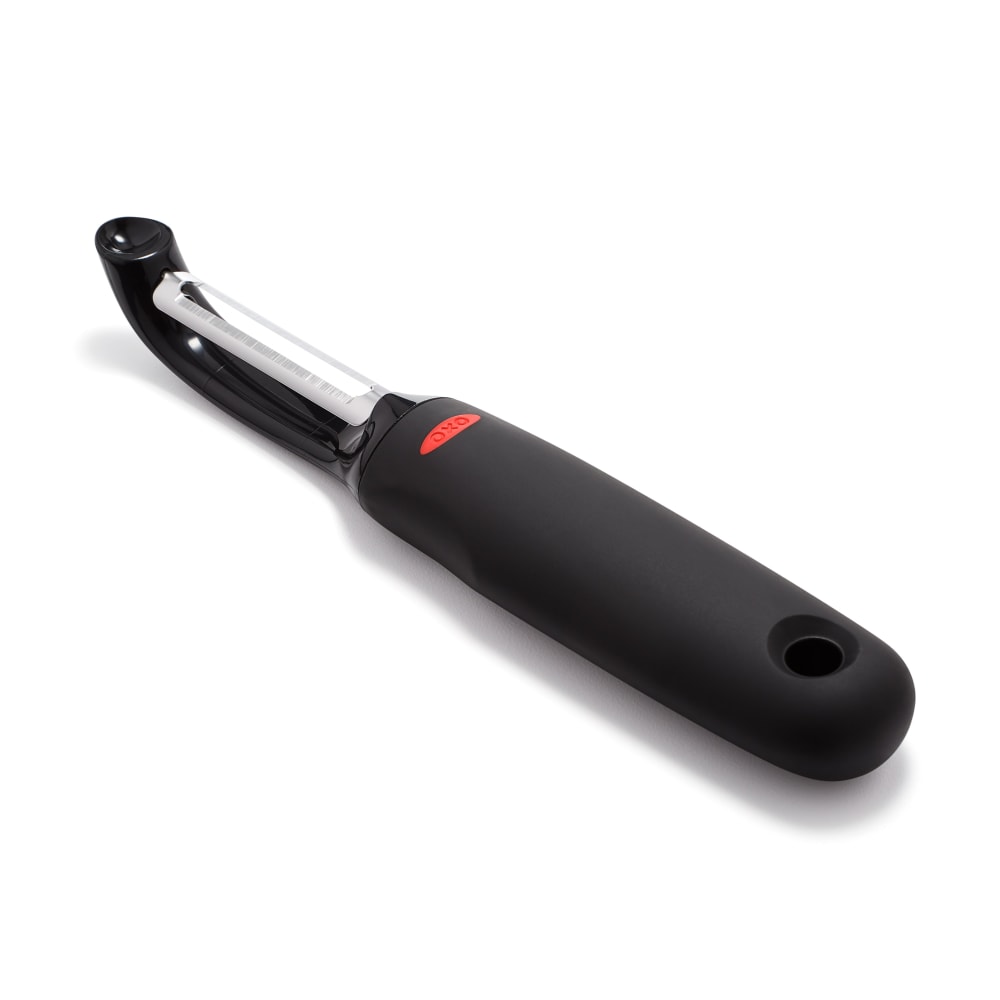
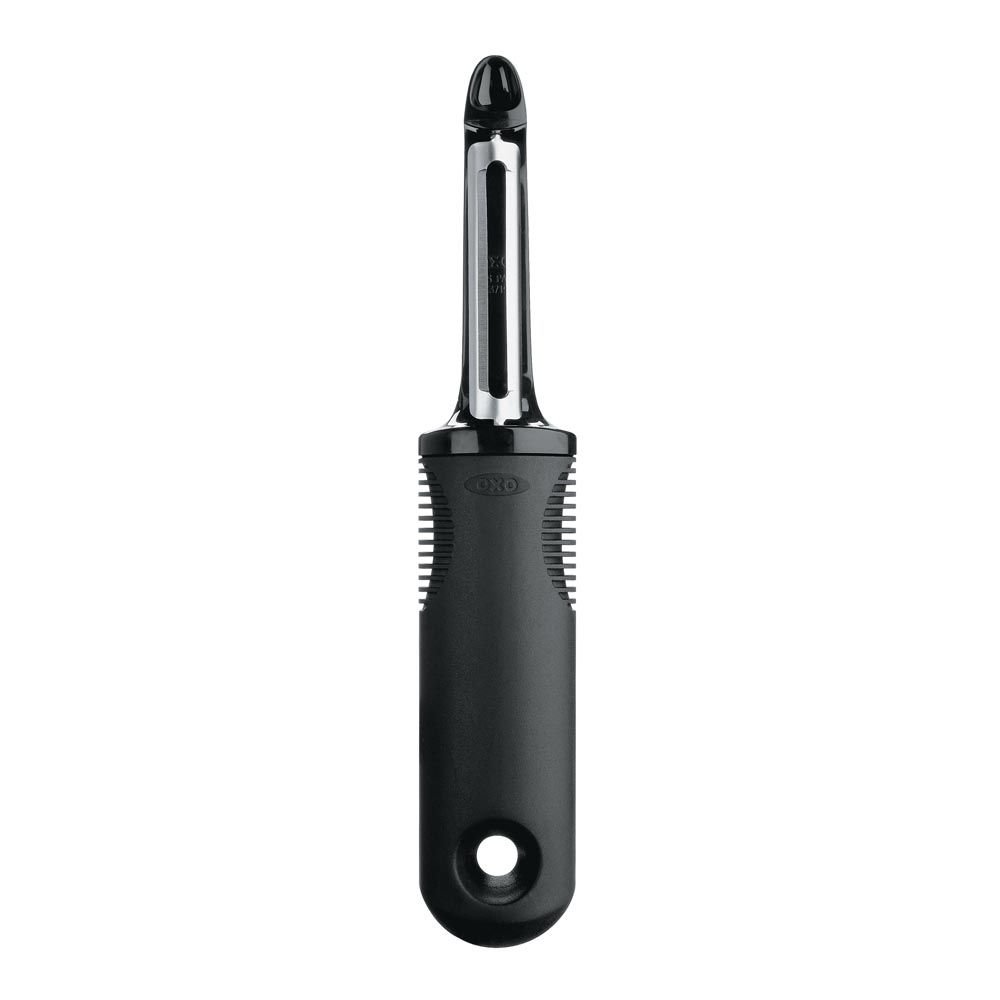
Most swivel peelers have:
• A sharp stainless steel blade for removing thin strips of skin
• A pivoting head that adjusts to the shape of the food
• A handle made from plastic, metal, or a mix of both
• A pointed end for removing potato eyes or small blemishes
The blade may be straight or serrated. A straight blade works well for potatoes, carrots, apples, and pears. A serrated blade often grips soft or slippery produce, such as tomatoes, peaches, and kiwis.
Knowing how to use a swivel peeler starts with understanding its movement. The blade should glide across the surface. It should not dig deeply into the food or require strong force.
How to Use a Swivel Peeler Step by Step
Learning how to use a swivel peeler takes only a few minutes. Follow these steps for clean, thin peels and better control.
1. Wash the produce
Rinse the fruit or vegetable under cool running water. Rub firm produce with your hands or a clean produce brush. Washing first prevents dirt and germs from spreading as the blade moves across the surface.
Dry the item with a clean towel if it feels slippery. A dry surface gives you a better grip.
2. Hold the peeler correctly
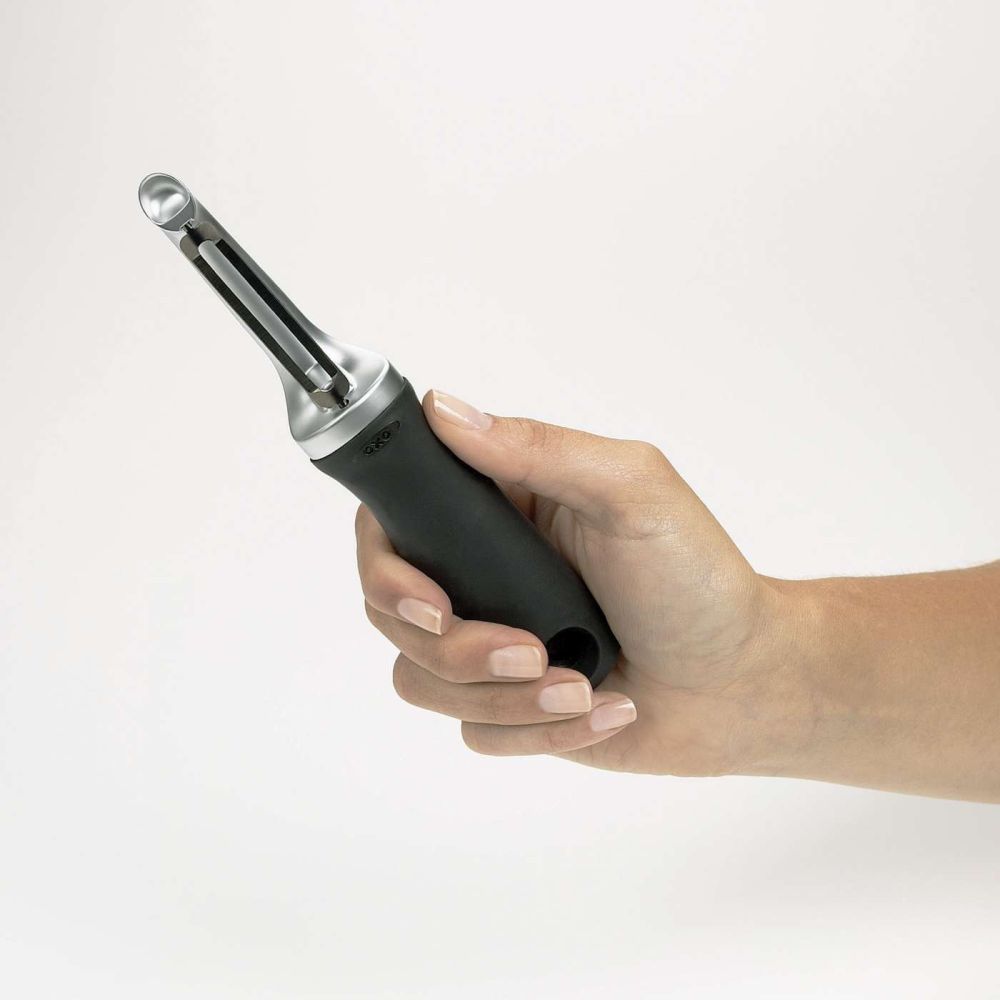
Hold the handle in your dominant hand. Keep your index finger along the handle if that position feels natural. Use your other hand to hold the food firmly.
Keep your fingers behind the path of the blade. Do not place your thumb directly below the area you are peeling.
3. Set the food on a stable surface
Small items can be held in your hand. Larger or round items are often safer on a cutting board.
For a potato, place one flat end on the board. For a carrot, hold it at one end and peel away from your fingers. Stability gives you more control and reduces the chance of slipping.
4. Start with light pressure
Place the blade against the skin. Pull the peeler across the surface in a smooth stroke. Use enough pressure to remove the skin, but no more.
A good swivel peeler should remove a narrow, thin strip. If you see thick layers of flesh in the peel, reduce the pressure.
5. Rotate the food
Peel one section at a time. Turn the food as you work rather than twisting your wrist too much.
For round produce, make long strokes from top to bottom. For long produce, rotate it after each stroke. This method helps you cover the entire surface evenly.
6. Trim small spots
use the pointed tip of the peeler or a paring knife to remove eyes, stems, bruises, or dark spots. Avoid digging into the food with the main blade.
When I practice how to use a swivel peeler, I find that short strokes work best near curved ends. Long strokes are useful on straight sides, but they can slip around narrow tips.
The Best Grip and Peeling Motion
Your grip affects both safety and speed. Hold the handle firmly, but keep your wrist relaxed. A tense grip can make the blade jump or cut too deeply.
Pull the peeler away from your body whenever possible. This gives you more time to stop if the blade catches. If you peel toward yourself, use very short strokes and keep your fingers well clear.
Use the swivel feature instead of fighting it. The blade is designed to change direction as it meets curves. Let it move naturally across the food.
A useful motion looks like this:
- Place the blade flat against the skin.
- Pull it in one smooth direction.
- Lift the blade at the end of the stroke.
- Rotate the food.
- Repeat until the skin is gone.
Do not saw back and forth with heavy pressure. That motion can create uneven strips and increase the risk of injury.
How to Use a Swivel Peeler on Different Foods
Different foods need different techniques. Their texture, shape, and skin thickness all affect the best approach.
Potatoes
Wash the potato and remove any eyes or green areas. Place one end on the cutting board, then peel from the top toward the bottom.
A swivel peeler works well on potatoes because its blade follows the oval shape. Use medium-light pressure. Thick potato peels usually mean the blade angle is too steep.
Never eat potatoes with large green areas. Green color can signal higher levels of natural glycoalkaloids, which may cause illness. Cut away small affected areas or discard the potato if the green color is widespread.
Carrots
Hold the carrot by one end and peel away from your hand. Turn it after each stroke.
Young carrots may need only a light pass. Older carrots can have rough skin, so use steady pressure without digging into the center.
Apples and pears
A swivel peeler can remove the skin quickly, but soft or very ripe fruit may bruise. Use a sharp blade and gentle strokes.
For a long peel, rotate the fruit slowly while moving the peeler from top to bottom. Keep the fruit stable so the blade does not slide.
Cucumbers
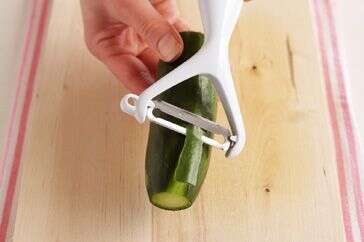
Use a light touch because cucumber skin is thin. You can remove the entire skin or create stripes by peeling every other section.
A serrated swivel peeler may work better on waxy cucumbers. Wash the cucumber first, even if you plan to remove the skin.
Zucchini
Zucchini often does not need peeling. If you want a softer texture or a smoother look, remove the skin in thin strips.
Use short strokes near the stem and blossom ends. The curved shape can make the blade catch if you press too hard.
Butternut squash
A swivel peeler may work on the narrow neck of a butternut squash. The wide base and hard skin can be difficult and unsafe.
For hard winter squash, cut it into stable sections first. A strong vegetable peeler or sharp chef’s knife may be more suitable. Always place the cut side down to create a flat base.
Tomatoes and peaches
Soft produce can tear under a standard straight blade. A serrated swivel peeler may grip the skin more gently.
You can also blanch tomatoes or peaches briefly in hot water, cool them, and remove the loosened skin by hand. This method is often better for large batches.
How to Use a Swivel Peeler Without Wasting Food
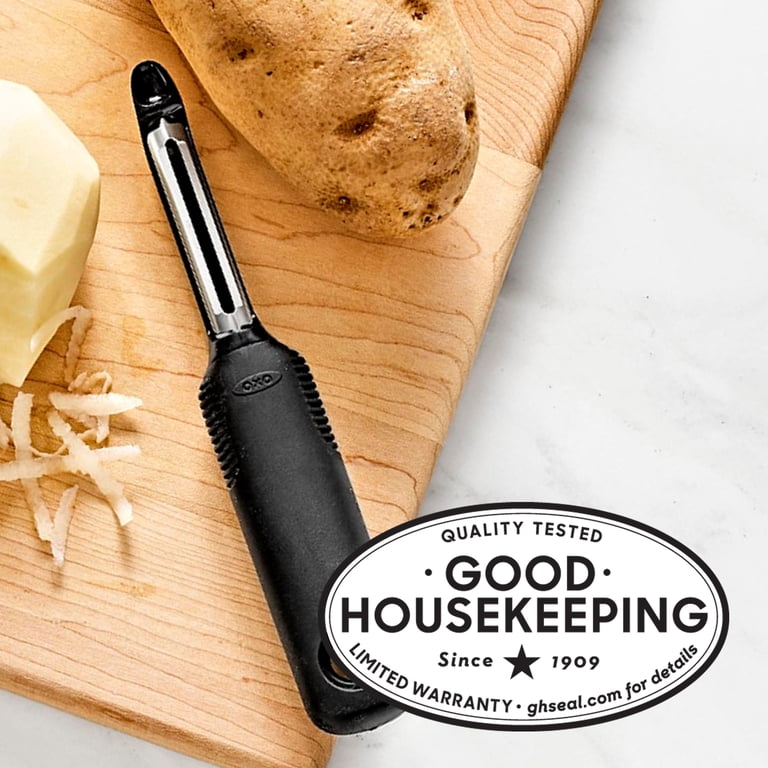
A sharp blade removes less flesh than a dull one. This is one of the most important lessons in how to use a swivel peeler.
Keep the blade nearly flat against the food. A low angle creates a thin peel. A steep angle acts more like a small knife and removes too much flesh.
Use the right tool for the surface:
• Use a straight blade for firm, smooth produce.
• Use a serrated blade for slippery or soft produce.
• Use a pointed tip for small blemishes.
• Use a knife for thick, hard, or irregular skins.
Do not force the blade through a tough spot. Stop, turn the food, and approach the area from another direction.
In kitchen testing, a common mistake is trying to remove every mark with the peeler. That often creates a deep groove. A small paring knife gives better control for isolated spots.
You can save clean vegetable peels for stock, soups, or compost. Avoid using peels from produce that is moldy, heavily bruised, or treated with a coating you do not want in your food.
Common Mistakes to Avoid
Many peeling problems come from technique rather than the tool.
Pressing too hard
Heavy pressure removes thick strips and makes the blade harder to control. Let the sharp edge do the work.
Using a dull peeler
A dull blade may skid across the skin. It can also require more force, which increases the chance of a cut. Replace the peeler if sharpening is not practical.
Peeling toward your hand
Your supporting hand should stay behind the blade. Move the peeler away from your fingers whenever possible.
Ignoring slippery produce
Wet food can slide. Dry it first, or use a cutting board for better stability.
Using the same motion for every food
A potato, tomato, and butternut squash do not behave the same way. Match the blade and technique to the texture.
Leaving the peeler in a sink
A peeler hidden under soapy water can cause a cut when someone reaches into the sink. Wash it promptly and place it where the blade is visible.
How to Clean and Store a Swivel Peeler
Clean the peeler after every use. Food residue can collect around the pivot, where it may cause odors or reduce movement.
Use warm water and dish soap. A small brush can remove bits caught near the blade. Rinse well and dry the tool before storing it.
Check the manufacturer’s instructions before placing the peeler in a dishwasher. Some stainless steel peelers are dishwasher safe, but heat and strong detergent may damage certain handles or reduce sharpness over time.
Store the peeler in a utensil drawer or on a magnetic strip. Keep the blade covered if the tool will be stored loose in a drawer.
Replace the peeler when:
• The blade is rusty or chipped.
• The pivot feels loose.
• The handle is cracked.
• The blade skips even after careful cleaning.
• Peeling requires strong force.
A clean, sharp, well-stored peeler is safer than one that is neglected.
Is a Swivel Peeler Better Than a Y Peeler?
A swivel peeler and a Y peeler can both remove produce skin well. The better choice depends on your hand position, the food, and your comfort.
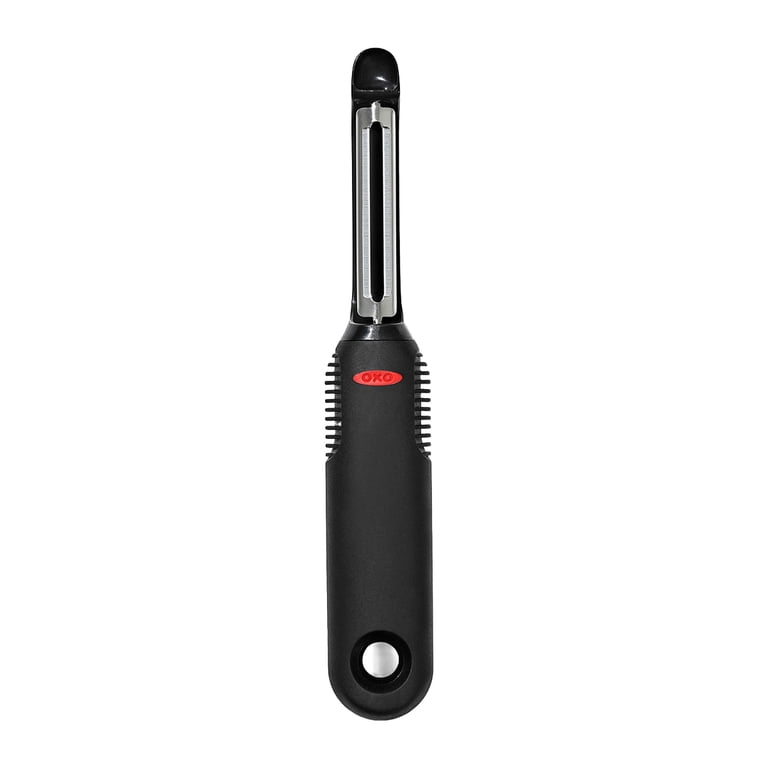
A swivel peeler often feels natural because it moves in the same direction as your hand. It can be useful for long produce and curved surfaces.
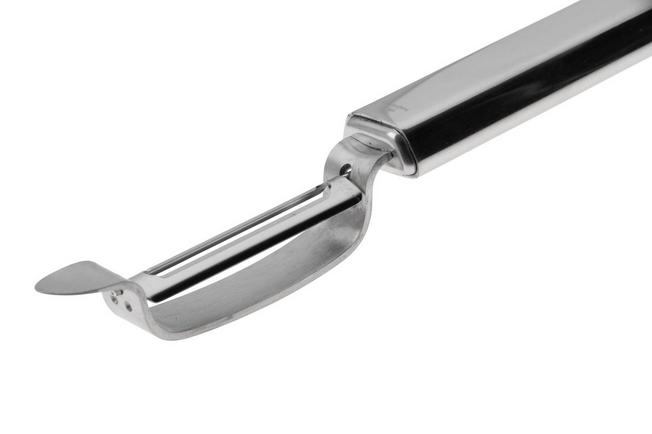
A Y peeler has a wide blade that sits across the handle. Many cooks like it for fast, even strokes on potatoes, carrots, and apples.
Consider these points:
• Choose a swivel peeler for flexible movement around curves.
• Choose a Y peeler for broad, quick strokes.
• Choose a serrated model for soft or slippery skins.
• Choose a comfortable handle if you peel large amounts.
Blade sharpness matters more than shape. A well-made peeler should glide without force and should feel stable in your hand.
Safety Tips for Using a Swivel Peeler
Understanding how to use a swivel peeler also means understanding basic kitchen safety. The blade is small, but it can still cause a serious cut.
Follow these habits:
• Keep the blade pointed away from your fingers.
• Use a cutting board for large or unstable foods.
• Dry slippery produce before peeling.
• Peel in a well-lit area.
• Stop if the handle or food feels unstable.
• Wash cuts with clean running water and apply gentle pressure if an injury occurs.
• Keep the tool away from children unless they have close adult supervision.
If the peeler slips often, inspect the blade and change your grip. Do not continue using a damaged tool.
Food safety matters too. Wash produce before peeling, even when the skin will be discarded. The blade can transfer dirt from the outside to the flesh as it moves.
How to Use a Swivel Peeler for More Than Peeling
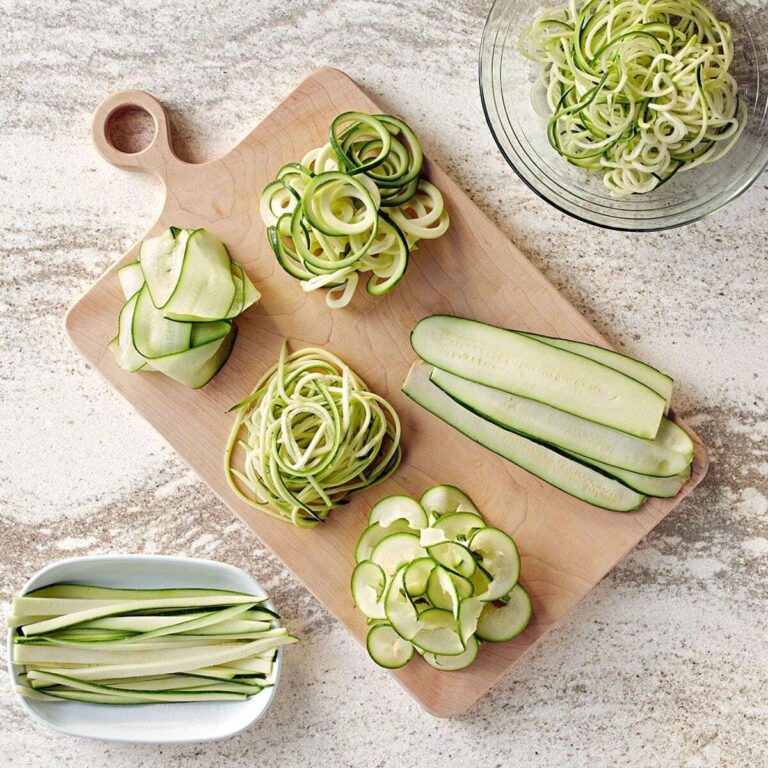
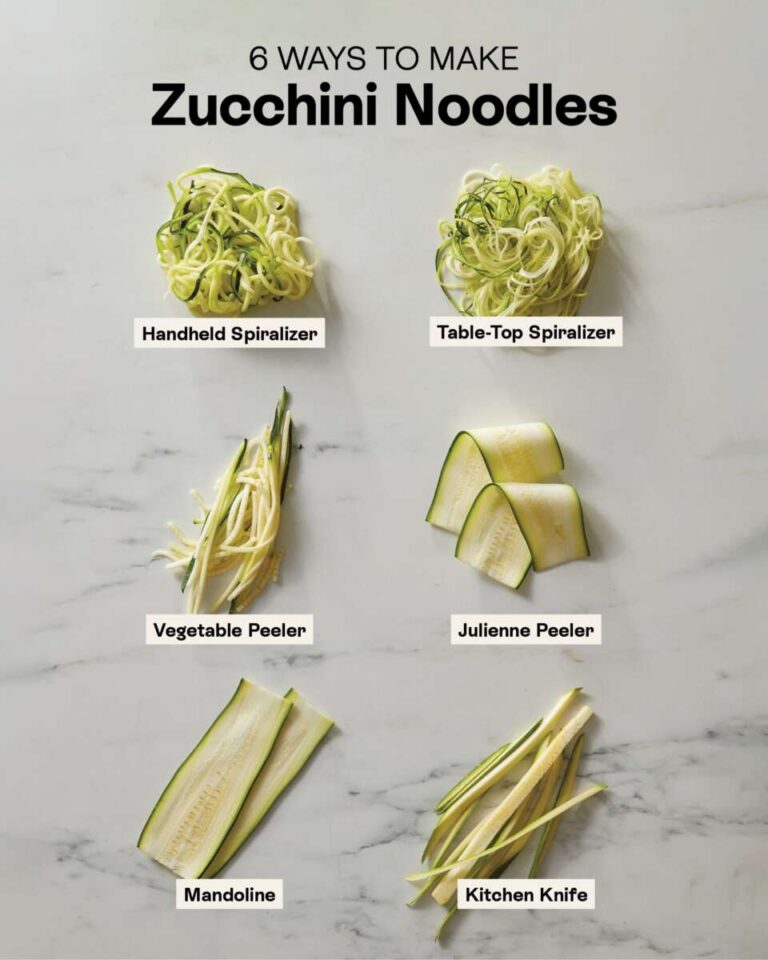
A swivel peeler can do more than remove skin. It can create thin strips for salads, garnishes, and vegetable ribbons.
Try these ideas:
• Make carrot ribbons for salads or noodle-style dishes.
• Create cucumber strips for sandwiches and wraps.
• Shave zucchini into thin layers for grilling.
• Cut wide strips of cheese or chocolate with a clean, suitable peeler.
• Make citrus zest strips for drinks and desserts.
Use a separate, clean peeler for citrus if you want to avoid transferring vegetable flavors. Avoid peeling hard cheese or chocolate if the tool is not designed for that task.
For vegetable ribbons, pull the blade along the length of the food. Turn the food often so the strips remain even. A sharp swivel peeler can turn simple produce into attractive food with very little effort.
Frequently Asked Questions About How to Use a Swivel Peeler
Which direction should you peel with a swivel peeler?
Pull the peeler away from your body and away from your supporting hand whenever possible. Use smooth strokes and rotate the food instead of twisting your wrist sharply.
Why does my swivel peeler remove too much flesh?
The blade may be held at too steep an angle, or you may be pressing too hard. Hold it flatter against the surface and use lighter pressure.
Can I use a swivel peeler on tomatoes?
Yes, but soft tomatoes may tear with a straight blade. A serrated swivel peeler usually grips the skin better, or you can blanch the tomatoes first.
How do I sharpen a swivel peeler?
Many swivel peelers are difficult to sharpen at home because their blades are small and curved. If the manufacturer does not provide sharpening instructions, replacing the blade or the entire peeler is often safer.
Is a swivel peeler safe for children?
A swivel peeler has a sharp blade and should be used only with close adult supervision. Children should learn proper hand placement and peel soft, stable foods only when an adult considers them ready.
Should I peel all fruits and vegetables?
No. Many skins are edible and contain fiber and nutrients when the produce is washed well. Peel food when the skin is tough, bitter, heavily marked, or likely to affect the texture of the dish.
How can I stop the peeler from slipping?
Dry the produce, use a stable cutting board, and keep your supporting hand behind the blade. If the tool still slips, check whether the blade is dull or damaged.
Conclusion
The best way to learn how to use a swivel peeler is to start with firm, easy foods such as potatoes, carrots, apples, and cucumbers. Wash and dry the produce, hold it securely, use light pressure, and let the pivoting blade follow the surface.
A sharp swivel peeler should remove a thin layer without digging into the food. Keep the blade clean, store it safely, and choose a serrated or stronger tool when the produce is soft or hard to peel.
Try these steps with your next meal, then experiment with vegetable ribbons and garnishes. Share your favorite peeling tips or explore more practical kitchen guides for safer, easier cooking.

Liora Pennings is a seasoned chef and kitchen enthusiast with a passion for turning everyday cooking into an effortless experience. With years of hands-on culinary expertise, she specializes in practical techniques, ingredient know-how, and smart kitchen solutions that help home cooks elevate their meals. At KitchFlair.com, Liora shares her best tips, time-saving tricks, and honest product reviews to guide readers toward a more efficient, enjoyable, and inspired cooking routine. Whether you’re a beginner or a seasoned home chef, Liora’s friendly, knowledge-packed insights make every visit to the kitchen a little easier—and a lot more delicious.