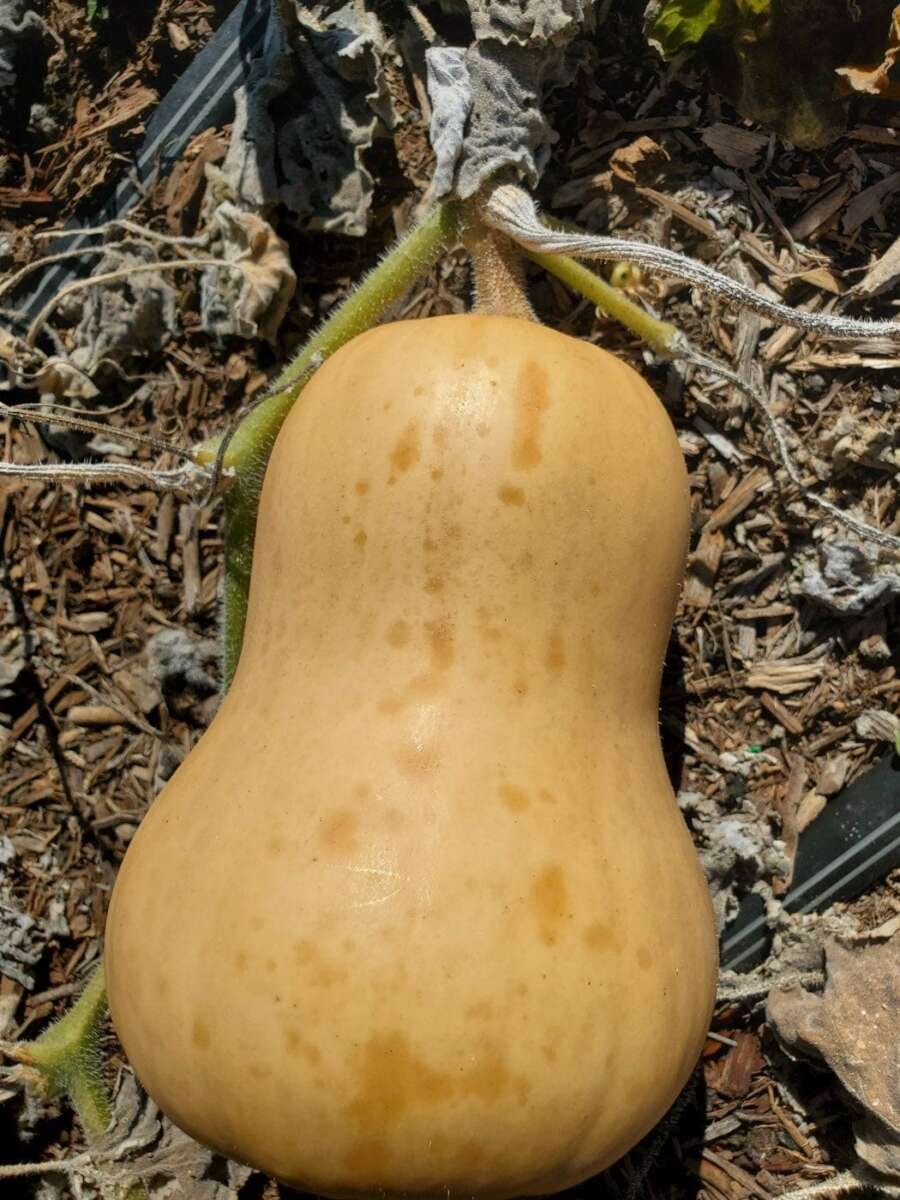
How Deep To Peel Butternut Squash: Easy Guide
Peel butternut squash just deep enough to remove its tough skin, usually about 1/16 inch.
Knowing how deep to peel butternut squash makes prep safer, faster, and less wasteful. The goal is not to carve away the bright orange flesh. It is to remove the thin, pale outer skin and any tough green grooves while keeping as much usable squash as possible.
How Deep to Peel Butternut Squash
For most recipes, peel butternut squash to a depth of about 1/16 inch, or roughly 1 to 2 millimeters. This removes the dull outer skin without taking much of the orange flesh beneath it.
A well-peeled squash should look smooth and bright orange. If you still see pale tan patches, green lines, or rough ridges, peel those spots again with light strokes.
The skin can become softer during cooking, but it often stays chewy and fibrous. This is most noticeable in soups, mashed squash, and roasted cubes. For a smooth texture, peeling butternut squash fully is the best choice.

What Properly Peeled Butternut Squash Should Look Like
The color is your best guide. The skin is usually beige, tan, or slightly gray. The flesh below it is a stronger orange color.
After peeling butternut squash, look for these signs:
• The surface is bright orange.
• No tough beige skin remains.
• Deep grooves are clean and smooth.
• The flesh has not been cut away in thick strips.
• The squash feels firm, not slippery or mushy.
You do not need to remove every tiny mark. A few shallow lines are harmless. Focus on removing areas that feel hard or look green.
The neck usually peels easily because it has a smooth shape. The bulbous lower end has more curves and ridges, so it may need extra attention. A vegetable peeler can follow the neck well, while a small paring knife works better around the base.
Why Butternut Squash Skin Is Hard to Peel
Butternut squash has a firm skin that protects the flesh as the squash grows and stores. Unlike the skin of a zucchini, it is thick, dry, and not pleasant in every dish.
The shape also makes peeling tricky. The long neck is easy to hold, but the rounded base can roll on the cutting board. Trying to peel a whole squash in your hand is risky because the tool may slip.
The skin may feel even harder when the squash is cold. A brief warm-up can help, but do not cook the squash unless your recipe allows it. Heat can soften the flesh and make clean cutting more difficult.
In my own kitchen prep, the biggest mistake was trying to remove the skin from a whole, upright squash. The squash moved too much. Once I cut it into stable sections, peeling became faster and much safer.

The Safest Way to Peel Butternut Squash
A stable squash is easier to peel than a whole one. Use a sturdy cutting board, a sharp chef’s knife, and a strong vegetable peeler.
Follow these steps:
-
Wash and dry the squash. Dry skin gives your hands and tools a better grip.
-
Cut off the stem end and the bottom end. Removing both ends creates flat surfaces.
-
Stand the squash upright on the wider flat end.
-
Cut the squash from top to bottom into two sections, if needed.
-
Separate the long neck from the round lower bulb.
-
Cut the bulb in half lengthwise.
-
Scoop out the seeds and stringy pulp with a spoon.
-
Place each piece cut side down on the board.
-
Peel in long, steady strokes from top to bottom.
-
Check the surface and remove any remaining tough strips.
Always keep your fingers curled away from the blade. If the squash rocks, lay it flat and cut it into smaller pieces. Do not force a knife through a hard spot.
Choosing the Right Peeler or Knife
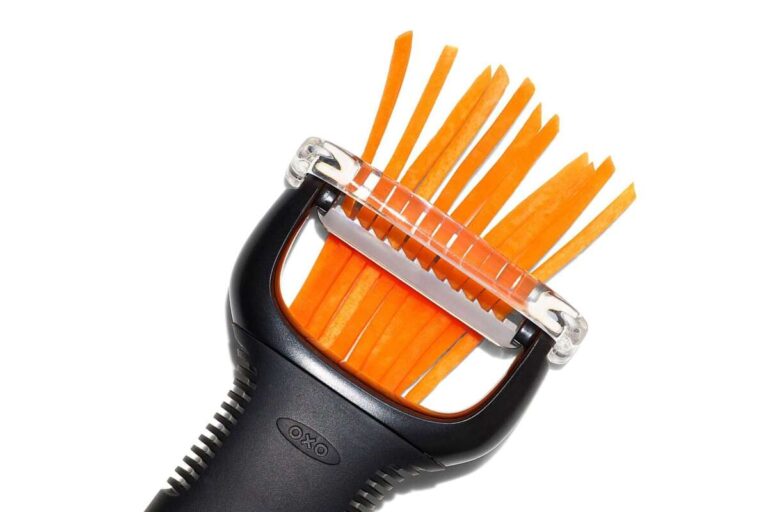
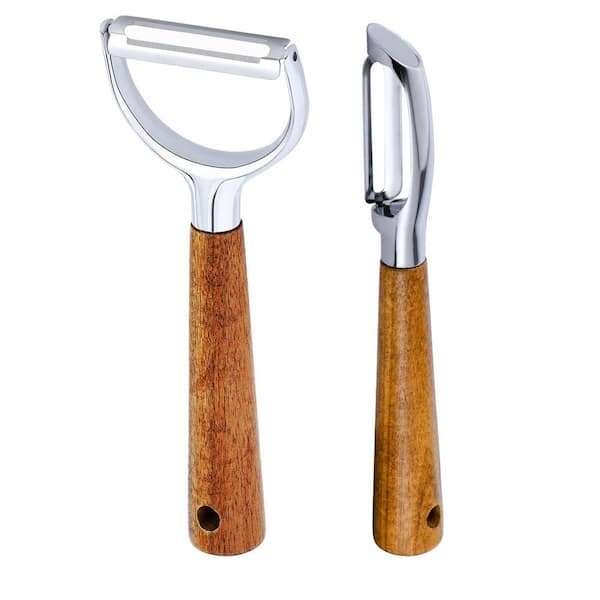
A sharp Y-shaped peeler is often the easiest tool for peeling butternut squash. It removes a thin layer and gives you good control over how deep to peel butternut squash.
A straight swivel peeler can work well too, but a dull blade may skip across the skin. Replace or sharpen the peeler if it takes heavy pressure.
Use a paring knife for:
• Deep grooves
• Small missed patches
• The curved lower bulb
• Very thick or damaged skin
A knife removes more flesh than a peeler, so use shallow cuts. Think of the knife as a small brush, not a shovel. Take off only the skin and the rough layer directly beneath it.
If the squash is especially hard, microwave it for about 2 to 3 minutes before cutting. Pierce the skin several times first, and let it cool enough to handle. This softens the outer layer slightly, but it may also warm the flesh, so use care.

Should You Peel the Whole Squash?
For most recipes, yes. Peeling the whole squash gives you a more even texture and removes the parts that may remain tough after cooking.
You may not need to peel it when:
• You roast large halves with the skin facing down.
• You plan to scoop out the cooked flesh.
• You blend the squash with enough liquid and do not mind a slightly rustic texture.
• You use a recipe designed for cooking squash in its skin.
Even when the skin is technically edible, edible does not always mean pleasant. Butternut squash skin may soften, yet it can still taste leathery. The choice depends on the recipe and the texture you want.
For roasted cubes, peel butternut squash before cutting it. For roasted halves, you can leave the skin on and scoop out the soft flesh after cooking.
How Much Flesh Should You Remove?
Remove the skin plus a very thin layer of flesh if needed. This usually means about 1/16 inch, though damaged areas may require a little more.
Avoid digging into the bright orange center. That flesh contains the flavor, color, and much of the squash’s useful texture.
A small amount of waste is normal. Trying to save every tiny patch can make prep unsafe and frustrating. Still, a thick layer of orange flesh on the discarded skin means you are peeling too deeply.
Here is a simple visual test:
• Tan surface means more peeling is needed.
• Bright orange surface means you are at the right depth.
• Large curls of orange flesh mean you are going too deep.
The lower bulb often has a thin layer near its curves that is difficult to remove with a peeler. Use short knife strokes rather than trying to make one perfect pass.
How to Peel Butternut Squash for Different Recipes
The best peeling method depends on how you plan to cook the squash.
For soup
Peel butternut squash completely and cut it into even cubes. Any remaining skin can affect the smoothness of a blended soup.
For roasting
Remove all tough skin, then cut the flesh into pieces of similar size. Even pieces cook at the same rate and develop better browned edges.
For mashed squash
Peel deeply enough to remove every tough patch. Mashed squash should be soft and smooth, so skin left behind may create chewy bits.
For purees
Use a knife or peeler to remove the full outer layer. A completely peeled squash creates a more consistent puree for baby food, sauces, and baking.
For stuffed squash
You can leave the skin on if you roast the squash in halves. The skin helps the halves hold their shape while cooking.
For air frying
Peel butternut squash before cutting it into small cubes. The exposed flesh browns more evenly and develops crisp edges.

Common Mistakes to Avoid
Peeling butternut squash does not need to be difficult. Most problems come from poor setup or using too much force.
Avoid these common mistakes:
• Peeling the squash while it is whole and unstable.
• Using a dull peeler.
• Holding the squash in one hand while cutting with the other.
• Removing thick orange strips with every stroke.
• Ignoring deep grooves around the bulb.
• Washing the squash but leaving it wet.