How To Clean Stainless Steel Coffee Maker: Easy Guide
Clean a stainless steel coffee maker with mild soap, vinegar or citric acid, and a soft cloth.
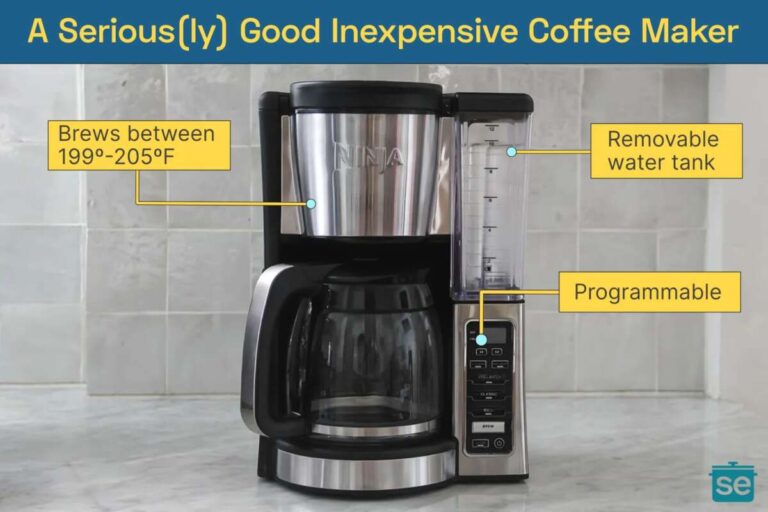
A stainless steel coffee maker can collect coffee oils, mineral scale, and stale water over time. Learning how to clean stainless steel coffee maker parts the right way keeps coffee tasting fresh and helps the machine work well for longer. This guide shares safe methods for the stainless steel body, water tank, filter basket, thermal carafe, and internal tubes.
Why You Need to Clean a Stainless Steel Coffee Maker
Coffee leaves behind more than a pleasant smell. Its natural oils can form a sticky film inside the carafe and filter basket. Hard water can also leave white mineral scale inside the water path and heating system.
If you ignore this buildup, you may notice:
• Bitter or stale coffee
• Slow brewing
• Strange smells
• Cloudy water
• A noisy coffee maker
• Weak or uneven extraction
• Dark marks on the stainless steel
Cleaning does more than improve looks. Mineral scale can reduce water flow and make the machine heat less evenly. Coffee oils can also become rancid, which affects the taste of every new pot.
In my experience, most people clean the carafe but forget the lid, filter basket, and water reservoir. Those small parts often hold the most residue. A complete routine treats the coffee maker like a small kitchen system, not just a metal pot.

What You Need Before Cleaning
Gather simple supplies before you start. You do not need harsh chemicals or special tools for most stainless steel coffee makers.
You will need:
• Warm water
• Mild dish soap
• A soft sponge or microfiber cloth
• A soft bottle brush or clean toothbrush
• White distilled vinegar or citric acid
• A clean towel
• Baking soda for stubborn odors or light stains
Check the user manual first. Some manufacturers allow vinegar, while others recommend a commercial descaling solution. The manual also explains whether the water reservoir, filter basket, or carafe lid can go in a dishwasher.
Avoid steel wool, rough scouring pads, oven cleaner, and chlorine bleach. These can scratch stainless steel, damage seals, or leave unsafe residue.
Before you clean, unplug the machine and let the hot plate, heating area, and brewed coffee cool fully. Never place the electrical base or power cord under running water.

How to Clean Stainless Steel Coffee Maker Parts
The safest method is to clean each removable part before descaling the inside. This prevents loose coffee oils and dirt from mixing with the cleaning solution.
1. Remove and rinse the parts
Take out the filter basket, reusable filter, carafe lid, water filter, and any removable reservoir. Empty old coffee and grounds. Rinse each part with warm water.
Do not leave wet grounds inside the basket. They can grow mold and create a sour smell, especially in a warm kitchen.
2. Wash with mild dish soap
Add a small amount of mild dish soap to warm water. Use a soft sponge on the stainless steel carafe and a soft brush around the lid, spout, handle, and filter basket.
For narrow areas, a bottle brush works well. A clean toothbrush can reach the small valve or groove under the carafe lid.
3. Rinse very well
Soap residue can affect the taste of coffee. Rinse every part until the water runs clear and no slippery film remains.
Pay close attention to the carafe lid. Coffee oils often hide beneath the lid seal and around the drinking spout.
4. Dry every part
Place the parts upside down on a clean towel. Let them air dry fully before putting the coffee maker back together.
When I clean a stainless steel coffee maker, I always dry the outside with a microfiber cloth. This prevents water spots and leaves the steel looking polished without a separate metal polish.
How to Clean the Stainless Steel Exterior
The outside of a stainless steel coffee maker needs a gentle touch. Stainless steel resists rust, but its finish can still scratch or show dull marks.
Start by wiping the exterior with a damp microfiber cloth. For greasy fingerprints, add one drop of mild dish soap to warm water. Wipe with the grain of the steel when a visible brushed pattern is present.
Follow these steps:
-
Unplug the coffee maker.
-
Wipe the body with a damp cloth.
-
Clean around buttons and seams with a barely damp cotton swab.
-
Remove soap with a fresh damp cloth.
-
Dry the surface at once with a clean microfiber towel.
Do not spray cleaner directly onto the machine. Spray can enter buttons, vents, or electrical seams. Instead, apply the cleaner to the cloth.
For light stains, make a thin paste with baking soda and water. Test it on a hidden area first. Rub gently, rinse with a damp cloth, and dry well.
Never use bleach, ammonia, or abrasive powder on stainless steel. These products may damage the finish and can leave fumes or residue near a food appliance.

How to Descale a Stainless Steel Coffee Maker
Descaling removes mineral deposits from the water reservoir, heating chamber, and internal tubes. It is one of the most important parts of learning how to clean stainless steel coffee maker systems.
Vinegar method
Use equal parts white distilled vinegar and water. For a large machine, fill the reservoir with enough solution for one full brew cycle. Do not overfill it.
Place an empty filter basket in the machine. Do not add coffee grounds. Put the empty stainless steel carafe in position, then run a brew cycle.
Pause the cycle halfway if your machine allows it. Let the solution sit for about 30 minutes. This gives the mild acid time to loosen scale.
Finish the cycle. Empty the carafe and rinse it well.
Fresh-water rinse
Fill the reservoir with clean water. Run two or three full cycles, using fresh water each time. This removes the vinegar smell and taste.
Taste or smell the water after the final cycle. If you notice vinegar, run another water cycle. A clean machine should not make the first pot taste sour.
Citric acid method
Citric acid is another useful option, especially if you dislike the smell of vinegar. Mix about 1 tablespoon of food-grade citric acid with 4 cups of warm water, unless your manual gives different instructions.
Run the solution through the machine, let it sit for 15 to 30 minutes, and then flush the system with two or three tanks of clean water. Use the product label or coffee maker manual for the exact amount.
Do not mix vinegar with bleach or other cleaners. Chemical mixtures can create dangerous fumes.

How to Remove Coffee Stains from Stainless Steel
Coffee stains often appear inside a stainless steel thermal carafe. They may look permanent, but fresh stains usually come away with gentle soaking.
Fill the carafe with warm water and add a small amount of dish soap. Let it soak for 15 to 30 minutes. Use a soft bottle brush to clean the inside.
For darker stains, try one of these methods:
• Add 1 tablespoon of baking soda to the carafe, fill it with warm water, and soak for several hours.
• Add a small amount of uncooked rice with warm soapy water, then gently swirl. The rice can help loosen residue without a hard abrasive pad.
• Use a cleaner made for stainless steel coffee carafes, following the label directions.
Rinse the carafe several times after cleaning. Do not use a metal brush or steel wool. These tools can create tiny scratches where coffee oils collect later.
One mistake I made early on was leaving a baking soda paste in a thermal carafe overnight. It did not harm the steel, but it dried into a gritty layer that took extra rinsing. A short soak with warm water works better and takes less effort.

How Often Should You Clean a Stainless Steel Coffee Maker?
Cleaning frequency depends on how often you brew and how hard your water is. A busy household needs a more regular routine than someone who makes one pot each week.
Use this simple schedule:
• After every use: Empty grounds, rinse the basket, and rinse the carafe.
• Daily: Wipe spills from the exterior and hot plate.
• Weekly: Wash the carafe, lid, filter basket, and reservoir with mild soap.
• Every 1 to 3 months: Descale the machine.