How To Make Nitro Coffee

How To Make Nitro Coffee: Easy Cold Brew Guide

Make nitro coffee by infusing chilled cold brew with food-grade nitrogen, then pour it through a fine faucet.

Learning how to make nitro coffee at home is easier than it first seems. The key is not the coffee alone, but the balance of cold brew strength, temperature, nitrogen pressure, and a smooth pour. After testing different beans, steep times, and serving methods, I have found that simple equipment and careful technique produce the best result. This guide explains how to make nitro coffee safely, fix common problems, and create a creamy café-style drink in your own kitchen.

What Is Nitro Coffee?
Source: threekingsclub.com

What Is Nitro Coffee?

Nitro coffee is cold brew coffee infused with nitrogen gas. The tiny nitrogen bubbles give the drink a smooth texture, a thick foam cap, and a slightly sweet taste without adding sugar or cream.

Unlike carbonated soda, nitro coffee does not use carbon dioxide. Carbon dioxide creates sharp, fizzy bubbles. Nitrogen creates much smaller bubbles, so the drink feels soft and silky on the tongue.

Most nitro coffee starts with cold brew concentrate. The coffee is steeped in cold water for many hours, filtered, chilled, and then infused with food-grade nitrogen. It is usually served from a keg through a stout faucet, which helps form the classic cascading effect.

The finished drink often has:

• A rich, creamy mouthfeel

• A dark coffee flavor

• A natural sweetness

• A thick tan foam

• Little or no need for milk or sugar

Nitrogen does not remove caffeine. If you use a strong cold brew concentrate, your nitro coffee may contain more caffeine than regular iced coffee. Serving size and coffee-to-water ratios matter, so drink it with the same care you would use for any caffeinated beverage.

What You Need to Make Nitro Coffee
Source: splendidtable.org

What You Need to Make Nitro Coffee

The easiest way to make nitro coffee is with a small keg system. You can also use a whipped cream dispenser for small batches, but a keg gives you better control and a more reliable pour.

Basic ingredients

You need only a few ingredients:

• Coarsely ground coffee

• Filtered water

• Food-grade nitrogen gas

• Ice, if you want to serve the drink over ice

A medium or dark roast often works well because nitrogen softens the sharp edges of coffee. Light roast beans can also taste excellent, especially if you enjoy fruit or floral notes.

Recommended equipment

For a keg method, gather:

• A cold brew maker, large jar, or brewing container

• A paper or metal coffee filter

• A small keg, growler keg, or nitrogen-compatible dispenser

• Food-grade nitrogen cartridges or a nitrogen tank

• A nitrogen regulator, if using a tank

• Beverage tubing and a stout faucet

• A refrigerator

• Clean glasses

Check that every part is designed for beverage use and rated for the pressure you plan to apply. Do not use random gas canisters or unapproved containers.

A whipped cream dispenser can work for a single serving. However, it is not the same as a true nitro coffee keg. Many dispensers use nitrous oxide, or N₂O, rather than nitrogen. N₂O creates a creamy texture, but it can change the flavor and foam. It also should never be confused with nitrogen gas.

How to Make Cold Brew for Nitro Coffee
Source: homebrewacademy.com

How to Make Cold Brew for Nitro Coffee

Good nitro coffee begins with clean, balanced cold brew. Nitrogen can make weak coffee feel smooth, but it cannot hide poor extraction or stale beans.

A reliable cold brew recipe

Use this simple starting ratio:

• 1 cup coarsely ground coffee

• 4 cups filtered water

This makes a strong cold brew concentrate. You can dilute it later if the coffee tastes too intense.

Follow these steps:

  1. Add the coffee grounds to a clean brewing container.

  2. Pour in the water slowly. Stir gently so all the grounds become wet.

  3. Cover the container and steep it in the refrigerator or at room temperature for 12 to 16 hours.

  4. Filter the coffee through a paper filter or fine mesh filter.

  5. Chill the filtered coffee fully before adding nitrogen.

The exact steep time depends on the coffee and your taste. A shorter steep can taste bright and light. A longer steep may taste heavier, more bitter, or woody.

In my own testing, 14 hours is a useful starting point for medium-roast coffee. If the drink tastes thin, use a slightly finer grind or steep longer. If it tastes bitter, use a coarser grind, cooler storage, or a shorter steep.

Why coarse grounds matter

Coarse grounds help slow extraction and make filtering easier. Fine grounds can create a muddy drink and may pull too many bitter compounds from the coffee.

Use fresh beans when possible. Coffee that was roasted within the past few weeks usually gives a cleaner aroma than very old beans. Grind the beans just before brewing for the best flavor.

How to Make Nitro Coffee With a Keg
Source: kegoutlet.com

How to Make Nitro Coffee With a Keg

A keg is the best home method when you want a true nitro coffee experience. It allows nitrogen to dissolve into the cold brew and creates the smooth cascade seen in coffee shops.

Step 1: Clean and sanitize the equipment

Wash the keg, lid, tubing, faucet, and connectors with warm water and a food-safe cleaner. Rinse every part well.

Sanitation is important because cold brew is a ready-to-drink product. It does not receive a heat step after brewing. The U.S. Food and Drug Administration recommends careful control of time, temperature, and sanitation for refrigerated ready-to-drink beverages.

Step 2: Add the chilled cold brew

Pour the filtered cold brew into the keg. Leave some empty space at the top so the liquid can mix with the gas.

Do not fill the keg completely. A small amount of headspace helps nitrogen enter the coffee and makes pressure control easier.

Step 3: Attach the nitrogen supply

Connect the keg to food-grade nitrogen. Use the correct connector for your keg and check that the gas line is secure.

Set the pressure according to your equipment instructions. Many home systems use a moderate pressure range, often around 30 to 40 pounds per square inch, but the correct setting depends on the keg, temperature, line length, faucet, and regulator.

Never guess with pressure. Follow the rating on the equipment.

Step 4: Chill the keg

Keep the keg cold before and during infusion. Cold liquid absorbs nitrogen more effectively than warm liquid.

A refrigerator temperature around 36 to 40°F is a practical target. Warm coffee may pour flat, foam too much, or taste harsh.

Step 5: Infuse the coffee

There are two common methods.

The first method is to connect the nitrogen and let the coffee rest under pressure for several hours. This is gentle and easy to control.

The second method is to apply pressure and gently shake or roll the keg for a short time. This speeds up infusion but can create excess foam if you shake too hard.

For beginners, use the slow method. Connect the nitrogen, chill the keg overnight, and taste the coffee the next day. This approach taught me an important lesson: patience often produces a cleaner pour than aggressive shaking.

Step 6: Pour through a stout faucet

Use a clean, cold glass. Open the faucet fully and pour at a slight angle, then straighten the glass as it fills.

A stout faucet includes a small restrictor plate. This plate breaks the nitrogen bubbles into a fine foam and helps create the cascading appearance.

Do not use a standard beer faucet if you want the classic nitro effect. It may dispense the coffee, but the texture and foam will usually be weaker.
How to Make Nitro Coffee Without a Keg
Source: amazon.com

How to Make Nitro Coffee Without a Keg

You can make a small batch of nitro-style coffee without buying a full keg system. These methods are convenient, but they may not produce the same stable foam as a nitrogen keg.

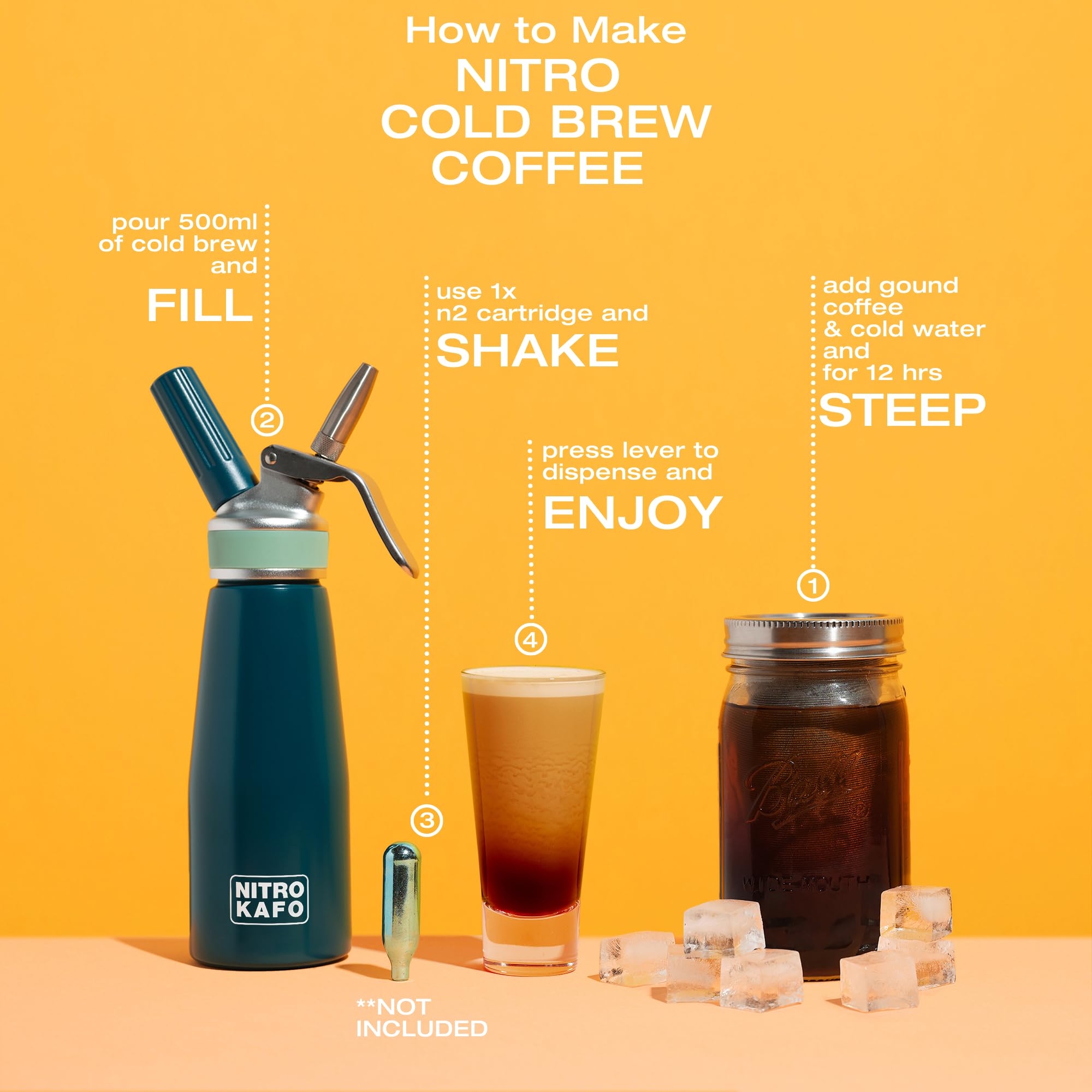
Using a whipped cream dispenser

A whipped cream dispenser can make one or two servings. Use only a dispenser that is approved for beverages and follow the manufacturer’s instructions.

Add chilled cold brew to the dispenser, leaving enough headspace. Charge it with the gas recommended for that dispenser, shake gently, and pour immediately.

Many whipped cream dispensers use nitrous oxide rather than nitrogen. The result can be creamy, but the flavor and foam will differ from café-style nitro coffee. Do not use compressed air, oxygen, or an unknown gas.

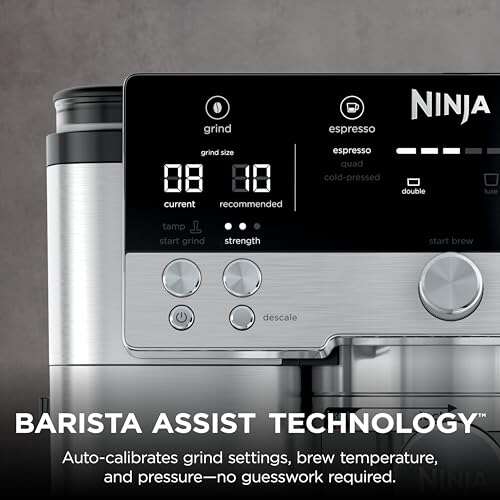
Using a nitrogen coffee maker

Some countertop appliances are made specifically for nitro coffee. These devices may use nitrogen capsules or a built-in pressure system.

They are useful for people who want small servings and simple cleanup. Before buying one, check:

• Whether it uses nitrogen or nitrous oxide

• The cost and availability of replacement cartridges
• The size of each batch

• Whether the parts are dishwasher-safe

• Whether the manufacturer provides pressure and safety guidance

The jar-and-shake shortcut

Pouring cold brew into a sealed jar and shaking it may create temporary foam, but it does not truly infuse the coffee with nitrogen. It can make the drink look creamy for a moment, but the effect fades quickly.

This shortcut is fine for experimenting with texture. It is not a true answer to how to make nitro coffee.

How to Pour Nitro Coffee Correctly
Source: youtube.com

How to Pour Nitro Coffee Correctly

The pour affects both the appearance and the taste. A poor pour can create a glass full of foam or make the drink look flat.

Use these steps:

  1. Chill a clean pint glass.

  2. Hold the glass at a 45-degree angle.

  3. Open the stout faucet all the way.

  4. Pour slowly along the inside wall of the glass.

  5. Move the glass upright as the liquid rises.

  6. Stop when the foam reaches the top.

A proper pour may show a gentle cascade. The darker coffee sinks while the pale foam rises. This effect often settles within a minute or two.

If the pour creates too much foam, check the temperature first. Warm coffee is one of the most common causes. Dirty faucet parts, excessive pressure, and a short or narrow beverage line can also cause foaming.

If the pour looks flat, the coffee may be too warm, the nitrogen pressure may be too low, or the system may not have had enough time to infuse.

How to Improve Nitro Coffee Flavor
Source: melscoffeetravels.com

How to Improve Nitro Coffee Flavor

Nitrogen changes texture, but the coffee base still determines most of the flavor. Small adjustments can make a large difference.

Choose the right coffee beans

Medium and dark roasts often give nitro coffee notes of chocolate, caramel, nuts, and toasted grain. These flavors pair well with the smooth nitrogen texture.

Light roasts can work when brewed carefully. They may produce citrus, berry, or floral notes. If the result tastes sour, try a longer steep or a slightly different coffee-to-water ratio.

Use filtered water

Water makes up most of the drink. Highly chlorinated or mineral-heavy water can cover the coffee’s natural flavor.

Filtered water usually gives a cleaner result. Avoid distilled water as your only choice because it can make coffee taste flat or dull.

Dilute carefully

Cold brew concentrate may be too strong to drink straight. Add filtered water in small amounts until the flavor is balanced.

A common starting point is one part concentrate to one part water. Some coffees need less dilution, while others taste better at a two-to-one ratio.

Add flavor after pouring

You can serve nitro coffee plain or add a small amount of:

• Vanilla syrup

• Maple syrup

• Cinnamon

• Chocolate syrup

• Oat milk

• Sweet cream

Add sweeteners sparingly. Nitro coffee already tastes sweeter because of its creamy texture, even when no sugar is present.

Common Nitro Coffee Mistakes

Many problems come from a few simple errors. Fixing the process is often better than buying new equipment.

Using warm coffee

Warm coffee does not absorb nitrogen well. It also creates excessive foam during pouring.

Chill the cold brew before it enters the keg. Keep the keg refrigerated whenever possible.

Using the wrong gas

Nitrogen, nitrous oxide, carbon dioxide, and oxygen are not interchangeable. Use food-grade nitrogen for traditional nitro coffee, and use only equipment approved for that gas.

Never use oxygen in a pressurized coffee system. Oxygen can create serious fire and safety risks.

Overfilling the keg

A completely full keg has little room for gas to mix with the liquid. It may also make pressure control difficult.

Leave the headspace recommended by the keg manufacturer.

Shaking too hard

Aggressive shaking may force too much foam into the coffee. It can also make the first pours messy.

Use gentle movement or allow the coffee to infuse slowly under pressure.

Neglecting sanitation

Old coffee residue can build up in tubing and faucets. This affects flavor and can create a food safety concern.

Rinse the system after each use and clean all beverage-contact parts on a regular schedule.

Storing nitro coffee too long

Cold brew quality declines over time, especially after filtering and handling. Keep it refrigerated and use a clean, sealed system.

When in doubt, discard coffee that smells sour, fermented, or unusual. Do not taste questionable coffee to decide whether it is safe.

How Long Does Homemade Nitro Coffee Last?

Homemade nitro coffee should remain refrigerated. Its useful life depends on the cleanliness of the brew, storage temperature, oxygen exposure, and handling.

For the best flavor, drink a batch within several days. Some carefully prepared cold brew may last longer, but quality and safety are not guaranteed by one fixed time for every recipe.

Use a clean container and label the date you brewed it. Keep the coffee at 40°F or below, and avoid leaving it at room temperature for long periods.

A sealed keg can protect the coffee from air better than an open pitcher. However, a keg does not make poor sanitation safe. Clean brewing and dispensing practices still matter.

Is Nitro Coffee Stronger Than Regular Coffee?

Nitro coffee is not automatically stronger than regular coffee. Its caffeine level depends on the amount and type of coffee used, the brewing ratio, and the serving size.

Cold brew concentrate often contains more coffee per ounce than standard brewed coffee. If you drink it undiluted, the caffeine can be high.

Nitrogen changes the texture and aroma, not the caffeine content. If you are sensitive to caffeine, use a lighter concentrate, dilute the drink, or choose decaffeinated beans.

The perceived sweetness of nitro coffee can also be misleading. A smooth taste does not mean the drink contains less caffeine or fewer calories.

Benefits and Limitations of Nitro Coffee

Nitro coffee has several appealing qualities, but it is not perfect for every drinker.

Benefits

• The creamy texture can reduce the need for milk.

• Nitrogen can make coffee taste smoother and less sharp.

• Cold brew is convenient for busy mornings.

• A keg system can serve many drinks quickly.

• The presentation adds a café-style experience at home.

Limitations

• Keg equipment can cost more than standard cold brew tools.

• Nitrogen cartridges and cleaning supplies add ongoing expense.

• The system needs refrigerator space.

• Poor sanitation can affect quality and safety.

• Homemade nitro coffee may contain a large amount of caffeine.

• Nitro foam does not last forever after pouring.

The best setup depends on how often you drink it. A dispenser may suit occasional use, while a keg is better for people who make several servings each week.

Frequently Asked Questions About How to Make Nitro Coffee

Can I make nitro coffee with regular iced coffee?

You can, but cold brew usually works better because it has a fuller body and lower acidity. Chill the coffee completely before adding nitrogen, and avoid using a weak or watery brew.

What gas do I use to make nitro coffee?

Use food-grade nitrogen, often labeled N₂. Do not substitute oxygen or carbon dioxide, and remember that nitrous oxide creates a different drink from traditional nitro coffee.

Do I need a special faucet for nitro coffee?

A stout faucet is strongly recommended because its restrictor plate creates fine bubbles and a stable foam head. A regular faucet can dispense the drink but may not produce the classic nitro texture.

How long should cold brew steep for nitro coffee?

A steep time of 12 to 16 hours is a useful starting range. Adjust the time based on grind size, roast level, water temperature, and taste.

Why is my nitro coffee too foamy?

The coffee may be too warm, the pressure may be too high, or the faucet and lines may be dirty. Chill the keg, lower the pressure according to the equipment instructions, and clean the dispensing system.

Can I make nitro coffee without a keg?

Yes, you can use a beverage-safe whipped cream dispenser or a countertop nitro coffee maker. These methods are convenient but may create a shorter-lasting foam and a different texture.

Does nitro coffee have more caffeine?

Nitro coffee does not inherently contain more caffeine than other coffee. However, cold brew concentrate and large servings can contain more caffeine than a typical cup of brewed coffee.

Conclusion

The best way to make nitro coffee is to start with balanced cold brew, chill it well, use food-grade nitrogen, and pour it through a stout faucet. Clean equipment and steady pressure matter just as much as the beans.

Begin with a small batch and a simple ratio. Keep notes on steep time, dilution, temperature, and pressure so you can adjust the recipe with confidence. Once you learn how your coffee and equipment behave, making smooth, creamy nitro coffee becomes a simple routine.

Try the method this week, taste the result, and refine one variable at a time. Share your favorite beans, brewing ratio, or serving style in the comments, and keep exploring better ways to enjoy coffee at home.

Similar Posts

Leave a Reply

Your email address will not be published. Required fields are marked *