How To Clean My Cuisinart Coffee Maker: Easy Guide
Clean your Cuisinart coffee maker by washing removable parts, descaling the water system, and rinsing it well.
Learning how to clean my Cuisinart coffee maker is simple once you separate daily care from deep cleaning. I have found that a few small habits, such as emptying the filter basket after each brew and removing mineral scale on schedule, keep coffee tasting fresh and help the machine work better. This guide explains the safest method for most Cuisinart drip coffee makers, plus model-specific tips, common mistakes, and easy cleaning schedules.

Why you should clean your Cuisinart coffee maker
Coffee leaves behind oils, fine grounds, and residue. Hard water also creates mineral scale inside the heating system. Over time, that buildup can slow brewing, change the coffee’s flavor, and cause the machine to beep or stop before the carafe is full.
A dirty coffee maker may also hold old water in its reservoir or spray head. Warm, damp areas are not ideal for cleanliness, so regular care matters even when the machine looks fine from the outside.
Cleaning your Cuisinart coffee maker helps:
• Improve the taste and smell of brewed coffee
• Reduce bitter or stale flavors caused by old coffee oils
• Remove mineral deposits from the water path
• Improve brewing speed and water flow
• Keep the warming plate from collecting sticky residue
• Extend the useful life of the coffee maker
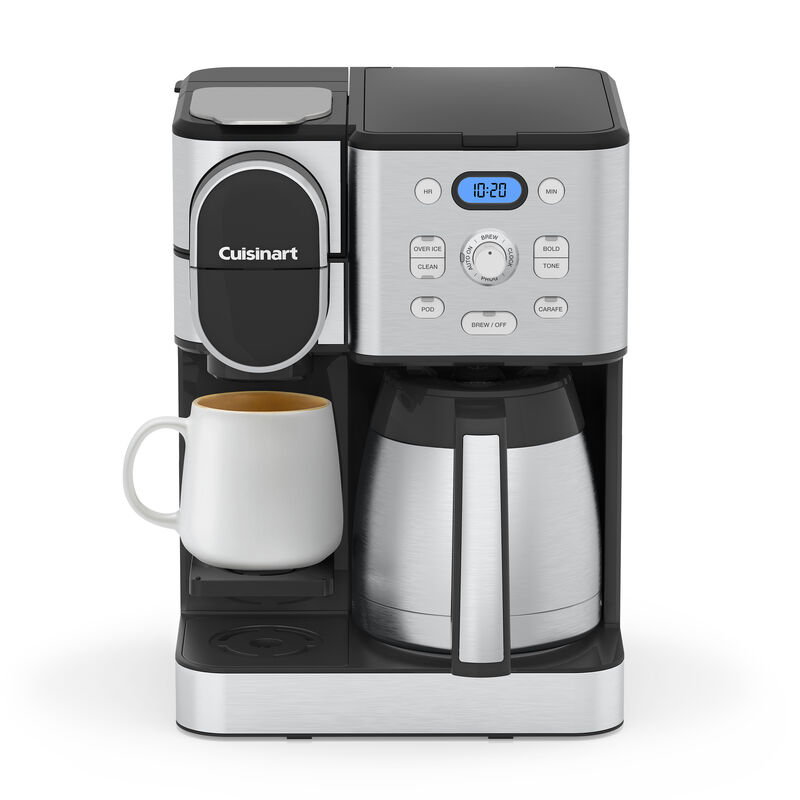
The exact design varies between Cuisinart models. A basic 12-cup brewer, a programmable model, and a grind-and-brew machine may have different removable parts. Always check your model’s manual before removing any part that does not come out easily.
What you need to clean a Cuisinart coffee maker
You do not need special tools for routine cleaning. Gather these items before you begin:
• Warm water
• Mild dish soap
• A soft sponge or microfiber cloth
• A soft bottle brush or small cleaning brush
• White vinegar or a manufacturer-approved coffee maker descaler
• A clean, dry towel
• Fresh, filtered water for rinsing
Avoid abrasive pads, bleach, harsh bathroom cleaners, and steel wool. These products can scratch the carafe, damage finishes, or leave unsafe residue inside the machine.
For models with a charcoal water filter, keep a replacement filter nearby. A charcoal filter does not remove all mineral scale, so it cannot replace descaling.

How to clean my Cuisinart coffee maker after every use
Daily cleaning takes only a few minutes. It prevents old coffee from drying onto the parts and keeps the next pot tasting clean.
- Turn off and unplug the coffee maker
Let the machine cool before you clean it. Unplugging it also protects you from accidental heating while your hands are near the warming plate or water reservoir.
- Empty the filter basket
Throw away the paper filter and used grounds. Do not leave wet grounds in the basket overnight. They can grow mold and create a sour smell.
If you use a permanent gold-tone filter, empty it into the trash or compost. Avoid rinsing coffee grounds down the sink because they can collect in the drain.
- Rinse the carafe
Rinse the glass or thermal carafe with warm water. If coffee has dried inside, add warm water and a small amount of dish soap. Let it sit for several minutes, then wash it with a soft sponge.
Do not use very hot water in a cold glass carafe. A sudden temperature change can crack the glass.
- Wipe the warming plate
Use a damp cloth to remove coffee drops and sticky marks. For stubborn stains, place a little mild dish soap on the cloth, then wipe the plate again with clean water.
Never pour water directly onto the warming plate or control panel.
- Leave parts open to dry
Keep the filter basket, lid, and carafe open or upside down until dry. Closing damp parts traps moisture and can create an unpleasant odor.
These steps are the foundation of how to clean my Cuisinart coffee maker. They also make deep cleaning faster because residue does not have time to harden.
How to clean my Cuisinart coffee maker with vinegar
Vinegar can help dissolve mineral scale in many drip coffee makers. However, some Cuisinart manuals recommend a commercial descaling solution instead. Check your model instructions first, especially if your machine has a built-in cleaning program, hot water system, or specialty brewing feature.
Use plain white vinegar, not apple cider vinegar or flavored vinegar.
- Empty the coffee maker
Remove the paper filter, used grounds, and charcoal water filter. The charcoal filter should not stay in place during descaling because vinegar can affect its performance.
- Mix the cleaning solution
For a standard drip model, use a mixture of one part white vinegar and two parts water. Some manuals allow a stronger mixture, while others recommend a ready-made descaler.
Do not assume every Cuisinart model uses the same ratio. The manual for your exact model is the best guide.
- Fill the water reservoir
Pour the solution into the reservoir. Do not exceed the maximum fill line.
- Start the cleaning cycle
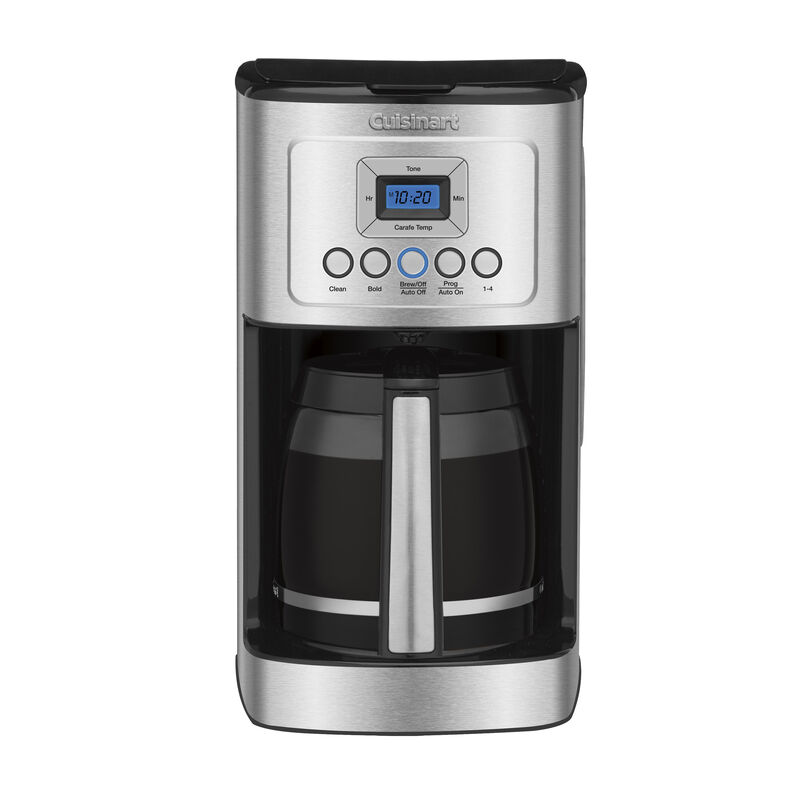
If your coffee maker has a Clean button or self-clean setting, press it. The process may take longer than a normal brew cycle because the machine pauses to dissolve scale.
If there is no cleaning setting, run the machine as if you were brewing a pot. Stop the cycle halfway if possible and let the solution sit for about 30 minutes. Then finish the cycle.
- Discard the solution
Pour the used vinegar solution down the drain. Do not drink it or use it for another purpose.
- Rinse with fresh water
Fill the reservoir with clean water and run a complete cycle. Repeat this step two or three times. Vinegar has a strong smell, and one rinse may not remove all of it.
Taste a small amount of water from the final rinse. If it smells or tastes like vinegar, run another fresh-water cycle.
When people ask how to clean my Cuisinart coffee maker, vinegar is often the first method they hear about. It can work well, but a manufacturer-approved descaler may be a better choice for heavy scale or for models that warn against vinegar.

How to descale a Cuisinart coffee maker
Descaling is different from ordinary washing. Washing removes coffee oils and dirt from visible parts. Descaling removes calcium and other mineral deposits from the internal water path.
You may need to descale when:
• The coffee maker brews more slowly than usual
• The machine makes loud popping or humming sounds
• The coffee tastes metallic or bitter
• The water flow becomes weak
• The Clean light turns on
• The machine stops before completing a full pot
• White flakes appear in the water or carafe
People who use hard tap water may need to descale more often. A household that brews one pot a day may descale every one to three months. With filtered or soft water, every three to six months may be enough.
These time frames are general. The Clean indicator and your Cuisinart manual should take priority.
To descale with a commercial product, follow the product label and the coffee maker instructions. Some descalers use lactic acid or citric acid. These products are designed for coffee equipment and may leave less odor than vinegar.
Do not mix vinegar with another cleaning product. Never combine vinegar with bleach or ammonia.
How to clean the removable parts
Removable parts need gentle cleaning because many are made from plastic or glass. Wash them by hand unless your manual clearly says they are dishwasher safe.
Remove and clean these parts when the design allows:
• Filter basket
• Permanent coffee filter
• Carafe lid
• Water reservoir lid
• Charcoal water filter holder
• Brew-through lid components
Place the parts in warm, soapy water. Use a soft sponge or small brush to clean around the basket openings and the underside of the lid. Coffee oils often collect in narrow grooves where a sponge cannot reach.
Rinse every part well. Soap left in the filter basket can give coffee a strange taste.
Some Cuisinart carafes have a small valve or spring in the lid. Press it gently under running water to clear trapped coffee residue. Do not force the valve or take apart a sealed lid unless the instructions permit it.
For a thermal carafe, avoid soaking the entire unit if the manufacturer warns against it. Water can enter areas around the vacuum seal. Clean the inside with warm, soapy water and rinse it thoroughly.

How to clean the water reservoir and spray head
The water reservoir can collect dust, mineral film, and stale water. Empty it after each day of use when possible. Wipe the inside with a soft cloth and mild soapy water, then rinse it several times.
Never use soap inside the machine without rinsing it very well. Soap residue can travel into the brew path and affect the flavor.
The spray head is the small part that distributes water over the coffee grounds. If it has visible scale or blocked holes, unplug the machine and let it cool. Wipe the area with a damp cloth or use a soft brush.
Do not push pins, needles, or metal tools into the spray holes. You could damage the part or push debris deeper into the machine.
If the spray head is removable, clean it according to the manual. If it is fixed in place, do not try to pry it out.
This is an important part of how to clean my Cuisinart coffee maker because poor water distribution can lead to weak coffee on one side of the basket and over-extracted coffee on the other.

How to replace the charcoal water filter
Many Cuisinart coffee makers use a charcoal water filter to reduce odors and some impurities in brewing water. The filter does not last forever.
A common replacement schedule is every 60 days or after about 60 uses. Replace it sooner if you brew often, use hard water, or notice an odd taste.
To replace it:
-
Soak the new charcoal filter in cold water for about 15 minutes.
-
Rinse it under running water.
-
Open the filter holder.
-
Remove and discard the old filter.