How To Use Stoneware Baking Bowl: Easy Guide
Use a stoneware baking bowl with gentle heat, proper preheating, and careful handling to bake evenly and safely.
Learning how to use stoneware baking bowl cookware can improve bread, casseroles, cobblers, and many everyday meals. I have found that stoneware rewards patience: it warms slowly, holds heat well, and creates a steady baking environment. This guide explains the best methods, common mistakes, cleaning steps, and practical tips for reliable results.

What Is a Stoneware Baking Bowl?
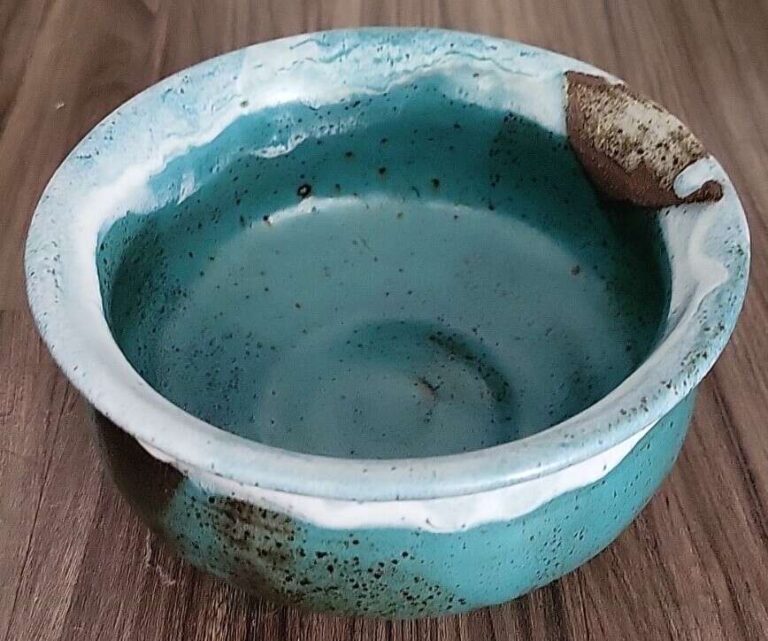
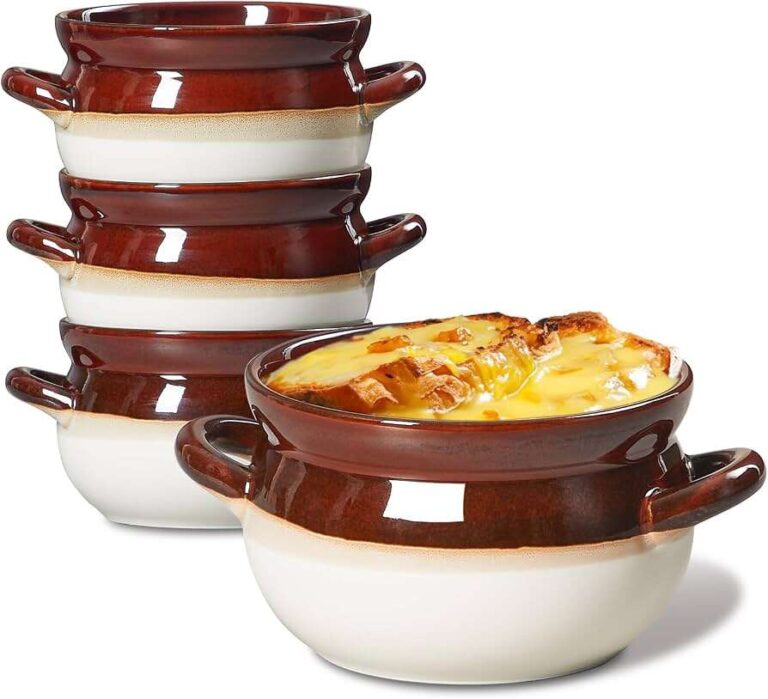
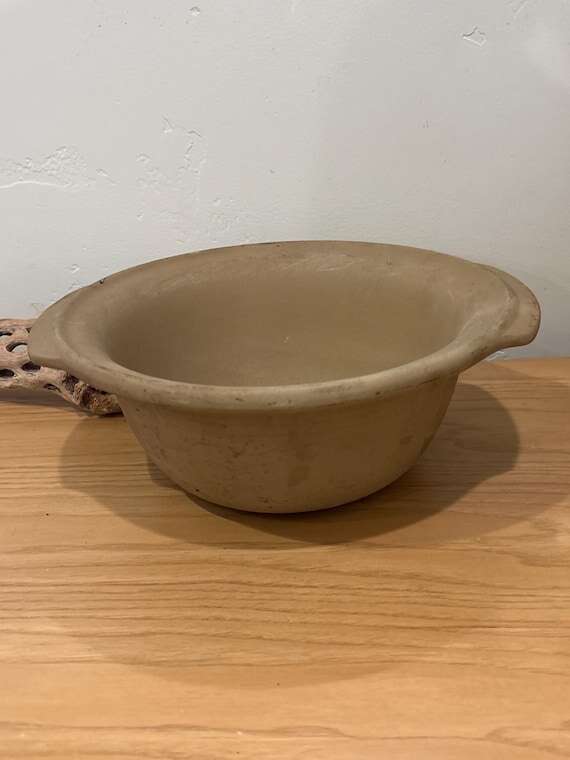
A stoneware baking bowl is a baking dish made from fired clay. It is usually glazed on the inside and may have thick walls that help hold heat. Unlike thin metal pans, stoneware heats slowly and stays warm for a long time.
This gentle heat makes stoneware useful for:
• Bread and rolls
• Baked pasta
• Casseroles
• Fruit crisps and cobblers
• Roasted vegetables
• Meatloaf
• Soufflés and baked dips
• Mixing, rising, and serving in some designs
Many stoneware bowls are oven-safe, but not all are made for high heat. Always check the care guide that came with your bowl. The maker’s instructions matter because clay type, glaze, thickness, and handles can vary.
A stoneware baking bowl is not the same as a decorative ceramic bowl. Some ceramic pieces are made only for serving. Using them in the oven can cause cracks or breakage.

How to Use Stoneware Baking Bowl for the First Time
Before cooking, inspect the bowl for cracks, chips, or damage. A small flaw can become worse when the bowl is exposed to heat.
Follow these steps:
- Read the manufacturer’s instructions. Confirm that the bowl is oven-safe and learn its maximum temperature.
- Wash the bowl with warm water and mild dish soap.
- Dry it fully before placing it in the oven.
- Prepare the food as directed by the recipe.
- Place the bowl in a cool oven unless the instructions say otherwise.
- Set the oven temperature and let the bowl heat gradually.
- Use dry oven mitts when removing the hot bowl.
- Place the bowl on a dry, heat-safe trivet or folded towel.
This gradual method is one of the most important parts of how to use stoneware baking bowl cookware. Stoneware can crack when it moves quickly from cold to hot or hot to cold. This sudden change is called thermal shock.
Do not pour cold water into a hot stoneware bowl. Do not place a hot bowl on a wet counter, cold stone surface, or metal sink. Let it cool naturally first.

Should You Preheat the Oven With Stoneware?
In most cases, place stoneware in a cold oven and allow both the oven and bowl to heat together. This reduces the risk of thermal shock and is the safest general method.
Some brands allow preheating the bowl with the oven. Others warn against placing stoneware in a fully heated oven. Because instructions differ, check the product guide before changing your method.
For bread, a cold start can still produce good results. The bowl warms as the dough bakes, and its thick walls help maintain steady heat. For casseroles and desserts, the same method helps protect the dish from sudden temperature changes.
If your recipe calls for a very hot oven, confirm the bowl’s temperature limit. Never assume that every stoneware bowl can handle 500°F. Some pieces are safe at high temperatures, while others are not.
A simple temperature rule
Use these habits unless the maker gives different instructions:
• Start with a cool bowl
• Avoid sudden temperature changes
• Do not use a damaged bowl
• Keep the oven temperature within the stated limit
• Allow the bowl to cool before washing
These steps explain how to use stoneware baking bowl cookware without placing unnecessary stress on the material.
How to Bake Bread in a Stoneware Bowl
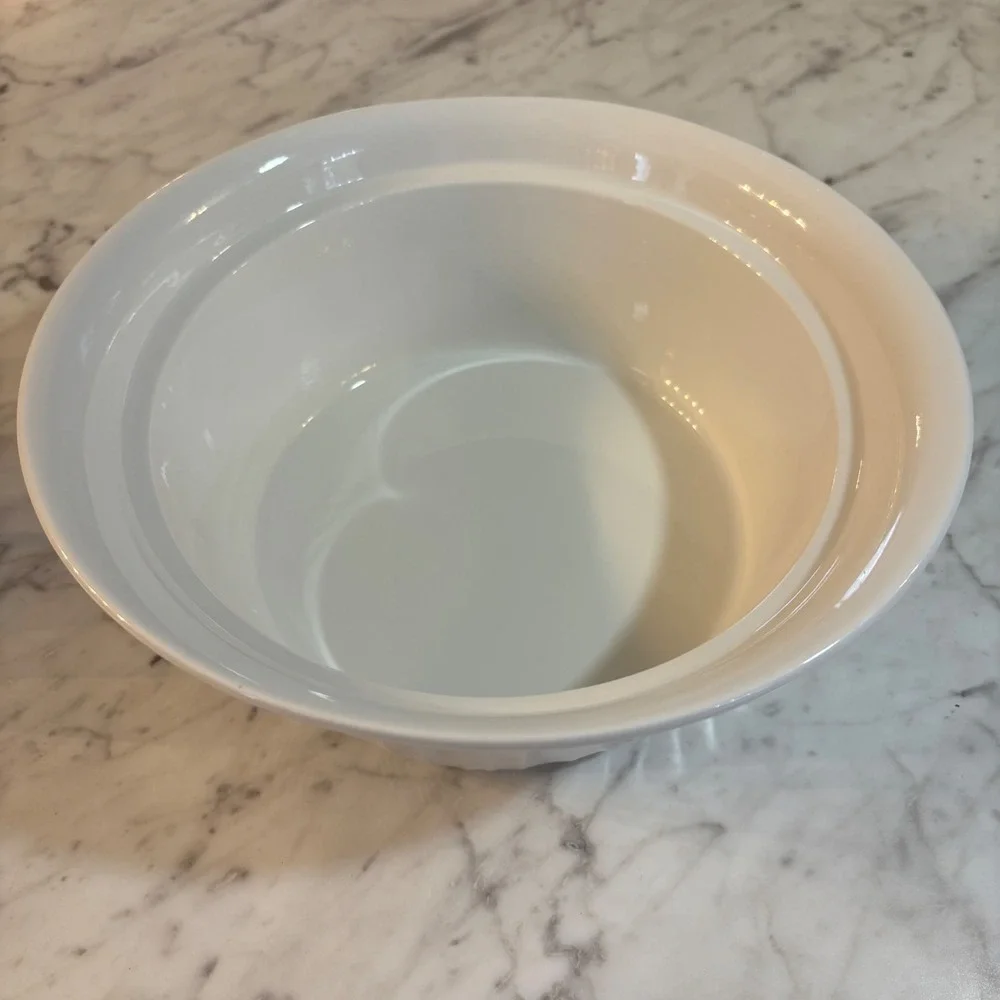
A stoneware baking bowl can work well for no-knead bread, dinner rolls, soda bread, and other round loaves. Its shape can help support dough as it rises, while the thick walls provide steady heat during baking.
Start by checking whether the bowl is large enough for the dough. Dough can expand two or three times during proofing. Leave enough room for the dough to rise without touching the rim.
Use this basic process:
- Mix and knead or stir the dough according to your recipe.
- Place the dough in a lightly greased stoneware bowl if needed.
- Cover it with a clean towel or food-safe cover.
- Let the dough rise in a warm, draft-free place.
- Remove the cover before baking.
- Put the bowl in a cool oven if the manufacturer recommends a cold start.
- Bake until the crust is firm and the center reaches the recipe’s target temperature.
- Cool the bread before slicing.
Do not use a stoneware bowl on a burner or grill unless it is specifically designed for that purpose. Direct flame creates uneven heat and can damage the bowl.
In my own kitchen, my first mistake was filling the bowl too high with dough. The loaf rose over the rim and stuck to the upper edge. Now I use the bowl’s size as a guide and keep the dough below the halfway point before the final rise.

How to Use Stoneware Baking Bowl for Casseroles
Stoneware is excellent for meals that benefit from steady, even heat. Baked pasta, enchiladas, macaroni and cheese, chicken casseroles, and layered vegetables are common choices.
For the best results:
• Spread food in an even layer
• Avoid placing frozen food in a cold stoneware dish unless the instructions allow it
• Use enough liquid for recipes that may dry out
• Do not overfill the bowl
• Place the bowl on the center oven rack
• Allow extra time if the bowl is thick and the recipe was written for metal cookware
Stoneware may brown food differently from aluminum or stainless steel. It often produces a softer, more gradual browning pattern. If the top needs more color, you can add a short period of uncovered baking, but watch the food closely.
When adapting a metal-pan recipe, begin checking the food at the recipe’s suggested time. Stoneware does not always require a longer bake, but the center may heat more slowly. A food thermometer helps with meat, poultry, and dense dishes.
For poultry and meat, follow established food safety temperatures. The center, not the edge of the dish, should reach a safe temperature.
How to Grease and Prepare Stoneware
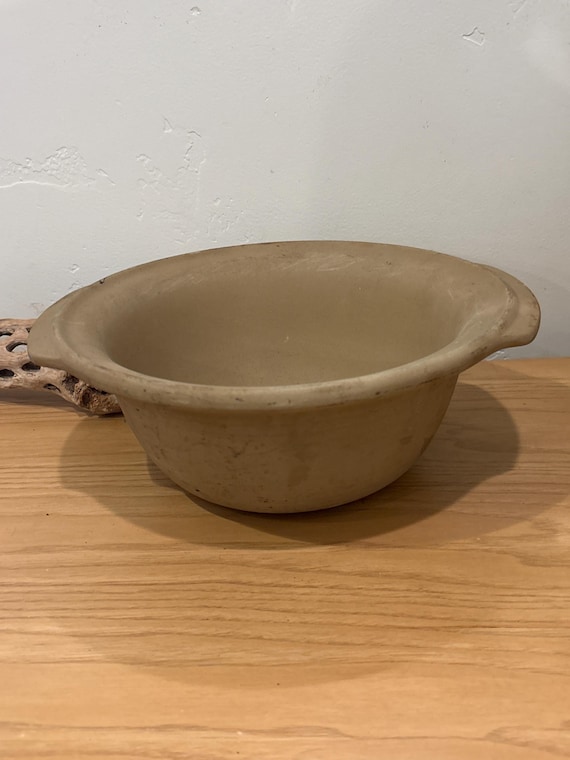
Whether you need to grease a stoneware baking bowl depends on the glaze, recipe, and food. A glazed bowl may release some foods easily, but sticky mixtures can still cling to the surface.
Use one of these options:
• Brush the bowl lightly with butter or cooking oil
• Coat it with a thin layer of shortening
• Dust a greased surface with flour for cakes or quick bread
• Use parchment when a recipe calls for easy release
• Follow the recipe when baking delicate dough or custard
Avoid heavy layers of oil. Extra oil can collect in the pores or leave a sticky film, especially on unglazed areas. A thin, even coating is usually enough.
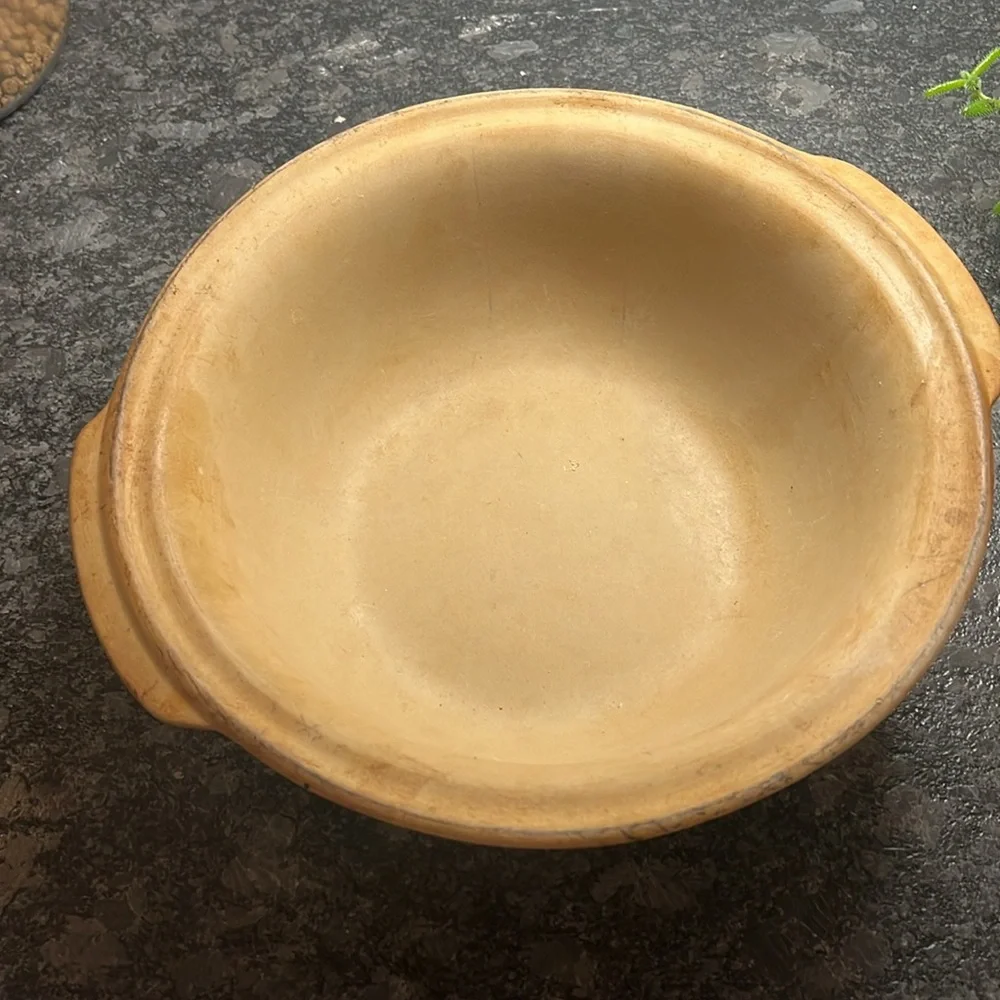
Some stoneware develops a darker surface over time. This change is often normal and comes from repeated baking. It does not always mean the bowl is dirty. However, remove thick food buildup and inspect the bowl for damage.
Do not season glazed stoneware like cast iron unless the manufacturer specifically recommends it. The two materials have different care needs.

How to Clean a Stoneware Baking Bowl
Cleaning is a key part of how to use stoneware baking bowl cookware for many years. Always let the bowl cool before washing it. A hot bowl under cold water can crack from thermal shock.
Use this cleaning method:
- Scrape away leftover food with a soft spatula.
- Soak the cool bowl in warm water if food is stuck.
- Use a soft sponge or nylon brush.
- Add a small amount of mild dish soap if the care guide permits it.
- Rinse well.
- Dry the bowl completely before storing it.
Avoid steel wool, harsh scouring powders, and sharp metal tools. These can scratch glazed surfaces and weaken the finish.
For baked-on food, make a paste with baking soda and a little water. Apply it to the area, let it sit, and scrub gently. Do not use this method as a substitute for the manufacturer’s care instructions.
Dishwasher use depends on the bowl. Some stoneware is dishwasher-safe, while others may become chipped or discolored. Hand washing is the safer choice when the care label is unclear.
Common Mistakes to Avoid
Understanding how to use stoneware baking bowl cookware also means knowing what not to do. Most problems come from sudden temperature changes, direct heat, or rough cleaning.
Avoid these mistakes:
• Placing a cold bowl into a very hot oven without checking the instructions
• Moving a hot bowl directly onto a cold countertop
• Pouring cold liquid into hot stoneware
• Using the bowl on a stovetop burner
• Broiling unless the bowl is clearly rated for broiling
• Cutting food with a knife inside the bowl
• Stacking damp bowls together
• Using a chipped or cracked piece
• Filling the bowl beyond its safe capacity
• Assuming decorative pottery is oven-safe
A crack may be hard to see at first. Run your eyes over the rim, base, and inner surface before each use. If you see a crack, stop using the bowl for baking.
Also remember that stoneware stays hot longer than many metal pans. Use oven mitts even after the bowl has been out of the oven for several minutes. Warn family members before placing it on a shared counter or dining table.

How to Adjust Recipes for Stoneware
Recipes written for metal pans may need small changes when you use stoneware. The correct adjustment depends on the recipe, bowl shape, oven, and food volume.
Use these practical tips:
• Keep the oven temperature the same at first
• Check the food at the recipe’s stated time
• Add a few minutes only if the center needs more cooking
• Avoid filling the bowl too deeply
• Use a thermometer for meat and dense baked foods
• Watch the edges for signs of overbaking
• Let cakes and breads rest before turning them out
A deep stoneware bowl may cook more slowly in the center than a shallow pan. A wide, shallow bowl may cook faster because more food touches the heated surface.
For cakes, insert a toothpick into the center. It should come out clean or with a few moist crumbs, depending on the recipe. For bread, tap the bottom if the recipe recommends it, or check the internal temperature with an instant-read thermometer.
Keep notes the first time you adapt a recipe. Record the oven temperature, baking time, bowl size, and result. This simple habit helps you create a reliable method for your own kitchen.
Benefits and Limitations of Stoneware Baking Bowls
Stoneware has several useful qualities, but it is not the best choice for every task.
Benefits
• Holds heat well
• Provides gentle, steady baking
• Works well for serving food at the table
• Can create even results in casseroles and baked desserts
• Often looks attractive enough for family meals
• May reduce the need to transfer food between dishes
Limitations
• Heats more slowly than thin metal
• Can be heavy to lift when full
• May crack from thermal shock
• Can stain or darken with repeated use
• May not work under a broiler or on a burner
• Usually needs more careful handling than metal cookware
Stoneware is like a slow, steady runner. It may not respond as quickly as metal, but it maintains heat with patience. That makes it useful for foods that need stable cooking rather than sudden high heat.
If you need fast browning, quick temperature changes, or direct stovetop cooking, a metal pan may be a better choice.
Storage and Long-Term Care
Store the bowl in a dry place where it will not fall or rub against other dishes. If you stack stoneware, place a soft cloth, paper towel, or manufacturer-approved separator between pieces.
Do not store the bowl while it is damp. Moisture trapped in tiny surface areas can create odors and may contribute to damage over time.
Inspect the bowl every few months. Look for:
• Hairline cracks
• Chipped rims
• Flaking glaze
• Rough spots
• Loose handles
• Unusual sounds after heating
Stop using the bowl if you notice structural damage. Decorative wear may be harmless, but cracks and flaking surfaces are different. When in doubt, contact the manufacturer.
A well-cared-for stoneware bowl can become a dependable part of your kitchen. Many cooks use the same piece for years because it works as both cookware and serving ware.
Frequently Asked Questions About How to Use Stoneware Baking Bowl
Can you put a stoneware baking bowl in a preheated oven?
Only if the manufacturer says it is safe. Many stoneware bowls should begin in a cool oven to reduce thermal shock, so check the care instructions before placing one in a preheated oven.