How Many Cups In A Small Bowl: Easy Kitchen Guide
A small bowl usually holds 1 to 2 cups, but its exact capacity depends on its shape, depth, and size.
Knowing how many cups in a small bowl helps with meal prep, portion control, baking, and serving food. In most American kitchens, a small cereal, soup, or side-dish bowl holds about 1½ cups, while a very small dessert bowl may hold closer to 1 cup. The most reliable answer comes from measuring the bowl itself.
How Many Cups Are in a Small Bowl?
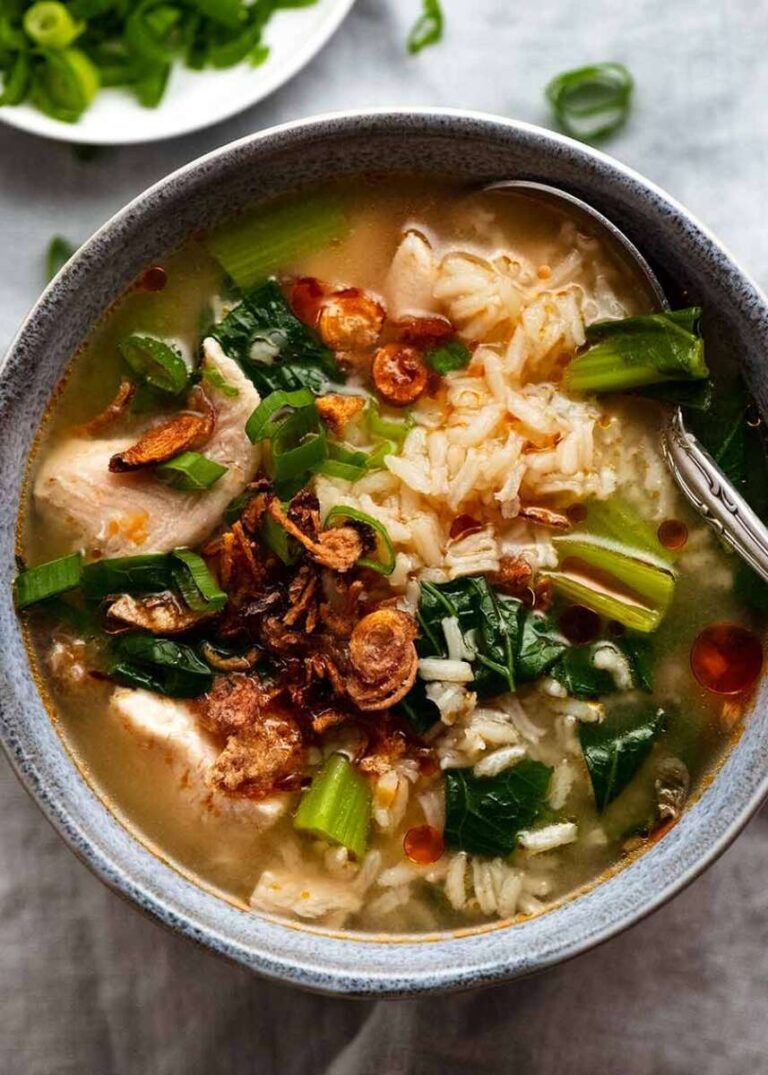
A typical small bowl holds between 1 and 2 cups of liquid or food. For many everyday bowls, 1½ cups is a useful estimate.
However, “small bowl” is not a standard kitchen measurement. One brand may make a bowl that holds 12 fluid ounces, while another may hold 20 fluid ounces. That is why the answer to how many cups in a small bowl can change from one bowl to the next.
Here are common estimates:
• Very small bowl: About ¾ to 1 cup
• Small dessert bowl: About 1 to 1¼ cups
• Small cereal or soup bowl: About 1½ to 2 cups
• Small serving bowl: About 2 to 3 cups
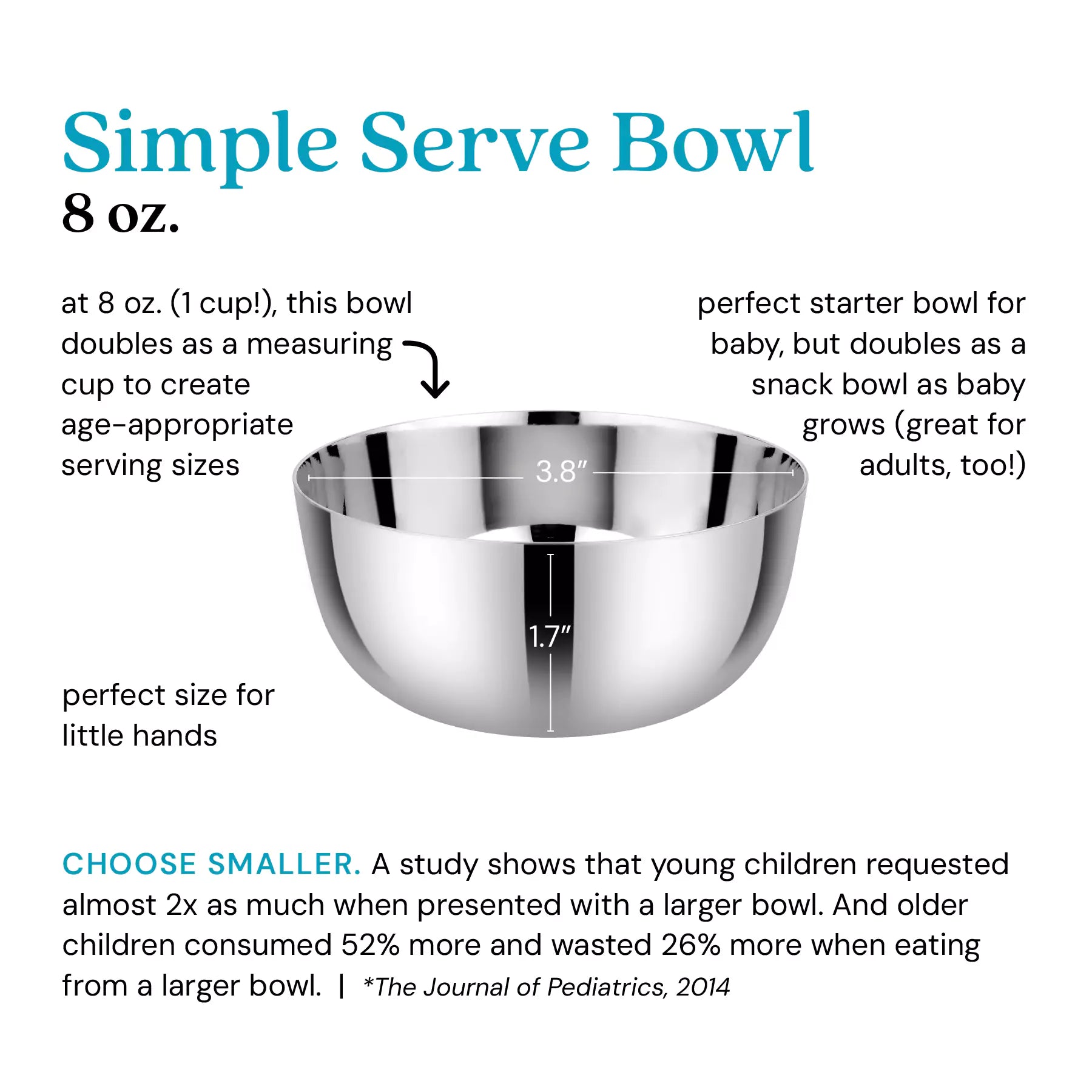
In the United States, 1 standard cup equals 8 fluid ounces. Therefore, a 12-ounce bowl holds 1½ cups, and a 16-ounce bowl holds 2 cups.

What Is Considered a Small Bowl?
A small bowl is often used for cereal, fruit, yogurt, soup, rice, snacks, sauces, or side dishes. It is usually smaller than a standard dinner bowl or a large mixing bowl.
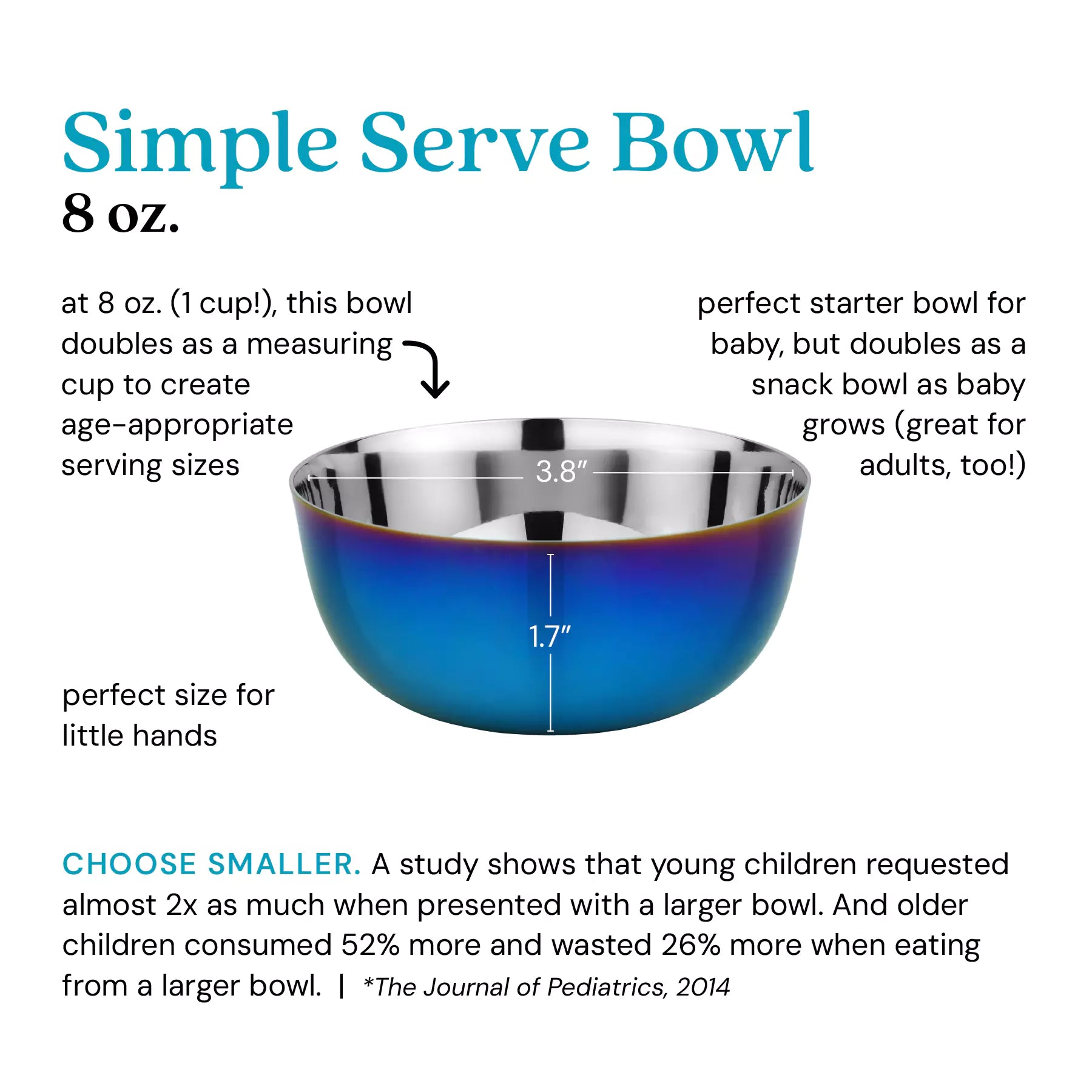
Size can refer to both the bowl’s physical dimensions and its usable capacity. A wide, shallow bowl may look large but hold less than a narrow, deep bowl. The rim may also add visual size without adding much space for food.
Typical small bowl measurements include:
• Diameter: 4 to 6 inches
• Height: 1½ to 3 inches
• Capacity: 1 to 2 cups
• Common uses: Snacks, oatmeal, fruit, soup, dips, and side dishes
When asking how many cups in a small bowl, it helps to describe the bowl’s use. A small sauce bowl is much smaller than a small cereal bowl, even though both may be called small.

How to Measure the Capacity of a Small Bowl
The best way to learn how many cups in a small bowl is to measure it with a standard measuring cup. This takes less than a minute and removes guesswork.
Follow these steps:
- Place the empty bowl on a flat surface.
- Fill a standard liquid measuring cup with water.
- Pour the water into the bowl.
- Count how many cups the bowl holds before the water reaches the rim.
- Stop slightly below the rim if you want to measure a practical serving level.
- Write the result on a label or note for future use.
Water works well because it is easy to pour and does not leave a strong flavor. Do not fill the bowl to the very top if you plan to use it for soup or cereal. Food can spill when the bowl is carried.
For a more exact result, measure in fluid ounces. Divide the number of ounces by 8 to find the number of US cups.
For example:
• 8 fluid ounces ÷ 8 = 1 cup
• 12 fluid ounces ÷ 8 = 1½ cups
• 16 fluid ounces ÷ 8 = 2 cups
• 20 fluid ounces ÷ 8 = 2½ cups

Small Bowl Capacity by Food Type
The number of cups in a small bowl may feel different depending on the food. Loose foods, liquids, and dense foods fill space in different ways.
Cereal
A small cereal bowl often holds 1½ to 2 cups of cereal and milk. A serving of dry cereal may be less than 1 cup, but milk increases the total volume.
Soup
A small soup bowl commonly holds 1 to 1½ cups. A standard soup serving is often around 1½ cups, although restaurant portions may be much larger.
Rice
A small bowl may hold about 1 to 1½ cups of cooked rice. Rice expands during cooking, so measure the cooked food if you need an accurate serving size.
Fruit
A small fruit bowl often holds 1 to 2 cups of chopped fruit. Whole fruit takes up more space because of its shape and air gaps.
Oatmeal
A small breakfast bowl usually holds 1 to 1½ cups of cooked oatmeal. Oatmeal thickens as it cools, so leave extra room when serving it hot.
Snacks
A small snack bowl may hold ½ to 1½ cups of popcorn, nuts, chips, or crackers. Dense foods such as nuts weigh more than airy foods such as popcorn, even when they fill the same volume.
Small Bowl Size Compared With Other Kitchen Measurements
Understanding common kitchen measurements makes it easier to estimate how many cups in a small bowl.
| Bowl or container | Approximate capacity |
|---|---|
| Small dipping bowl | ¼ to ½ cup |
| Small dessert bowl | ¾ to 1¼ cups |
| Small cereal bowl | 1½ to 2 cups |
| Medium soup bowl | 2 to 3 cups |
| Large serving bowl | 4 to 8 cups |
| Standard US measuring cup | 1 cup |
These are general ranges, not fixed rules. Decorative bowls, handmade pottery, and restaurant bowls may have unusual shapes. A bowl with thick sides may also hold less than it appears to hold.
The phrase “cup” can also cause confusion. A measuring cup measures volume, while a coffee cup, teacup, or mug may hold a different amount. For accurate cooking, use a standard US measuring cup rather than a drinking cup.

Why Bowl Shape Changes the Cup Estimate
Two bowls with the same width can hold very different amounts. Depth, slope, thickness, and the shape of the base all affect capacity.
A deep bowl with a narrow base can hold more than a wide, shallow bowl. A bowl with sharply curved sides may also have more usable space than one with thick, straight walls.
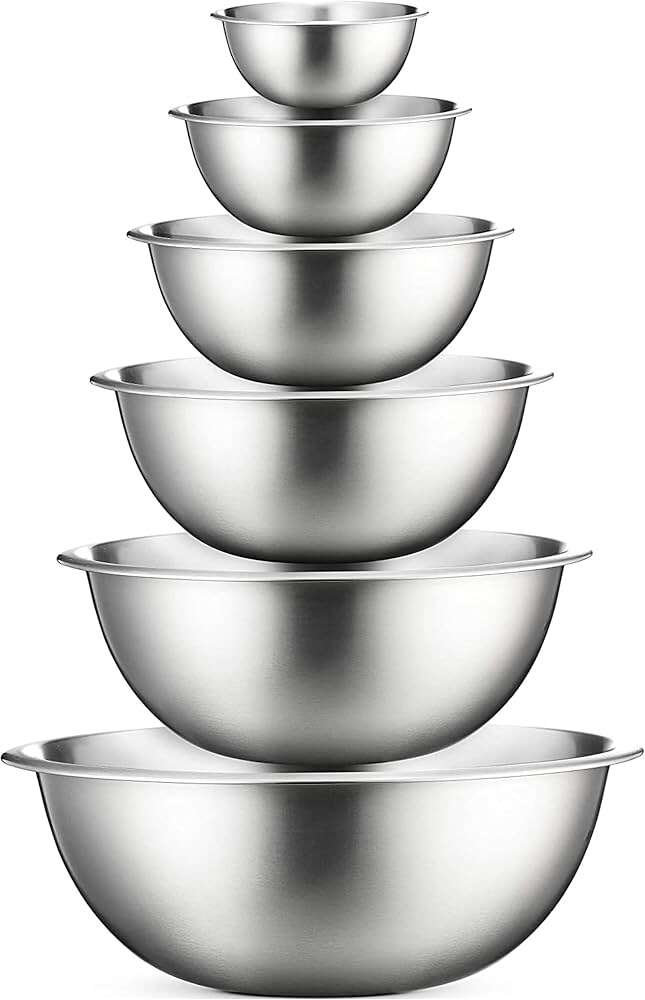
The inside shape matters most. When estimating how many cups in a small bowl, ignore the outside decoration and focus on the space inside the bowl.
A practical rule is:
• Shallow bowl: Often holds less than it looks
• Deep bowl: Often holds more than it looks
• Wide bowl with low sides: Usually holds about 1 cup
• Deep cereal bowl: Often holds 1½ to 2 cups
• Small bowl with a narrow base: May hold 1½ cups or more
This explains why visual estimates are not always reliable. A bowl can look small but still hold two full cups.

Measuring Food Portions in a Small Bowl
A small bowl can help with portion awareness, but it does not automatically represent one serving. Serving sizes depend on the food and the nutrition label.
For example, one serving of nuts may be much smaller by weight than one serving of leafy vegetables. A cup of spinach also weighs far less than a cup of cooked pasta.
Use these tips for better portion control:
• Check the serving size on the package.
• Use measuring cups for calorie-dense foods such as nuts, rice, pasta, and cereal.
• Weigh food when a recipe gives measurements in ounces or grams.
• Leave space at the top to prevent spills.
• Remember that a full bowl may contain more than one serving.
The Centers for Disease Control and Prevention and other nutrition authorities distinguish between serving size and portion size. A serving is the recommended amount listed for a food, while a portion is the amount you choose to eat.
For this reason, knowing how many cups in a small bowl is useful, but it is only one part of accurate meal planning.
Common Mistakes When Estimating Bowl Capacity
Many people estimate bowl capacity by looking at it. This can lead to large errors, especially with deep or decorative bowls.
Avoid these common mistakes:
• Assuming every small bowl holds exactly 1 cup
• Measuring from the outside instead of the inside
• Filling the bowl over the rim
• Confusing a drinking cup with a measuring cup
• Ignoring the difference between dry and liquid ingredients
• Treating one bowl as a standard serving size
• Forgetting that cooked foods may expand
One mistake I often see in kitchen testing is measuring a bowl only once with a dry ingredient. Dry foods can settle unevenly and leave air gaps. Water gives a clearer capacity measurement, so measure the empty bowl with water first.
Another useful lesson is to test the bowl at its normal fill level. A bowl may technically hold 2 cups, but it may be more comfortable and safer to serve only 1½ cups.

How Many Cups in a Small Bowl for Recipes?
Recipes usually measure ingredients in cups, tablespoons, grams, or ounces. A bowl is only a container, so it should not replace a measuring tool when accuracy matters.
For casual foods such as salad, popcorn, or fruit, an estimated small bowl may be fine. For baking, sauces, bread, and other recipes with precise ratios, use measuring cups or a kitchen scale.
If a recipe makes 4 cups of food and your small bowl holds 1 cup, you can fill four bowls. If the bowl holds 1½ cups, the same recipe fills two bowls and leaves about 1 cup.
A simple calculation is:
Number of bowls = Total food volume ÷ Bowl capacity
For example:
• 6 cups of soup ÷ 1½ cups per bowl = 4 bowls
• 4 cups of rice ÷ 1 cup per bowl = 4 bowls
• 8 cups of salad ÷ 2 cups per bowl = 4 bowls
This method works well for dinner parties, meal prep, and family portions.
Practical Tips for Choosing a Small Bowl
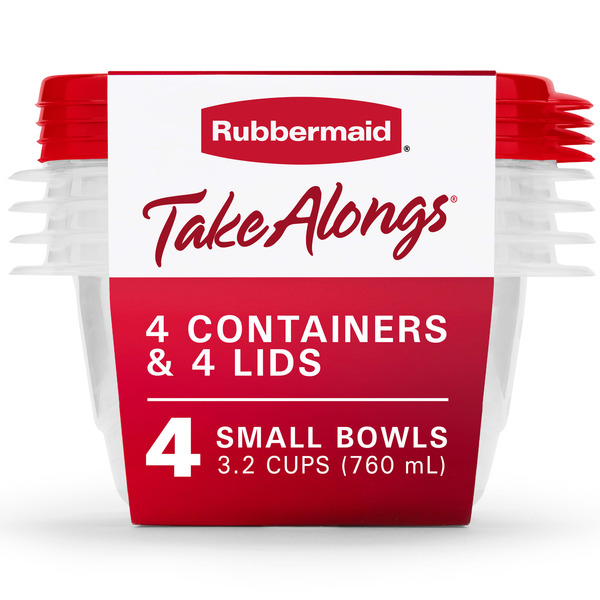
If you are buying bowls, think about how you plan to use them. A 1-cup bowl works well for dips, sauces, berries, and small snacks. A 1½- to 2-cup bowl is more useful for cereal, soup, oatmeal, and side dishes.
Look for these features:
• A stable base that does not slide
• A smooth inside surface for easy cleaning
• Enough depth to prevent spills
• Microwave and dishwasher safety if needed
• A clear capacity listed by the manufacturer
• A shape that feels comfortable in your hands
For everyday meals, a small bowl that holds about 1½ cups is often the most flexible choice. It is large enough for a light meal but small enough for a side dish or snack.
If you are shopping online, check the product details for ounces or milliliters. Convert the capacity to cups by dividing fluid ounces by 8. For milliliters, 240 milliliters equals about 1 US cup.
Frequently Asked Questions
How many cups does a small cereal bowl hold?
A small cereal bowl usually holds 1½ to 2 cups when filled near the top. A comfortable serving level may be closer to 1 to 1½ cups to reduce spills.
Is a small bowl equal to 1 cup?
Not always. Some small bowls hold 1 cup, but many hold 1½ cups or more, so measure the bowl for an accurate answer.
How can I measure how many cups are in a small bowl?
Fill the bowl with water using a standard liquid measuring cup. Count the cups needed to reach the bowl’s normal fill line, rather than filling it above the rim.
How many ounces are in a small bowl?
A small bowl commonly holds 8 to 16 fluid ounces. That equals about 1 to 2 US cups, although some small bowls may hold less or more.
Does bowl shape affect how many cups it holds?
Yes. Depth, width, curved sides, and thick walls all affect capacity. Two bowls that look similar from the outside may hold different amounts.
How many cups are in a small soup bowl?
A small soup bowl often holds about 1 to 1½ cups. Larger soup bowls may hold 2 cups or more, especially when filled close to the rim.
Conclusion
A small bowl usually holds 1 to 2 cups, with about 1½ cups being a useful everyday estimate. Still, bowl sizes are not standardized, so shape and depth can change the result.