How Much Did The First Vacuum Cleaner Cost: A History
The first vacuum cleaner cost about £350 in 1901, while early household models later sold for roughly $25 to $100.
The answer depends on what you mean by “first.” Hubert Cecil Booth’s 1901 powered vacuum was a large commercial machine, not a small home appliance. Its price, design, and rental model were very different from the hand-operated cleaners that appeared earlier and the domestic electric models that followed.
The short answer: how much did the first vacuum cleaner cost?
The first powered vacuum cleaner is commonly linked to British inventor Hubert Cecil Booth. His machine, called Puffing Billy, appeared in 1901. Historical accounts often place its cost at about £350.
That was an enormous amount of money at the time. In modern buying power, £350 in 1901 could equal tens of thousands of dollars, depending on the comparison method. It is not useful to treat that figure as a simple currency conversion because wages, housing, and goods had very different prices.
So, how much did the first vacuum cleaner cost? The best short answer is:
• About £350 for Booth’s early powered vacuum system
• About $25 for some early hand-operated household vacuum cleaners
• Around $50 to $100 for several early electric domestic models
The main issue is that “first vacuum cleaner” can describe several different inventions.

What was the first vacuum cleaner?
Before powered vacuum cleaners, people cleaned rugs with brooms, brushes, carpet beaters, and manual sweepers. These tools removed loose dirt, but they did not pull dust from fabric in the same way a vacuum does.
In 1860, Daniel Hess patented a carpet-cleaning machine in the United States. It used bellows to create suction and had rotating brushes. However, there is little proof that Hess produced the machine in large numbers.
In 1869, Ives W. McGaffey patented the Whirlwind. This cleaner used a hand crank and required a person to create the suction. It was an early household vacuum, but it was hard to operate because one person had to turn the crank while another moved the hose or nozzle.
This history creates an important distinction:
• The first suction cleaning patent was not always the first commercial vacuum
• The first commercial vacuum was not always the first powered vacuum
• The first powered vacuum was not always the first practical household appliance
That is why different sources give different answers to how much did the first vacuum cleaner cost.
How much did Hubert Cecil Booth’s vacuum cleaner cost?
Hubert Cecil Booth developed a powered vacuum cleaner after watching a train-cleaning device blow dust away. He reasoned that sucking dust through a filter would work better than pushing it into the air.
His machine used a large engine and long hoses. It was often built on a horse-drawn wagon or installed outside a building. Workers ran hoses through windows and cleaned carpets inside homes, hotels, theaters, and public buildings.
The reported price of about £350 refers to the machine or system, not always to a simple retail price paid by an ordinary family. Booth’s company also offered cleaning as a service. Customers could hire the equipment and operators instead of buying a machine.
This business model matters. Asking how much did the first vacuum cleaner cost is similar to asking how much the first fire truck cost. The answer may describe a large professional system, not a small product for a private home.
A few facts help explain the high price:
• The machine had a large petrol or electric motor
• It required a wagon, hoses, filters, and trained workers
• Production was limited
• It was aimed at wealthy homes and commercial buildings
• The machine was closer to a mobile service system than a modern vacuum
What did £350 mean in 1901?
A direct conversion can be misleading. £350 in 1901 was not like spending £350 today. It represented many months or years of income for a typical worker.
Depending on the method used, historians may compare old money through:
• Retail prices
• Average wages
• Economic share
• Gold value
• Household purchasing power
These methods can produce very different modern estimates. A wage-based comparison may suggest a much larger modern equivalent than a simple inflation calculator.
The safest way to describe the price is to say that Booth’s vacuum was extremely expensive. It was a luxury or commercial tool, not an everyday purchase for most families.
For context, many workers at the time earned only a small amount each week. A £350 machine could equal several years of wages. This explains why vacuum cleaning services made more sense than individual ownership.
How much did the first household vacuum cleaner cost?
The first household vacuum cleaners were much cheaper than Booth’s system, but they still cost a great deal compared with average incomes.
Ives McGaffey’s Whirlwind is often described as one of the earliest household vacuum cleaners. It was sold in the United States in the late 1860s and reportedly cost about $25.
That price may sound low today, but $25 in the 1870s had strong buying power. It could represent a significant portion of a worker’s monthly earnings. The machine also required physical effort, which limited its appeal.
Early electric household vacuums became more common in the first decades of the 20th century. Prices varied by design, brand, motor size, and sales package. Many cost between $50 and $100, while premium models could cost more.
Therefore, how much did the first vacuum cleaner cost for a home? A reasonable historical answer is about $25 for an early manual model and $50 to $100 for an early electric model.

Why were early vacuum cleaners so expensive?
Early vacuum cleaners were costly because their parts and production methods were not yet efficient. Modern appliances benefit from mass production, cheap motors, plastic parts, and global supply chains. Early machines had none of these advantages.
The major cost factors included:
• Heavy metal bodies
• Large electric or petrol motors
• Hand-built parts
• Expensive rubber hoses
• Cloth or metal filters
• Limited factory production
• Skilled repair and service work
Early electric motors were also less compact and less reliable than modern motors. A cleaner often needed a strong frame to hold the motor and collection chamber.
The power supply created another problem. Electricity was not yet available in every home. Even when a home had electricity, outlets and wiring were not designed for many appliances.
A modern vacuum is like a compact car built in a large factory. Booth’s machine was more like a truck, workshop, and cleaning crew combined into one system.
The difference between a vacuum cleaner and a carpet sweeper
Some early cleaning tools are called vacuum cleaners even though they did not create suction. This can make historical price comparisons confusing.
A carpet sweeper used brushes and wheels to collect dirt into a small box. It was quieter, lighter, and cheaper than a vacuum. Many homes used sweepers because they were practical and did not need electricity.
A true vacuum cleaner uses pressure differences to move air. The moving air carries dust into a bag or container. This basic principle is shared by modern upright, canister, stick, and robotic vacuums.
When researching how much did the first vacuum cleaner cost, check whether the product used suction. A manual sweeper may appear in the same timeline, but it was not technically a vacuum cleaner.
How early vacuum cleaners were sold
The earliest machines were not sold like modern appliances. Companies often promoted them as services, demonstrations, or luxury products.
Booth’s business sent equipment and workers to a building. The crew cleaned rugs and carpets on-site. This approach allowed customers to enjoy cleaner carpets without purchasing or storing a huge machine.
Later companies began selling smaller cleaners directly to households. Sales methods included:
• Traveling demonstrations
• Department store displays
• Door-to-door sales
• Payment plans
• Product demonstrations in the home
• Service contracts and replacement parts
Salespeople often demonstrated how much dust a machine could remove from a rug. This made the benefit visible and helped justify the high price.
Some companies also marketed vacuum cleaners as tools for better health. They claimed that removing dust could improve indoor comfort. While cleaner indoor air can be beneficial, early advertising sometimes made claims that were stronger than the available evidence.
How expensive was the first vacuum cleaner compared with today?
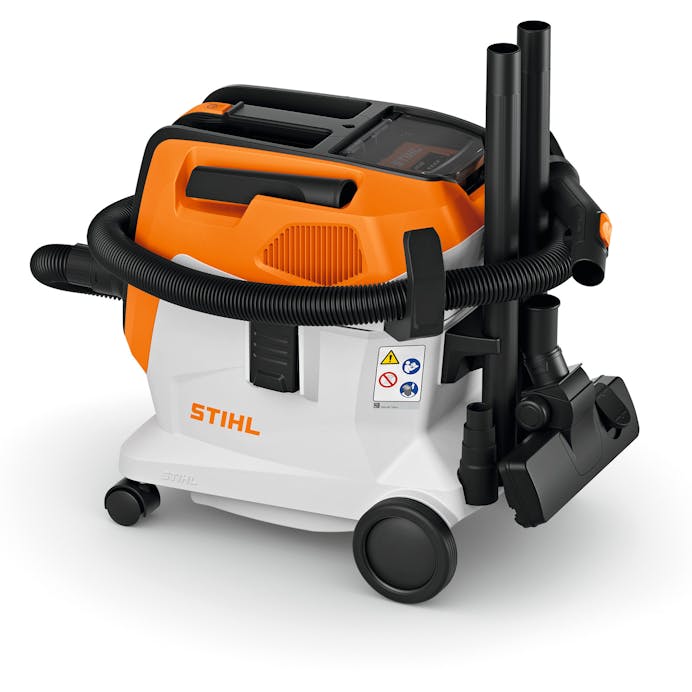
A modern vacuum may cost $50 for a basic model or more than $1,000 for a premium cordless or robotic model. The price range is wide because features differ.
Today’s buyers may pay for:
• Strong suction
• HEPA filtration
• Cordless operation
• Smart mapping
• Automatic dirt disposal
• Pet-hair tools
• Long battery life
• Quiet motors
Even an expensive modern vacuum is usually far cheaper and easier to use than Booth’s first powered system. It can fit in a closet, plug into a wall, and be used by one person.
The better comparison is not only the sticker price. Consider what the machine offered and what a worker earned at the time. By that standard, the first vacuum cleaners were luxury purchases, much like high-end home technology today.
Why the price changed so quickly
Vacuum cleaner prices fell as manufacturing improved. Electric motors became smaller, electricity reached more homes, and companies learned how to produce appliances in larger quantities.
The spread of middle-class housing also helped. As more homes used rugs and fitted carpets, demand grew for convenient cleaning tools. More buyers meant more production, and more production reduced the cost per unit.
Competition also changed the market. Companies developed lighter bodies, better bags, improved brushes, and easier controls. These improvements made vacuum cleaners more useful for ordinary households.
The price of the first vacuum cleaner was high partly because it was an early invention. New technology often starts as a luxury product. Televisions, computers, and cell phones followed a similar path.
A practical lesson from researching early vacuum cleaners
The biggest research mistake is treating one number as the complete answer. When people ask how much did the first vacuum cleaner cost, they may mean Booth’s commercial machine, McGaffey’s manual model, or an early electric household vacuum.
A reliable approach is to ask three questions:
- Was the machine powered or manual?
- Was it sold to homes or used as a cleaning service?
- Does the price refer to the machine, a rental, or a complete service?
This method prevents false precision. Historical prices are often incomplete, and advertisements may list only a starting price or a payment plan.
I have found that timelines become much clearer when the machine’s use is considered alongside its price. A £350 professional system and a $25 hand-crank cleaner were both important, but they served very different customers.

Frequently asked questions about how much did the first vacuum cleaner cost
How much did the first vacuum cleaner cost in 1901?
Hubert Cecil Booth’s first powered vacuum system is commonly reported to have cost about £350 in 1901. It was a large commercial machine and was not sold like a small modern household vacuum.
What was the price of the first household vacuum cleaner?
One early household model, the Whirlwind, reportedly sold for about $25 in the late 1860s. Early electric household vacuums later often cost between $50 and $100.
Was the first vacuum cleaner electric?
Not always. Early vacuum cleaners used hand power, petrol engines, or electric motors, depending on the design and date. Booth’s early machine used a large powered system, while earlier household models relied on manual operation.
Why did the first vacuum cleaner cost so much?
Early machines used costly motors, metal parts, special hoses, and hand-built components. They were also produced in small numbers and often required trained operators or service crews.
Could ordinary families afford the first vacuum cleaner?
Most families could not easily afford the earliest powered models. The machines were mainly used by wealthy households, hotels, theaters, businesses, or professional cleaning services.
Is £350 in 1901 equal to £350 today?
No. A simple currency conversion does not show the true value of £350 in 1901. Wage and purchasing-power comparisons suggest that it represented a very large expense for the average household.
Conclusion
The answer to how much did the first vacuum cleaner cost depends on which invention you mean. Hubert Cecil Booth’s first powered system cost about £350 in 1901, while early manual household cleaners sold for roughly $25 and early electric models often cost $50 to $100.
Those prices show how vacuum cleaners moved from large luxury machines to common home appliances. When comparing historical costs, always consider the machine’s design, purpose, selling method, and the wages of its time.
If you enjoy the history of household technology, compare these early prices with the cost of modern cordless and robotic vacuums. Share your thoughts or favorite historical appliance in the comments.

Liora Pennings is a seasoned chef and kitchen enthusiast with a passion for turning everyday cooking into an effortless experience. With years of hands-on culinary expertise, she specializes in practical techniques, ingredient know-how, and smart kitchen solutions that help home cooks elevate their meals. At KitchFlair.com, Liora shares her best tips, time-saving tricks, and honest product reviews to guide readers toward a more efficient, enjoyable, and inspired cooking routine. Whether you’re a beginner or a seasoned home chef, Liora’s friendly, knowledge-packed insights make every visit to the kitchen a little easier—and a lot more delicious.