Most vacuum cleaners last about eight years, but quality, care, and daily use can change that lifespan.
Knowing how many years should a vacuum cleaner last helps you plan repairs, compare models, and avoid replacing a machine too soon. A well-built vacuum may work for 10 years or more, while a low-cost cordless or robotic model may need replacement after three to five years. This guide explains the average vacuum lifespan, the signs of failure, and the simple care steps that can add years to your cleaner.

How many years should a vacuum cleaner last?
Most household vacuum cleaners last between five and 10 years. High-quality upright and canister vacuums can often reach 10 to 15 years with regular care. Budget models may last closer to three to five years, especially when used every day or on thick carpet.
The answer to how many years should a vacuum cleaner last depends on several factors:
• The type and quality of the vacuum
• How often you use it
• The size of your home
• The floor surfaces you clean
• Whether you empty, wash, and replace filters
• The cost and availability of repair parts
• How quickly you fix small problems
A vacuum cleaner is like a car. Good parts and regular service can keep it running for years. However, even a premium model will wear out faster if it is pushed through full bins, blocked filters, pet hair, and hard objects.
In general, these are common lifespan ranges:
| Vacuum type | Typical lifespan |
|---|---|
| Upright vacuum | 8 to 12 years |
| Canister vacuum | 8 to 12 years |
| Stick vacuum | 3 to 8 years |
| Cordless stick vacuum | 3 to 6 years |
| Robot vacuum | 3 to 5 years |
| Handheld vacuum | 3 to 6 years |
| Central vacuum system | 15 to 20 years or more |
These ranges are estimates, not guarantees. A commercial-grade upright may outlast a basic household model. A robot vacuum with a replaceable battery may also last longer than one with a sealed battery.

Average vacuum lifespan by type
Different vacuum designs use different motors, batteries, belts, and cleaning systems. That is why the answer to how many years should a vacuum cleaner last changes by model type.
Upright vacuums
An upright vacuum usually lasts eight to 12 years. Strong models with metal parts, sealed filtration, and replaceable belts may last even longer.
Uprights are popular in homes with wall-to-wall carpet. They often have powerful motors and wide brush rolls. The trade-off is weight. Moving an upright up stairs or over hard floors can place more stress on the machine.
Canister vacuums
Canister vacuums often last eight to 12 years. Some well-maintained models remain useful for 15 years or more.
Their motor sits in a separate body, while a hose connects to the cleaning head. This design can reduce strain on the motor and make the vacuum easier to use on stairs, furniture, and bare floors.
Stick and cordless vacuums
corded stick vacuums often last five to eight years. Cordless models usually last three to six years because the battery is a major wear part.
The motor may still work well when the battery begins to fail. If the battery is replaceable, you may extend the life of the entire vacuum. If it is sealed inside the machine, battery failure may make replacement more practical than repair.
Robot vacuums
Robot vacuums usually last three to five years. Their lifespan depends on battery health, wheel wear, brush condition, sensors, and software support.
A robot vacuum works many hours each week. It also collects hair and dust in small moving parts. Cleaning the wheels, brushes, sensors, and charging contacts can make a major difference.
Handheld vacuums
A handheld vacuum commonly lasts three to six years. These machines are often used for quick jobs, but they may face heavy loads such as crumbs, pet hair, sand, and car debris.
A handheld model can last longer when you avoid vacuuming liquids, sharp objects, and large pieces of dirt.

What affects vacuum cleaner life expectancy?
The question of how many years should a vacuum cleaner last has no single answer because use matters as much as age. Two identical vacuums can have very different lives.
Frequency of use
A vacuum used once a week may last much longer than one used several times each day. Homes with pets, children, allergies, or large floor areas place more demand on the motor and brush roll.
Daily use does not always mean early failure. It means maintenance becomes more important. A vacuum that is cleaned often can handle regular work better than one that is used less but ignored.
Floor type
Carpet can place heavy pressure on the brush roll. Thick carpet also makes the motor work harder to pull air through the fibers.
Hard floors may be easier on the motor, but they can expose the vacuum to grit and larger debris. If you use the wrong cleaning head, you may also scratch floors or damage the brush.
Pet hair
Pet hair is one of the hardest materials for a vacuum to manage. It can wrap around the brush roll, clog the hose, and reduce airflow.
Long hair causes similar problems. Cutting wrapped hair from the brush roll every few uses can prevent extra strain.
Dust and debris
Fine dust can pass through poor filters and reach the motor. Sand, drywall dust, fireplace ash, and renovation debris can be especially harmful.
Never assume that a household vacuum is suitable for every type of dirt. Wet debris and fine construction dust often require special equipment.
Build quality
A durable vacuum often has:
• A strong motor
• A sealed air path
• Replaceable filters
• A sturdy hose
• Reliable wheels
• A brush roll that can be removed
• Easy access to belts and clogs
• Available replacement parts
Plastic does not always mean poor quality. Many modern vacuums use strong, light plastics. The key is how well the parts fit together and whether important components can be replaced.
Maintenance habits
Maintenance is one of the clearest answers to how many years should a vacuum cleaner last. A full dust cup, dirty filter, or blocked hose can make the motor work harder.
A few minutes of care each month may prevent a costly motor failure. Think of maintenance as small savings that protect a much larger purchase.
Signs your vacuum cleaner is wearing out
Age alone does not tell you how many years should a vacuum cleaner last. Performance and repair costs matter more than the date on the box.
Watch for these signs:
• Weak suction after cleaning the filter and removing clogs
• A burning smell
• Loud grinding, squealing, or rattling
• A brush roll that will not spin
• Frequent overheating or automatic shutoff
• Cracks in the hose or body
• A power cord that feels hot or has damaged insulation
• A battery that runs for only a few minutes
• Missing parts that the manufacturer no longer sells
• Dust escaping around the filter or exhaust
A burning smell deserves quick attention. It may come from a blocked airflow path, a slipping belt, or a motor problem. Stop using the vacuum until you find the cause.
Noise can also provide a useful clue. A high-pitched squeal may point to a belt or bearing issue. A grinding sound may suggest damage inside the motor or brush roll.
Reduced suction does not always mean the vacuum is finished. First check the dust bin, filter, hose, brush roll, and floor setting. Many “dead” vacuums simply need a deep clean.

When should you repair or replace a vacuum?
Repairing a vacuum makes sense when the problem is small and parts are easy to find. Replacing it may make more sense when the motor, battery, or main circuit board fails.
Use this simple process:
- Check the warranty.
A warranty may cover the motor, battery, or electrical parts. Keep your receipt and model number if possible.
- Identify the failed part.
A belt, filter, hose, brush roll, wheel, or battery is often replaceable. A sealed motor unit may cost much more to repair.
- Compare repair cost with replacement cost.
If the repair costs more than about half the price of a similar new vacuum, replacement may offer better value. This is a guideline, not a strict rule.
- Consider the vacuum’s age.
A two-year-old premium vacuum may deserve repair. A 12-year-old budget vacuum with several failing parts may not.
- Check future support.
A repair is less useful if filters, batteries, belts, or brush heads are no longer available.
A common mistake is replacing a vacuum because of low suction when the real issue is a clogged filter. Another mistake is buying a new machine without checking whether the old one needs only a $15 belt or filter.
In my experience, small repairs often bring an older vacuum back to life. I have also seen people spend money on repeated repairs when the motor was already noisy and the body had several cracks. The best choice considers both the repair price and the condition of the whole machine.

How to make a vacuum cleaner last longer
If you want to increase how many years should a vacuum cleaner last, focus on airflow, filters, and moving parts. These areas cause many early failures.
Empty the dust bin or bag on time
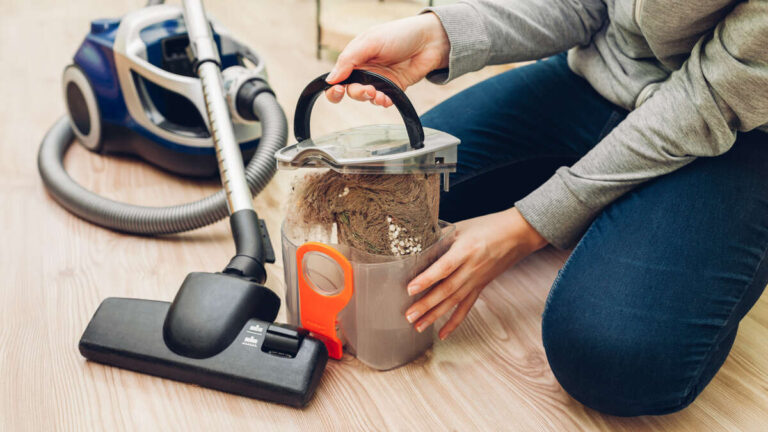
Do not wait until the bin is packed full. Empty a bagless vacuum when it reaches the fill line. Replace a disposable bag before it becomes completely blocked.
A full bin reduces airflow. Low airflow makes the motor work harder and can reduce cleaning power.
Clean or replace filters
Follow the manual for filter care. Some filters can be rinsed, while others must stay dry or be replaced.
Let washable filters dry fully before reinstalling them. A damp filter can damage the motor and create a musty smell.
Remove hair from the brush roll
Turn off and unplug the vacuum before cleaning the brush roll. Cut away wrapped hair with scissors, but keep the blades away from bristles and wires.
Check the end caps too. Hair can hide inside the sides of the brush roll and stop it from turning freely.
Check for clogs
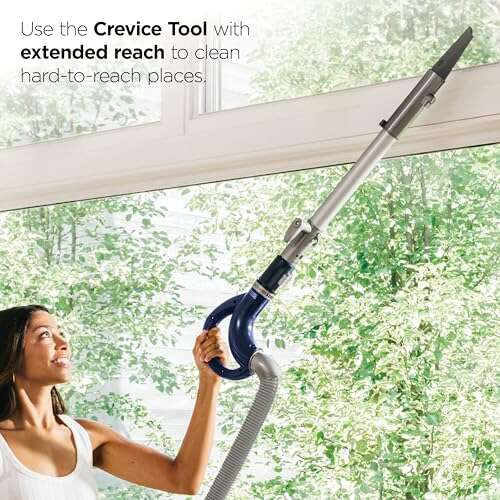
Inspect the hose, wand, intake opening, and floor head when suction drops. A clog near the brush head can make the entire vacuum seem weak.
Use a long, blunt tool only when the manufacturer allows it. Avoid sharp objects that could puncture the hose.
Use the correct floor setting
Many vacuums have separate settings for carpet and hard floors. Use the correct setting to prevent excess brush contact and reduce motor strain.
Do not force the vacuum across thick rugs if the brush roll cannot move freely.
Keep liquids away
Most household vacuums are made for dry debris only. Water can damage filters, wiring, bearings, and motors.
Use a wet-dry vacuum for spills and damp material. This one habit can prevent a major electrical failure.
Store it properly
Keep the vacuum in a dry place. Do not wrap the power cord tightly around sharp corners or the machine body.
For cordless models, store the battery according to the manual. Extreme heat and freezing temperatures can shorten battery life.

How to choose a vacuum that will last
The best way to get more years from a vacuum is to choose a repairable model before you buy it. A low purchase price does not always mean low total cost.
Look for these features:
• A replaceable battery on cordless models
• Washable or widely available filters
• A removable brush roll
• Standard belts and easy-to-find parts
• A clear warranty
• A service network in the United States
• A sealed system if you have allergies
• Strong wheels and a flexible hose
• A motor made for your floor type
• A manual with clear care instructions
Read the warranty carefully. A “five-year warranty” may cover the motor but not the battery, hose, brush roll, or normal wear.
Independent testing can help you compare cleaning power, noise, air quality, handling, and durability. Look for testing that explains its methods. Marketing claims alone do not prove that a vacuum will last.
A premium vacuum is not always the right choice. If you live in a small apartment with mostly hard floors, a simple corded stick vacuum may meet your needs. If you have thick carpet and several pets, a stronger upright with replaceable parts may offer better long-term value.
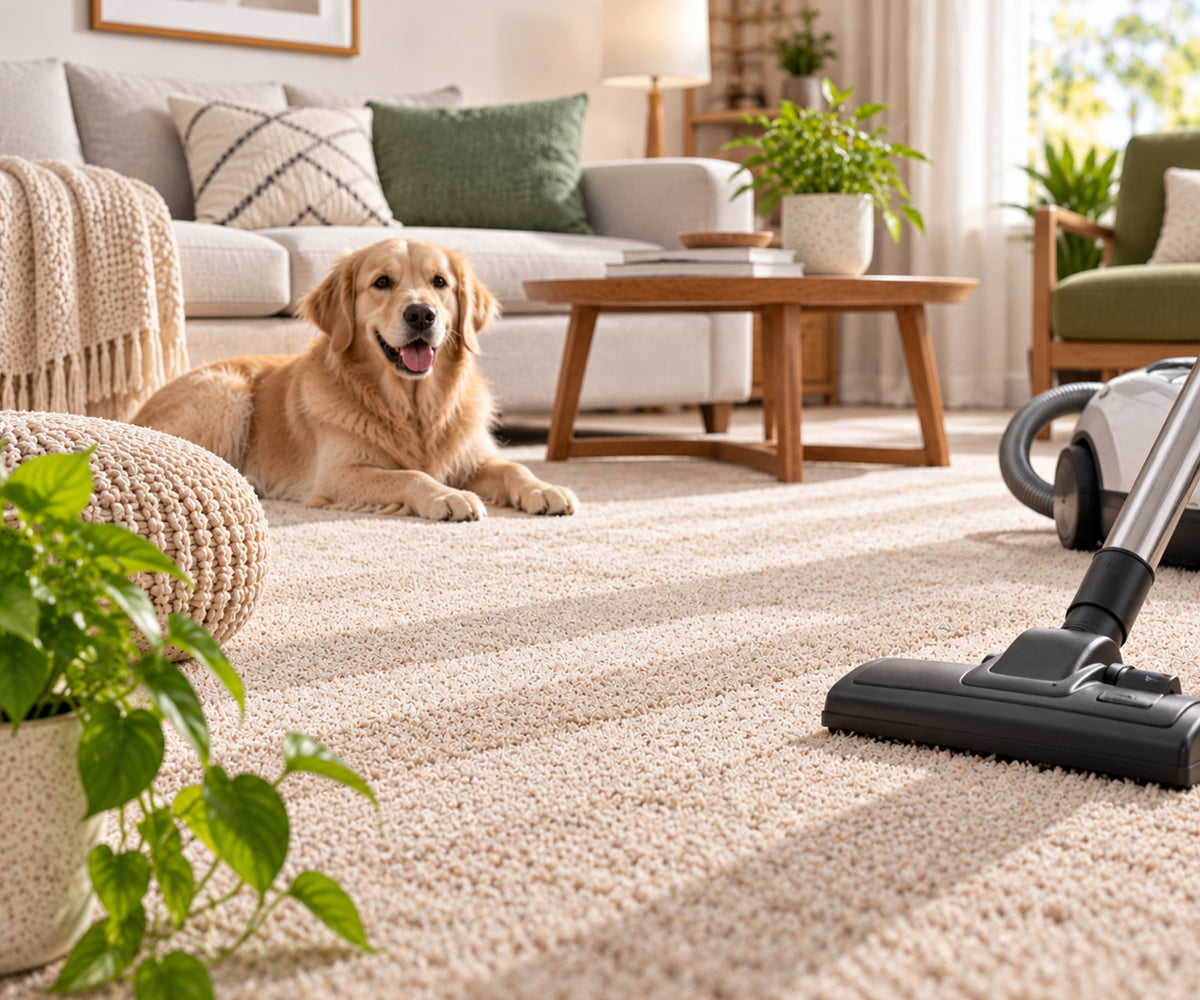
Vacuum cleaner lifespan and environmental impact
Keeping a vacuum for another two or three years can reduce waste and save money. Repairing a belt, hose, filter, or battery often uses fewer resources than replacing the entire machine.
However, an old vacuum is not automatically better for the environment if it uses much more energy or performs poorly. A damaged machine may also release dust into the room or create a safety risk.
Consider repair first when:
• The body is in good condition
• The motor runs smoothly
• Replacement parts are available
• The repair is reasonably priced
• The machine still meets your cleaning needs
When replacement is necessary, check local rules for electronic waste. Batteries should be handled with care and recycled through an approved collection program when available.
The most sustainable vacuum is usually one that fits your home, receives regular care, and can be repaired instead of discarded.
Common mistakes that shorten vacuum life
Even a good vacuum can fail early because of simple errors. Avoid these common problems:
• Vacuuming water with a dry vacuum
• Ignoring a hot electrical smell
• Using the vacuum with a blocked hose
• Running it with a missing filter
• Washing a filter that is not washable
• Reinstalling a filter before it is fully dry
• Pulling the cord from the wall instead of using the plug
• Picking up coins, screws, glass, or large stones
• Leaving hair wrapped around the brush roll
• Using a cordless vacuum until the battery is fully drained every time
• Storing the machine in a damp garage
• Forcing the wrong attachment onto the wand
One lesson worth remembering is that small warning signs rarely become smaller. A faint smell, weak suction, or strange noise may be easy to fix today. Ignoring it can turn a simple repair into a motor replacement.
How to calculate the real value of a vacuum
Purchase price alone does not show how much a vacuum costs. Use the total cost over its useful life.
For example, a $300 vacuum that lasts 10 years costs about $30 per year before filters and repairs. A $120 vacuum that lasts three years costs about $40 per year. The more expensive model may provide better value if it also cleans well and remains easy to repair.
Consider:
• Purchase price
• Replacement filters and bags
• Battery replacement cost
• Repair expenses
• Energy use
• Time spent cleaning or fixing it
• Cleaning performance
• Comfort and ease of use
This calculation helps answer how many years should a vacuum cleaner last for your budget. A vacuum does not need to last 15 years to be a good purchase. It needs to deliver reliable cleaning at a reasonable total cost.
Frequently asked questions about how many years should a vacuum cleaner last
How many years should a vacuum cleaner last on average?
A household vacuum cleaner should last about five to 10 years. Upright and canister models often last longer, while cordless and robot vacuums commonly last three to six years.
Can a vacuum cleaner last 20 years?
Yes, some well-built canister, upright, and central vacuum systems can last 15 to 20 years. Reaching that age usually requires regular filter care, timely repairs, and continued access to replacement parts.
Is it worth repairing a 10-year-old vacuum?
It can be worth repairing if the problem is a belt, hose, filter, wheel, or brush roll. Replacement may be better if the motor, battery, and several other parts are failing at the same time.
How often should a vacuum cleaner be replaced?
Replace a vacuum when it creates a safety concern, cannot clean well after maintenance, or costs too much to repair. Age is less important than performance, condition, and repair value.
Do expensive vacuum cleaners last longer?
Expensive vacuums may last longer when they use stronger parts and offer repair support. Price alone is not proof of durability, so check the warranty, parts supply, and independent test results.
What is the most durable type of vacuum cleaner?
High-quality upright and canister vacuums are often among the most durable household options. Central vacuums can last even longer, but installation costs and home design make them unsuitable for every household.
Conclusion
The answer to how many years should a vacuum cleaner last is usually five to 10 years, with premium upright, canister, and central systems often lasting longer. Cordless and robot models may have shorter lives because batteries, sensors, and small moving parts wear out sooner.
You can extend vacuum cleaner life by emptying the bin, replacing filters, removing hair, clearing clogs, avoiding liquids, and fixing small faults early. Before buying a replacement, compare the repair cost with the machine’s age and overall condition.
Take a few minutes this week to inspect your vacuum, clean its filter, and check the brush roll. If you are shopping for a new model, compare repairability and long-term cost, then explore more cleaning guides or share your vacuum’s lifespan in the comments.

Liora Pennings is a seasoned chef and kitchen enthusiast with a passion for turning everyday cooking into an effortless experience. With years of hands-on culinary expertise, she specializes in practical techniques, ingredient know-how, and smart kitchen solutions that help home cooks elevate their meals. At KitchFlair.com, Liora shares her best tips, time-saving tricks, and honest product reviews to guide readers toward a more efficient, enjoyable, and inspired cooking routine. Whether you’re a beginner or a seasoned home chef, Liora’s friendly, knowledge-packed insights make every visit to the kitchen a little easier—and a lot more delicious.