How Many Watts For A Good Vacuum Cleaner: Power Guide
A good vacuum cleaner usually needs 700 to 1,200 watts, but suction design matters more than wattage alone.
Knowing how many watts for a good vacuum cleaner can help you compare models, but watts tell only part of the story. A vacuum with a powerful motor may still clean poorly if its airflow, brush roll, filter, or seal is weak. This guide explains the best watt range for each vacuum type, how to read suction ratings, and how to choose a machine that fits your floors, pets, home size, and energy needs.
How Many Watts for a Good Vacuum Cleaner?
For most homes, a good vacuum cleaner uses between 700 and 1,200 watts. This range gives many upright and canister vacuums enough motor power for carpets, rugs, and hard floors.
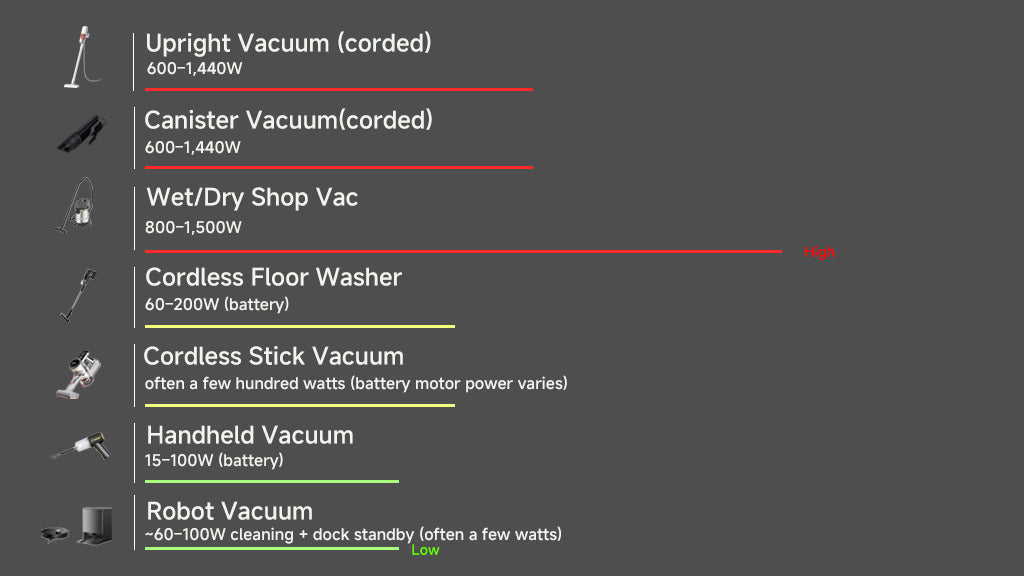
Still, how many watts for a good vacuum cleaner depends on the vacuum style. A cordless stick vacuum may use far fewer watts because it runs on a battery. A robot vacuum may use less power as well, while a full-size upright needs more power to move air through a larger cleaning head.
Here is a simple guide:
| Vacuum type | Typical power range | Best for |
|---|---|---|
| Upright vacuum | 800–1,500 watts | Carpets, rugs, large homes |
| Canister vacuum | 700–1,200 watts | Hard floors, stairs, mixed surfaces |
| Cordless stick vacuum | 100–500 watts | Quick cleaning and small homes |
| Handheld vacuum | 100–300 watts | Cars, furniture, small messes |
| Robot vacuum | 30–100 watts while charging | Daily light cleaning |
| Commercial vacuum | 1,000–1,800 watts | Heavy use and large areas |
These figures are general ranges, not strict rules. A well-designed 900-watt vacuum can outperform a poorly designed 1,400-watt model.
What Do Watts Mean on a Vacuum Cleaner?
Watts measure electrical power. In simple terms, they show how much electricity the vacuum motor uses while running.
A higher watt rating often means the motor can do more work. However, it does not directly measure how much dirt the vacuum removes. Motor power can be lost through poor airflow, blocked filters, weak seals, or an inefficient cleaning head.
Think of watts as the fuel used by a car. More fuel does not always mean a faster car. The engine, tires, weight, and design also matter. Vacuum performance works in much the same way.
A vacuum’s watt rating may include:
• The main suction motor
• A brush-roll motor
• Electronic controls
• Automatic cleaning systems
• Lighting and display features
Because of this, two vacuums with the same watt rating may deliver different cleaning results.
Input watts versus suction power
Input watts describe the electricity drawn from the outlet or battery. Suction power is often measured with air watts, airflow, or sealed suction.
These measurements are different:
• Input watts: Electrical power used by the machine
• Air watts: A combined measure of airflow and suction pressure
• Airflow: The amount of air moved through the vacuum
• Sealed suction: The suction force measured when airflow is restricted
When deciding how many watts for a good vacuum cleaner, check these other ratings if the manufacturer provides them. They often give a clearer picture of real cleaning ability.
Is Higher Wattage Always Better?
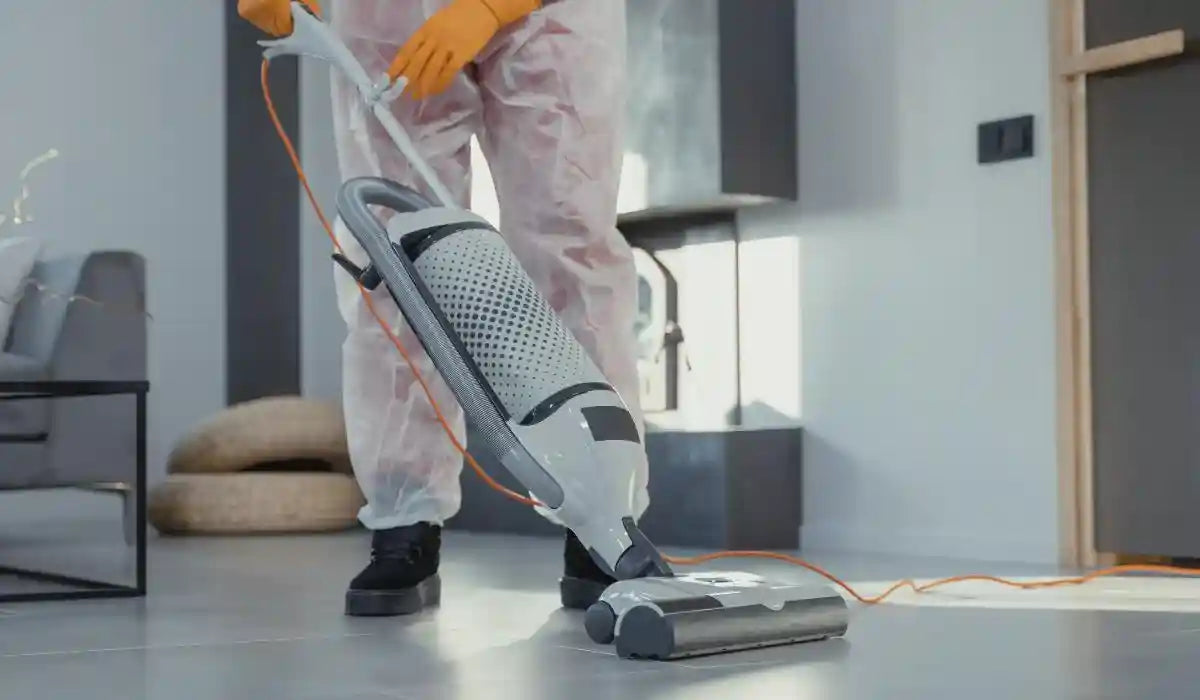
Higher wattage is not always better. It can support stronger suction, but it can also increase noise, heat, weight, and energy use.
A high-wattage vacuum may be useful for thick carpet, pet hair, and heavy dirt. Yet too much suction can make some lightweight rugs hard to move. It may also be less convenient for quick daily cleaning.
The best choice depends on your floors:
• Thick carpet benefits from strong airflow and a powered brush roll.
• Low-pile carpet needs good agitation but may not need extreme suction.
• Hardwood floors need controlled suction and soft attachments.
• Area rugs need balanced suction so the vacuum does not pull or damage them.
• Pet homes benefit from sealed filtration, a powered brush, and tangle control.
The most important lesson is this: wattage is a clue, not a final score. A vacuum’s full design matters more.
Why airflow matters
Airflow carries dust and debris into the vacuum bag or dust bin. If airflow is weak, the vacuum may leave dirt behind even when the motor uses many watts.
A strong vacuum usually has:
• A clear air path
• A sealed body
• A clean filter system
• A useful floor head
• A brush roll that reaches the carpet
• Good airflow from the cleaning head to the bin
This explains why how many watts for a good vacuum cleaner is not the only question worth asking. You should also ask how well the machine moves air across your floor.

Recommended Wattage by Vacuum Type
Different vacuum types need different amounts of power. A compact machine should not be judged by the same standard as a full-size upright.
Upright vacuums
Upright vacuums commonly use 800 to 1,500 watts. They are often a strong choice for wall-to-wall carpet, pet hair, and larger homes.
A model near 1,000 to 1,300 watts is usually enough for regular household cleaning. Look for a height-adjustable head, a powered brush roll, and a sealed filtration system.
Canister vacuums
Canister vacuums often use 700 to 1,200 watts. They are popular for hard floors, stairs, furniture, and homes with mixed surfaces.
Their flexible hose and separate floor head can improve cleaning without requiring an extremely powerful motor. A good canister vacuum may clean hard floors well at a lower wattage than a heavy upright.
Cordless stick vacuums
Cordless stick vacuums commonly use 100 to 500 watts, depending on the motor and battery system. Some brands list battery voltage instead of watts.
These vacuums are convenient and light. They work well for daily crumbs, dust, and small homes. For thick carpet or large pet messes, check battery life, brush-roll design, and the highest-power run time.
Robot vacuums
Robot vacuums usually use about 30 to 100 watts while charging or operating, though exact figures vary. Their cleaning power comes from repeated passes, side brushes, navigation, and a compact suction system.
They are useful for maintenance cleaning. They may not replace a full-size vacuum for deep carpet cleaning, stairs, upholstery, or large debris.
Handheld vacuums
Handheld models often use 100 to 300 watts. They are designed for short cleaning jobs, such as car seats, sofas, shelves, and kitchen spills.
Their smaller motors are suitable for light debris. They are not usually the best option for cleaning an entire home.
How Many Watts for a Good Vacuum Cleaner for Pet Hair?
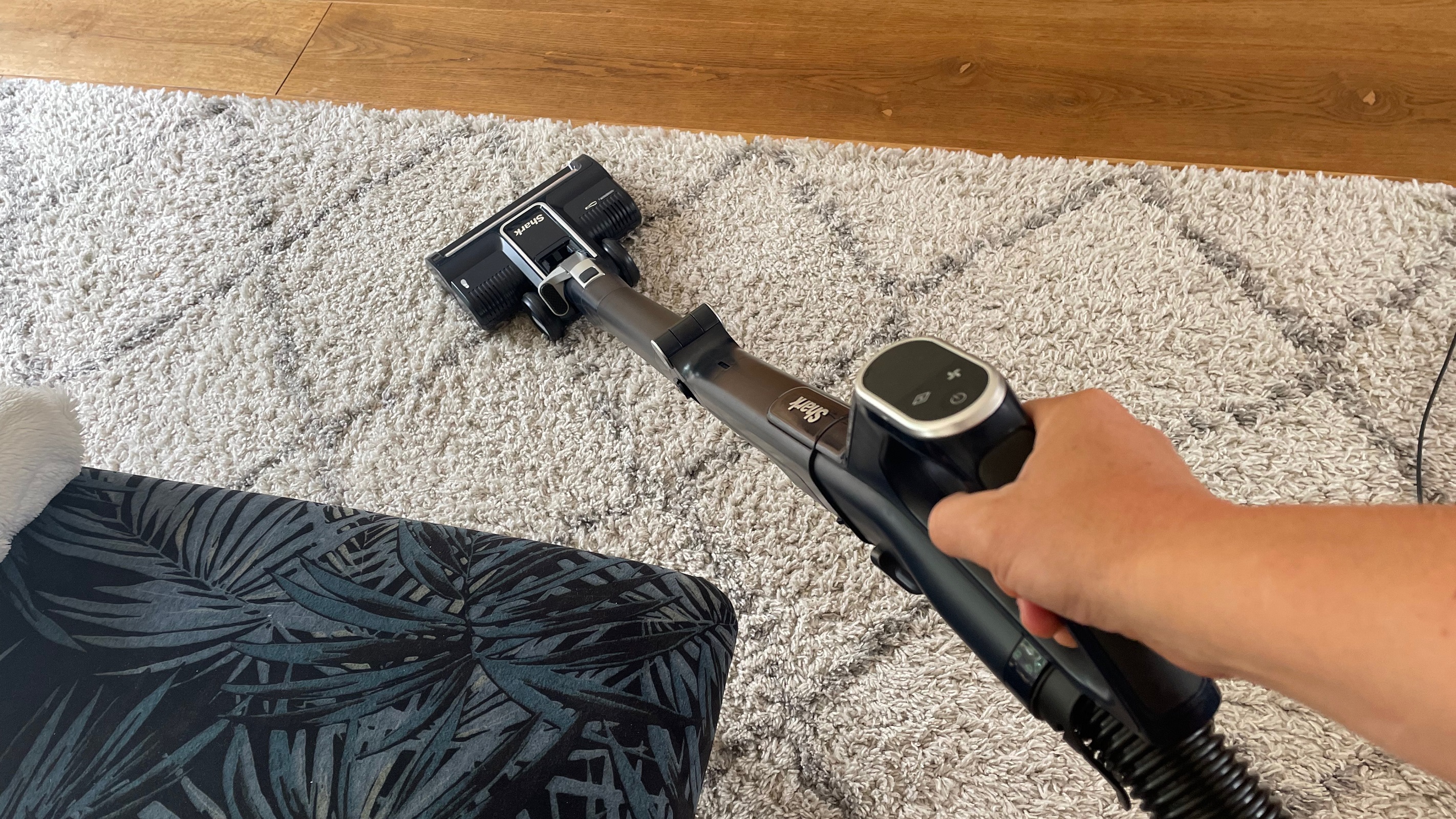
For pet hair, how many watts for a good vacuum cleaner is usually between 900 and 1,500 watts for a corded upright or canister model. But a powered brush roll and sealed airflow are often more important than the exact watt number.
Pet hair sticks to carpet fibers like tiny hooks. Suction alone may not remove it. A rotating brush must lift and loosen the hair before the airflow carries it away.
Choose a pet vacuum with:
• A motorized brush roll
• Anti-tangle technology
• Strong airflow at the floor head
• A sealed body
• A washable or replaceable filter
• A large dust bin or bag
• A crevice tool and upholstery tool
For cordless models, focus on the highest-power setting and its real run time. Some cordless vacuums advertise strong peak power but run for only a few minutes in that mode.

How Many Watts Do You Need for Carpet?
For carpet, a corded vacuum between 900 and 1,500 watts is often a practical range. Thick carpet needs more than motor power, though. The vacuum must also have a brush roll that reaches deep into the fibers.
A height-adjustable cleaning head helps maintain the right contact. If the head sits too high, it may lose suction. If it sits too low, the vacuum may be difficult to push.
For low-pile carpet, a well-sealed vacuum around 800 to 1,100 watts may work well. For thick carpet and heavy debris, consider a model around 1,000 to 1,500 watts with strong airflow.
Before buying, check whether the brush roll can be turned off. This feature protects delicate rugs and prevents scattered debris on hard floors.
How Many Watts Do You Need for Hardwood Floors?
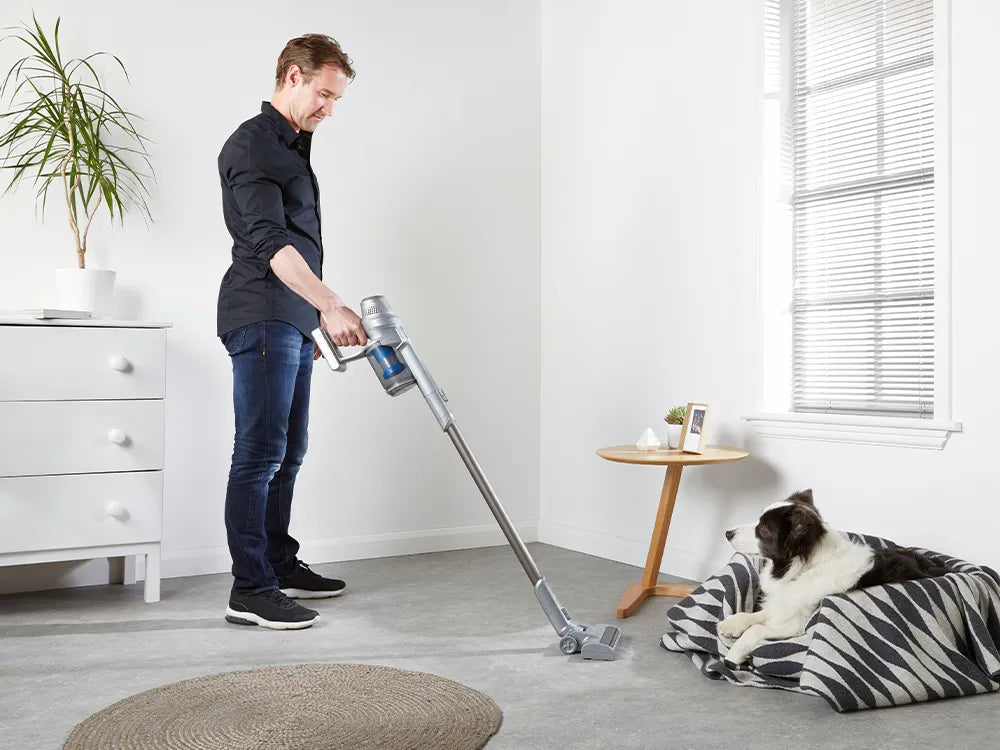
Hardwood floors usually do not require very high wattage. A canister vacuum around 700 to 1,000 watts can provide excellent results when paired with a soft floor head.
High suction can sometimes move lightweight rugs or make the vacuum harder to guide. A soft brush or parquet tool is more important than extra motor power.
For hardwood floors, prioritize:
• Soft bristles
• Rubber wheels
• Adjustable suction
• A sealed dust system
• A crevice tool for edges
• A floor head that does not scatter debris
The best hardwood vacuum removes dust without scratching the surface. More watts do not automatically make that happen.

What Other Vacuum Features Matter More Than Watts?
When shoppers ask how many watts for a good vacuum cleaner, they often overlook features that have a bigger effect on cleaning performance.
Airflow and suction
Airflow helps move dirt into the bin. Suction creates the pressure that lifts dirt from the surface. A strong vacuum needs a useful balance of both.
Filtration
A quality filter keeps fine dust inside the machine. High-efficiency filters can help reduce airborne particles, but the whole vacuum must be sealed. A filter alone cannot stop leaks around the body or hose.
Brush-roll design
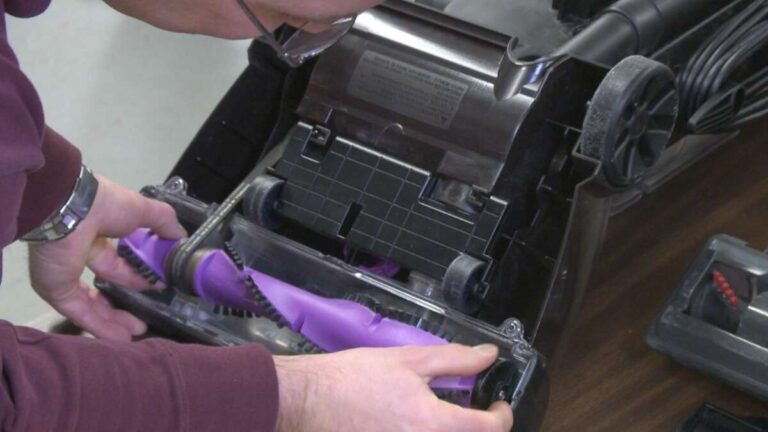
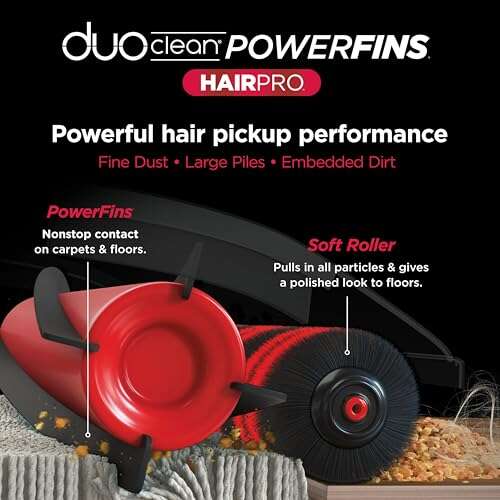
The brush roll helps remove hair and dirt from carpet. Some models use stiff bristles, rubber fins, or a combination of both.
Dust-bin design
A full bin can reduce airflow. A poorly designed bin may also allow dust to block the filter. Large capacity is helpful, but easy emptying matters too.
Noise level
A higher-watt motor may be louder, but motor design and insulation also affect sound. If you have pets, children, or sensitive ears, check the decibel rating when available.
Energy efficiency
A vacuum that cleans well in one pass may use less total energy than a weaker model that needs several passes. Efficient cleaning is about results, not only the watt number.
In practical comparisons, I would rather use a sealed 900-watt vacuum with a good floor head than a leaky 1,400-watt model. That is one of the most useful lessons when judging how many watts for a good vacuum cleaner.

How Much Electricity Does a Vacuum Cleaner Use?
Electricity use depends on wattage and cleaning time. You can estimate energy use with this formula:
Watts ÷ 1,000 × hours used = kilowatt-hours
For example, a 1,000-watt vacuum used for 30 minutes consumes about 0.5 kilowatt-hours. At an electricity rate of 16 cents per kilowatt-hour, that session costs about 8 cents.
A 1,400-watt vacuum used for the same time consumes about 0.7 kilowatt-hours. The cost would be about 11 cents at that rate.
Your local electricity price may be higher or lower. Cordless vacuums also use electricity while charging, but their total energy use depends on battery size, charging losses, and how often you run them.
A powerful vacuum does not always cost much more to operate. Cleaning time matters just as much as wattage.
Common Mistakes When Comparing Vacuum Wattage
Many buyers make the same mistake: they choose the largest watt number on the box. This can lead to a heavy, loud machine that does not clean as well as expected.
Avoid these errors:
• Comparing input watts as if they were suction watts
• Ignoring airflow and floor-head design
• Buying a carpet vacuum for delicate hardwood
• Forgetting the cost and availability of filters
• Choosing a cordless model without checking battery run time
• Ignoring the vacuum’s weight and handling
• Assuming a higher watt number means better pet-hair removal
• Failing to check whether the vacuum is sealed
A vacuum must fit your daily routine. If it is too heavy or awkward, you may avoid using it. The best vacuum is often the one you can use regularly and comfortably.
How to Choose the Right Vacuum Cleaner
Use this simple process before you buy:
-
Identify your main floor type. Decide whether you have carpet, hardwood, tile, rugs, or a mix.
-
Consider your biggest cleaning problem. This may be pet hair, dust, stairs, allergies, or large debris.
-
Select the vacuum style. Choose an upright for carpet, a canister for mixed floors, a stick model for quick jobs, or a robot for daily maintenance.
-
Check the watt range. Use wattage as a basic guide, not the only buying factor.
-
Look for airflow and suction information. Air watts, sealed suction, and airflow can provide better comparisons.
-
Inspect the floor head. A powered brush is useful for carpet and pet hair. A soft head is better for hardwood.
-
Check filtration and seals. This is especially important if anyone in your home has allergies.
-
Review maintenance needs. Make sure filters, belts, bags, and batteries are easy to replace.
-
Think about comfort. Test the weight, handle, hose reach, and noise if possible.
A model in the 800 to 1,200-watt range is a safe starting point for many homes. Your floor type and cleaning needs should make the final decision.
Frequently Asked Questions About How Many Watts for a Good Vacuum Cleaner
Is 1,000 watts enough for a vacuum cleaner?
Yes, 1,000 watts is enough for many household vacuum cleaners. Good airflow, a sealed system, and the right floor head can make a 1,000-watt vacuum highly effective.
Is a 1,500-watt vacuum better?
Not always. A 1,500-watt vacuum may offer strong performance, but its cleaning ability also depends on airflow, suction, filtration, and brush-roll design.
How many watts should a vacuum use for carpet?
A corded carpet vacuum often works well in the 900 to 1,500-watt range. Thick carpet and pet hair may benefit from a powered brush roll and strong airflow.
How many watts for a good vacuum cleaner on hardwood floors?
About 700 to 1,000 watts is often enough for hardwood floors. A soft floor head and adjustable suction matter more than very high wattage.
Do watts show vacuum suction power?
No. Watts show how much electrical power the motor uses. Air watts, airflow, and sealed suction provide more useful information about cleaning performance.
Are cordless vacuums weaker than corded vacuums?
Some cordless vacuums are less powerful than full-size corded models, but many clean well for daily use. Battery life, brush design, and high-power run time are important factors.
Does a higher-watt vacuum use more electricity?
Usually, yes, when both models run for the same amount of time. However, a stronger and more efficient vacuum may finish the job faster and use a similar amount of total energy.
Conclusion
For most homes, the answer to how many watts for a good vacuum cleaner is about 700 to 1,200 watts. Uprights for thick carpet may need up to 1,500 watts, while cordless, handheld, and robot models use less.
Do not judge a vacuum by watts alone. Check airflow, suction, filtration, brush-roll design, floor compatibility, comfort, and maintenance needs. Use this guide to compare models with confidence, then choose the vacuum that fits your home and cleaning habits best. Share your experience or explore more home-cleaning guides to make your next purchase easier.

Liora Pennings is a seasoned chef and kitchen enthusiast with a passion for turning everyday cooking into an effortless experience. With years of hands-on culinary expertise, she specializes in practical techniques, ingredient know-how, and smart kitchen solutions that help home cooks elevate their meals. At KitchFlair.com, Liora shares her best tips, time-saving tricks, and honest product reviews to guide readers toward a more efficient, enjoyable, and inspired cooking routine. Whether you’re a beginner or a seasoned home chef, Liora’s friendly, knowledge-packed insights make every visit to the kitchen a little easier—and a lot more delicious.