How Many Types Of Vacuum Cleaner: A Complete Guide
There are 10 main types of vacuum cleaner, each designed for different cleaning needs.
Knowing how many types of vacuum cleaner exist makes it easier to choose the right machine for your home, floor type, pets, and budget. The best vacuum is not always the most powerful one. It is the model that matches your daily mess, storage space, comfort, and cleaning habits.
How Many Types of Vacuum Cleaner Are There?
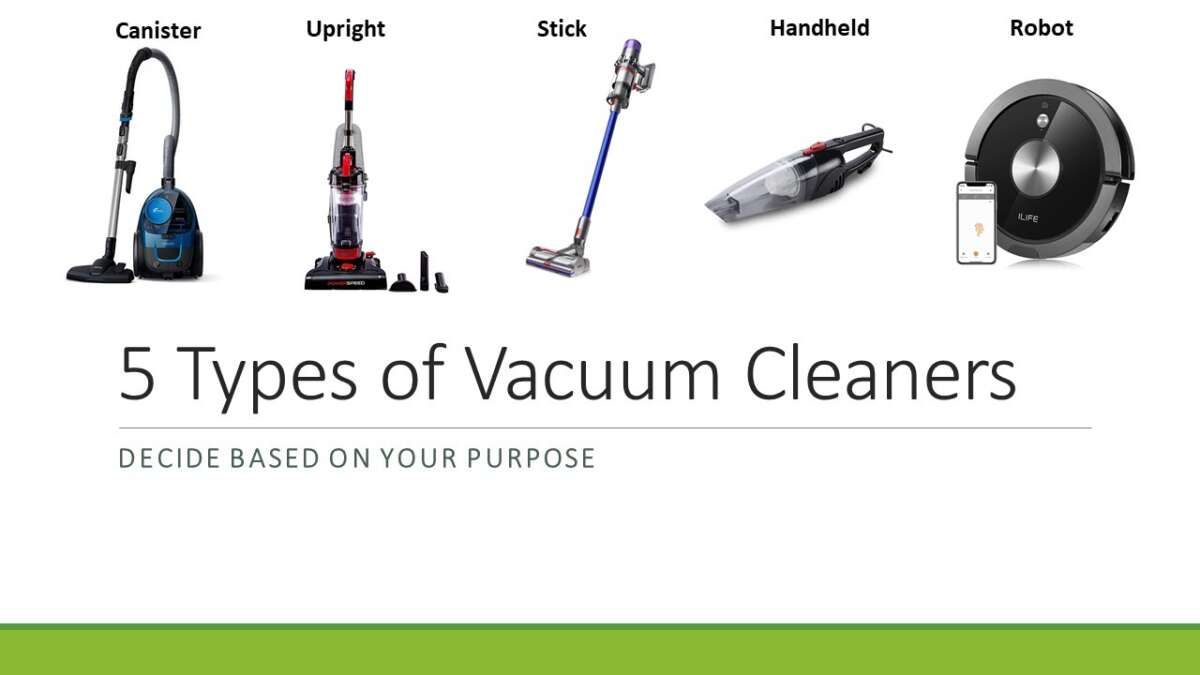
There are 10 common types of vacuum cleaner:
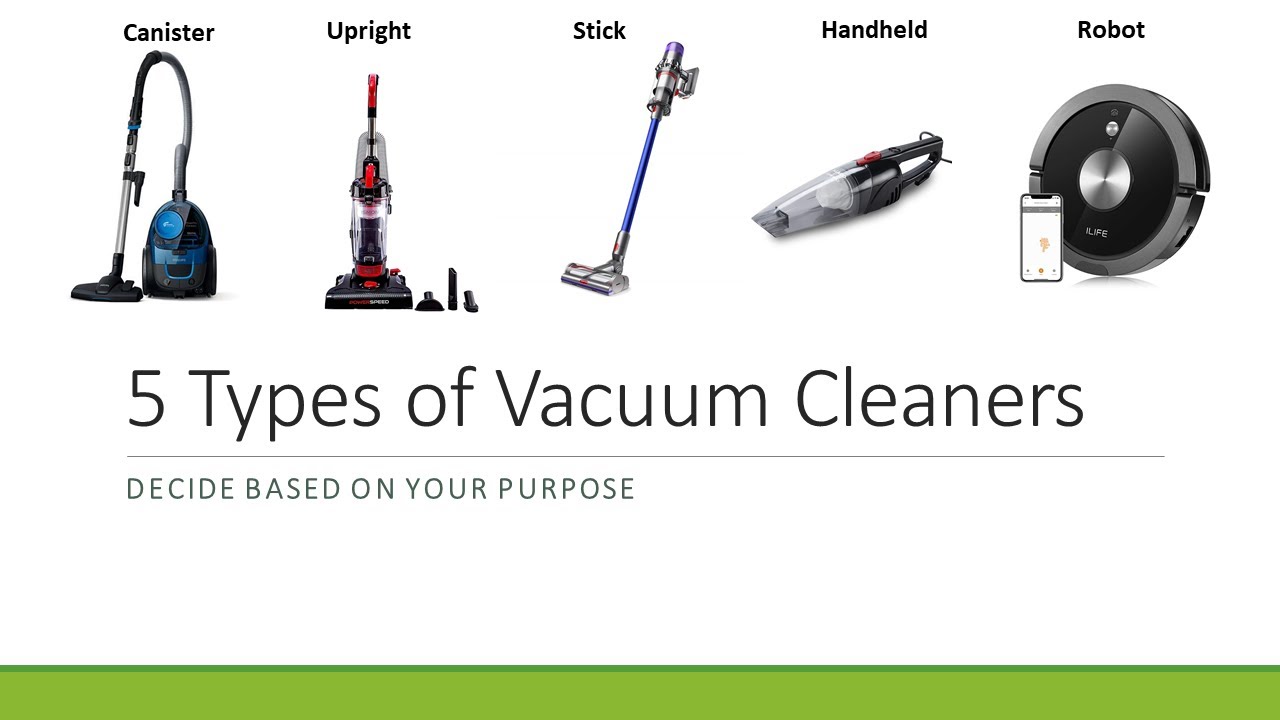
- Upright vacuum cleaners
- Canister vacuum cleaners
- Stick vacuum cleaners
- Handheld vacuum cleaners
- Robot vacuum cleaners
- Central vacuum systems
- Wet and dry vacuum cleaners
- Backpack vacuum cleaners
- Mattress vacuum cleaners
- Commercial and industrial vacuum cleaners
This count can vary. Some guides group wet and dry vacuums under shop vacuums. Others treat cordless stick vacuums as a separate category. So, when people ask how many types of vacuum cleaner are available, the answer depends on how each design is classified.
Still, these 10 categories cover nearly every vacuum cleaner found in homes, cars, offices, hotels, workshops, and factories.

1. Upright Vacuum Cleaners
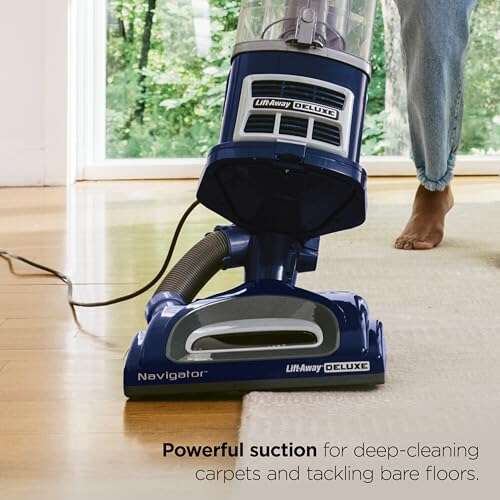
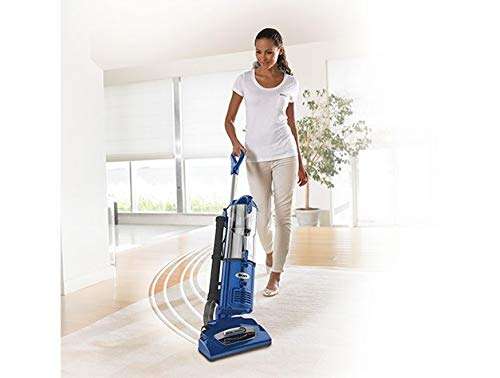
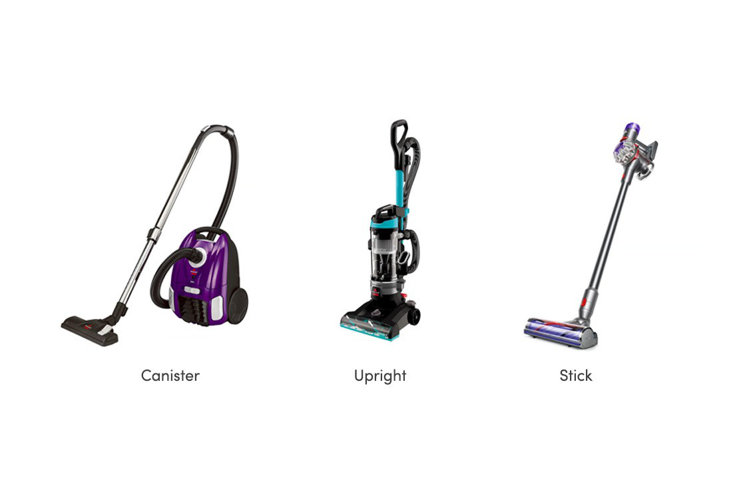
Upright vacuum cleaners are one of the most common types in the United States. They have a tall body, a cleaning head, a handle, and a motorized brush roll. Many are built for wall-to-wall carpet.
An upright vacuum can provide strong suction and a wide cleaning path. Its rotating brush helps lift dust, hair, and crumbs from carpet fibers. Some models also let you turn the brush roll off for hard floors.
Best features
• Strong carpet cleaning
• Large dust cup or bag
• Wide floor head
• Built-in hose on many models
• Easy height adjustment
Limitations
Upright models can be heavy. They may also be hard to carry up stairs or move beneath low furniture. A budget upright may clean well but produce more noise than a canister or stick model.
An upright vacuum is a good choice for a home with large carpeted rooms, pets, or frequent foot traffic. Look for sealed filtration and a brush roll that can be switched off if your home has both carpet and hard floors.
2. Canister Vacuum Cleaners
Canister vacuums have a separate motor unit connected to a floor head by a flexible hose. You pull the canister behind you while cleaning. This design may look old-fashioned, but it remains highly useful.
A canister vacuum often feels lighter in your hand than an upright. Its long hose and cleaning wand can reach stairs, curtains, ceilings, and furniture. Many canister models also perform well on bare floors because their heads do not press dirt deep into the surface.
Best features
• Excellent reach
• Easy movement on hard floors
• Useful for stairs and furniture
• Flexible cleaning tools
• Often quieter than upright models
Limitations
The separate canister can bump into walls or furniture. Storage may also take more planning. You must drag the main body while cleaning, which some users find less convenient.
A canister vacuum works well in homes with hardwood, tile, stairs, area rugs, and delicate surfaces. In my comparisons of vacuum designs, canisters often stand out when one machine must clean many surface types.

3. Stick Vacuum cleaners
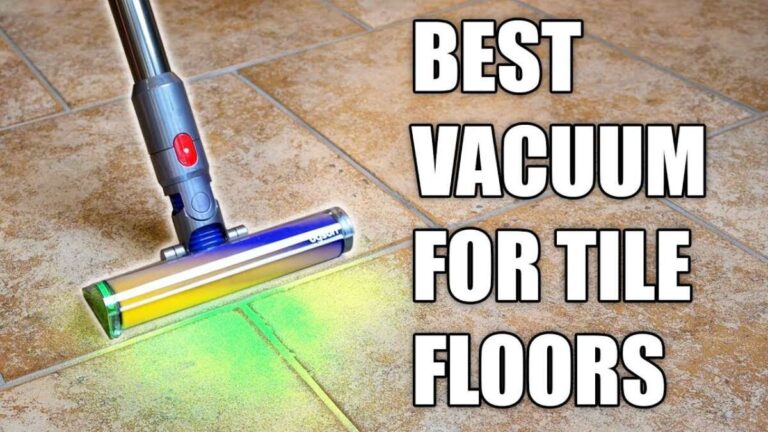
stick vacuums are slim, light, and easy to store. Many modern models run on rechargeable batteries, although corded versions are still available. They are designed for quick cleaning rather than deep cleaning alone.
A cordless stick vacuum is useful for crumbs, pet hair, and everyday dust. You can often keep it near the kitchen or entryway and use it within seconds. Some models convert into handheld vacuums for sofas, stairs, and cars.
Best features
• Lightweight design
• Fast setup
• Easy storage
• Cordless convenience
• Many useful attachments
Limitations
Battery life can be limited. The dust cup is usually smaller than that of an upright or canister vacuum. Some stick vacuums also lose power as the battery becomes empty.
A stick vacuum is best for apartments, small homes, quick cleanups, and homes with mostly hard floors. If you have thick carpet, check independent test results and choose a model with strong agitation, not just a high advertised wattage.
src="https://cdn.prod.website-files.com/6583111824b688d9f336d99d/658b3a7680fccf871399e0f1_61d5f9630048d455c7c716c6_types-of-vacuum-cleaners.jpeg"
alt="3. Stick Vacuum cleaners”
style=”max-width: 100%; height: auto; border: 2px solid black; border-radius: 10px; display: block; margin: 0 auto;”
loading=”lazy”
/>
4. Handheld Vacuum Cleaners
Handheld vacuums are compact machines made for small areas. They are useful for cleaning sofas, stairs, shelves, car seats, countertops, and keyboard debris.
Some handheld models use a cord. Others are cordless and charge on a wall mount or charging base. Their small size makes them easy to grab, but it also means they are not designed to clean an entire home.
Best features
• Very portable
• Simple to use
• Good for cars and furniture
• Easy to store
• Helpful for small spills
Limitations
Handheld vacuums have limited battery life and small dust containers. They may also lack the airflow needed for thick carpet. Holding one for a long time can cause hand or wrist fatigue.
Choose a handheld vacuum as a second cleaner, not usually as your only vacuum. It is the dustpan of the powered cleaning world: quick, practical, and best for small jobs.
5. Robot Vacuum Cleaners
Robot vacuums clean floors with little direct effort from you. Sensors help them move around furniture, walls, stairs, and other objects. Many newer models map rooms, return to their charging dock, and follow cleaning schedules.
Some robot vacuums also include a mopping feature. These machines are most useful for daily maintenance. They can collect surface dust, crumbs, and pet hair between deeper cleaning sessions.
Best features
• Automated cleaning
• Scheduled operation
• Helpful for daily dust control
• Low-profile access under furniture
• Smart mapping on many models
Limitations
A robot vacuum may struggle with cords, tassels, toys, and high thresholds. It may not clean stairs, upholstery, or tight corners well. Its small dust bin also needs regular emptying, unless the charging station includes an automatic disposal system.
Robot vacuums work best in homes with open floor plans and clear walking paths. They should support your cleaning routine, not replace every other type of vacuum cleaner.
6. Central Vacuum Systems
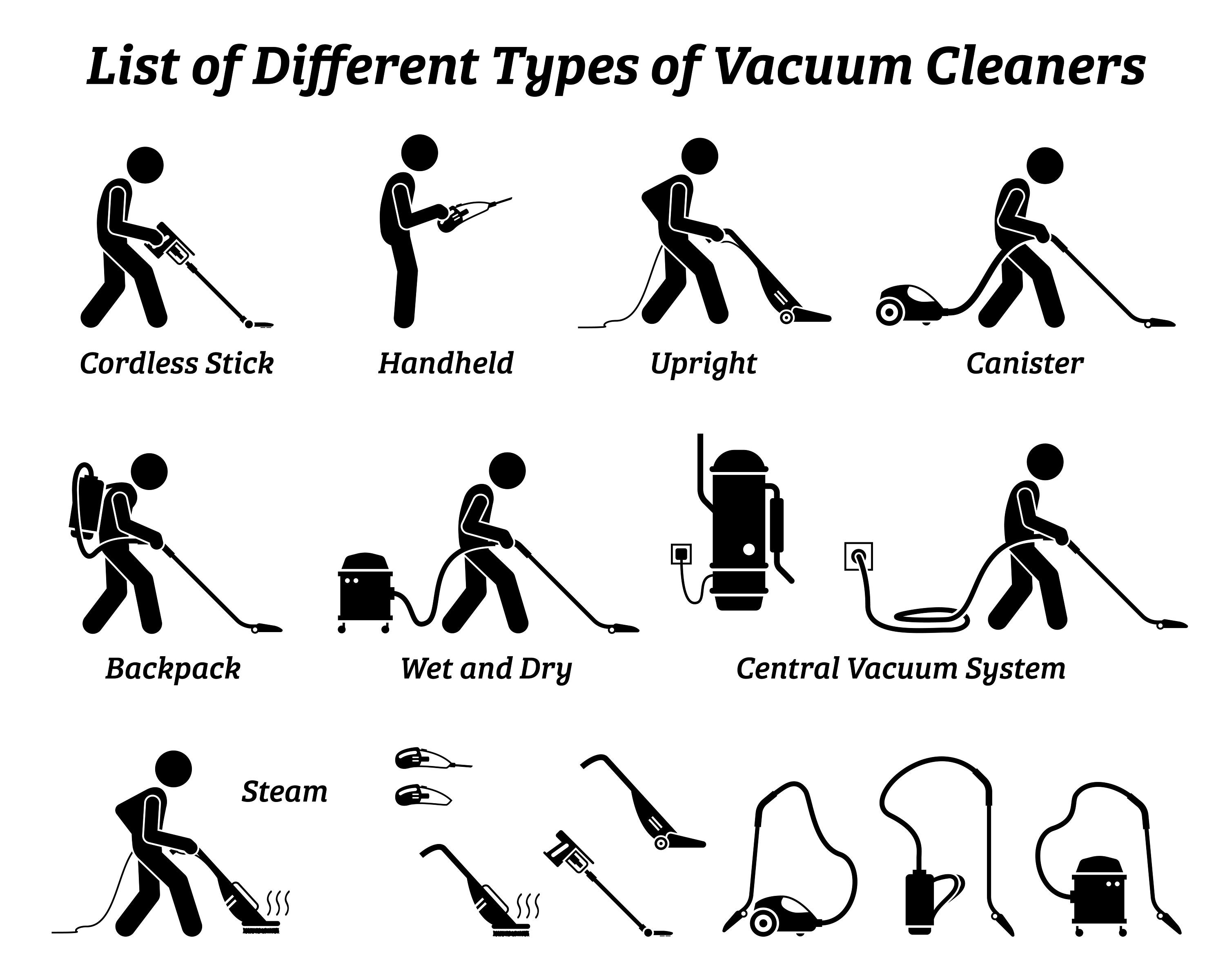
A central vacuum system uses a motor installed in a garage, basement, utility room, or another fixed location. Tubes run through the walls to inlet ports in different rooms. You connect a hose to an inlet when you want to clean.
Because the motor is away from the living area, central systems can be quieter inside the home. They also offer large dirt containers and long hoses. Some systems exhaust air outside the main living space.
Best features
• Strong cleaning reach
• Large dirt capacity
• Less noise in rooms
• No heavy motor to carry
• Useful for large homes
Limitations
Installation can be expensive. A central vacuum is not practical for most renters. The hose may also be bulky, and repairs can require professional help.
This system makes sense during new construction or major remodeling. If you are deciding how many types of vacuum cleaner to consider for a large custom home, central vacuum belongs on the list.

7. Wet and Dry Vacuum Cleaners
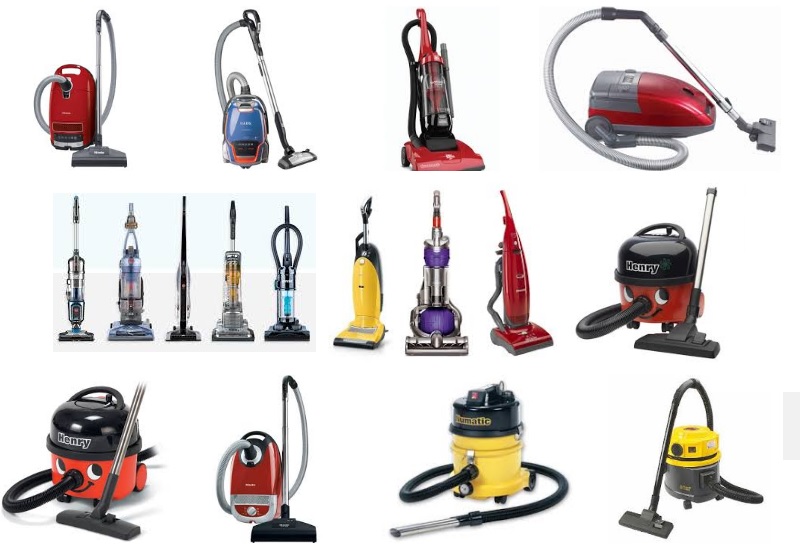
Wet and dry vacuums can collect both dry debris and certain liquid spills. They are also called shop vacuums in many American homes. Their large tanks and strong motors make them useful in garages, basements, workshops, and renovation areas.
These vacuums can collect sawdust, leaves, dirt, broken glass, and water. Some models can reverse airflow and work as blowers. However, you must follow the manual because not every model is safe for every liquid or material.
Best features
• Handles large debris
• Collects some liquid spills
• Useful for workshops
• Strong hose and tank design
• May work as a blower
Limitations
Wet and dry vacuums are often loud and bulky. They may not have the fine filtration needed for everyday indoor dust. A standard shop vacuum can also spread fine particles if its filter is missing, damaged, or unsuitable.
Never assume that a wet and dry vacuum can safely collect flammable liquids, hot ash, chemicals, or hazardous dust. Read the product instructions and use the correct filter and collection bag.
8. Backpack Vacuum Cleaners
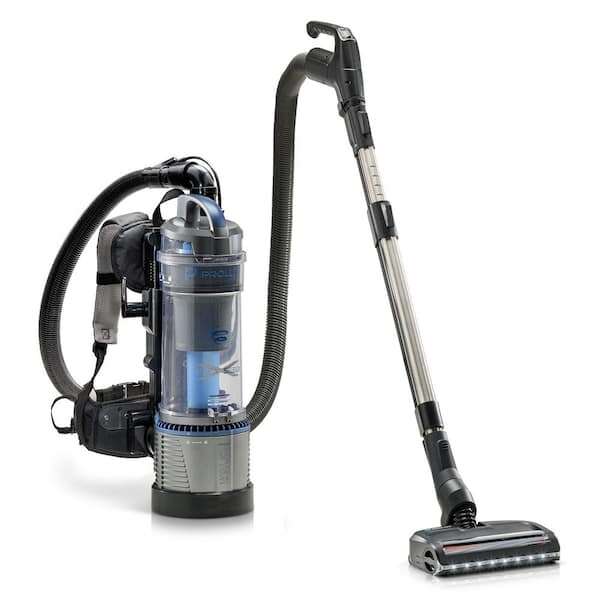
Backpack vacuums place the motor and dust container on the operator’s back. A flexible hose connects the unit to a cleaning tool. They are common in schools, offices, theaters, airplanes, and other large buildings.
The design lets the user move freely without pulling a canister or pushing an upright. It can be efficient in rooms with many chairs, desks, and narrow spaces.
Best features
• Excellent mobility
• Useful in crowded rooms
• Good for commercial cleaning
• Reduces floor-level equipment
• Works well on stairs and seating areas
Limitations
The weight rests on your back and shoulders. Poor adjustment can cause discomfort. Backpack vacuums can also be too large or noisy for normal home use.
If you manage a commercial space, choose a model with adjustable straps, balanced weight, and effective filtration. Operator comfort matters because uncomfortable equipment often gets used less carefully.
9. Mattress Vacuum Cleaners
Mattress vacuums are specialty devices designed for beds, cushions, and fabric surfaces. Many use vibration, suction, and filtration to remove dust and debris from the top layers of fabric.
Some models include ultraviolet light or heated air. These features may sound impressive, but they do not replace washing bedding, controlling humidity, or using proper allergy-reduction methods.
Best features
• Designed for fabric surfaces
• Easy to use on beds and sofas
• May remove surface dust and hair
• Often compact
Limitations
A mattress vacuum cannot remove every allergen deep inside a mattress. Ultraviolet light is only useful when the device delivers the right exposure time and intensity across the surface. Marketing claims should be viewed carefully.
Use a mattress vacuum as one part of a clean-bedroom routine. Wash bedding regularly, use suitable mattress covers, and keep indoor humidity under control.
10. Commercial and Industrial Vacuum Cleaners
Commercial and industrial vacuums are made for demanding work. They may clean warehouses, factories, hotels, construction sites, hospitals, and large retail spaces.
These machines vary widely. Some collect ordinary dust and debris. Others are built for fine particles, liquids, hazardous materials, or specialized manufacturing waste.
Best features
• Large collection capacity
• Durable construction
• Long operating time
• Strong airflow
• Specialized filtration options
Limitations
Industrial vacuums can be expensive, heavy, and too powerful for normal household cleaning. Some require special filters, grounded hoses, or strict safety procedures.
Fine dust can create serious health risks. For materials such as silica, asbestos, lead, or certain chemical powders, use equipment designed for that hazard and follow workplace safety rules. A regular household vacuum is not a safe substitute.
How Vacuum Cleaners Differ
Understanding how many types of vacuum cleaner exist is only the first step. You also need to compare the features that affect cleaning performance and comfort.
Bagged versus bagless
Bagged vacuums collect debris in a disposable or reusable bag. They can be a good choice for allergy-sensitive homes because the bag holds dust during removal. The main drawback is the ongoing cost of replacement bags.
Bagless vacuums use a dust cup. They do not require bags, but emptying the cup can release dust into the air. A sealed design and a washable or replaceable filter can improve the experience.
Corded versus cordless
Corded models provide steady power for as long as you need. They are useful for large homes and long cleaning sessions. The cord can slow you down, and you must use safe outlet and cord practices.
Cordless models offer freedom and fast setup. Battery run time depends on the power setting, battery size, floor head, and age of the battery. Check the real cleaning time, not only the manufacturer’s maximum claim.
Suction, airflow, and brush action
Suction pulls air and debris into the machine. Airflow moves that air through the hose and filters. Brush action agitates carpet so dirt can loosen from the fibers.
A high wattage number does not automatically mean better cleaning. A vacuum with good airflow, a sealed system, and an effective floor head can outperform a model with a larger motor but poor design.
Filtration
A high-efficiency filter can trap small particles. A true HEPA filter is designed to capture at least 99.97% of particles that are 0.3 microns in size under specific test conditions. The full vacuum still needs a sealed body and good seals for that filter to provide its expected benefit.
Replace filters as directed. A blocked filter reduces airflow and may make the motor work harder.
How to Choose the Right Type of Vacuum Cleaner
Use your home and cleaning habits as your guide. Do not choose based only on appearance or a long list of smart features.
- Check your floor types. Carpet may need a powered brush roll. Hard floors often need gentle suction and soft wheels.
- Consider pet hair. Look for a tangle-resistant brush, strong airflow, and easy-to-clean filters.
- Think about stairs. A canister, stick, or handheld model may be easier than a heavy upright.
- Measure storage space. A large central or commercial unit may not suit a small apartment.
- Check your reach. A long hose and wand help with ceilings, curtains, and tall shelves.
- Decide whether you prefer a bag or dust cup. Consider allergies and the cost of replacement parts.
- Compare noise levels. This matters in apartments, homes with babies, and shared work spaces.
- Review maintenance needs. Ask how often you must clean filters, remove hair, and replace belts.
- Check warranty coverage. A longer warranty may show that the manufacturer expects the machine to last.
- Match the machine to the mess. A small stick vacuum is not a substitute for a wet and dry vacuum during a renovation.
A practical lesson from comparing vacuum designs is that convenience often determines results. The vacuum that is easy to reach and simple to maintain may clean more dirt over a month than a powerful machine that stays in a closet.
Common Vacuum Cleaner Mistakes to Avoid
Even the best vacuum cleaner can perform poorly when used or maintained incorrectly.
• Using a carpet brush on delicate flooring can cause scratches.
• Ignoring a full dust cup can reduce airflow.
• Washing a filter that is not washable can damage it.
• Using a vacuum without the correct filter can release fine dust.
• Pulling a vacuum by its power cord can damage the cord and plug.
• Vacuuming liquids with a dry-only machine can create electrical and motor damage.
• Leaving hair wrapped around the brush roll can strain the belt or motor.
• Expecting a robot vacuum to handle cluttered floors without preparation can lead to jams.
• Using a household vacuum for hazardous construction dust can expose people to harmful particles.
Empty the dust cup before it reaches the maximum line. Check the brush roll often, especially if you have long hair or pets. Small maintenance tasks prevent many expensive repairs.
How to Maintain Any Vacuum Cleaner
Good maintenance helps a vacuum keep steady airflow and cleaning power. It also improves the life of the motor and brush system.
Simple maintenance routine
• Empty the dust cup or replace the bag before it becomes full.
• Clean washable filters only as the manual allows.
• Replace disposable filters on schedule.
• Cut hair and thread from the brush roll with care.
• Check hoses for clogs and cracks.
• Inspect the floor head for trapped objects.
• Keep wheels and attachments free of debris.
• Store the vacuum in a dry place.
• Charge cordless batteries according to the manufacturer’s instructions.
Do not ignore unusual smells, sparks, grinding sounds, or sudden loss of power. Unplug a corded vacuum before inspecting it. For battery models, stop use if the battery becomes swollen, unusually hot, or damaged.
Frequently Asked Questions About How Many Types of Vacuum Cleaner
How many types of vacuum cleaner are most common?
There are 10 widely recognized types: upright, canister, stick, handheld, robot, central, wet and dry, backpack, mattress, and commercial or industrial vacuums. Some classifications combine or divide these groups, so the total can vary.
Which type of vacuum cleaner is best for carpet?
An upright vacuum with a powered brush roll is often a strong choice for carpet. A canister or high-quality cordless stick vacuum can also work well if it has good agitation, airflow, and carpet-height control.
Which type of vacuum cleaner is best for hardwood floors?
Canister vacuums, stick vacuums, and some uprights work well on hardwood. Choose a model with a soft floor head or a brush roll that can be turned off to help prevent scratches.
Are robot vacuums worth buying?
Robot vacuums can be worthwhile for daily dust, crumbs, and pet hair. They work best when floors are free of cords, toys, and clutter, but they do not replace detailed cleaning of stairs, furniture, and corners.
Is a bagged or bagless vacuum cleaner better?
Bagged vacuums may be better for people who want less dust exposure when emptying the machine. Bagless models avoid bag costs, but their dust cups can release particles during disposal.
Can a wet and dry vacuum clean regular household floors?
A wet and dry vacuum can clean some household floors, but it may be bulky and lack the comfort or filtration of a home vacuum. Use it only for liquids and materials approved by the manufacturer.
What vacuum cleaner is best for pet hair?
The best option usually has strong airflow, a motorized brush, tangle control, and effective filtration. Upright, canister, and stick models can all work well when their floor heads are designed for pet hair.
Conclusion
There are 10 main types of vacuum cleaner, but no single model is perfect for every home. Uprights suit carpet, canisters handle mixed surfaces, sticks offer quick daily cleaning, robots automate routine work, and wet and dry vacuums manage larger messes.
Start by listing your floor types, pets, stairs, storage space, and normal cleaning tasks. Then choose the design that makes those jobs easier, safer, and more consistent. Explore trusted product tests, compare maintenance costs, and share your vacuum-cleaning experience in the comments.

Liora Pennings is a seasoned chef and kitchen enthusiast with a passion for turning everyday cooking into an effortless experience. With years of hands-on culinary expertise, she specializes in practical techniques, ingredient know-how, and smart kitchen solutions that help home cooks elevate their meals. At KitchFlair.com, Liora shares her best tips, time-saving tricks, and honest product reviews to guide readers toward a more efficient, enjoyable, and inspired cooking routine. Whether you’re a beginner or a seasoned home chef, Liora’s friendly, knowledge-packed insights make every visit to the kitchen a little easier—and a lot more delicious.