How Is Vacuum Cleaner Suction Power Measured: Simple Guide
Vacuum cleaner suction power is measured mainly through water lift, airflow, and air watts in controlled tests.
If you have ever compared vacuum cleaners, you may have noticed watts, CFM, air watts, and kPa on product pages. These numbers do not mean the same thing. Understanding how is vacuum cleaner suction power measured helps you compare machines fairly, avoid misleading claims, and choose a vacuum that fits your floors, rugs, pets, and home.

How Is Vacuum Cleaner Suction Power Measured?
Manufacturers and test labs use several measurements to describe vacuum cleaner suction power. The most common are:
• Water lift, also called sealed suction, which shows how strongly the vacuum can pull against resistance
• Airflow, usually measured in cubic feet per minute, or CFM, which shows how much air moves through the system
• Air watts, which combine suction pressure and airflow into one performance figure
• Kilopascals, or kPa, which express pressure in metric units
No single number tells the whole story. A vacuum needs both strong pressure and steady airflow to remove dirt from a floor and carry it into the dust bin or bag.
When people ask how is vacuum cleaner suction power measured, they often expect one simple rating. In practice, suction power is a system result. The motor, fan, hose, filter, floor head, seals, and dust container all affect the final cleaning performance.
What Is Vacuum Suction?
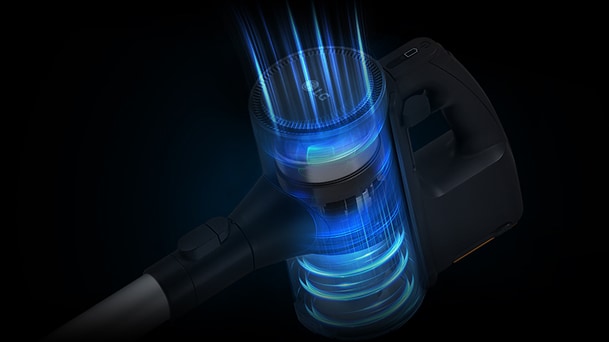
Vacuum suction is the pulling force created when a motor and fan reduce air pressure inside the vacuum. Air from the room then moves toward the lower-pressure area, carrying dust and debris with it.
Think of suction as the vacuum’s pulling grip. Airflow is the moving stream that carries the dirt away. A machine may have a strong pull at a blocked opening but still move too little air through the cleaning head.
This difference explains why two vacuums with similar motor wattage can clean very differently. One may have better airflow, tighter seals, a cleaner filter, or a more effective brush roll.
Suction pressure versus airflow
Suction pressure measures force. Airflow measures volume.
• High suction pressure helps lift dirt from cracks, rugs, and dense carpet.
• Strong airflow helps transport dirt through the hose and into the bin.
• A well-designed vacuum balances both values.
A useful comparison is drinking through a straw. The pull you create is similar to suction pressure. The amount of liquid that moves through the straw is similar to airflow. Both matter for useful cleaning.

Water Lift and Sealed Suction
Water lift is one of the oldest and clearest ways to measure vacuum suction. In a sealed test, the vacuum pulls against a column of water. The height of that column shows how much pressure the machine can create.
Water lift may be reported in inches of water, written as inH₂O or water lift. Some manufacturers use millimeters of water or kilopascals instead.
A higher water-lift number means the vacuum can create more pressure under sealed conditions. This can be useful for judging how well it may pull dirt from carpet fibers or narrow gaps.
However, sealed suction does not perfectly represent normal cleaning. During real use, the vacuum is not fully blocked. Air must flow through the floor head, hose, filter, and dust container.
Why sealed suction matters
Water lift can reveal the strength of a vacuum motor and fan when the airflow path faces resistance. It is especially useful for:
• Comparing the vacuum’s pressure potential
• Evaluating performance through hoses and filters
• Understanding how the machine handles resistance
• Checking whether suction drops when the system becomes restricted
Still, sealed suction should not be viewed alone. A vacuum with impressive water lift may move air poorly through a wide floor head.
Airflow and CFM
Airflow measures the amount of air a vacuum moves over a set period. In the United States, it is commonly shown in cubic feet per minute, or CFM.
Airflow may be measured at the hose opening or at the cleaning head. These locations can produce very different results. A hose measurement may look strong, while airflow at the floor head may be lower because of the brush roll, seals, bends, and filters.
For many full-size vacuums, airflow is a strong indicator of practical cleaning ability. It shows how well the machine can move air and dirt through its cleaning path.
When learning how is vacuum cleaner suction power measured, pay close attention to where the airflow test was performed. A number without a test location is hard to compare.
What affects airflow?
Several parts of a vacuum can reduce airflow:
• A full bag or dust bin
• A clogged pre-motor or exhaust filter
• A blocked hose
• A poorly sealed floor head
• A narrow or twisted air path
• Excess hair wrapped around the brush roll
This is why regular maintenance matters. A vacuum can lose useful cleaning power even when its motor still works normally.

What Are Air Watts?
Air watts combine airflow and suction pressure into a single performance value. A common formula is:
Air watts = airflow × water lift ÷ a conversion factor
The exact formula can vary based on the units and testing method. For this reason, air-watt ratings should be compared only when the manufacturers use similar test conditions.
Air watts can be more useful than electrical watts because they focus on the air-moving work done by the vacuum. Electrical watts show how much power the motor consumes. They do not directly show how much dirt the vacuum removes.
For example, a motor may use more electricity but waste energy through heat, noise, or poor airflow design. Another vacuum may use less electricity while moving air more efficiently.
Air watts are helpful, but they are not a perfect universal score. Floor design, brush action, suction control, and filtration still affect real-world results.
Are Motor Watts the Same as Suction Power?
No. Motor watts measure electrical input, not cleaning performance.
A high-watt motor may support strong suction, but the final result depends on the fan design and the rest of the air path. A vacuum with a lower watt rating can sometimes clean better because it has better seals, a more efficient fan, and a well-designed nozzle.
This is one of the most common mistakes people make when researching how is vacuum cleaner suction power measured. They see a large watt number and assume it means stronger suction.
Use motor wattage to understand energy use and motor size. Use water lift, airflow, and air watts to learn more about suction and cleaning potential.

How Do Test Labs Measure Vacuum Suction?
A controlled test usually follows a set process. The exact method depends on the laboratory, product type, and standard being used.
A typical evaluation may include these steps:
-
The vacuum is fitted with a specified hose, tube, or cleaning head.
-
The machine runs at a defined power setting.
-
A gauge measures pressure at the intake or hose.
-
Airflow is measured as air passes through the system.
-
The test may be repeated with different filters, heads, or levels of resistance.
-
Results are recorded using water lift, CFM, air watts, kPa, or a combination.
Industry standards help make testing more consistent. Standards used for vacuum testing can define equipment, setup, and performance procedures, but product labels do not always provide enough detail for a direct comparison.
This limitation matters. One brand may report airflow at the hose. Another may report suction at the motor. A third may list a peak figure measured in a special mode.

What Does kPa Mean on a Vacuum?
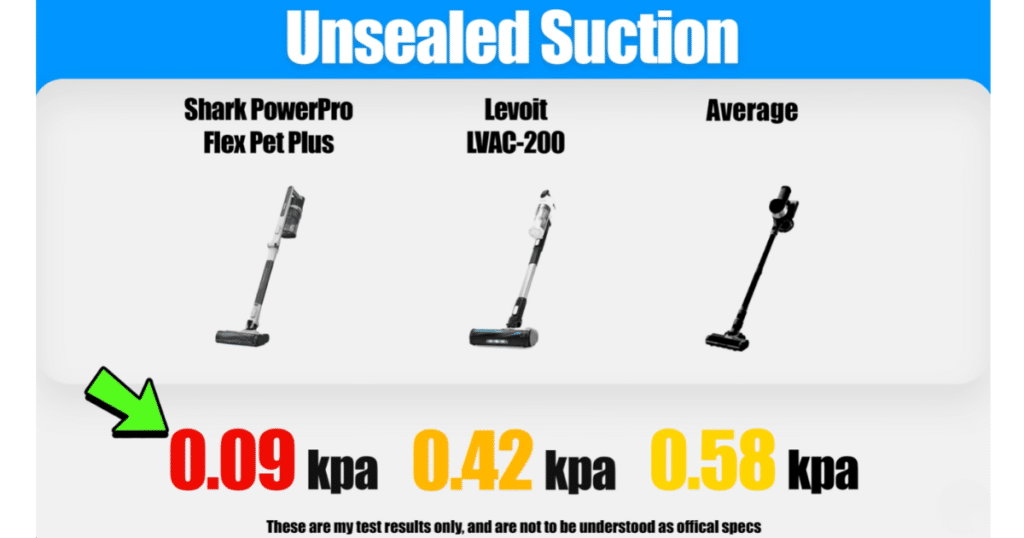
Kilopascals measure pressure. Many cordless stick vacuums and robot vacuums use kPa in product specifications.
A higher kPa value generally means greater suction pressure at the tested opening. It does not automatically mean better cleaning across a whole floor.
For example, a robot vacuum can show strong kPa at a small inlet but still collect less debris than a larger upright vacuum. The upright may have a wider head, better brush action, and greater airflow.
Use kPa as one clue. Also check the cleaning head, brush roll, battery mode, dust-bin design, and independent reviews.
Common pressure conversions
The following rough relationships can help:
• 1 kilopascal equals about 4.02 inches of water lift.
• 1 inch of water lift equals about 0.249 kilopascals.
These conversions are useful for understanding units, but they do not solve differences in test conditions.
How Is Vacuum Cleaner Suction Power Measured in Real Use?
Laboratory numbers are useful, but home cleaning adds many variables. The vacuum must pull air through a real floor head while picking up dust, crumbs, hair, and larger particles.
The floor surface changes the result. Hard floors often need controlled airflow and a head that does not scatter debris. Thick carpet may need stronger agitation from a motorized brush. Delicate rugs may require lower suction to prevent lifting or damage.
In my own vacuum comparisons, one practical lesson has stood out: the vacuum that sounds strongest is not always the one that cleans best. I have seen a quieter model remove more fine dust because its head sealed well and its brush roll reached deeper into the carpet.
I also learned to test a vacuum with an empty bin and then again after several cleaning sessions. A small filter restriction can make a noticeable difference. That simple check often reveals more than a large number printed on a box.
What Makes a Vacuum Clean Well?
Suction power is important, but cleaning performance depends on several connected features.
Motor and fan design
The motor spins the fan, which creates the pressure difference. A strong, efficient fan can produce useful airflow without requiring excessive electrical power.
Floor head design
The floor head controls how closely the vacuum contacts the surface. A good seal can improve pickup, but a head that seals too tightly may be difficult to push.
Brush roll action
A motorized brush roll agitates carpet fibers and loosens embedded dirt. This can make a major difference, especially with pet hair and fine dust.
Filtration
Filters protect indoor air quality and the motor. Yet a dirty filter restricts airflow and reduces performance.
Seals and connections
Cracks around the hose, wand, bin, or floor head allow air to enter before it reaches the cleaning surface. This can reduce useful suction.
Dust-bin or bag capacity
As the container fills, airflow may decline. Bagged vacuums often maintain steady performance until the bag becomes full, while bagless models need regular filter and cyclone care.
How to Compare Vacuum Suction Ratings
A fair comparison requires more than looking for the biggest number. Use the following process:
-
Check which measurement is listed: water lift, CFM, air watts, kPa, or motor watts.
-
Find out where the test was taken: at the hose, motor, inlet, or floor head.
-
Confirm whether the rating is a peak value or a normal operating value.
-
Compare corded vacuums with corded vacuums and cordless vacuums with cordless vacuums.
-
Review the cleaning head and brush roll, not just the motor.
-
Look for independent pickup tests on hard floors and carpets.
-
Consider filtration, noise, battery runtime, weight, and maintenance.
-
Match the vacuum to your home rather than choosing the largest number.
For example, a home with tile floors, low-pile rugs, and a shedding dog may benefit from strong airflow and an effective tangle-resistant brush. A thick-carpet home may need higher water lift and a height-adjustable motorized head.
Common Mistakes When Judging Suction Power
Many buying mistakes come from treating one rating as a complete answer.
• Assuming higher motor wattage always means better suction
• Comparing kPa from one brand with air watts from another
• Ignoring where the test was performed
• Forgetting that battery mode can change cordless performance
• Overlooking filter blockage and dust-bin fullness
• Choosing maximum suction for every floor type
• Ignoring the brush roll and floor-head seal
• Trusting peak laboratory figures as everyday results
Maximum suction is not always ideal. On curtains, loose rugs, and some delicate fabrics, excessive suction can make the tool hard to control or may pull material into the nozzle.
How to Improve a Vacuum’s Suction
If your vacuum feels weak, test the simple causes first. Many suction problems come from maintenance issues rather than motor failure.
-
Empty the dust bin or replace the bag.
-
Clean or replace washable and disposable filters as directed.
-
Check the hose, wand, and floor head for blockages.
-
Remove hair from the brush roll.
-
Inspect seals for cracks or loose connections.
-
Make sure the floor head is set correctly for the surface.
-
Charge a cordless vacuum fully and select the correct power mode.
Do not wash a filter unless the manual says it is washable. Reinstalling a damp filter can damage the motor and create odor or mold.
Why Suction Ratings Have Limits
Vacuum measurements are valuable, but they are not a complete prediction of user experience. Testing conditions can differ in temperature, altitude, filter condition, power mode, and measurement location.
A vacuum may also perform differently as its battery voltage drops. Cordless models often have their highest suction in a short boost mode, while normal mode offers longer runtime.
Independent pickup tests can add useful context, but they also have limits. Results depend on the test material, floor type, number of passes, and machine settings.
The most trustworthy approach is to combine published measurements with real cleaning tests, warranty information, maintenance instructions, and feedback from users with similar floors.
Frequently Asked Questions About How Is Vacuum Cleaner Suction Power Measured
Is suction power measured in watts?
Electrical watts measure how much power the vacuum uses, not how much suction it creates. Water lift, airflow, air watts, and kPa give more direct information about suction performance.
What is the best measurement of vacuum suction power?
There is no single best measurement for every vacuum. Airflow and water lift together usually provide a clearer picture than either number alone, while air watts can offer a useful combined rating when testing conditions match.
Is higher kPa always better?
No. Higher kPa means stronger pressure under the stated test conditions, but cleaning also depends on airflow, floor-head design, brush action, and filtration. A high-kPa vacuum may not pick up more dirt in every home.
What is the difference between suction and airflow?
Suction is the pulling pressure created by the vacuum. Airflow is the amount of air moving through the system, and effective cleaning needs a good balance of both.
Do cordless vacuums lose suction as the battery gets low?
They can. Many cordless models reduce motor speed or enter a lower-power state as the battery loses charge, which may reduce airflow and suction.
How often should vacuum filters be cleaned?
Follow the manufacturer’s schedule because filter types vary. In homes with pets, children, or heavy dust, filters may need attention more often than the standard recommendation.
Conclusion
Vacuum cleaner suction power is measured through several related values, including water lift, airflow, air watts, and kPa. Motor watts show electrical consumption, but they do not tell you how well a vacuum will remove dirt.
The most useful comparison considers the full cleaning system: motor, fan, floor head, brush roll, filters, seals, and dust container. Check how and where a rating was measured, then match the vacuum to your floors and daily needs.
Use these measurements as a guide, not the whole decision. Compare real pickup results, maintain the machine well, and explore reliable product tests before buying your next vacuum.

Liora Pennings is a seasoned chef and kitchen enthusiast with a passion for turning everyday cooking into an effortless experience. With years of hands-on culinary expertise, she specializes in practical techniques, ingredient know-how, and smart kitchen solutions that help home cooks elevate their meals. At KitchFlair.com, Liora shares her best tips, time-saving tricks, and honest product reviews to guide readers toward a more efficient, enjoyable, and inspired cooking routine. Whether you’re a beginner or a seasoned home chef, Liora’s friendly, knowledge-packed insights make every visit to the kitchen a little easier—and a lot more delicious.