How Do You Use A Rainbow Vacuum Cleaner: Easy Guide
Fill the basin with clean water, attach the right tool, and vacuum slowly with the Rainbow water filtration system running.
Learning how to use a Rainbow vacuum cleaner is simple once you understand its water basin, separator, hose, and attachments. This guide explains setup, dry vacuuming, wet pickup, cleaning, common mistakes, and safe habits so you can get strong results without damaging the machine or your floors.
What Is a Rainbow Vacuum Cleaner?
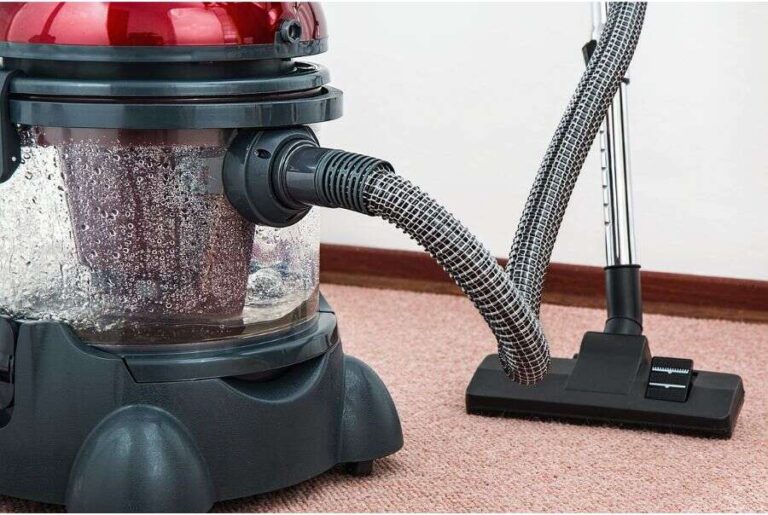
A Rainbow vacuum cleaner is a canister vacuum that uses water as its primary filtration medium. Dust and debris move through the water basin, while the motor and separator help maintain airflow.
Unlike a standard bag vacuum, most Rainbow models do not store dry dirt in a disposable bag. Instead, dirt collects in the water pan, which you empty after use. Some models also support wet pickup, shampooing, and air-cleaning features when the correct accessories are attached.
The exact controls may vary between models, such as the Rainbow E2, E2 Black, SRX, and older Series models. Always check your owner’s manual before using special tools or cleaning solutions.

How Do You Use a Rainbow Vacuum Cleaner for Dry Vacuuming?
The basic dry vacuuming process has five stages: prepare the water basin, connect the hose, choose the tool, vacuum slowly, and clean the basin.
1. Prepare the water basin
Before learning how do you use a Rainbow vacuum cleaner, start with the water pan.
- Turn the vacuum off and unplug it.
- Remove the water basin from the main unit.
- Fill the basin with cool, clean water to the marked fill line.
- Do not overfill the basin.
- Reattach the basin firmly to the vacuum body.
The water level matters. Too little water may reduce filtration performance, while too much water can cause splashing or moisture to reach areas that should stay dry.
2. Attach the hose and wand
Connect the vacuum hose to the air inlet on the main unit. Attach the wand or hose handle, then choose the floor tool, upholstery tool, dusting brush, or crevice tool.
Make sure each connection clicks or locks into place. A loose hose can reduce suction and make the vacuum sound unusually loud.
3. Turn on the vacuum
Plug the machine into a grounded electrical outlet. Turn on the motor and let it run for a few seconds before cleaning.
Listen to the sound of the motor. A steady sound is normal. Stop the machine if you hear grinding, sharp rattling, or repeated changes in motor speed.
4. Vacuum in slow passes
Move the floor nozzle slowly across the surface. Use overlapping passes, much like mowing a lawn. Slow movement gives the vacuum more time to lift dust, hair, and grit.
For carpets, make several passes in different directions. For hard floors, use the proper floor setting or hard-floor attachment so the nozzle does not scratch the surface.
5. Empty the water after use
When you finish, turn off and unplug the vacuum. Remove the basin and pour the dirty water into a sink or toilet.
Rinse the basin with clean water, then dry it before storage. Leaving dirty water inside can cause odors and allow bacteria or mold to grow.

How Do You Use a Rainbow Vacuum Cleaner on Different Floors?
The best method depends on the floor material. The correct attachment protects the surface and helps the vacuum collect more debris.
Carpet
Use the motorized or carpet floor nozzle designed for your model. Adjust the height if your vacuum includes a height setting.
Vacuum high-traffic areas slowly. Pay extra attention to entryways, under tables, and beside sofas, where sand and fine grit often collect.
For thick carpet, avoid forcing the nozzle down too hard. The brush may stop spinning or the motor may strain if airflow becomes restricted.
Hardwood and laminate
Use a hard-floor tool or a setting that stops the brush roll. Small stones and grit can scratch wood and laminate.
Keep the vacuum dry during ordinary floor cleaning. Do not use wet pickup or apply water unless the flooring maker says the surface can handle it.
Tile and vinyl
A hard-floor tool usually works well on tile and vinyl. Use the crevice tool around baseboards and in grout lines when needed.
Avoid excessive moisture around loose tiles, damaged grout, or seams. Water can move under some flooring and cause swelling or odor.
Area rugs
Test the tool on a hidden corner first. Some rugs have loose fibers, fringe, or dyes that can react poorly to a powered brush.
Use gentle passes on delicate rugs. Turn off the brush roll when the rug maker recommends it.
Upholstery and stairs
Use the upholstery tool for sofas, chairs, mattresses, and stairs. Move it in short strokes rather than pressing down with force.
Check furniture labels before cleaning. “W” often means water-based cleaning is allowed, while “S” usually indicates a solvent-based method. A dry vacuuming tool is safer when the label is unclear.

How Do You Use a Rainbow Vacuum Cleaner for Wet Pickup?
Some Rainbow systems can collect liquid, but wet pickup requires the correct attachment and setup. Never assume a standard dry vacuum hose is ready for water pickup.
Follow these general steps:
- Turn off and unplug the vacuum.
- Empty and rinse the water basin.
- Attach the approved wet pickup tool or extractor.
- Connect the hose as shown in the manual.
- Remove any dry-only accessory that should not contact liquid.
- Plug in the vacuum and collect small amounts of liquid at a time.
- Stop if the machine sounds strained or if liquid moves toward the motor.
- Turn off and unplug the unit before removing the basin.
Wet pickup is useful for small spills, but it is not a replacement for a commercial wet vacuum unless your model specifically supports that work. Never use a Rainbow vacuum to collect flammable liquids, hot liquids, solvents, fuel, or large amounts of standing water.
After wet pickup, wash and dry every part that touched the liquid. This helps prevent odors, residue, and microbial growth.

How Do You Use a Rainbow Vacuum Cleaner With Shampoo?
Rainbow models with the proper shampoo attachment can clean some carpets and upholstery. This process is different from ordinary dry vacuuming because it introduces cleaning solution and moisture.
Before shampooing:
• Read the instructions for your exact Rainbow model.
• Confirm that the carpet or fabric is suitable for wet cleaning.
• Test the solution on a hidden area.
• Move small furniture away from the work area.
• Vacuum loose dirt first.
Use only the recommended solution and the correct amount. Too much cleaner can leave a sticky residue that attracts more dirt.
Apply the solution in controlled passes. Do not soak the carpet. After washing, extract as much moisture as possible and allow the surface to dry fully before walking on it.
Poor ventilation can slow drying. Open windows, use fans, and avoid replacing furniture until the carpet is completely dry. If the carpet remains damp for too long, it may develop a musty smell or encourage mold growth.

How Do You Use a Rainbow Vacuum Cleaner as an Air Cleaner?
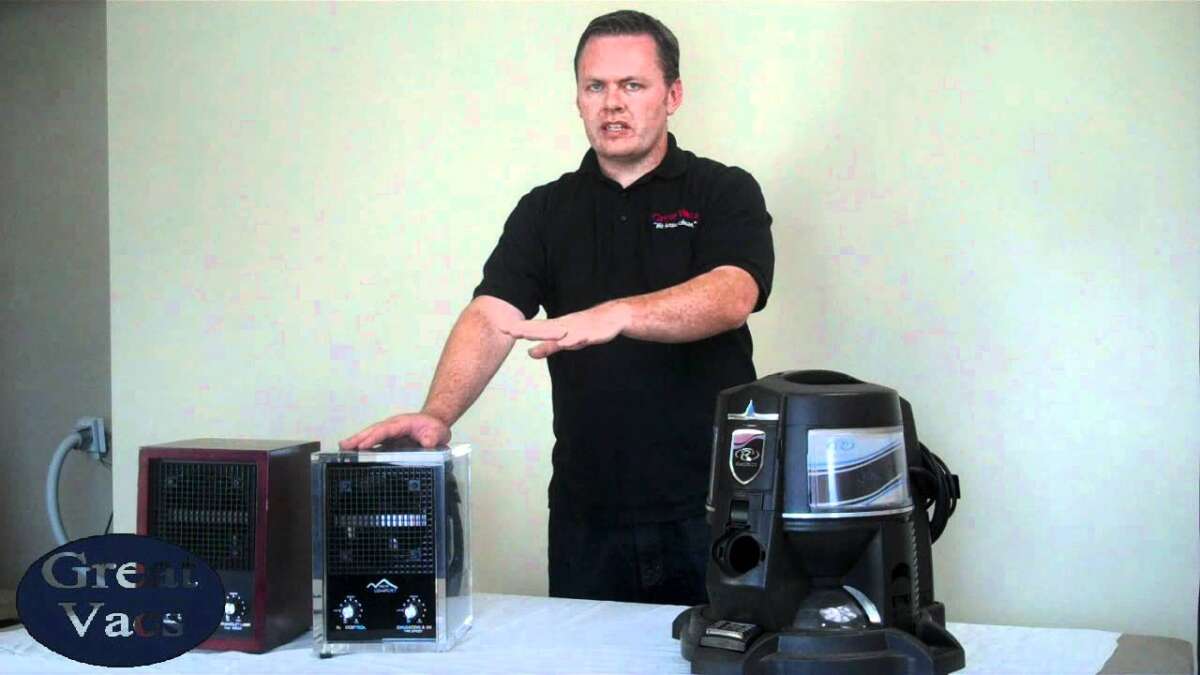
Many Rainbow systems can circulate and filter room air when used with the appropriate air-cleaning attachment. This may help reduce airborne dust, but it does not replace ventilation or a certified air purifier for every air-quality concern.
To use the air-cleaning feature:
- Fill the basin to the correct line.
- Attach the air-cleaning or neutralizer accessory.
- Place the unit on a stable surface.
- Run it for the time stated in the manual.
- Keep doors and windows closed if you are trying to reduce indoor dust during the cycle.
- Empty and rinse the basin afterward.
Do not use fragrance additives unless the manufacturer specifically approves them. Oils and unapproved liquids may damage parts, create residue, or irritate people with allergies.
If someone in your home has asthma or severe allergies, focus on proven steps such as reducing dust sources, washing bedding, controlling humidity, and using suitable filtration. A water basin alone is not a guarantee of improved health.
How Do You Use Rainbow Vacuum Cleaner Attachments?
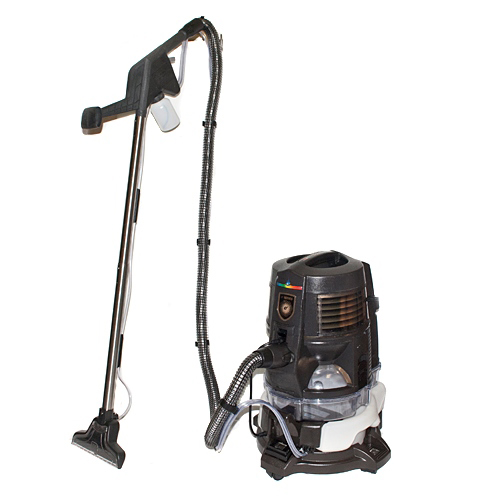
Rainbow attachments are designed for different surfaces and types of debris. Using the wrong tool can lower cleaning performance or damage a surface.
Common attachments
• Floor nozzle: Cleans carpets and hard floors, depending on the setting.
• Upholstery tool: Removes dust from sofas, chairs, mattresses, and fabric surfaces.
• Dusting brush: Cleans shelves, blinds, lampshades, and delicate surfaces.
• Crevice tool: Reaches corners, seams, vents, and narrow gaps.
• Pet tool: Helps collect hair from fabric and carpet when included with the model.
• Hard-floor tool: Protects smooth floors and collects fine debris.
• Wet pickup tool: Collects liquid when approved for the model.
Choose the attachment before switching on the machine. If an attachment becomes clogged, turn off and unplug the vacuum before clearing it.
In my practical use of water-filter vacuums, the most common mistake is using the carpet head on every surface. The correct tool often improves results more than moving the vacuum faster or increasing suction.

How Do You Use a Rainbow Vacuum Cleaner Safely?
Safe use begins with electricity, water, and airflow. A Rainbow vacuum combines all three, so small habits matter.
Follow these safety rules:
• Keep the motor unit away from standing water.
• Do not pull the vacuum by its cord.
• Inspect the cord and plug before use.
• Keep children and pets away from moving brushes.
• Unplug the vacuum before maintenance.
• Never block the air openings.
• Do not vacuum hot ashes, burning objects, or flammable liquids.
• Keep fingers, hair, clothing, and jewelry away from the brush roll.
• Use only approved accessories and cleaning products.
• Stop using the machine if water reaches the motor area.
Do not vacuum fine powders in large amounts without checking the manual. Materials such as drywall dust, fireplace ash, flour, and cement dust may pass through filters, clog the system, or damage the motor.
If the machine trips a circuit breaker, smells hot, or loses power repeatedly, unplug it and have it inspected. Continuing to run a struggling motor can turn a small problem into an expensive repair.

How Do You Use a Rainbow Vacuum Cleaner Without Losing Suction?
Loss of suction usually comes from a full or dirty water basin, a clogged hose, a blocked tool, or an incorrectly fitted separator.
Check these areas in order:
- Turn off and unplug the vacuum.
- Empty the dirty water.
- Refill the basin to the correct line.
- Inspect the hose for blockages.
- Check the floor nozzle and wand.
- Clean the separator according to the manual.
- Confirm that the basin is fully locked in place.
- Restart the vacuum.
Do not run the machine for long periods with dirty water. As debris builds up, airflow can drop and the motor may work harder.
A helpful habit is to check the hose after vacuuming pet hair, string, toys, or large crumbs. These items can form a blockage near the hose opening or inside the wand.
How Do You Clean and Maintain a Rainbow Vacuum Cleaner?
Good maintenance keeps the vacuum fresh and protects its airflow. The water basin should be cleaned after every use, even when the water looks only slightly dirty.
After every use
• Turn off and unplug the machine.
• Remove and empty the water basin.
• Rinse the basin with clean water.
• Wipe away dirt around the basin rim.
• Allow the basin to air-dry.
• Check the hose and floor tool for blockages.
Regular maintenance
Clean the separator as directed by the owner’s manual. Some models allow the separator to be removed for washing, while others require a specific tool or method.
Inspect seals and gaskets for cracks. A damaged seal can allow air leaks, reduce performance, or let water move into areas where it does not belong.
Store the vacuum in a dry, ventilated place. Do not close a damp basin or leave wet accessories inside a sealed cabinet.
Manufacturers may recommend periodic service for motor brushes, belts, electrical parts, or other internal components. Do not open the motor housing unless you are trained and the manual permits it.
Common Mistakes to Avoid
Knowing how do you use a Rainbow vacuum cleaner also means knowing what not to do.
Overfilling the basin
More water does not mean better filtration. Fill only to the marked line.
Leaving dirty water inside
Dirty water creates odor and residue. Empty the basin as soon as cleaning ends.
Using unapproved additives
Perfume, essential oils, bleach, and household cleaners may damage the vacuum or release irritating vapors. Use only products approved for your model.
Vacuuming large spills with a dry setup
A dry configuration may not be designed for liquid. Use the approved wet pickup system or remove the liquid by another safe method.
Moving too fast
Fast passes may leave embedded dirt behind. Slow, overlapping strokes usually clean better.
Ignoring unusual sounds
A new rattle, burning smell, or sharp vibration is a warning. Stop and inspect the machine before using it again.
Storing the machine wet
Moisture trapped in the basin, hose, or tools can create a musty smell. Dry each washable part before storage.
Benefits and Limitations of a Rainbow Vacuum Cleaner
A Rainbow vacuum cleaner has several practical benefits:
• Water filtration can capture dirt in the basin instead of a disposable bag.
• The basin makes collected debris easy to see.
• Many models support multiple tools and cleaning tasks.
• The system can be useful for homes with carpets, pets, and varied floor types.
• Reusable components may reduce dependence on vacuum bags.
However, it also has limitations:
• The machine must be filled before dry vacuuming.
• The water basin must be emptied and washed after use.
• The unit may be heavier and less convenient than a small stick vacuum.
• Wet cleaning requires extra setup and drying time.
• The purchase price and maintenance needs may be higher than basic vacuums.
• Water filtration does not remove every indoor air pollutant.
For a large home, a lightweight vacuum may be easier for daily crumbs. For deep cleaning and multi-surface use, a Rainbow system may be more useful. The best choice depends on your floors, storage space, budget, and willingness to maintain the water basin.
A Simple Rainbow Vacuum Cleaning Routine
If you want a routine that is easy to remember, use this sequence:
- Inspect the cord, hose, and attachments.
- Fill the basin to the marked line.
- Attach the correct floor tool.
- Vacuum slowly in overlapping passes.
- Use smaller tools for furniture, corners, and stairs.
- Turn off and unplug the unit.
- Empty the dirty water.
- Rinse and dry the basin.
- Check for clogs.
- Store the machine in a dry place.
For homes with pets, vacuum high-traffic areas several times each week. For other homes, a weekly full cleaning and quick spot cleaning may be enough.
The key lesson is consistency. A well-maintained vacuum used often will usually perform better than a powerful vacuum that sits unused because setup feels difficult.
Frequently Asked Questions About How Do You Use a Rainbow Vacuum Cleaner
Do you put water in a Rainbow vacuum cleaner every time?
Yes, dry vacuuming normally requires clean water in the basin up to the marked fill line. Empty and rinse the basin after each use.
Can you use a Rainbow vacuum cleaner without water?
You should not use the standard water-filtration setup without water. Operating it dry may reduce filtration and can conflict with the instructions for your model.
Can a Rainbow vacuum cleaner pick up water?
Some Rainbow models can pick up liquid with an approved wet pickup attachment and setup. Do not collect large spills, hot liquids, flammable liquids, or chemicals.
How often should you clean the Rainbow water basin?
Clean and dry the basin after every use. Regularly inspect the separator, hose, seals, and tools for buildup or blockages.
Why does my Rainbow vacuum smell bad?
A bad smell often comes from dirty water, a damp basin, clogged attachments, or residue in the hose. Empty the basin, wash the removable parts, clear blockages, and let everything dry fully.
Can you use essential oils in a Rainbow vacuum cleaner?
Do not add essential oils unless the manufacturer specifically approves them for your model. Unapproved oils may damage parts, leave residue, or irritate sensitive people and pets.
Can you use a Rainbow vacuum cleaner on hardwood floors?
Yes, use the correct hard-floor tool or setting. Avoid a spinning brush and keep the floor dry unless the flooring manufacturer approves wet cleaning.
How long should you run a Rainbow vacuum cleaner as an air cleaner?
Use the time recommended in your owner’s manual. The correct time can vary by model, room size, and attachment.
Conclusion
Learning how do you use a Rainbow vacuum cleaner comes down to a few reliable habits: fill the basin correctly, choose the right attachment, move slowly, and clean the machine after every use. Use extra care with wet pickup, shampooing, electrical safety, and delicate flooring.
Treat the vacuum like a small water system, not just a regular canister vacuum. With the right setup and simple maintenance, it can provide dependable cleaning for carpets, hard floors, furniture, stairs, and more. Check your model’s manual for special instructions, then try the routine above during your next cleaning session.

Liora Pennings is a seasoned chef and kitchen enthusiast with a passion for turning everyday cooking into an effortless experience. With years of hands-on culinary expertise, she specializes in practical techniques, ingredient know-how, and smart kitchen solutions that help home cooks elevate their meals. At KitchFlair.com, Liora shares her best tips, time-saving tricks, and honest product reviews to guide readers toward a more efficient, enjoyable, and inspired cooking routine. Whether you’re a beginner or a seasoned home chef, Liora’s friendly, knowledge-packed insights make every visit to the kitchen a little easier—and a lot more delicious.