How Does A Rainbow Vacuum Cleaner Work: Simple Guide
A Rainbow vacuum cleaner uses water as a filter, while a fast separator removes dust from the airflow.
If you have wondered how does a Rainbow vacuum cleaner work, the answer involves more than simple suction. This water-based cleaning system pulls dirt into a water basin, separates fine particles from the air, and sends cleaner air back into the room. Understanding each step helps you use the machine well, avoid common mistakes, and decide whether its design suits your home.
How does a Rainbow vacuum cleaner work?
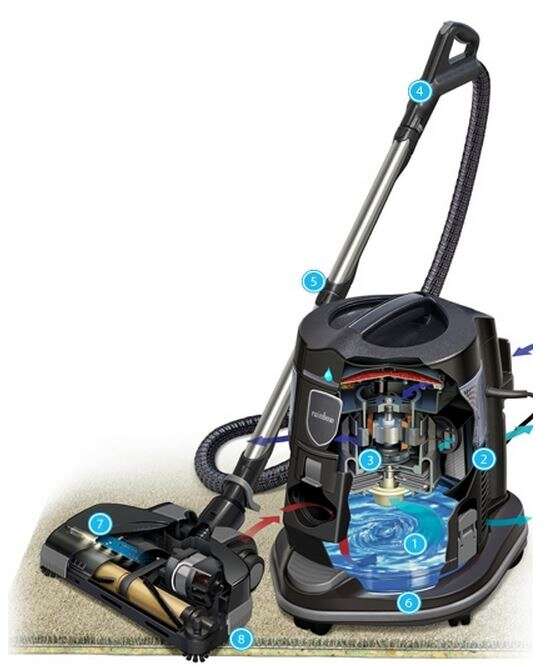
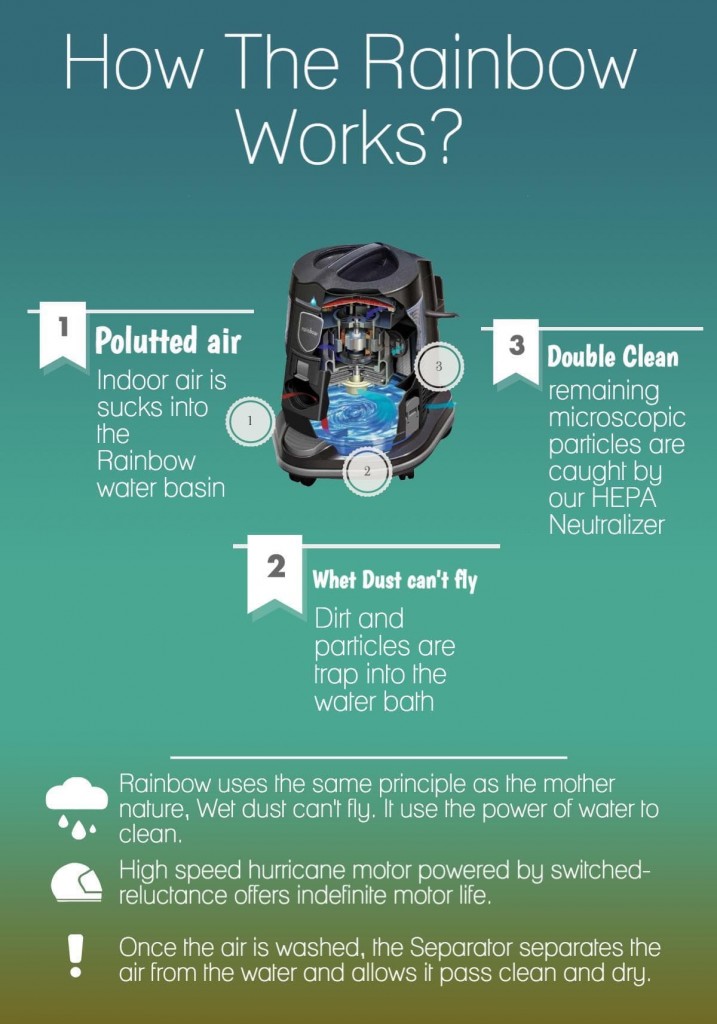
A Rainbow vacuum cleaner works by combining strong airflow with water filtration. Instead of sending all collected dirt into a dry bag, the machine draws dust and debris into a basin filled with clean water.
Here is the basic process:
- The motor creates suction through the hose or cleaning head.
- Air carries dirt, dust, hair, and other particles into the water basin.
- A spinning separator mixes the dirty air with water.
- Water traps many particles and holds them in the basin.
- The separator removes water droplets from the outgoing air.
- A filter system helps catch any fine particles that remain.
- Cleaner air leaves through the exhaust area.
Think of the water basin as a small storm. Air spins through it, and dust gets caught in the droplets. The separator then acts like a gate. It keeps water inside while allowing air to pass through.
The answer to how does a Rainbow vacuum cleaner work depends slightly on the model. Older and newer Rainbow systems may use different filters, motors, attachments, and airflow designs. However, water filtration and the rotating separator remain the key parts.

The main parts inside a Rainbow vacuum
Knowing the main parts makes the cleaning process much easier to understand. Each component has a specific job, and one weak part can affect the whole system.
The motor and fan
The motor powers a fan that moves air through the machine. This airflow creates the suction needed to lift dirt from carpets, floors, furniture, and other surfaces.
A motor can sound powerful, but sound alone does not prove that suction is working well. A full basin, blocked hose, dirty separator, or worn gasket can reduce airflow even when the motor still runs.
The water basin
The basin holds the water that captures dirt. You normally fill it to the marked level before cleaning. Too little water may reduce filtration, while too much water can cause splashing or allow water to move into areas where it should not go.
The water does not dissolve every type of dirt. Instead, it weighs down many particles and keeps them in the basin. Large debris, hair, and heavier soil may collect in the water as the machine runs.
The separator
The separator is one of the most important parts of the system. It spins at high speed and helps separate air from water.
Without this part, water could travel with the outgoing airflow. The separator creates a controlled path. It lets air move through while limiting the amount of water that leaves the basin.
This explains why how does a Rainbow vacuum cleaner work is not simply a matter of “vacuuming through water.” The separator is what makes the water-based design practical.
The filters
Many Rainbow models include additional filters or neutralizer systems. These parts help reduce the amount of fine dust that may pass through the water stage.
Filter designs can vary by model and year. Always check the owner’s manual before washing, replacing, or removing a filter. Some parts need regular cleaning, while others must stay dry.
The hose and cleaning tools
The hose carries dirty air from the floor tool to the basin. Attachments then change the machine’s purpose.
Common tools may include:
• Floor nozzles for carpet and hard floors
• Dusting brushes for shelves and furniture
• Upholstery tools for sofas and chairs
• Crevice tools for narrow gaps
• Wet pickup tools for approved liquid cleaning tasks
• Air tools for cleaning mattresses or inflating items, depending on the model
How the water filtration process works
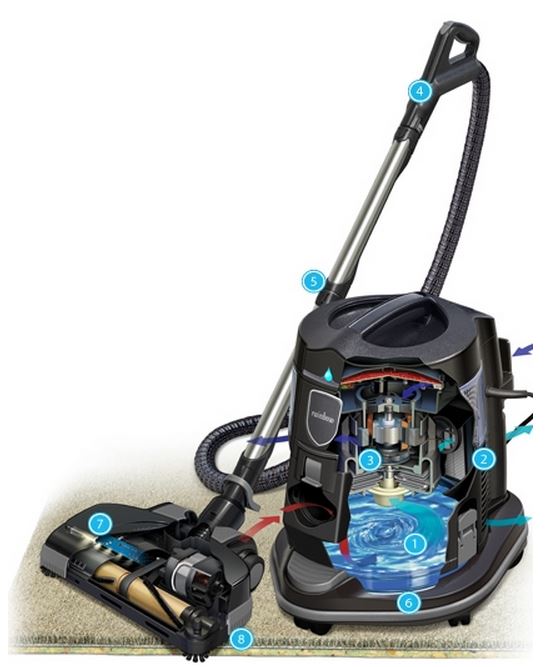
The water filtration stage is the feature that sets a Rainbow system apart from a standard bag or bagless vacuum. It does not mean the machine captures every particle perfectly. It means water plays a central role in trapping collected dirt.
As the vacuum pulls in air, that air enters the water basin. Dirt particles collide with the water and become wet. Many of them then sink or remain suspended in the basin.
The spinning action helps increase contact between the dirty air and the water. This is similar to washing dust from the air with a gentle indoor rainstorm. The process can help reduce the amount of dry dust that would otherwise collect in a bag or dry dirt cup.
Still, the water basin has limits. Very fine particles may remain in the airflow, and some particles can pass through if the machine is poorly maintained. This is why the separator, seals, and secondary filters matter.
Why the water becomes dirty so quickly
Dirty water after vacuuming is normal. It shows that the machine has collected soil from the surfaces you cleaned.
The water may contain:
• Household dust
• Carpet fibers
• Pet hair
• Skin flakes
• Outdoor soil
• Food crumbs
• Pollen and other small particles
The appearance of the water does not provide a laboratory measure of cleaning performance. Dark water can look dramatic, but it does not prove that the vacuum removed more dirt than another machine.

How does a Rainbow vacuum cleaner work on carpets?
On carpet, the cleaning head agitates or lifts surface debris while suction pulls the debris into the hose. The water basin then traps much of that material.
For the best result, move the tool slowly. Fast passes may leave dirt behind because the airflow has less time to lift soil from the carpet.
A practical carpet routine looks like this:
- Remove large objects from the floor.
- Fill the basin to the correct water line.
- Check that the hose and cleaning head are clear.
- Vacuum in slow, straight passes.
- Repeat high traffic areas from a different direction.
- Empty and rinse the basin after use.
Carpet type also matters. Dense, soft carpet may need a different tool or height setting than low-pile carpet. If the brush or nozzle drags, do not force it. Check the attachment and follow the model instructions.
When people ask how does a Rainbow vacuum cleaner work on deep carpet, the honest answer is that suction and water filtration help, but they do not replace proper carpet care. Old stains, packed soil, and crushed fibers may need professional cleaning.

How does a Rainbow vacuum cleaner work on hard floors?
On hard floors, the cleaning head gathers dust, crumbs, and hair while the airflow moves them into the basin. A soft brush or approved floor tool can help reduce scratching on wood, tile, laminate, or vinyl.
Use care with delicate surfaces. Sand and small stones can scratch floors if they are dragged under a tool. Sweep up large grit when needed, and use the correct attachment for the surface.
Avoid excess moisture unless your model and tool are designed for wet cleaning. Water can damage wood, seep into floor seams, or leave marks on some materials.
For everyday hard-floor cleaning:
• Use a soft floor attachment.
• Keep the tool moving.
• Do not overfill the basin.
• Empty the dirty water soon after cleaning.
• Dry the basin before storage.

Can a Rainbow vacuum clean the air?
A Rainbow vacuum can help remove airborne particles when used with an approved air-cleaning or air-washing feature. Some models and attachments are designed to circulate room air through the water basin.
However, it should not be treated as a medical-grade air purifier unless the exact model has been tested and rated for that purpose. Air cleaning performance depends on room size, operating time, filter condition, airflow, and particle type.
It is also important to understand the difference between cleaning a surface and cleaning the air. Vacuuming removes settled dust. Air washing targets particles already floating in the room.
The practical benefit may be most noticeable during or after cleaning, especially when dust would otherwise become airborne. People with asthma or allergies should still follow medical advice and use a certified purifier if one is recommended.
What happens to pet hair and allergens?
A Rainbow vacuum can collect pet hair, dander, dust, and other common household debris. The water basin holds much of the material after it leaves the floor or furniture.
Pet hair can still cause problems if it wraps around a brush, blocks the hose, or forms a wet clump. Check the tool after cleaning homes with long-haired pets.
Allergen control is more complex. A vacuum may remove allergens from carpets and fabrics, but it can also disturb particles during use if seals, filters, or attachments are damaged. Good maintenance is essential.
For homes with pets:
- Remove hair from the brush roll often.
- Use an upholstery tool on sofas and pet beds.
- Wash or replace approved filters as directed.
- Empty the basin outdoors if possible.
- Clean the basin after every session.
Benefits of a water-based Rainbow vacuum
The water filtration design offers several useful features. These benefits explain why some households prefer Rainbow systems over conventional vacuums.
No disposable dust bag
The machine uses a water basin instead of a traditional disposable bag. This can reduce the need to buy replacement bags.
You still need to buy filters, belts, attachments, or service parts when required. The system is not maintenance-free.
Visible dirt collection
You can see the dirt collected in the water. This gives immediate feedback and makes the cleaning process feel more complete.
The dirty water can also remind users to clean areas they may overlook, such as under furniture or along baseboards.
Flexible attachments
Rainbow systems often support many tools. With the correct attachment, one machine may handle floors, furniture, mattresses, stairs, and narrow spaces.
The exact attachment list varies by model. Never assume that a tool is safe for a surface without checking its instructions.
Reduced dry dust handling
A dry dust cup can release dust when emptied. A water basin changes the disposal process because the collected dirt is mixed with water.
Even so, pour the dirty water slowly. Avoid splashing, and rinse the basin after emptying it.

Limitations and drawbacks to consider
A balanced answer to how does a Rainbow vacuum cleaner work must include its disadvantages. Water filtration can be useful, but it also adds work.
It needs setup before cleaning
You must fill the basin before use. This takes more time than turning on a lightweight stick vacuum.
The basin needs cleaning after use
Never leave dirty water sitting in the machine. It can develop an unpleasant smell and allow residue to build up.
The unit may be heavy
The main body and water basin can feel heavy, especially when moved up stairs. A small apartment or home with many steps may make this less convenient.
It can be expensive
Rainbow systems may cost more than basic upright or canister vacuums. The total cost includes the machine, tools, filters, repairs, and replacement parts.
Water can damage the machine
Improper filling, tipping, or wet operation can send water into areas that should remain dry. Follow the instructions closely, especially when using the system for liquid pickup.
It does not remove every stain
Vacuuming lifts loose dirt. It does not automatically remove oil, dye, deep stains, or permanent discoloration.
How to use a Rainbow vacuum cleaner correctly
Correct use protects the motor and improves cleaning results. The steps below apply to many water-based models, but your owner’s manual should always take priority.
- Inspect the hose, basin, separator, and attachments.
- Fill the basin with clean water to the marked line.
- Attach the basin securely to the main unit.
- Connect the hose and the correct cleaning tool.
- Turn on the machine and check for normal airflow.
- Clean with slow and steady passes.
- Stop the machine before removing the hose or basin.
- Empty the dirty water into a suitable drain.
- Rinse the basin and wipe away residue.
- Allow washable parts to dry before storage.
One mistake I often see during hands-on vacuum testing is leaving the dirty water in the basin overnight. That shortcut creates odor and makes cleanup harder. Emptying the basin right away takes only a few minutes and protects the machine from buildup.
Another common mistake is overfilling the basin. More water does not mean better cleaning. The marked water level exists to protect airflow and reduce the chance of water entering the motor area.
Rainbow vacuum maintenance tips
Maintenance is central to how does a Rainbow vacuum cleaner work over time. A clean separator and clear hose support steady airflow.
Use this simple schedule:
After every use
• Empty the basin.
• Rinse away dirt and residue.
• Check the hose for clogs.
• Inspect the cleaning tool for hair.
• Dry the basin before storage.
Every few uses
• Examine the separator for buildup.
• Clean approved washable parts.
• Check seals and connection points.
• Look for cracks in the hose or basin.
When performance drops
• Confirm that the basin has the right water level.
• Look for a blocked hose.
• Inspect the separator.
• Check filters according to the manual.
• Listen for unusual sounds.
• Contact an authorized repair professional if the motor smells hot or behaves abnormally.
Do not use harsh chemicals in the basin unless the manufacturer specifically approves them. Soap can create foam, and foam may interfere with airflow or reach parts that should stay dry.
Troubleshooting common problems
Understanding how does a Rainbow vacuum cleaner work can help you find simple problems before paying for service.
Weak suction
Weak suction may come from a blocked hose, full basin, dirty separator, loose connection, or clogged filter. Turn off and unplug the unit before checking any part.
Water splashing
Water may splash if the basin is overfilled, the machine is tilted, the separator is dirty, or a seal is not seated correctly. Stop use and check the water level and assembly.
Bad odor
Odor usually comes from dirty water left in the basin, damp parts stored too soon, or buildup around the separator. Empty, rinse, and dry the parts after each use.
Strange noise
A strange noise may signal a blocked tool, damaged separator, worn bearing, or another mechanical problem. Do not keep running the machine if the sound is sharp, grinding, or unusual.
The machine will not start
Check the power connection, switch, basin placement, and safety interlock. If the unit still does not start, professional service may be safer than opening the motor housing.
Is a Rainbow vacuum better than a regular vacuum?
“Better” depends on your needs, budget, floor type, and tolerance for maintenance. A Rainbow may appeal to people who want water filtration, many attachments, and a bag-free design.
A conventional vacuum may be a better fit if you want a lighter machine, quick setup, low cost, or simple storage. Some modern vacuums also use sealed systems and high-efficiency filters.
Compare these points before buying:
• Cleaning performance on your floor type
• Weight and storage space
• Cost of filters and repairs
• Ease of emptying
• Noise level
• Availability of service
• Allergy and air-quality needs
Do not choose based only on the water in the basin. A vacuum’s full performance depends on airflow, brush design, sealing, filtration, and how well the user operates it.
Frequently asked questions about how does a Rainbow vacuum cleaner work
Does a Rainbow vacuum cleaner use only water to filter dust?
Water is the main filtration medium, but the complete system also relies on airflow control, a spinning separator, seals, and model-specific filters. Water alone would not safely separate dirt from air.
Can you use a Rainbow vacuum without water?
You should not operate the machine without the required amount of water in the basin. The water supports the filtration process and helps the system work as designed.
Does a Rainbow vacuum remove allergens?
It can remove many allergens from carpets, floors, and fabrics by collecting dust, dander, and pollen. Results depend on the model, filter condition, surface, and cleaning method, so it should not replace medical treatment or certified air-cleaning equipment.
How often should you empty a Rainbow vacuum basin?
Empty and rinse the basin after every cleaning session. Leaving dirty water inside can cause odor, residue, and microbial growth.
Can a Rainbow vacuum pick up liquid?
Some models and tools support approved wet pickup, but not every attachment does. Check the exact owner’s manual before collecting liquid, and never use a regular dry-cleaning tool for wet pickup unless it is designed for that task.
Why does my Rainbow vacuum have weak suction?
Common causes include a blocked hose, dirty separator, incorrect water level, loose connection, clogged filter, or a damaged seal. Turn the unit off and inspect these areas before arranging service.
Is the water in a Rainbow vacuum a disinfectant?
No. The water traps dirt, but ordinary tap water does not disinfect the floor, carpet, or air. Use approved cleaning products only when the manufacturer allows them.
Conclusion
A Rainbow vacuum cleaner uses suction, water filtration, and a high-speed separator to collect dirt and send cleaner air through the system. Its design can reduce dry dust handling and offer flexible cleaning tools, but it also requires regular setup, basin cleaning, and careful maintenance.
The best results come from using the correct water level, moving tools slowly, checking for clogs, and drying parts after every session. If you are comparing vacuums, weigh the cleaning benefits against the machine’s size, cost, and maintenance needs. Explore your model’s manual for exact care instructions, and share your own Rainbow cleaning experience with others.

Liora Pennings is a seasoned chef and kitchen enthusiast with a passion for turning everyday cooking into an effortless experience. With years of hands-on culinary expertise, she specializes in practical techniques, ingredient know-how, and smart kitchen solutions that help home cooks elevate their meals. At KitchFlair.com, Liora shares her best tips, time-saving tricks, and honest product reviews to guide readers toward a more efficient, enjoyable, and inspired cooking routine. Whether you’re a beginner or a seasoned home chef, Liora’s friendly, knowledge-packed insights make every visit to the kitchen a little easier—and a lot more delicious.