How To Make Popcorn Salt: Easy Homemade Recipe
Make popcorn salt by grinding fine salt into a soft powder that clings to warm, lightly coated popcorn.
Learning how to make popcorn salt is simple, affordable, and far better than shaking coarse table salt over popcorn. The key is particle size: finely ground salt spreads evenly, melts into a light coating, and gives each bite a balanced savory flavor. After testing several methods in my own kitchen, I found that a spice grinder, blender, or mortar and pestle can all work well when used with care.
What Is Popcorn Salt?
Popcorn salt is very fine salt made to stick to popcorn. It is not always a special type of salt. In many cases, it is regular salt ground into smaller grains.
Large salt crystals can fall to the bottom of the bowl. Fine salt acts more like dust. It spreads across the popcorn and stays in place, especially when the kernels have a small amount of oil or melted butter on them.
Popcorn salt may be made from:
• Regular table salt
• Kosher salt
• Sea salt
• Seasoned salt
• Specialty salts, such as smoked or garlic salt
The main difference is the grind. Flavor matters, but texture matters just as much.
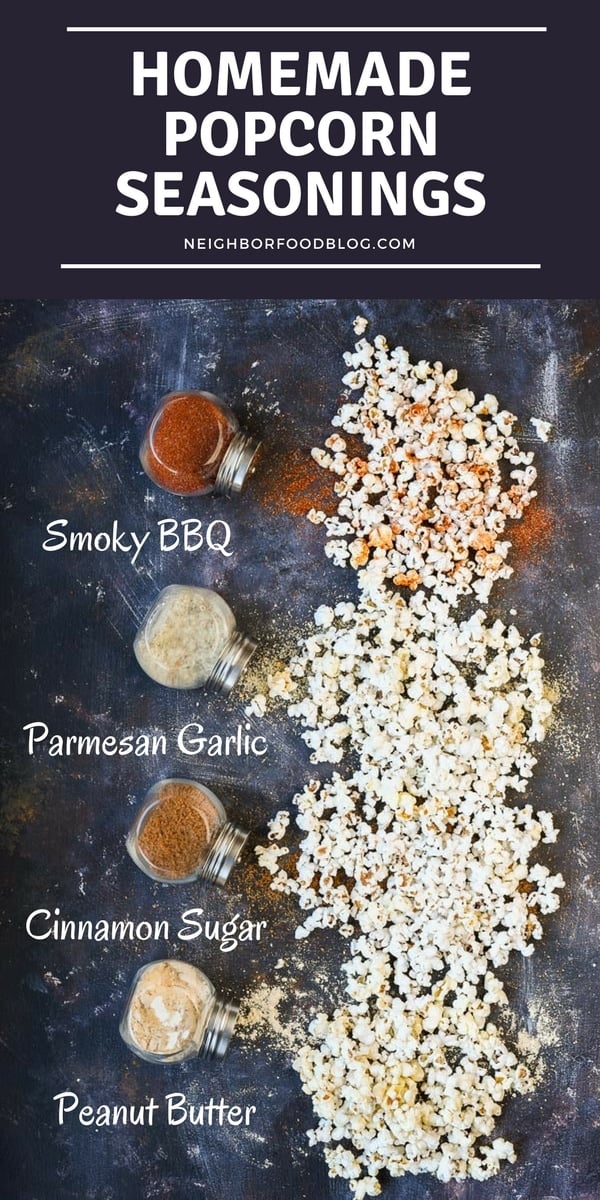
How to Make Popcorn Salt at Home
The easiest method uses plain table salt and a clean spice grinder. You can also use a small blender, food processor, or mortar and pestle.
Ingredients
• ¼ cup regular table salt
• Optional: ½ teaspoon garlic powder, onion powder, smoked paprika, or nutritional yeast
Use dry ingredients only. Moist spices can cause clumps and may reduce the shelf life of the mixture.
Equipment
• Spice grinder or coffee grinder
• Small blender
• Mortar and pestle
• Fine-mesh strainer
• Clean, dry storage jar
Step-by-step method
-
Add ¼ cup of salt to the grinder.
-
Pulse for 10 to 15 seconds. Do not run the grinder nonstop for a long time because salt dust may collect around the lid.
-
Open the grinder and check the texture. The salt should look soft and powdery, almost like flour.
-
Pour the ground salt through a fine-mesh strainer. Return any larger grains to the grinder.
-
Pulse the larger grains again for a few seconds.
-
Mix in any dry flavorings after grinding.
-
Store the finished popcorn salt in a clean, airtight jar.
This process usually takes less than two minutes. For the best result, grind in small batches instead of filling the grinder to the top.
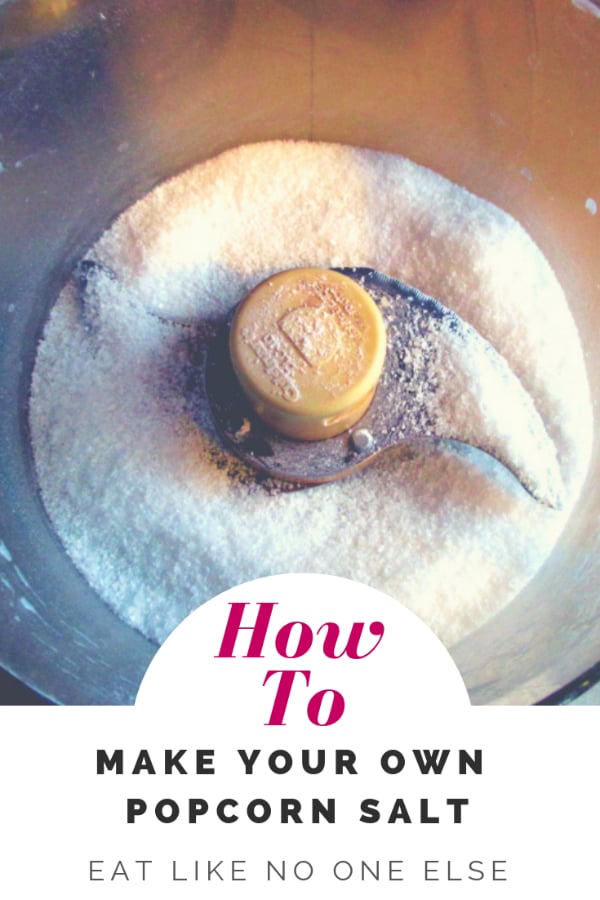
The Best Salt for Popcorn
Regular table salt is often the best starting point because its crystals are already smaller than most kosher and sea salts. It also has a clean, familiar flavor.
Kosher salt can work well, but its flakes are usually larger. Grind it longer and check it carefully. Because kosher salt has a different crystal shape, ¼ cup of kosher salt may not taste exactly the same as ¼ cup of table salt.
Sea salt gives popcorn a slightly more complex taste. However, coarse sea salt must be ground before it can work well as popcorn salt.
Here is a simple comparison:
• Table salt: Fine, affordable, and easy to grind
• Kosher salt: Mild flavor but often needs more grinding
• Fine sea salt: Clean flavor with a slightly mineral taste
• Smoked salt: Strong flavor that works well in small amounts
• Himalayan pink salt: Attractive color, but the flavor may be mild after grinding
Avoid salts with added moisture, oils, or large wet crystals. They can clog the grinder and create uneven seasoning.
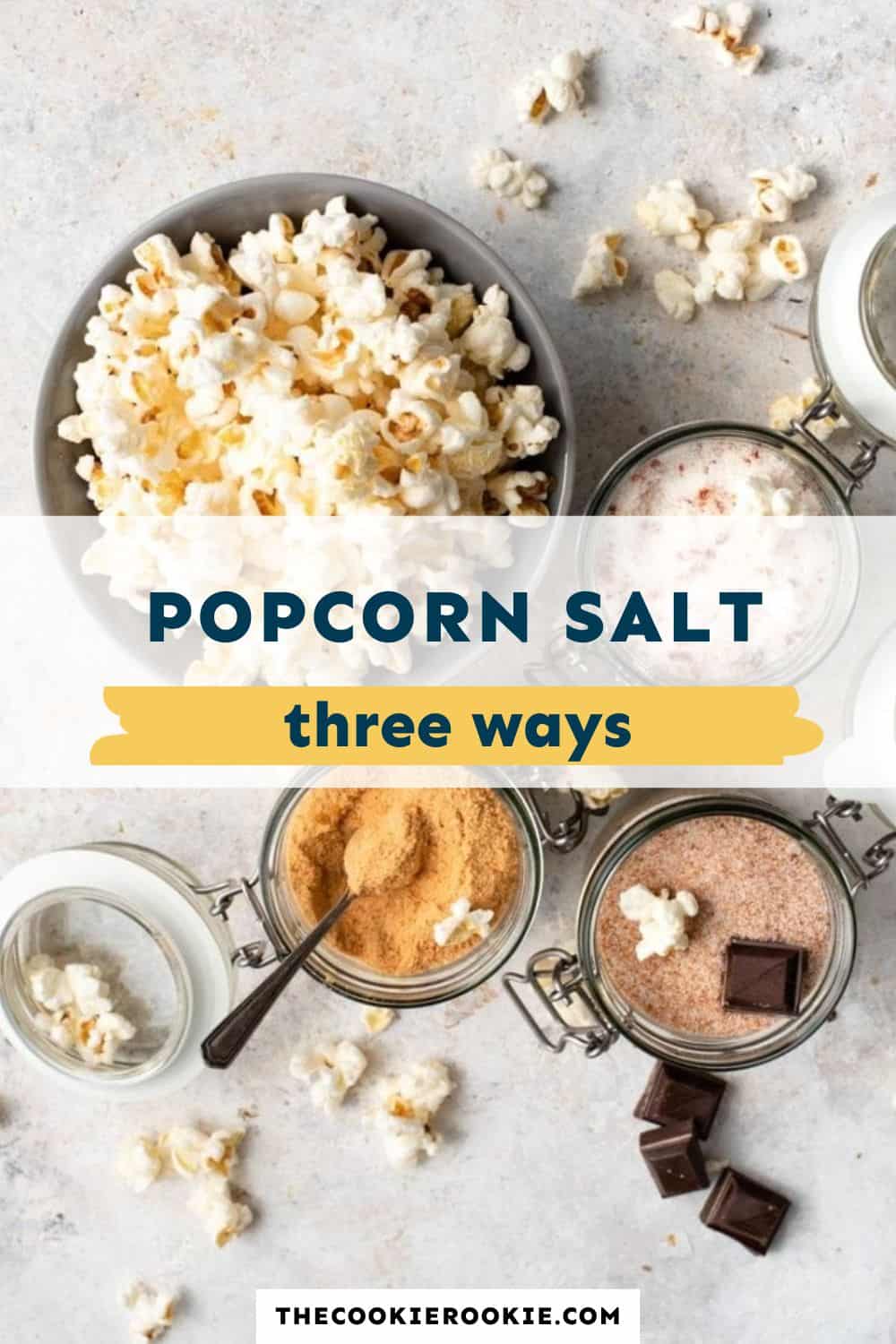
How Fine Should Popcorn Salt Be?
The ideal popcorn salt should be much finer than ordinary table salt. It should resemble powdered sugar or very fine sand.
You do not need to turn salt into a perfect powder. A texture that is too fine can create a salty cloud when poured. A slightly soft powder gives good coverage without making the salt hard to control.
Try this simple test:
• Place a small pinch between your fingers.
• Rub it gently.
• It should feel smooth, with very few sharp grains.
• Sprinkle it over a test piece of popcorn.
• If it stays on the surface, grind it a little more.
My first mistake was grinding a large batch for too long. The salt became so light that it floated into the air when I opened the lid. Short pulses and a brief pause before opening the grinder gave me a much cleaner result.
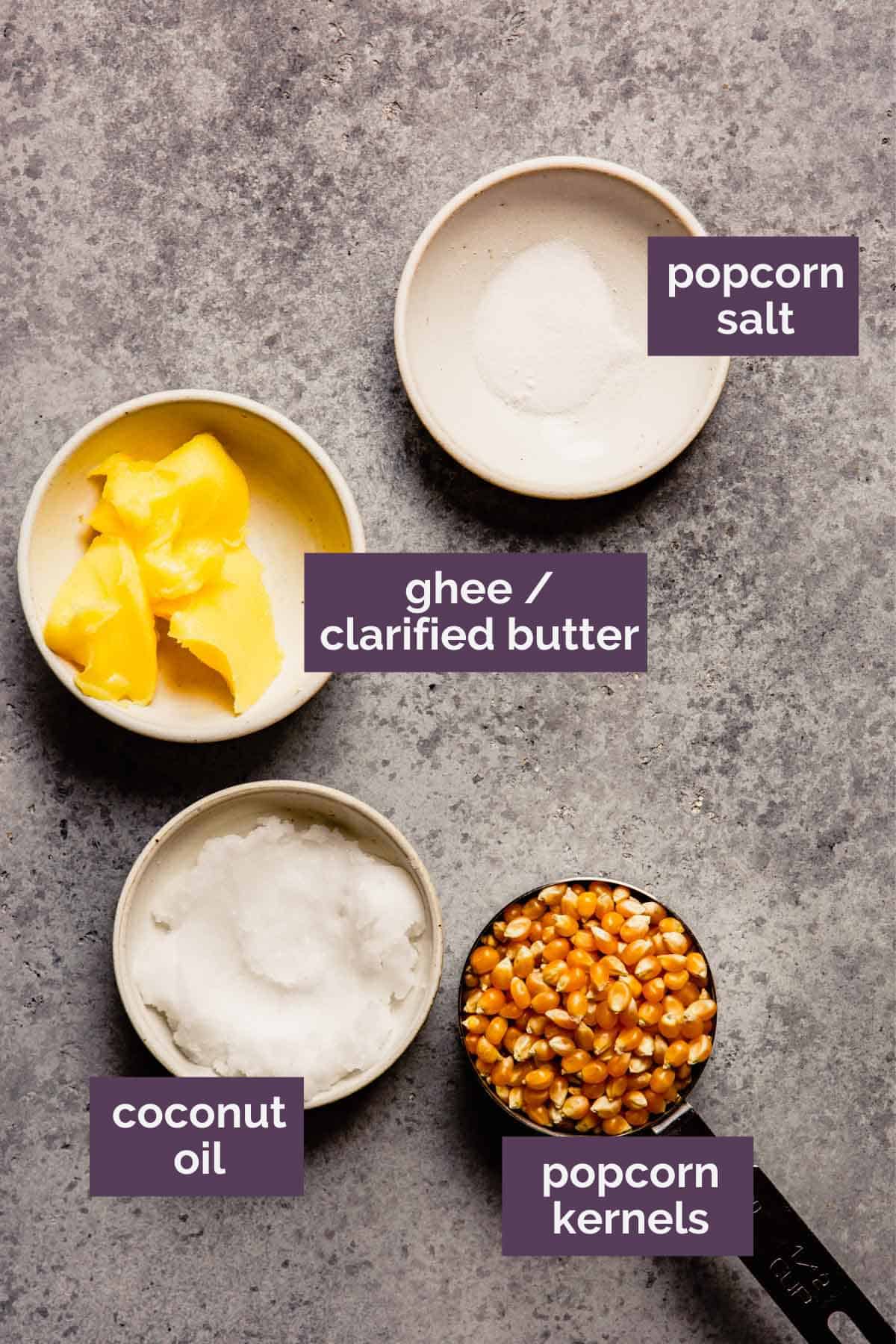
How to Make Popcorn Salt Without a Grinder
You can make popcorn salt without an electric grinder. A mortar and pestle is the most reliable hand method.
Add a small amount of salt to the mortar. Press and crush it with the pestle in a circular motion. Work in small batches and sift the salt as you go.
A sealed plastic bag and a rolling pin may also help. Place the salt in a sturdy bag, remove extra air, and roll over it several times. This method makes the salt smaller, but it may not create a powder as fine as a grinder.
You can also use the bottom of a heavy glass or a clean jar. Place salt on a firm surface covered with parchment paper, then press and crush it carefully. Do not use this method on a surface that may chip or break.
These methods take more time, but they are useful when you do not want salt dust inside a coffee grinder.

How to Season Popcorn With Homemade Popcorn Salt
Homemade popcorn salt works best when the popcorn is warm and has a light coating of fat. Butter, olive oil, coconut oil, and avocado oil can all help the salt stick.
For one large bowl of popcorn, start with:
• ½ teaspoon popcorn salt
• 1 to 2 tablespoons melted butter or oil
• About 8 cups popped popcorn
Pour the popcorn into a large bowl. Add half the butter or oil, then sprinkle on half the popcorn salt. Toss well. Add the remaining butter and salt, then toss again.
This two-step method prevents the seasoning from collecting in one place. It also lets you adjust the flavor as you go.
Do not pour all the salt onto the center of the bowl. Most of it will land on only a few pieces. Sprinkling from higher up helps distribute it more evenly.
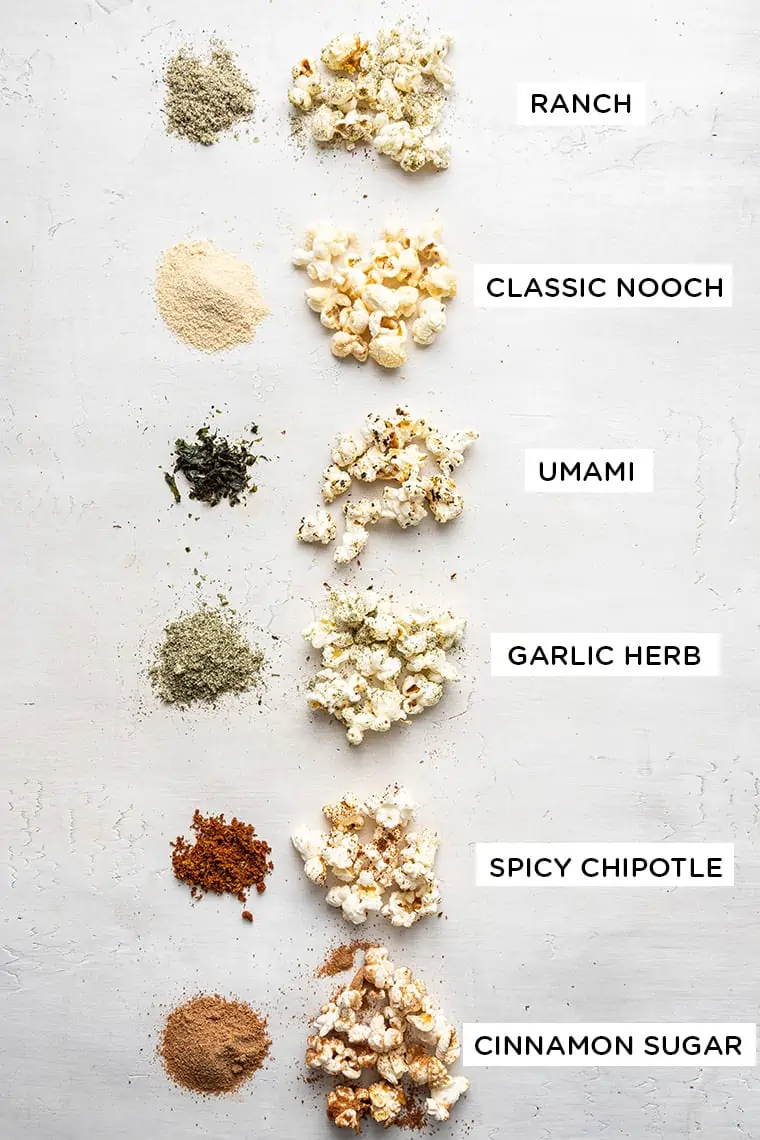
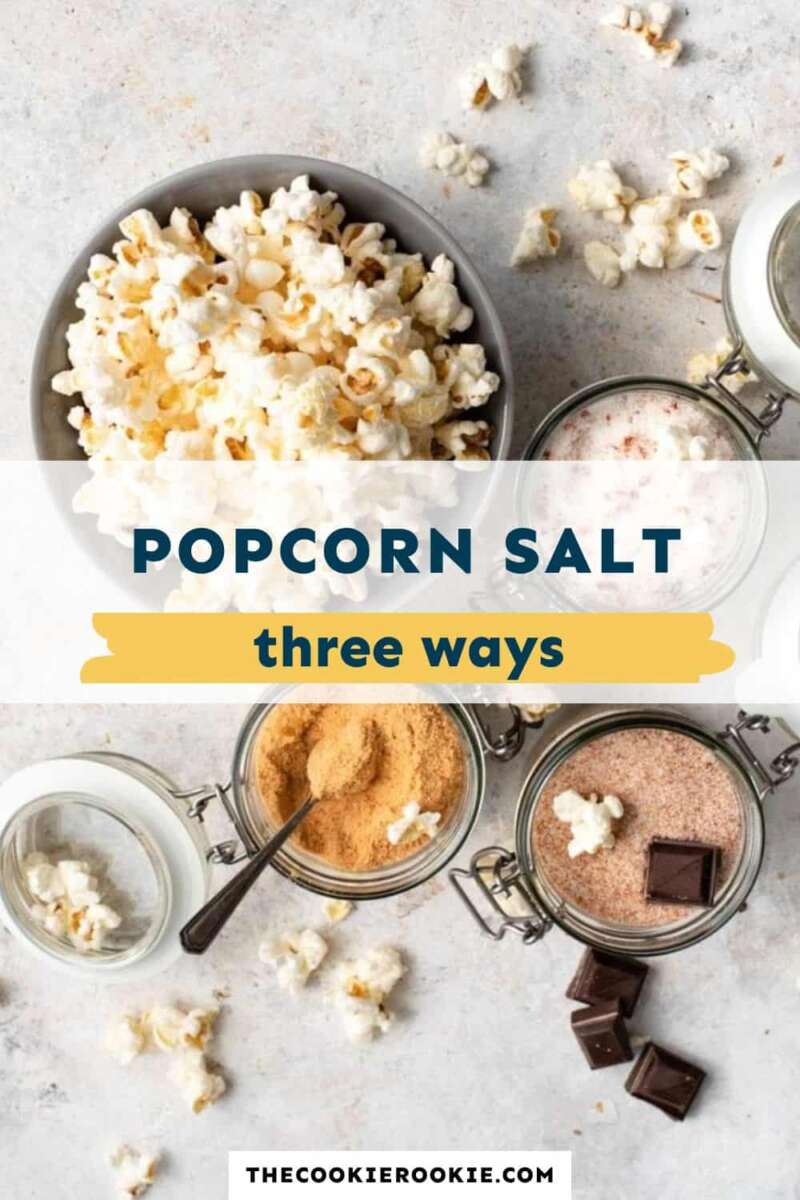
Homemade Popcorn Salt Flavor Ideas
Plain salt is useful, but flavored popcorn salt can make a simple snack feel new. Keep added ingredients dry and grind them well.
Garlic popcorn salt
Combine:
• 3 tablespoons fine salt
• 1 teaspoon garlic powder
• ½ teaspoon onion powder
Garlic powder gives a stronger flavor than garlic flakes. Avoid fresh garlic because it adds moisture and can spoil.
Smoky popcorn salt
Combine:
• 3 tablespoons fine salt
• ½ teaspoon smoked paprika
• ¼ teaspoon ground cumin
This blend pairs well with popcorn cooked in olive oil.
Cheesy popcorn seasoning
Combine:
• 2 tablespoons fine salt
• 2 tablespoons nutritional yeast
• ½ teaspoon garlic powder
• ¼ teaspoon paprika
Nutritional yeast adds a savory, cheese-like taste. It does not taste exactly like cheese, but it gives popcorn a rich flavor without adding dairy.
Spicy popcorn salt
Combine:
• 3 tablespoons fine salt
• ½ teaspoon chili powder
• ¼ teaspoon cayenne pepper
• ¼ teaspoon smoked paprika
Start with less cayenne if children will eat the popcorn. You can always add more, but you cannot easily remove heat.
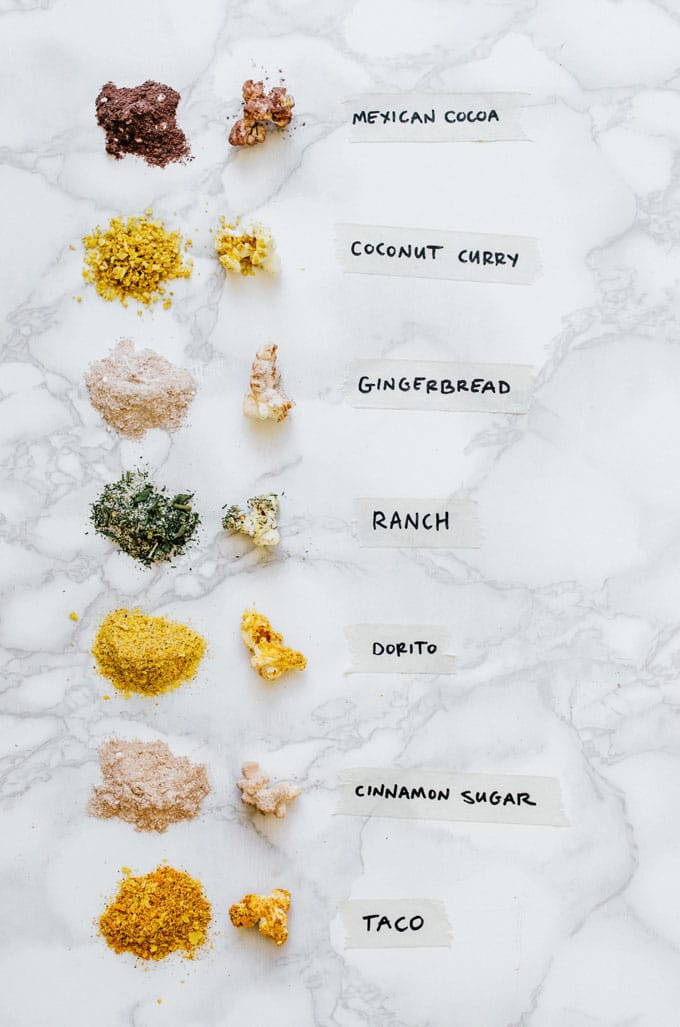
Common Mistakes When Making Popcorn Salt
Small errors can affect both flavor and texture. These are the problems I see most often when testing homemade seasoning.
Using too much salt
Fine salt covers more surface area than coarse salt. A teaspoon of popcorn salt can taste much stronger than a teaspoon of large salt crystals.
Start with a small amount. Add more after tossing and tasting.
Grinding a wet ingredient
Fresh herbs, lemon zest, and wet flavor pastes do not belong in a dry popcorn salt blend. They can create clumps and encourage spoilage.
Use dried herbs, dried citrus peel, or powdered seasonings instead.
Filling the grinder too much
An overloaded grinder leaves some crystals untouched. It also makes it harder to control the final texture.
Fill the grinder no more than halfway. Small batches produce a more even powder.
Seasoning dry popcorn
Salt rarely sticks well to plain, dry popcorn. A small amount of butter or oil helps it cling.
Use just enough coating to hold the seasoning. Too much fat can make the popcorn heavy and greasy.
Opening the grinder too quickly
Fine salt can float into the air. Wait a few seconds after grinding before opening the lid. This simple step keeps salt out of your nose and off the counter.

How to Store Homemade Popcorn Salt
Store popcorn salt in an airtight container in a cool, dry place. A small glass spice jar works well.
Keep the container away from steam, such as the area beside a kettle or stove. Moisture can cause the salt to clump, especially when the blend contains garlic powder, onion powder, or other dry seasonings.
Label the jar with the ingredients and the date you made it. Plain salt can last for a very long time when kept dry. Flavored blends are best used within several months for the freshest taste.
Check the mixture before use. Throw it away if it develops an unusual smell, visible moisture, mold, or a strange color. Never taste a blend that shows signs of spoilage.

Is Homemade Popcorn Salt Healthier?
Homemade popcorn salt can be healthier in one important way: you control the ingredients. You can avoid artificial flavors, excess sugar, or additives found in some packaged seasoning blends.
However, salt is still high in sodium. Fine salt is not lower in sodium simply because it is ground more finely. In fact, its small crystals may make it easier to use too much.
The American Heart Association recommends limiting sodium intake, especially for people with high blood pressure or other health concerns. Use a light hand, taste as you go, and add flavor with herbs, spices, nutritional yeast, or citrus powder.
Homemade does not automatically mean low sodium. It means you can measure and adjust the recipe with greater control.
Popcorn Salt Measurements and Serving Tips
A useful starting point is ½ teaspoon of popcorn salt for 8 cups of popped popcorn. This amount may vary based on the type of salt, the amount of butter, and your personal taste.
Use these rough guidelines:
• Lightly seasoned popcorn: ¼ teaspoon per 8 cups
• Medium seasoning: ½ teaspoon per 8 cups
• Strong seasoning: ¾ teaspoon per 8 cups
For movie-style popcorn, combine fine salt with warm melted butter. For a lighter snack, mist the popcorn with a small amount of oil and then add the salt.
Always mix in a large bowl. Popcorn needs room to move so the coating can spread. If the bowl is too small, the seasoning will gather at the bottom.
Frequently Asked Questions About How to Make Popcorn Salt
Can I use regular table salt to make popcorn salt?
Yes. Regular table salt is one of the easiest options because its crystals are already small. Grind it briefly to make the texture even finer and softer.
Can I make popcorn salt in a blender?
Yes, but use a small blender and work in short pulses. A spice grinder often gives a finer and more even result, especially for small batches.
Why does my popcorn salt not stick?
Popcorn salt needs a little moisture or fat to cling. Toss warm popcorn with a small amount of melted butter or oil before adding the salt.
Is popcorn salt the same as popcorn seasoning?
Not always. Popcorn salt usually refers to finely ground salt, while popcorn seasoning may include salt, cheese powder, spices, sugar, or other flavorings.
How much popcorn salt should I use?
Start with ¼ to ½ teaspoon for 8 cups of popped popcorn. Taste after tossing, then add more if needed.
Can I use sea salt for homemade popcorn salt?
Yes. Fine sea salt works well, while coarse sea salt should be ground first. The final flavor may be slightly more complex than regular table salt.
How long does homemade popcorn salt last?
Plain ground salt can last for a long time when stored in a dry, airtight container. Flavored blends are best used within a few months and should be discarded if they smell odd or become damp.
Conclusion
Making popcorn salt is as simple as grinding dry salt into a fine powder and storing it away from moisture. Table salt, sea salt, and kosher salt can all work, but the texture must be fine enough to spread across warm popcorn.
Start with a small batch, use short pulses, and season in layers with a little butter or oil. Once you master the basic method, try garlic, smoked, spicy, or cheesy flavor blends. Make your own popcorn salt tonight, taste as you go, and share your favorite seasoning combination in the comments.

Liora Pennings is a seasoned chef and kitchen enthusiast with a passion for turning everyday cooking into an effortless experience. With years of hands-on culinary expertise, she specializes in practical techniques, ingredient know-how, and smart kitchen solutions that help home cooks elevate their meals. At KitchFlair.com, Liora shares her best tips, time-saving tricks, and honest product reviews to guide readers toward a more efficient, enjoyable, and inspired cooking routine. Whether you’re a beginner or a seasoned home chef, Liora’s friendly, knowledge-packed insights make every visit to the kitchen a little easier—and a lot more delicious.