How To Make Air Popped Popcorn Taste Better: Easy Tips
Air-popped popcorn tastes better with fresh kernels, balanced seasoning, and a light coating that helps flavors stick.
Air-popped popcorn is light, low in fat, and easy to make, but it can taste plain or dry without the right finishing steps. After testing many seasoning mixes and coating methods in my own kitchen, I’ve found that the best results come from managing heat, moisture, salt, and texture together. This guide explains how to make air-popped popcorn taste better without turning it soggy.

Start With Fresh, High-Quality Popcorn Kernels
The easiest way to make air-popped popcorn taste better is to start with good kernels. Fresh kernels contain enough moisture inside the hull to create steam. That steam makes the kernel burst into a soft, crisp flake.
Old or poorly stored kernels may pop unevenly. They can leave many unpopped pieces and create popcorn that feels tough or chewy.
Choose kernels that look clean and whole. Store them in an airtight container at room temperature. Avoid keeping them in the refrigerator, where changing moisture levels can affect how well they pop.
For the best texture:
• Use fresh yellow or white popcorn kernels.
• Keep kernels in a sealed jar or container.
• Do not mix very old kernels with fresh ones.
• Use the amount recommended by your air popper.
A quick freshness test can help. Pop a small amount and check the texture. If the popcorn is hard, chewy, or full of unpopped kernels, the kernels may have lost too much moisture.
Improve the Popping Method
Air poppers use hot air instead of oil. This makes them convenient, but the popcorn may taste less rich than stovetop popcorn. A few simple changes can make air-popped popcorn taste better before you add any seasoning.
Place the air popper on a dry, stable surface. Make sure the vents are clear. Never add oil, butter, or other liquids to the popping chamber unless the manufacturer specifically allows it.
Let the machine heat according to its instructions. Add the kernels only when the popper is ready, if the model uses a preheat step. Once popping slows to about one pop every two seconds, turn off the machine. This helps prevent burnt pieces.
Do not leave the popper running for too long. Burnt popcorn has a bitter flavor that no seasoning can fully hide.
For more even results:
-
Measure the kernels instead of filling the chamber by guesswork.
-
Use a large bowl so popped kernels do not block the air outlet.
-
Shake the bowl gently after popping to spread out hot pieces.
-
Remove unpopped kernels before adding toppings.
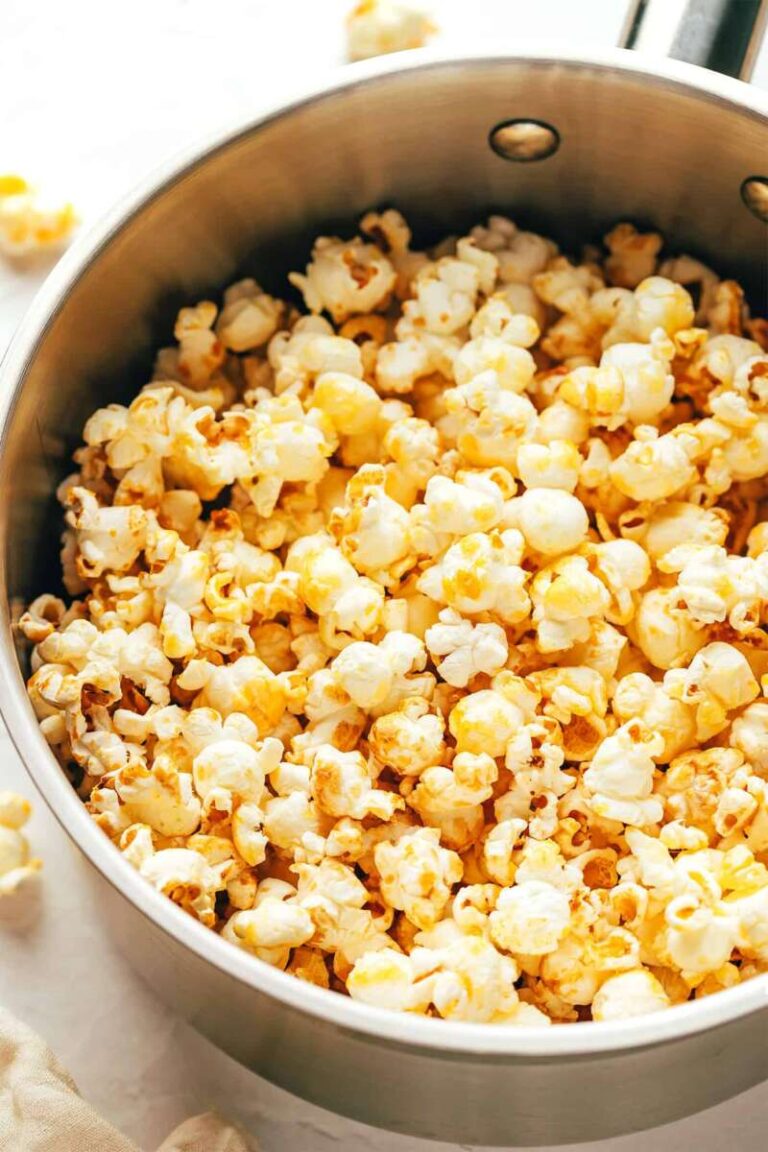
Learning how to make air-popped popcorn taste better often starts with avoiding overcooking. Crisp popcorn should smell warm and toasted, not smoky.
:max_bytes(150000):strip_icc()/__opt__aboutcom__coeus__resources__content_migration__serious_eats__seriouseats.com__2018__09__20180906-popcorn-methods-vicky-wasik-popped-text-1500x1125-96d0c6514efe421baca62b9caa22711c.jpg)
Add Butter, Oil, or Another Light Coating
Seasonings need something to cling to. Plain dry salt often falls to the bottom of the bowl. A small amount of fat helps distribute flavor and gives popcorn a smoother mouthfeel.
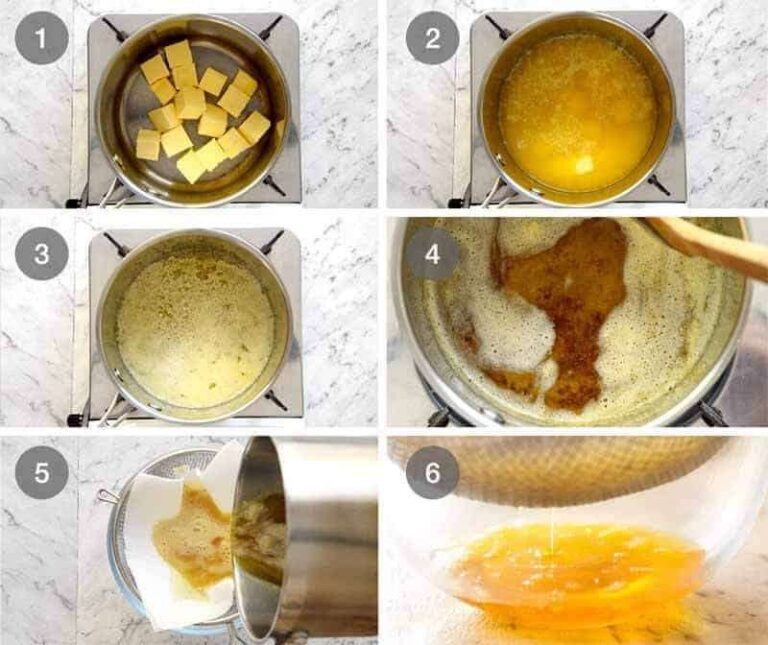
Melted butter is the classic choice. Use unsalted butter if you want better control over the final salt level. Clarified butter or ghee contains less water than regular butter, so it can help reduce sogginess.
You can also use a light mist of oil. Good choices include:
• Olive oil for a mild, savory taste.
• Avocado oil for a neutral flavor.
• Coconut oil for a slightly sweet aroma.
• Canola oil for an affordable, mild coating.
• Butter-flavored popcorn oil for a movie-style taste.
Start with one to two teaspoons of melted butter or oil for about eight cups of popcorn. Add more only if needed. Too much liquid can make air-popped popcorn soft.
Pour the coating in a thin stream while tossing the popcorn. Do not pour it all in one spot. A light, even coat makes air-popped popcorn taste better while keeping the crunch.
A spray bottle made for cooking oil can also help. Use one that is designed for food, and avoid aerosol products that are not intended for direct food contact.

Use Fine Seasonings So They Stick
Large salt crystals often bounce off popcorn. Fine seasoning powders spread more evenly and stay on the surface. This is one of the most useful tricks for making air-popped popcorn taste better.
Popcorn salt is finely ground and works well. You can also grind regular kosher salt in a clean spice grinder. Use short pulses so the salt becomes fine without turning into a paste.
Add seasoning in small amounts. Toss the popcorn after each addition. This method gives you more control and prevents one bite from being too salty.
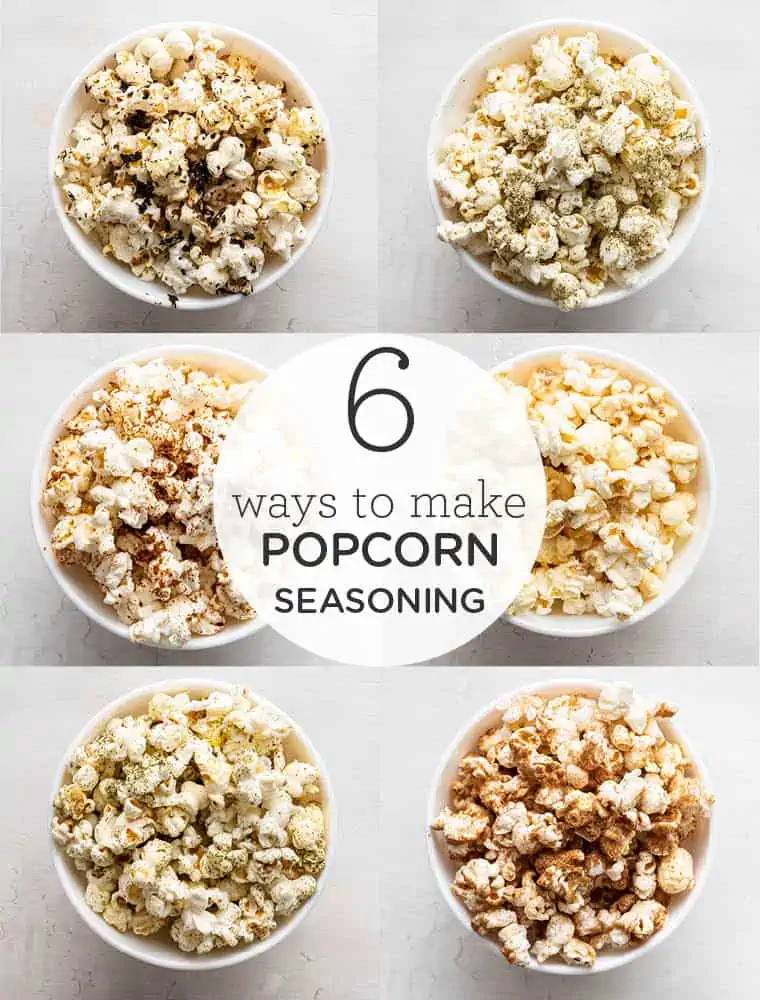
Try these simple seasoning options:
• Garlic powder and black pepper for a savory snack.
• Smoked paprika and onion powder for a smoky flavor.
• Nutritional yeast and fine salt for a cheesy, nutty taste.
• Cinnamon and a little sugar for sweet popcorn.
• Chili powder and lime zest for a bright, spicy blend.
• Dried rosemary and grated Parmesan for an herb flavor.
Avoid adding wet ingredients directly to the bowl. Fresh lemon juice, hot sauce, and salsa can quickly make popcorn limp. If you use them, add only a tiny amount just before eating.

Try Flavor Combinations That Balance Taste
Good popcorn seasoning has balance. It should include more than salt. The best blends often combine salty, savory, sweet, spicy, sour, or rich notes.
A simple savory blend can include:
• 1 teaspoon nutritional yeast
• ¼ teaspoon garlic powder
• ¼ teaspoon onion powder
• A small pinch of fine salt
For a sweet blend, combine cinnamon with a little brown sugar or powdered sugar. Add the sweet mixture while the popcorn is still warm and lightly coated with butter or oil.
For a spicy blend, mix chili powder, smoked paprika, cumin, and a small amount of salt. Start with less chili powder than you think you need. Heat can become stronger as you keep eating.
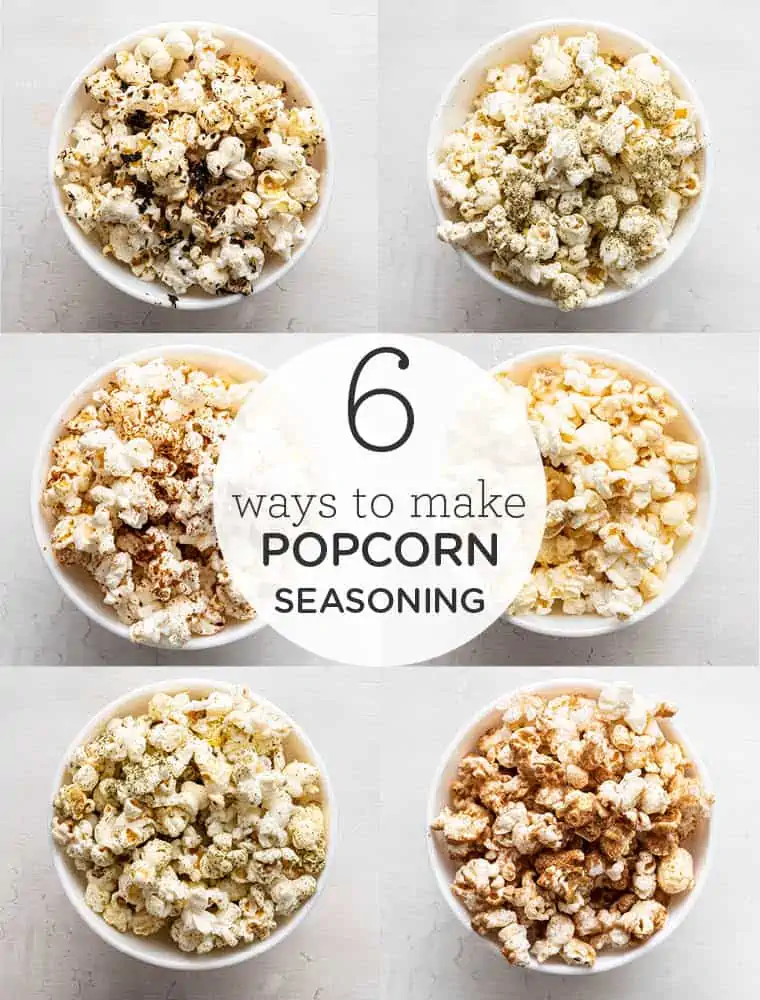
Here are a few flavor ideas:
Movie-style popcorn
Use melted butter, fine salt, and a small amount of nutritional yeast. Toss several times to coat the popcorn from top to bottom.
Ranch-style popcorn
Use dried dill, garlic powder, onion powder, parsley, and a small pinch of salt. A dry ranch seasoning mix can work too, but check the label because many mixes contain a lot of sodium.
Sweet and salty popcorn
Add a light butter coating, fine salt, and a small amount of sugar. For a special treat, drizzle on melted dark chocolate after the popcorn has cooled.
Spicy lime popcorn
Use avocado oil, chili powder, and finely grated lime zest. Add lime juice sparingly because too much moisture reduces crispness.
These combinations show how to make air-popped popcorn taste better without relying on a large amount of butter.
Keep Air-Popped Popcorn Crisp
Moisture is the main enemy of crisp popcorn. Steam trapped in a bowl can soften the flakes. This is especially common when you pour hot butter over a large pile of popcorn.
Let the popcorn sit uncovered for a minute after popping. This allows excess steam to escape. Use a wide bowl instead of a deep, narrow container.
Add wet toppings only when you plan to eat the popcorn right away. If you need to pack it for later, use dry seasonings and a very light oil coating.
My biggest mistake during early popcorn tests was adding too much melted butter at once. The top pieces tasted rich, but the bottom became greasy and soft. Drizzling slowly and tossing in batches fixed the problem.
For storage, cool the popcorn completely before sealing it. Keep it in an airtight container and eat it within one or two days for the best texture. Homemade popcorn does not usually stay crisp as long as packaged popcorn because it lacks commercial moisture control.
src="https://cdn.thewirecutter.com/wp-content/media/2023/08/popcorn-2048px-8702.jpg?auto=webp&quality=75&crop=3:2&width=1024"
alt="Make It Healthier Without Losing flavor”
style=”max-width: 100%; height: auto; border: 2px solid black; border-radius: 10px; display: block; margin: 0 auto;”
loading=”lazy”
/>
Make It Healthier Without Losing flavor
Air-popped popcorn is a whole-grain food and can fit into many balanced eating plans. It is naturally low in fat before toppings are added. Still, the final nutrition depends on how much butter, oil, sugar, cheese, or salt you use.
The goal is not to remove all flavor. The goal is to use strong flavors in small amounts.
Try these lighter methods:
• Use nutritional yeast for a rich, savory taste.
• Add smoked paprika for depth without extra fat.
• Use citrus zest instead of a lot of juice.
• Mix fine salt with garlic powder to make the salt go farther.
• Add a small amount of olive oil with several dry herbs.
• Use cinnamon, cocoa powder, and a little powdered sugar for a sweet snack.
Portion size also matters. A large bowl can make it easy to eat more than you planned. Measure your serving into a separate bowl instead of eating from the full batch.
Nutrition advice can vary by person. If you need to limit sodium, fat, or sugar for a medical reason, follow guidance from your health professional and check seasoning labels carefully.

Common Mistakes to Avoid
Even a good seasoning blend can fail if the preparation is off. These mistakes are common when learning how to make air-popped popcorn taste better.
Using too much liquid
Butter, oil, sauces, and citrus juice can soften popcorn. Use a thin coating and add wet flavors only before serving.
Adding salt before popping
Salt placed inside an air popper may interfere with the machine and will not season the popped kernels evenly. Add salt after popping.
Using coarse salt
Large crystals do not cling well. Grind the salt or choose a fine popcorn salt.
Pouring butter in one place
This creates greasy pieces and leaves the rest plain. Drizzle slowly while tossing.
Overcooking the kernels
Burnt pieces add bitterness to the whole batch. Stop the popper when the popping slows.
Overloading the bowl
A crowded bowl makes it harder to toss the popcorn. Season in two batches if needed.
Ignoring the unpopped kernels
Hard kernels can hide under the popped pieces. Remove them before eating, especially when serving children.
A Simple Step-by-Step Recipe
This basic method is a reliable way to make air-popped popcorn taste better in less than 10 minutes.
Ingredients
• ½ cup popcorn kernels
• 1 to 2 teaspoons melted butter or oil
• ¼ teaspoon fine salt, or to taste
• ½ teaspoon nutritional yeast
• ¼ teaspoon garlic powder
Instructions
-
Place the kernels in the air popper according to the machine’s instructions.
-
Pop the kernels into a large bowl.
-
Remove any unpopped kernels.
-
Melt the butter if using it.
-
Drizzle the butter or oil over the popcorn in a thin stream.
-
Toss the popcorn gently.
-
Mix the salt, nutritional yeast, and garlic powder in a small bowl.
-
Sprinkle the seasoning over the popcorn in two or three stages.
-
Toss after each sprinkle.
-
Taste and adjust the seasoning.
This recipe creates a savory, lightly cheesy flavor. You can replace the garlic powder with smoked paprika, cinnamon, chili powder, or dried herbs.
Frequently Asked Questions About How to Make Air-Popped Popcorn Taste Better
How do you make air-popped popcorn taste less plain?
Use a light coating of melted butter or oil, then add fine salt and a bold dry seasoning. Nutritional yeast, smoked paprika, garlic powder, and cinnamon can add strong flavor without much topping.
Why does seasoning fall off air-popped popcorn?
Dry seasoning needs a little moisture or fat to stick. Drizzle butter or oil slowly while tossing, and use finely ground salt or seasoning powder.
Can you put butter in an air popper?
Usually, no. Most air poppers are designed for dry kernels only, so add melted butter after popping unless the product instructions clearly say otherwise.
How do you keep air-popped popcorn crispy?
Let steam escape after popping, use only a small amount of liquid topping, and avoid wet ingredients. Store fully cooled popcorn in an airtight container.
Is air-popped popcorn healthy?
Plain air-popped popcorn is a whole-grain food and is naturally low in fat. Its overall nutrition changes with added butter, oil, sugar, cheese, and salt.
What is the best salt for air-popped popcorn?
Fine popcorn salt works well because its small grains cling to the surface. You can also grind kosher salt into a finer powder before using it.
How much butter should you put on air-popped popcorn?
Start with one to two teaspoons of melted butter for about eight cups of popcorn. Add more only if needed, since excess butter can make the popcorn greasy and soft.
Conclusion
The best way to make air-popped popcorn taste better is to combine fresh kernels, careful popping, a light coating, and finely ground seasoning. Keep moisture under control, toss the popcorn in stages, and use bold flavors such as smoked paprika, nutritional yeast, garlic, cinnamon, or chili powder.
Start with the simple savory recipe, then adjust it to match your taste. Try a new seasoning blend this week, and share your favorite popcorn combination with friends or in the comments.

Liora Pennings is a seasoned chef and kitchen enthusiast with a passion for turning everyday cooking into an effortless experience. With years of hands-on culinary expertise, she specializes in practical techniques, ingredient know-how, and smart kitchen solutions that help home cooks elevate their meals. At KitchFlair.com, Liora shares her best tips, time-saving tricks, and honest product reviews to guide readers toward a more efficient, enjoyable, and inspired cooking routine. Whether you’re a beginner or a seasoned home chef, Liora’s friendly, knowledge-packed insights make every visit to the kitchen a little easier—and a lot more delicious.