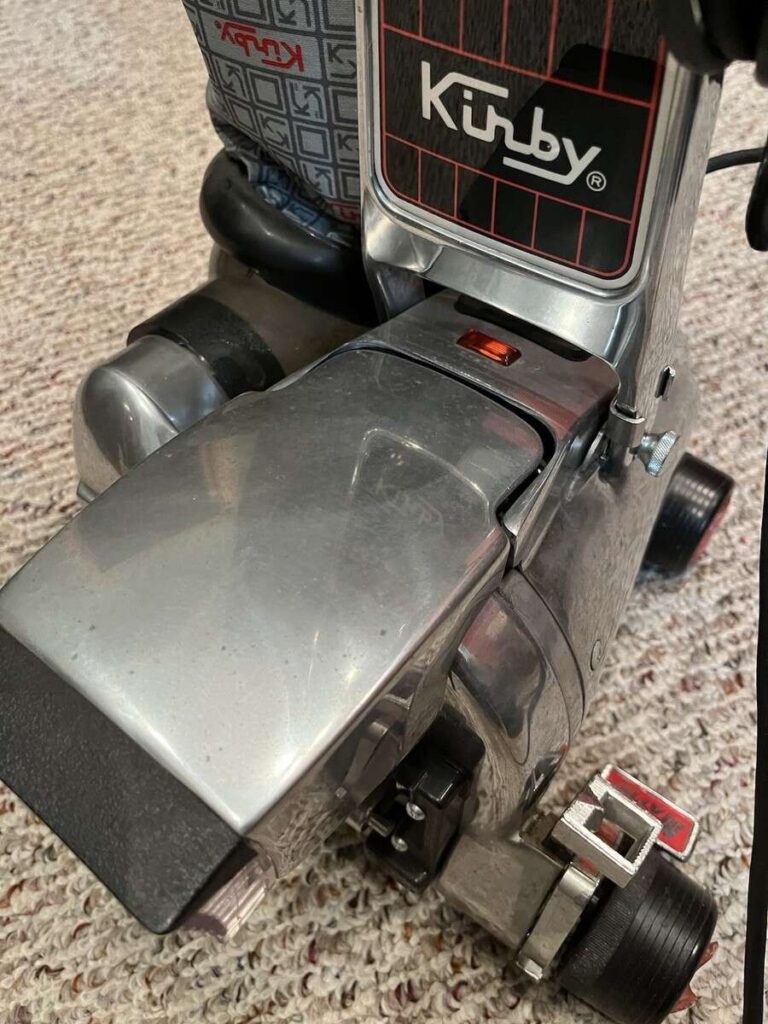
How Is Suction Measured In A Vacuum Cleaner: Quick Guide
Vacuum cleaner suction is measured by airflow, sealed suction, and air watts, which show how well it lifts and moves dirt.
Knowing how is suction measured in a vacuum cleaner helps you compare models without being misled by large numbers on a box. A vacuum may have strong sealed suction but weak airflow, or high motor power but poor cleaning results. This guide explains the key tests, units, limits, and practical ways to judge real cleaning power.
How Is Suction Measured in a Vacuum Cleaner?
The question “how is suction measured in a vacuum cleaner” has more than one answer. Vacuum performance is usually measured with these values:
• Airflow, measured in cubic feet per minute (CFM)
• Sealed suction, measured in inches of water lift (inH₂O)
• Air watts (AW), a value that combines suction pressure and airflow
• Motor input power, measured in watts or amps
These measurements describe different parts of vacuum performance. Airflow shows how much air moves through the machine. Water lift shows how much pressure the vacuum can create when the air path is blocked.
A simple example helps. Think of a vacuum as a straw. Water lift tells you how hard the straw can pull. Airflow tells you how much liquid can move through it. Good cleaning needs both strength and movement.
When asking how is suction measured in a vacuum cleaner, it is important to separate motor power from cleaning power. A 1,200-watt motor does not always clean better than a 900-watt motor. Brush design, filters, seals, hose shape, and airflow can make a major difference.
What Is Vacuum Suction?
Vacuum suction is the pressure difference between the air inside the vacuum system and the air outside it. The motor spins a fan, which pushes air out of the machine. This creates lower pressure inside the hose, wand, or cleaning head.
Air then moves from the room into the vacuum. As the air moves, it carries dust, hair, crumbs, and other small particles with it.
The vacuum does not “pull” dirt like a magnet. Instead, moving air creates a force that lifts loose dirt from a surface. This is why airflow is so important in real cleaning.
A vacuum needs three things to work well:
• A pressure difference to start air movement
• Enough airflow to carry dirt away
• A cleaning head that keeps the air path close to the floor
If a vacuum has strong suction but very little airflow, it may struggle to move dirt through the hose. If it has high airflow but weak pressure, it may not lift dirt from carpet fibers.
The Main Units Used to Measure Suction
Understanding the units makes it easier to answer how is suction measured in a vacuum cleaner. Each unit tells you something different.
Inches of Water Lift
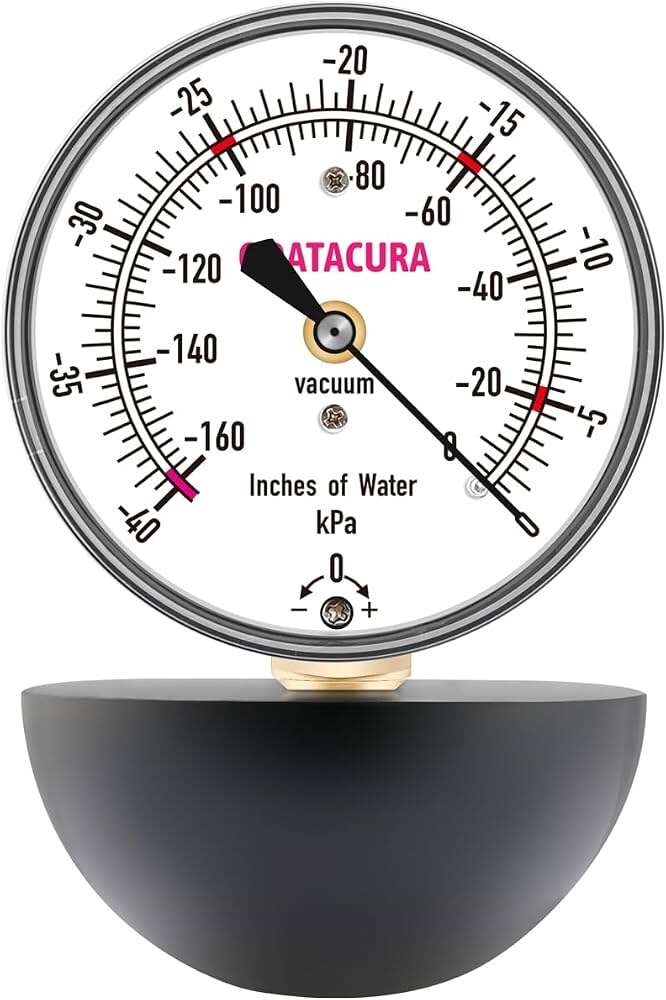
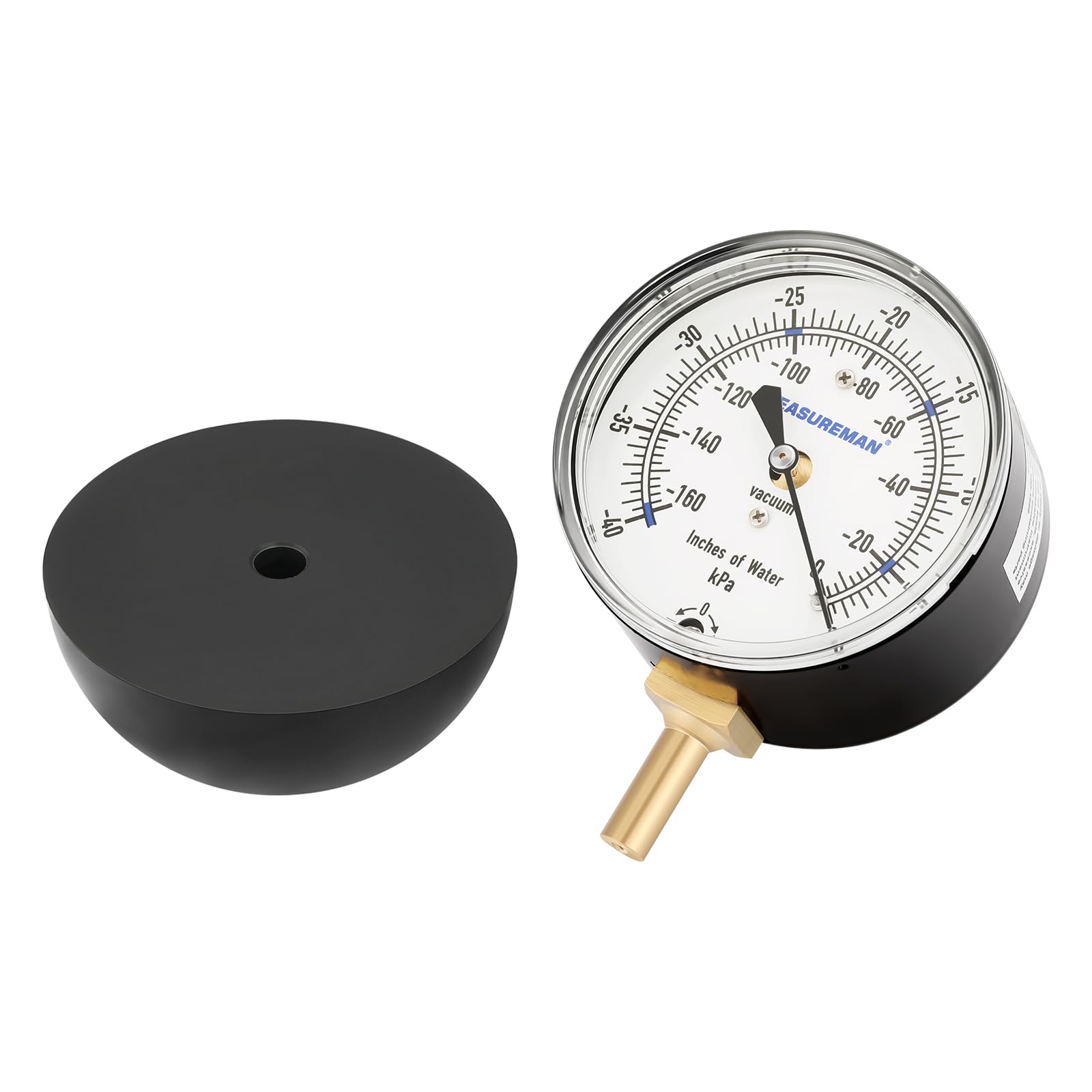
Inches of water lift, written as inH₂O or sometimes sealed suction, measures pressure. A test device uses a column of water or a pressure gauge. The vacuum pulls water upward, and the height shows the vacuum’s pressure strength.
A higher water-lift number means the vacuum can create more pressure when the air path is restricted. This can be useful for picking up heavier particles or overcoming resistance in a hose and filter.
However, water lift is often measured with the hose sealed. That condition does not match normal floor cleaning. During use, air must flow through the head, brush roll, hose, filter, and dust container.
Cubic Feet per Minute
Airflow measures how much air passes through the vacuum in one minute. It is usually listed as CFM.
CFM is one of the most useful values for judging a vacuum’s cleaning ability. Strong airflow helps carry dirt through the cleaning system and into the dust bag or bin.
A vacuum can have high sealed suction but low CFM. This may happen when the machine creates strong pressure but has narrow passages, a blocked filter, or poor internal design.
Air Watts
Air watts combine pressure and airflow into one value. A common formula is:
Air watts = airflow × water lift ÷ a constant
The exact formula can vary based on the test method and the point where measurements are taken. For this reason, air watts from two brands may not always be directly comparable.
Air watts can still be useful when the same company tests all models in the same way. They are less useful when brands use different test conditions or report only the highest possible result.
Watts and Amps
Watts measure electrical power. Amps measure electrical current. Both describe how much electricity the motor uses.
Neither value directly tells you how well a vacuum cleans. A powerful motor can waste energy if the fan, seals, filter, or floor head are poorly designed.
This is a common mistake when people ask how is suction measured in a vacuum cleaner. Motor power is an input rating, not a full performance rating.

How Manufacturers Test Vacuum Suction
Manufacturers and testing laboratories can measure suction at different points. They may test the motor, hose, wand, or complete cleaning head.
A typical test may use a pressure gauge, airflow meter, or water-lift device. The vacuum runs under controlled conditions. Testers then record pressure, airflow, or both.
Common test locations include:
• At the motor inlet
• At the end of the hose
• At the wand
• At the cleaning head
• With an empty or partly filled dust container
The location matters. A motor inlet reading may look excellent, while airflow at the floor head may be much lower. Filters, bends, seals, and brush rolls all add resistance.
Some standards and consumer testing methods measure performance with the vacuum in a more realistic setup. These tests may include dirt pickup from carpet and hard floors. Real cleaning tests are often more helpful than a single suction number.
When studying how is suction measured in a vacuum cleaner, always ask what was tested, where it was tested, and under what conditions.
Suction Versus Airflow: Which Matters More?
Both matter, but airflow usually has a stronger link to real dirt pickup. This is especially true for upright and canister vacuums that use a hose and floor head.
Sealed suction matters more when the vacuum must overcome resistance. For example, it helps when air passes through a dense carpet, long hose, full dust bag, or fine filter.
Airflow matters because it moves dirt through the system. A vacuum with good airflow can carry dust from the floor, through the hose, and into the dust container.
A useful comparison looks like this:
• High suction with low airflow: strong pressure, but weak dirt transport
• Low suction with high airflow: good air movement, but poor lifting force
• High suction with high airflow: usually the best combination
• High motor wattage alone: unclear cleaning performance
A rotating brush can also change the result. On carpet, the brush agitates fibers and helps free embedded dirt. On hard floors, too much suction can sometimes make a floor head hard to push.
Why Vacuum Suction Changes During Use
Vacuum suction is not always constant. It can fall as the machine collects dirt or develops a blockage.
Common causes include:
• A full dust bag or dust bin
• A dirty pre-motor filter
• A clogged exhaust filter
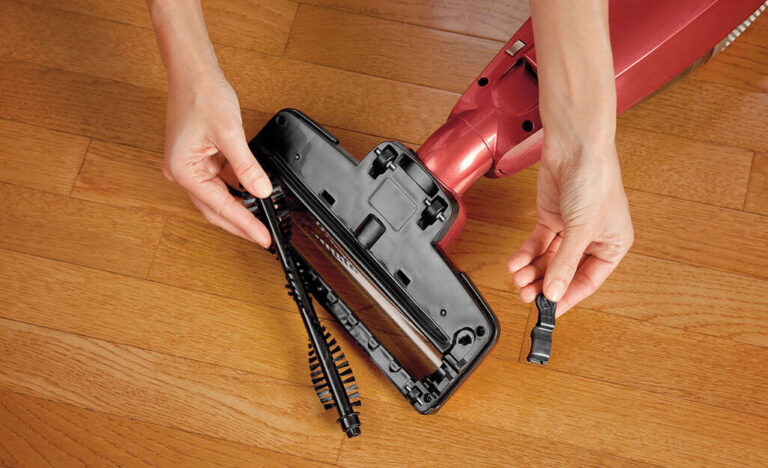
• Hair wrapped around the brush roll
• A blocked hose or wand
• A damaged seal
• A cracked hose
• A poorly fitted attachment
As a filter collects fine dust, it becomes harder for air to pass through. The motor may still run, but useful airflow drops. The vacuum can sound normal while cleaning performance becomes much weaker.
Bagless vacuums may also lose airflow when the dust bin is full. Bagged vacuums can lose airflow when the bag pores become blocked, even before the bag looks completely full.
A simple maintenance routine often restores performance:
-
Empty the dust bin before it reaches the maximum line.
-
Replace full bags as directed.
-
Wash reusable filters only when the manual allows it.
-
Let washed filters dry fully before reinstalling them.
-
Remove hair and thread from the brush roll.
-
Check the hose and floor head for blockages.
-
Inspect seals for cracks or gaps.

How to Compare Vacuum Suction Before Buying
A good comparison starts with the product specifications, but it should not end there. Look for airflow, water lift, or air watts when the brand provides them.
Then check whether the company explains its test method. A number without a test condition has limited meaning.
Use this buying checklist:
• Compare models from the same brand when possible.
• Look for airflow and water-lift data, not only motor watts.
• Check independent carpet and hard-floor cleaning tests.
• Read reviews that mention real dirt pickup.
• Confirm that replacement filters and bags are easy to find.
• Consider the floor type in your home.
• Check whether the head seals well against the floor.
• Look at noise, weight, cord length, and maneuverability.
A vacuum that is slightly less powerful but easy to push may clean more often and more thoroughly. Comfort is part of performance. A machine that stays in a closet because it is heavy has little practical value.
One lesson from hands-on vacuum comparisons is that numbers can create false confidence. A model with a dramatic air-watt claim may not perform well if its floor head leaks air or its brush roll is poorly designed.
Does Stronger Suction Always Mean Better Cleaning?
No. Stronger suction is not always better for every surface.
High suction can make some vacuum heads difficult to move across thick carpet. It may also pull loose rugs toward the nozzle. On delicate rugs, excessive force may stress fibers or fringes.
For hard floors, a soft brush and controlled airflow often matter more than maximum pressure. A good floor head should remove dust without scattering it or scratching the surface.
Many modern vacuums use suction controls or automatic settings. These features adjust airflow based on the floor type or resistance.
The best vacuum has balanced performance. It should create enough pressure to lift dirt, enough airflow to carry it away, and enough agitation to free particles from carpet.

How to Measure Suction at Home
Home tests can show whether a vacuum has lost performance, but they cannot replace laboratory testing. Avoid placing your hand over the hose as your main test. Your hand senses pressure, not total airflow.
You can try these safer checks:
• Inspect the dust bin or bag and empty it.
• Remove the hose and check for visible blockages.
• Compare airflow at the hose with airflow at the floor head.
• Check whether the brush roll spins freely.
• Listen for a change in motor sound.
• Test the vacuum on the same area before and after filter cleaning.
A basic vacuum gauge can measure pressure at the hose. This gives a water-lift reading, but it does not show how well the machine moves air during cleaning.
You can also use a simple cleaning test. Spread a measured amount of dry rice, sand, or crumbs on the same type of floor. Run the vacuum for a set number of passes, then measure what remains. Do not use liquids or fine powders that the vacuum manual does not allow.
This type of test gives practical information about pickup. Still, it can be affected by floor texture, nozzle height, brush speed, and particle size.
Common Mistakes When Reading Suction Ratings
Many shoppers make the same errors when comparing vacuum specifications.
Mistaking Watts for Suction
Motor watts show electrical input. They do not show airflow, pressure, or dirt pickup. Treat them as one small part of the full picture.
Comparing Different Test Methods
A brand may measure suction at the motor inlet, while another measures it at the floor head. These values are not equal.
Ignoring the Floor Head
The cleaning head controls how close the vacuum sits to the floor. A poor seal can waste airflow, even when the motor is strong.
Trusting One Number
No single rating tells the whole story. Look at airflow, water lift, air watts, brush action, filtration, and independent cleaning results.
Forgetting Maintenance
A dirty filter can reduce airflow. A blocked hose can reduce performance. A vacuum must be maintained to deliver the results shown in testing.

Suction Measurement for Cordless and Robot Vacuums
Cordless vacuums often publish air watts or pascals. Pascals measure pressure and are common in robot vacuum specifications.
A higher pascal rating may indicate stronger pressure at the intake. It does not guarantee better cleaning across carpets and hard floors.
Battery level also affects cordless performance. Some models reduce power in lower modes to extend runtime. Others provide strong suction only in a short boost mode.
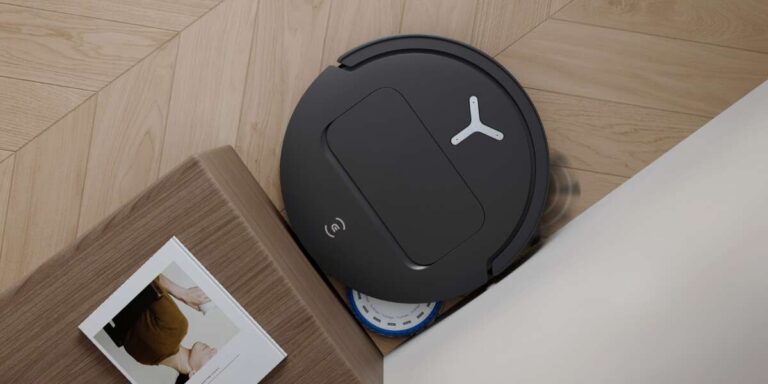
Robot vacuums face extra limits. Their small bodies, narrow air paths, compact filters, and small fans affect airflow. A high pressure rating may not translate into strong carpet cleaning.
For cordless and robot models, check:
• Runtime at the cleaning mode you will use
• Airflow or air watts, if listed
• Brush design
• Filter quality
• Dust-bin size
• Performance on your floor type
• Independent pickup tests
This broader view gives a more accurate answer to how is suction measured in a vacuum cleaner across different vacuum types.
What Makes a Vacuum Clean Well?
Suction is only one part of the cleaning system. A high-performing vacuum usually combines:
• Strong and steady airflow
• Adequate sealed suction
• A well-designed floor head
• Effective brush agitation
• Good seals
• Clean filters
• Efficient dust separation
• A suitable nozzle height
Carpet needs agitation because dirt can settle between fibers. Hard floors need controlled airflow and a head that captures fine dust without pushing it away.
Filtration also matters. A vacuum that captures small particles well can improve indoor air quality, especially in homes with allergies. Look for a sealed system and a high-efficiency filter when dust control is important.
Manufacturers may use terms such as HEPA, sealed filtration, or allergen filtration. Check the exact claim, because not every filter system has the same certification or performance.
Frequently Asked Questions About How Is Suction Measured in a Vacuum Cleaner
What is the best unit for measuring vacuum suction?
Air watts are useful because they combine airflow and pressure. Still, airflow and water lift should be reviewed separately when test conditions are available.
Is higher air wattage always better?
No. Higher air watts can suggest stronger performance, but floor-head design, brush action, filters, and seals also matter. Compare air watts only when brands use similar test methods.
Is vacuum airflow more important than suction?
Airflow often has a stronger link to real dirt pickup because it carries particles into the vacuum. Suction still matters when the machine must lift dirt or overcome resistance.
Are watts a good measure of vacuum suction?
No. Watts measure electrical power used by the motor. They do not directly measure pressure, airflow, or cleaning ability.
How is suction measured in a vacuum cleaner at home?
You can measure pressure with a vacuum gauge or water-lift device, but this shows only one part of performance. A controlled dirt-pickup test gives a more practical view of cleaning ability.
Why does my vacuum lose suction?
A full dust bin, blocked hose, dirty filter, worn seal, or tangled brush roll can reduce airflow. Check these parts before assuming the motor has failed.
What does sealed suction mean?
Sealed suction is the pressure a vacuum creates when the air path is closed or highly restricted. It is often measured in inches of water lift and does not show airflow during normal cleaning.
Conclusion
The answer to how is suction measured in a vacuum cleaner includes more than one number. Airflow shows how much air moves, water lift shows pressure strength, and air watts combine both factors. Motor watts and amps describe power use, but they do not prove cleaning ability.
For a smart purchase, compare test methods, floor-head design, filtration, brush action, and real pickup results. Keep filters clean and remove blockages so your vacuum can maintain its airflow.
Use these measures to look beyond impressive box claims and choose a vacuum that fits your floors, pets, dust levels, and daily routine. Share this guide with another shopper or explore more vacuum-care resources before your next purchase.

Liora Pennings is a seasoned chef and kitchen enthusiast with a passion for turning everyday cooking into an effortless experience. With years of hands-on culinary expertise, she specializes in practical techniques, ingredient know-how, and smart kitchen solutions that help home cooks elevate their meals. At KitchFlair.com, Liora shares her best tips, time-saving tricks, and honest product reviews to guide readers toward a more efficient, enjoyable, and inspired cooking routine. Whether you’re a beginner or a seasoned home chef, Liora’s friendly, knowledge-packed insights make every visit to the kitchen a little easier—and a lot more delicious.