How Much Popcorn Does 1/2 Cup Make: Yield Guide
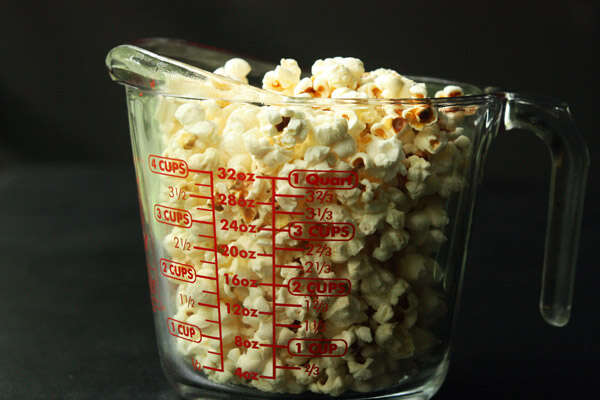
Half a cup of popcorn kernels usually makes about 14 to 16 cups of popped popcorn.
If you are planning snacks for movie night, recipes, or a party, knowing how much popcorn does 1/2 cup make can prevent waste and help you choose the right bowl. The final amount depends on the kernel type, popping method, oil, heat, and how many kernels fail to pop. This guide explains the yield, serving size, measuring tips, and common mistakes in clear, practical terms.
How Much Popcorn Does 1/2 Cup Make?
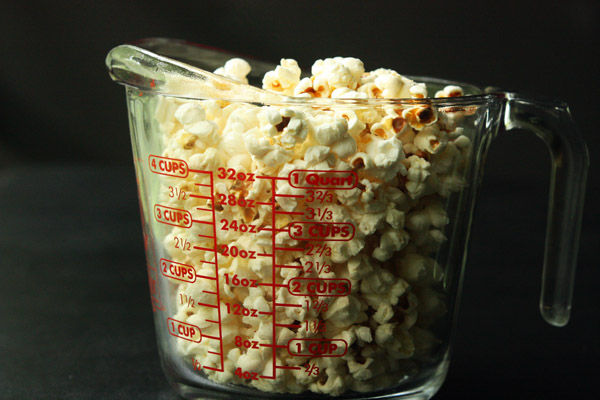
Half a cup of unpopped popcorn kernels usually makes 14 to 16 cups of popped popcorn. That equals about 3.5 to 4 quarts, since 1 quart contains 4 cups.
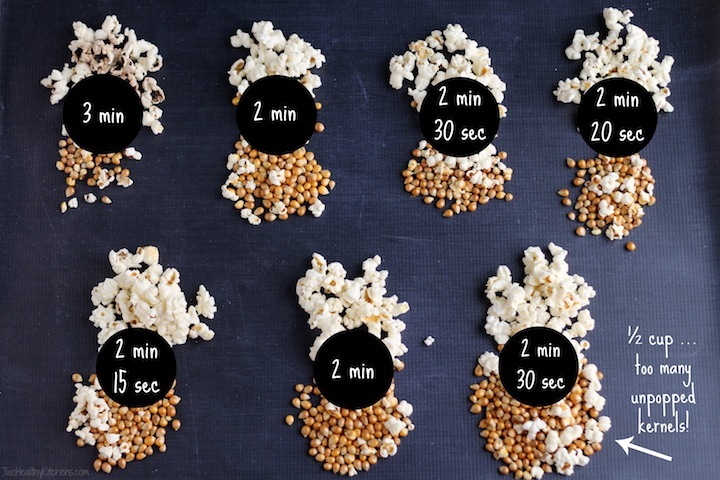
Some kernels may expand more than others. Under ideal conditions, 1/2 cup can produce close to 18 cups. With older kernels, weak heat, or poor storage, the yield may be closer to 12 cups.
| Amount of unpopped kernels | Usual popped yield |
|---|---|
| 2 tablespoons | 4 to 5 cups |
| 1/4 cup | 7 to 8 cups |
| 1/2 cup | 14 to 16 cups |
| 1 cup | 28 to 32 cups |
So, if you are asking how much popcorn does 1/2 cup make for a recipe, use 15 cups as a safe planning estimate.
Why Popcorn Expands So Much
Popcorn kernels contain a small amount of water inside a hard shell. When the kernel heats, the water turns to steam. Pressure builds until the shell breaks open and turns the inside into the fluffy popcorn you eat.
The popped corn is mostly air. This is why a small measuring cup of kernels can fill a large serving bowl. Think of each kernel as a tiny sealed balloon that expands when heated.
The moisture level matters most. Good popcorn kernels have enough internal moisture to create strong steam pressure. If kernels are too dry, they may heat without popping fully.
What Affects the Yield?
The answer to how much popcorn does 1/2 cup make can change from batch to batch. Several factors affect the final volume.
Kernel freshness
Fresh kernels tend to pop more fully. Old kernels may lose moisture over time, which can leave more unpopped pieces at the bottom of the pot.
Popcorn variety
Yellow popcorn often creates large, familiar pieces. White popcorn may produce smaller, tender pieces. Mushroom-style kernels create round, sturdy pieces that work well for caramel popcorn.
Cooking temperature
The oil and pan must become hot enough for the kernels to pop. If the heat is too low, the kernels may dry out before they open. If the heat is too high, the outside can burn before the inside pops.
Pan size
A crowded pot can cook unevenly. Kernels need room to move and release heat. For 1/2 cup of kernels, use a large pot with a lid and enough space for the popped corn to expand.
Moisture and storage
Store kernels in a sealed container at room temperature. Avoid the refrigerator, where changing temperatures can affect moisture. A cool, dry cupboard is usually best.
How Many Servings Does 1/2 Cup Make?
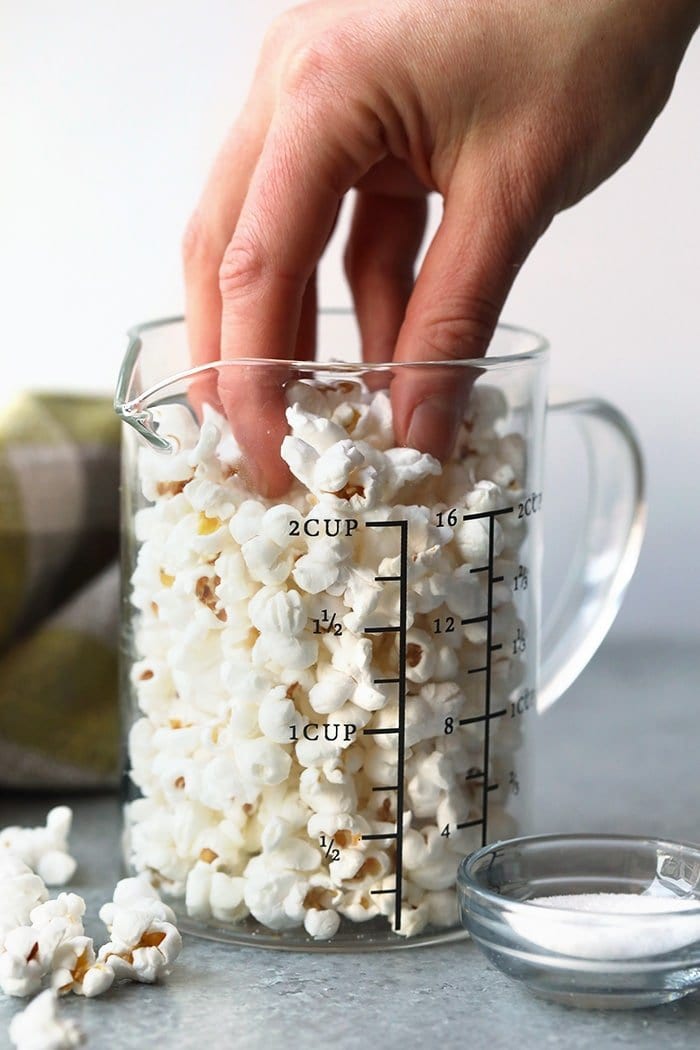
If 1/2 cup makes about 15 cups of popped popcorn, it provides several servings. The number depends on whether you serve it as a light snack or a large movie snack.
A practical serving guide looks like this:
• 1 cup popped popcorn provides a small snack portion.
• 2 cups make a normal snack serving.
• 3 to 4 cups make a generous movie-night serving.
• 5 or more cups suit someone with a large appetite or a long event.
Using these portions, how much popcorn does 1/2 cup make? It can serve about 4 to 7 people, depending on portion size. For a party, plan closer to 2 to 3 cups per guest if popcorn is the main snack.
How Much Oil Should You Use?
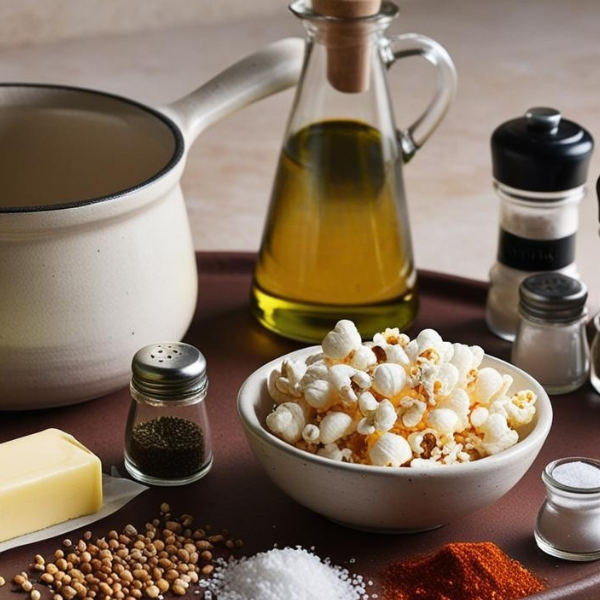
For 1/2 cup of kernels, use about 2 to 3 tablespoons of cooking oil. Coconut, canola, avocado, peanut, and vegetable oils can all work well because they tolerate moderate to high heat.
The oil should coat the bottom of the pot without flooding the kernels. Too little oil can cause uneven heating. Too much oil can make the popcorn greasy and heavy.
A simple stovetop method is:
-
Add the oil and two or three kernels to a large pot.
-
Cover the pot and heat it over medium heat.
-
When those test kernels pop, add the remaining 1/2 cup.
-
Cover the pot and gently shake it every few seconds.
-
Remove it from the heat when the popping slows to about two seconds between pops.
-
Pour the popcorn into a large bowl right away.
Do not seal the lid tightly while cooking. Steam must escape, or the finished popcorn may become soft instead of crisp.
How to Measure Popcorn Kernels Correctly
Measure the kernels before popping, not after. A standard dry measuring cup gives the most reliable result.
Fill the cup to the top and level it. Do not crush the kernels or pack them down. Popcorn kernels do not need to be pressed into the cup because this can slightly change the amount.
If you only have a kitchen scale, 1/2 cup of popcorn kernels weighs about 3 to 3.5 ounces, or 85 to 100 grams. The exact weight varies by kernel size and shape.
For recipe planning, volume is usually easier. If a recipe calls for 1/2 cup of kernels, expect around 15 cups of popped popcorn unless the recipe gives a specific brand or yield.
How Much Popcorn Does 1/2 Cup Make in an Air Popper?
An air popper often produces about 14 to 16 cups from 1/2 cup of kernels. It uses hot air instead of oil, so the popcorn is light and easy to season.
Air-popped corn can look slightly larger because it does not absorb oil. However, the total yield still depends on kernel quality and moisture.
For the best air-popper results:
• Do not fill the machine above its recommended line.
• Use kernels stored in an airtight container.
• Place a bowl large enough to hold at least 16 cups under the chute.
• Add salt, melted butter, or seasoning after popping.
• Do not add oil unless the appliance instructions allow it.
In my own kitchen tests, the biggest surprise was bowl size. A bowl that looked large enough for 1/2 cup of kernels often became too small once the popcorn finished popping.
How Much Popcorn Does 1/2 Cup Make in a Microwave?
Microwave results vary more than stovetop or air-popper results. Half a cup of kernels may make 12 to 16 cups, depending on the microwave, container, and cooking time.
Use a microwave-safe bowl with a vented cover. Never use a sealed container because steam pressure can build up dangerously.
For better results:
-
Add the kernels to a large microwave-safe bowl.
-
Cover the bowl with a vented lid.
-
Cook on high until the popping slows.
-
Stop the microwave when several seconds pass between pops.
-
Carefully remove the bowl because steam can cause burns.
Microwave cooking can leave more unpopped kernels than other methods. That does not always mean the kernels are bad. The microwave may simply heat them less evenly.

Common Mistakes That Reduce Popcorn Yield
A few simple mistakes can reduce how much popcorn does 1/2 cup make.
Using old kernels
Very dry kernels often fail to build enough steam. If many kernels remain unpopped, try a fresher batch.
Cooking with weak heat
Low heat may warm the kernels slowly and allow moisture to escape. Medium to medium-high heat usually works better on the stovetop.
Burning the first batch
High heat can burn the oil and kernels before they pop. Start with moderate heat and adjust as needed.
Using a small pot
Popped corn needs much more room than unpopped kernels. A small pot can cause uneven cooking and force popped pieces against the lid.
Opening the lid too often
Every time you lift the lid, heat escapes. This can slow popping and create more unpopped kernels.
Adding wet toppings too early
Butter, syrup, or sauces can soften popcorn. Add them just before serving, and use a light hand if you want a crisp texture.

How to Keep Popped Popcorn Fresh
Fresh popcorn tastes best within a few hours, but you can keep it crisp with proper storage. Let it cool before placing it in an airtight container or resealable bag.
Do not store warm popcorn in a sealed container. Trapped steam can make it chewy. Also, keep salt, butter, and other toppings separate when storing leftovers.
Plain popcorn can stay pleasant for one to two days at room temperature. Its quality depends on humidity and the type of topping used. Caramel-coated popcorn usually keeps longer because the coating helps protect it from moisture.
Popcorn Nutrition and Portion Awareness
Plain air-popped popcorn is a whole-grain food and can be a filling snack. Its calorie count rises when you add oil, butter, cheese, caramel, or heavy seasoning blends.
A cup of plain air-popped popcorn contains relatively few calories, but serving sizes can grow quickly. Eating 4 cups with several tablespoons of butter is very different from eating 2 cups of plain popcorn.
For a balanced snack, try:
• A small amount of olive or avocado oil spray.
• Lightly salted popcorn.
• Nutritional yeast for a savory taste.
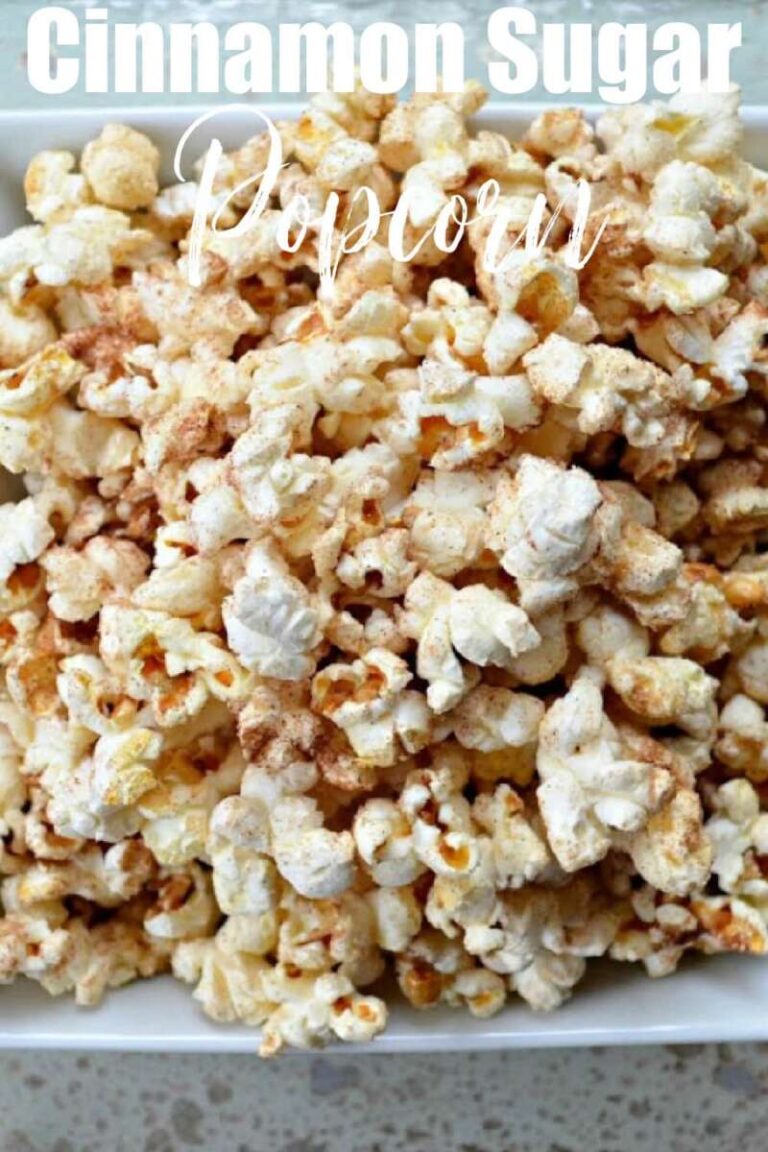
• Cinnamon for a sweet flavor.
• A small amount of grated Parmesan.
Popcorn can fit into many eating plans, but toppings matter. The kernel itself is not usually the source of the largest calorie increase.
Planning Popcorn for Parties
For a gathering, estimate 2 to 3 cups of popped popcorn per guest. If popcorn is one of many snacks, 1 to 2 cups per person may be enough.
Here is a simple guide:
• 5 guests: 1/2 cup of kernels may be enough.
• 10 guests: Use about 1 cup of kernels.
• 20 guests: Use about 2 cups of kernels.
• 30 guests: Use about 3 cups of kernels.
These estimates assume that 1/2 cup makes about 15 cups. Add a little extra for children, long movie sessions, or events where popcorn is the main food.
It is usually better to make two smaller batches than one very large batch. Smaller batches pop more evenly and stay crisp.
What I Learned From Measuring Popcorn at Home
The most useful lesson is to plan by popped volume, not just by kernel volume. Before testing this, I often made too much for a small group because 1/2 cup looks tiny in the measuring cup.
I also learned that the popping sound is a better guide than a strict timer. One batch may finish in three minutes, while another takes longer because the pot, oil, and kernels differ.
Another common mistake is adding salt before popping. Salt can settle on the bottom or affect the texture. Seasoning the finished popcorn gives better control and more even flavor.
Frequently Asked Questions About How Much Popcorn Does 1/2 Cup Make
Does 1/2 cup of unpopped popcorn make 1 gallon?
Usually, yes. Half a cup generally makes about 14 to 16 cups, and 1 gallon equals 16 cups. The exact yield may be slightly lower or higher based on the kernels and cooking method.
How many people will 1/2 cup of popcorn kernels serve?
Half a cup usually serves four to seven people. Plan 2 to 3 cups per person for a regular snack, or less if you are serving other foods.
How much butter should I use for 1/2 cup of popcorn kernels?
Start with 2 to 4 tablespoons of melted butter for the finished batch. Add it gradually so the popcorn does not become soggy or overly rich.
Why did my 1/2 cup of popcorn make less than expected?
Old kernels, low heat, poor storage, or an overcrowded pan can reduce the yield. Kernels need enough moisture and steady heat to pop fully.
Is 1/2 cup of popcorn kernels the same as 1/2 cup popped popcorn?
No. Half a cup of kernels expands into roughly 14 to 16 cups of popped popcorn. Always check whether a recipe means kernels or popped corn.
Can I use 1/2 cup of kernels in any popcorn maker?
Only if the machine is rated for that amount. Some air poppers and microwave bowls hold less, so follow the appliance’s fill limit to prevent overflow or uneven popping.
Conclusion
Half a cup of popcorn kernels makes about 14 to 16 cups of popped popcorn, or close to 1 gallon. It usually serves four to seven people, depending on portion size and whether other snacks are available.
Use fresh kernels, a large pot, moderate heat, and a properly sized bowl for the best result. Start with 15 cups as your planning estimate, then adjust based on your preferred brand and cooking method. Try your next batch with these measurements, and share your favorite popcorn seasoning or preparation tip in the comments.

Liora Pennings is a seasoned chef and kitchen enthusiast with a passion for turning everyday cooking into an effortless experience. With years of hands-on culinary expertise, she specializes in practical techniques, ingredient know-how, and smart kitchen solutions that help home cooks elevate their meals. At KitchFlair.com, Liora shares her best tips, time-saving tricks, and honest product reviews to guide readers toward a more efficient, enjoyable, and inspired cooking routine. Whether you’re a beginner or a seasoned home chef, Liora’s friendly, knowledge-packed insights make every visit to the kitchen a little easier—and a lot more delicious.