Can You Use A Carpet Cleaner As A Regular Vacuum: Explained
No, a carpet cleaner should not replace a regular vacuum for daily dirt removal.
Can you use a carpet cleaner as a regular vacuum? You can use some models for light cleanup, but they are built for washing carpets, not daily dry vacuuming. Understanding the difference between suction, brush action, water use, and filtration will help you protect your floors, avoid machine damage, and choose the right cleaner for each mess.
Can You Use a Carpet Cleaner as a Regular Vacuum?
In most cases, no. A carpet cleaner and a regular vacuum may both use suction, but they do very different jobs.
A regular vacuum removes dry debris such as:
• Dust
• Crumbs
• Pet hair
• Dirt
• Sand
• Small bits of lint
A carpet cleaner sprays water and cleaning solution into carpet fibers. It then loosens stains and pulls out dirty water. This process is closer to washing a floor than sweeping it.
So, can you use a carpet cleaner as a regular vacuum for a quick cleanup? Only if the manufacturer says the machine supports dry vacuuming. Many carpet cleaners do not have the right dry filter, airflow system, or dust container for that task.
Using the wrong machine can spread dirt, clog the system, wet the carpet, or damage the motor. It may also leave your floor damp for hours.

How a Carpet Cleaner Differs From a Regular Vacuum
The main difference is the type of cleaning each machine performs. A regular vacuum is designed for dry cleaning, while a carpet cleaner is designed for wet extraction.
Regular vacuum cleaners
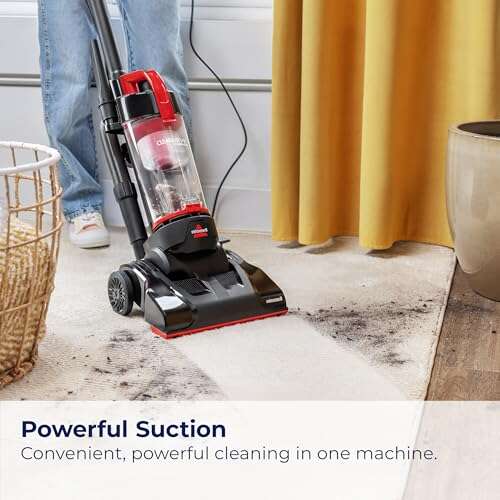
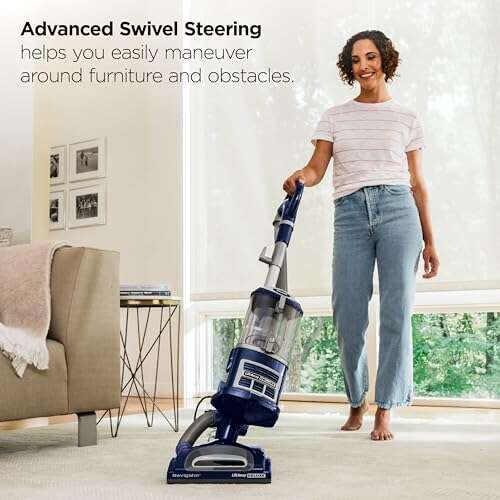
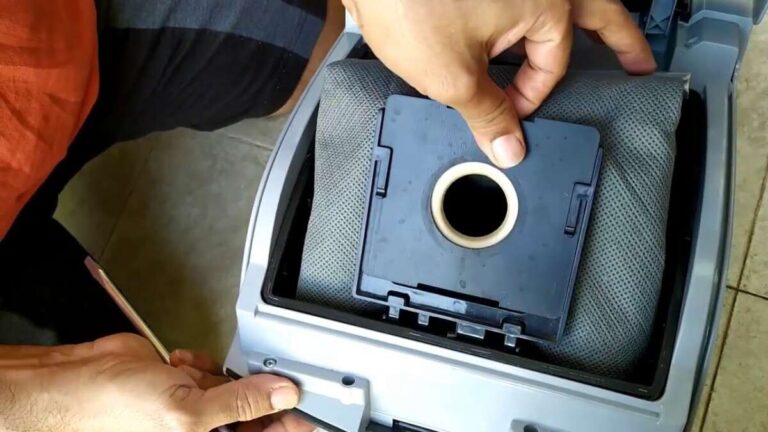
A regular vacuum has a dry dirt path. Air pulls dust and debris through a hose or floor head and sends it into a bag or dust cup. Many models also use filters to trap fine particles.
Most regular vacuums include features such as:
• A dry brush roll
• A dust bin or vacuum bag
• Air filters
• Floor settings for carpet and hard surfaces
• Suction control
• Tools for corners, stairs, and furniture
These parts are made to handle repeated dry use.
Carpet cleaners
A carpet cleaner usually has two tanks. One holds clean water and solution. The other collects dirty water pulled from the carpet.
Common carpet cleaner parts include:
• A clean-water tank
• A dirty-water tank
• Spray nozzles
• Rotating or scrubbing brushes
• A water extraction motor
• A carpet cleaning head
The machine sprays liquid, scrubs the fibers, and extracts the moisture. It is not normally designed to collect dry dust for long periods.
This is why asking, “Can you use a carpet cleaner as a regular vacuum?” requires more than looking at the suction power. The internal design matters just as much.

Why You Should Not Use a Carpet Cleaner for Daily Vacuuming
Using a carpet cleaner as a regular vacuum may seem convenient, especially if you want to save money or storage space. However, the design limits make it a poor choice for everyday cleaning.
It may not collect dry dirt well
A carpet cleaner’s main purpose is to pull up water. It may have strong suction during wet cleaning, but that does not mean it can remove dry debris efficiently.
Dry dirt can remain in the carpet or collect around the brush head. Fine dust may also escape through gaps that would not matter during wet extraction.
Dry debris can clog the machine
Hair, crumbs, and dust can block the hose, nozzle, brush roll, or internal air path. A clog can reduce suction and make the motor work harder.
Large pieces of dirt may also damage the brush system. This is especially likely when the machine has narrow channels designed for water and liquid waste.
You may damage the dirty-water system
Some carpet cleaners use a dirty-water tank with a float valve. The float rises when the tank fills and stops suction to protect the motor.
Dry debris may interfere with this float. It can stick to the valve or gather in areas that are difficult to clean. If the float cannot move correctly, the machine may lose suction or shut off too soon.
It can leave your carpet wet
If you add water or solution while trying to vacuum, you are no longer dry vacuuming. The carpet cleaner will wet the floor, even if you only intend to remove crumbs.
Damp carpet can cause several problems:
• Slow drying
• Musty odors
• Brown spots from wicking
• Mold risk in poorly ventilated rooms
• Damage to carpet backing or wood subfloors
The Environmental Protection Agency recommends controlling moisture indoors because damp areas can support mold growth.
It may wear out the motor faster
Carpet cleaners are not always built for long, frequent dry operation. Dust can reach areas that water normally carries into the recovery tank. Over time, this can place extra stress on seals, filters, and the motor.
Can you use a carpet cleaner as a regular vacuum without immediate damage? Possibly, but repeated use still creates unnecessary risk.

When Can You Use a Carpet Cleaner Like a Vacuum?
There are a few exceptions. Some machines are labeled as carpet cleaners and wet/dry vacuums. Others include a separate dry-vacuum mode or a removable wet-cleaning attachment.
Always check the owner’s manual first. Do not rely only on the machine’s appearance or the word “suction” on the box.
You may use the machine for dry debris when:
• The manual clearly allows dry vacuuming
• The machine has a dry filter or dust collection system
• The manufacturer provides a dry floor tool
• The wet tank is removed as directed
• The machine has a separate dry and wet mode
• You follow the approved setup
Some shop vacuums can collect both wet and dry debris. These are different from standard home carpet cleaners. A wet/dry vacuum is built for both jobs and usually has specific filters for each type of material.
Even then, do not assume that a wet/dry vacuum works like an upright carpet vacuum. It may lack a rotating brush, fine-particle filtration, or a gentle floor head.
Can you use a carpet cleaner as a regular vacuum when the product listing says “multi-surface”? Not always. “Multi-surface” may only mean the machine can clean several types of flooring with water. Read the detailed instructions before use.

The Best Way to Use a Carpet Cleaner
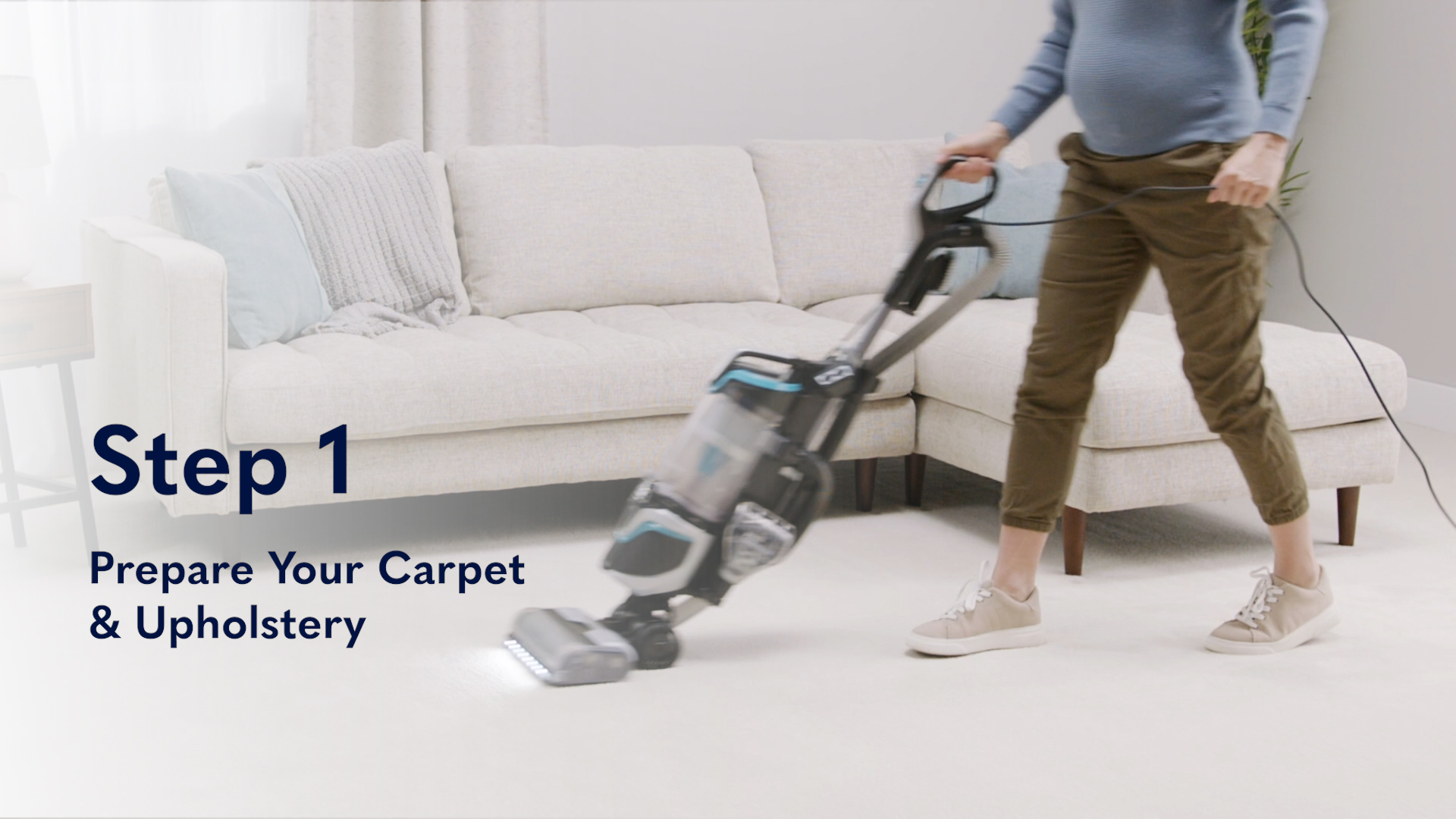
A carpet cleaner works best after you remove loose dirt with a regular vacuum. This two-step process gives better results and reduces the amount of debris entering the wet-cleaning system.
Follow these steps:
-
Vacuum the area first. Remove dust, hair, crumbs, and grit with a regular vacuum.
-
Check the carpet label. Confirm that the carpet can be wet cleaned. Some natural fibers and delicate rugs need special care.
-
Test a hidden spot. Apply a small amount of cleaning solution in an unseen area. Wait until it dries and check for color change or damage.
-
Use the correct solution. Choose a product approved for your carpet cleaner. Too much soap can leave a sticky residue.
-
Avoid over-wetting. Make slow passes and follow the machine’s instructions. Extra water does not always mean a cleaner carpet.
-
Make dry passes. Many machines let you pass over the carpet without spraying. These passes remove more moisture.
-
Ventilate the room. Open windows when weather allows and use fans to speed drying.
-
Clean the machine. Empty the dirty-water tank, rinse the tanks, clean the nozzle, and allow parts to dry before storage.
A good rule is simple: vacuum first, wash second. Think of dry vacuuming as sweeping the floor and carpet cleaning as mopping it. One should usually come before the other.
What to Use for Different Types of Messes
Choosing the right tool protects your carpet and saves time.
Dry crumbs and dust
Use a regular vacuum. A crevice tool can help remove dirt along baseboards and under furniture.
Pet hair
Use a vacuum with a motorized brush roll or pet hair attachment. Carpet cleaners may remove some hair during wet cleaning, but they are not the best tool for daily pet fur.
Mud
Let the mud dry first when possible. Break off the dry pieces and vacuum them. Then use a carpet cleaner for the stain that remains.
Trying to wash a thick layer of wet mud can spread it through the carpet and clog the cleaning head.
Spilled drinks
Blot the liquid quickly with a clean cloth. Do not scrub hard, because rubbing can push the spill deeper into the fibers.
After blotting, use a carpet cleaner if the label allows it. Use a small amount of solution and extract as much moisture as possible.
Vomit, urine, or other biological messes
Remove solid material carefully, blot liquids, and use a cleaner made for the specific stain. Enzyme-based products can help with some pet stains, but they must be used according to the label.
Wear gloves and keep children and pets away from the area until it is clean and dry.
Hard floors
Do not use a carpet cleaner on hard flooring unless the manufacturer specifically approves it. Water can move into seams, damage wood, or make smooth floors slippery.

Common Mistakes to Avoid
Many carpet cleaning problems come from using the right machine in the wrong way.
Skipping the first vacuum
Loose dirt turns into muddy residue when mixed with water. Vacuuming first helps the carpet cleaner focus on stains and embedded soil.
Adding too much detergent
More soap does not mean better cleaning. Excess solution can remain in the fibers and attract new dirt.
Moving too quickly
Fast passes may leave behind water and cleaning solution. Move at a steady pace and follow the recommended number of wet and dry passes.
Leaving the carpet closed and damp
A closed room with poor airflow can slow drying. Use fans and avoid placing furniture back until the carpet is fully dry.
Using the wrong attachment
A hard-floor tool, upholstery tool, or bare-suction nozzle may not be suitable for every carpet. The wrong head can damage fibers or provide poor extraction.
Ignoring the manual
Manufacturers explain which surfaces, solutions, filters, and modes are safe. These instructions also protect your warranty.
One mistake I often see in home cleaning tests is treating every suction machine as if it were interchangeable. Suction is only one part of the system. The filter, brush, tank, airflow path, and intended use all matter.

How to Choose Between a Vacuum and a Carpet Cleaner
Choose a regular vacuum when you need frequent cleaning. It is the better choice for homes with children, pets, allergies, or heavy foot traffic.