Can Moths Live In Vacuum Cleaner: Do They Survive?
No, moths usually do not live long in a vacuum cleaner, but eggs and larvae may survive inside it.
The answer to “can moths live in a vacuum cleaner” depends on the moth’s life stage, the vacuum type, and how soon you empty it. A vacuum may remove adult moths, larvae, eggs, and webbing, but it is not a reliable pest-control tool by itself. This guide explains what happens inside the machine and how to stop moths from returning.

Can moths live in a vacuum cleaner?
Yes, moths can sometimes survive inside a vacuum cleaner for a short time. Adult moths may be injured by the fast airflow, dust, and moving parts, but not every insect is killed at once.
Moth eggs and larvae are a bigger concern. They can hide in lint, pet hair, carpet fibers, food dust, or fabric pieces collected in the vacuum. The vacuum cleaner may act like a temporary shelter if it stays warm, dry, and undisturbed.
Still, a vacuum cleaner is not a good long-term home for moths. Most adult moths will die from injury, dehydration, lack of food, or poor air conditions. The main risk is that living pests remain in the bag, dust cup, hose, or filter and later spread back into your home.
The short answer to can moths live in a vacuum cleaner is yes, briefly or in certain life stages, but they usually cannot thrive there for long.

What happens to moths after vacuuming?
Vacuuming creates strong airflow and pulls insects through a narrow hose. This can damage moth wings and bodies. Some moths may also hit the fan, dust cup, or other internal parts.
However, the result is not always instant death. A moth may land in the dust container without serious injury. If it finds a protected spot among dust and fibers, it may remain alive for hours or longer.
The outcome also depends on the type of vacuum:
• Bagless vacuums collect debris in a dust cup, where moths can sometimes remain visible and alive.
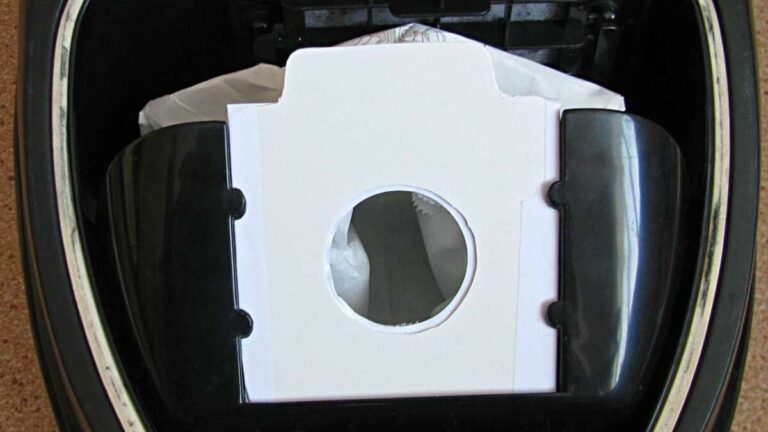
• Bagged vacuums trap insects inside a paper or cloth bag, but the bag may protect them from light and disturbance.
• Canister vacuums may leave pests in the canister, hose, or filter.
• Handheld vacuums often have small dust cups that are easy to forget and leave untreated.
A vacuum cleaner does not create a true vacuum like outer space. It creates moving air and low pressure inside part of the machine. That difference matters because insects are not automatically killed by the air pressure alone.

Can moth eggs and larvae survive in a vacuum cleaner?
Moth eggs and larvae may survive better than adult moths inside a vacuum cleaner. They are small, tough, and often protected by dust, hair, lint, or food particles.
Clothes moth larvae feed on natural fibers such as wool, fur, feathers, silk, and lint that contains body oils. Pantry moth larvae feed on dry foods, including flour, cereal, rice, nuts, pet food, and birdseed.
If these materials enter the vacuum, they may give larvae a place to hide. The food supply is usually limited, so the larvae will not grow forever. Yet even one surviving larva can later become an adult moth and lay more eggs.
Moth eggs are harder to see. They may stick to carpet edges, clothing, shelves, or cracks near stored food. Vacuuming can remove them, but leaving the vacuum untreated creates a small chance that some remain inside the machine.
When people ask can moths live in a vacuum cleaner, they often mean adult moths. In practice, hidden larvae and eggs deserve more attention because they are easier to miss and harder to identify.

Can moths escape from a vacuum cleaner?
Moths may escape from a vacuum cleaner if the machine is opened indoors or if the filter and seals are not working well. A live adult may crawl out of a dust cup when the lid is removed.
A damaged bag, loose hose, or poorly fitted filter can also release dust and small insect parts. Moth eggs and larvae do not usually walk out quickly, but they may remain in debris that is later dumped inside the home.
To reduce this risk, take the following steps:
-
Stop vacuuming when you suspect moth activity.
-
Carry the vacuum outside before opening the dust cup or removing the bag.
-
Empty the contents into a sealed plastic bag.
-
Close the bag tightly and place it in an outdoor trash bin.
-
Wash or wipe the dust cup according to the manufacturer’s instructions.
-
Clean the brush roll, hose opening, and crevice tool.
-
Replace disposable bags and filters when the manual allows it.
Never shake vacuum dust into an indoor trash can. That action can release insects, eggs, fibers, and allergens back into the room.

How to clean a vacuum after removing moths
Cleaning the vacuum after use is one of the best ways to prevent reinfestation. The exact method depends on whether the machine uses a bag, dust cup, or washable filter.
For a bagged vacuum
Remove the bag outdoors if possible. Place it directly into a sealed trash bag, close the bag, and discard it outside.
Inspect the bag compartment for loose dust or webbing. Use a damp disposable cloth to wipe reachable surfaces. Do not wet electrical parts or pour liquid into the machine.
For a bagless vacuum
Take the dust cup outdoors. Empty it into a plastic bag, seal the bag, and discard it.
Wash the cup only if the manufacturer says it is washable. Let every part dry fully before reassembling the vacuum. Moisture trapped inside can cause mold or damage.
For filters and attachments
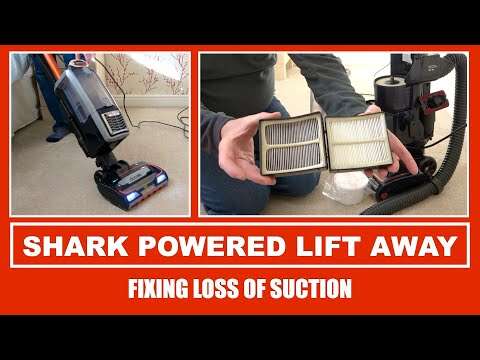
Check the user manual before washing a filter. Some filters can be rinsed, while others must be replaced.
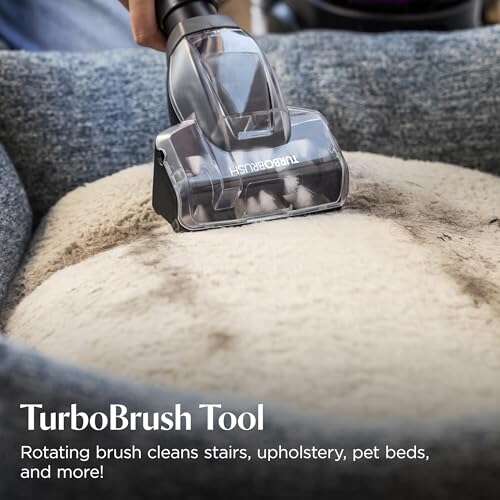
Clean the floor head, brush roll, hose end, and crevice tool. Remove hair and lint because these materials can hide moth larvae or eggs.
A practical rule is simple: if you vacuum moths, treat the vacuum contents as contaminated until you empty and clean the machine.

How to use a vacuum cleaner against moths
Vacuuming is useful, but it works best as part of a larger moth-control plan. It removes pests and their food sources from places that are hard to treat with sprays.
Focus on areas where moths or larvae may hide:
• Carpet edges and room corners
• Areas beneath furniture
• Closet floors and baseboards
• Cracks near shelves and cabinets
• Around stored clothing
• Under beds and dressers
• Pantry shelf corners
• Pet-food storage areas
• The inside edges of drawers
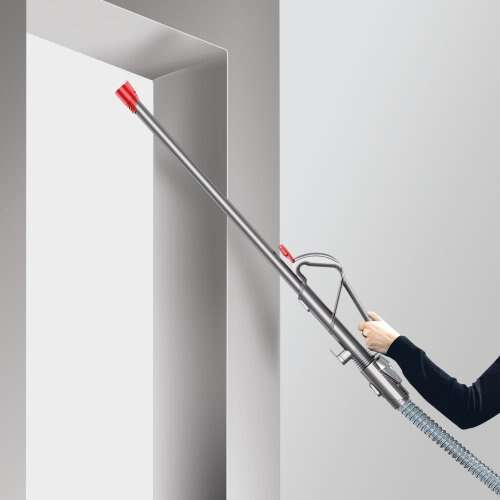
Use the crevice tool along cracks and seams. Move furniture when practical. For clothes moths, vacuum closet floors and the space under stored items.
For pantry moths, remove all food from the cabinet first. Vacuum shelf holes, corners, hinges, and cracks. Then empty the vacuum outdoors and inspect every food package before returning items.
Vacuuming will not kill moth eggs in every hidden location. It also will not stop moths that are still breeding inside food packages, clothing, rugs, or furniture. That is why source removal is essential.

What to do after vacuuming moths
After vacuuming, inspect the area to find the source. Adult moths often show that a hidden breeding site is nearby.
For pantry moths, check:
• Flour, grains, cereal, pasta, and baking mixes
• Nuts, dried fruit, spices, and chocolate
• Pet food, livestock feed, and birdseed
• Opened packages and cardboard boxes
Look for silk threads, clumped food, small larvae, tiny holes, or a musty odor. Dispose of infested items in a sealed outdoor trash bag.
For clothes moths, inspect:
• Wool sweaters and coats
• Silk clothing
• Fur, felt, and feather items
• Rugs and carpet edges
• Upholstered furniture
• Stored blankets and seasonal clothing
Wash or dry-clean items when the care label allows it. For sensitive items, professional cleaning or controlled freezing may help. Freezing must be done correctly for long enough, because a short period in a home freezer may not kill every life stage.
Place clean items in airtight storage bags or containers. This blocks adult moths from reaching fabric and prevents new eggs from being laid.

Does vacuuming kill moths instantly?
Vacuuming may kill many moths, but it does not guarantee instant death. Some adults can remain alive in the dust cup or bag, especially if the machine has low suction or the insect is protected by debris.
Eggs and larvae are even more difficult to eliminate through suction alone. A vacuum removes them from the surface, but it may not destroy them.
For this reason, do not treat vacuuming as proof that a moth infestation is gone. Empty the vacuum outdoors, seal the waste, and address the breeding source.

Common mistakes when vacuuming moths
Small mistakes can allow moths to return. The most common problem is vacuuming the insect and then leaving the machine full for several days.
Avoid these errors:
• Leaving a full dust cup indoors
• Reusing a disposable vacuum bag
• Ignoring the vacuum filter
• Vacuuming only the center of the room
• Failing to inspect food or clothing
• Spraying insecticide inside the vacuum
• Washing parts that are not designed to get wet
• Returning infested items to a clean closet